
 한국어
 English
 日本語
 中文(简体)
Dosage form image
Viewing nowPediatric Fluromox Granules (Cefcapene Pivoxil Hydrochloride)
Cefcapene Pivoxil Hydrochloride Hydrate 100mg
Prescription medication
Ildong Pharmaceutical Co., Ltd.
MFDS item code 200500422 · Approved 2005.05.17 · Insurance code 642900792
Treatment of respiratory and ear, nose and throat infections, skin infections and scarlet fever, and urinary tract infections
Hello. This medication is used to treat infections caused by various bacteria. It is typically used for skin and soft tissue infections such as folliculitis, abscesses, furunculosis, contagious impetigo, solitary muscle inflammation, lymphangitis, purulent gastroenteritis, subcutaneous abscess, and sweat gland inflammation. It is also effective for respiratory infections, including pharyngitis, acute bronchitis, tonsillitis, and pneumonia. It is applicable for urinary tract infections such as pyelonephritis and cystitis, as well as for infectious diseases like scarlet fever, otitis media, and sinusitis. This medication is used to treat various infections caused by different bacteria.
Administer 3㎎ (potency)/kg per dose orally 3 times daily after meals. Adjust the dose as appropriate according to age, body weight, and symptoms.
This medication contains aspartame, an artificial sweetener, which is converted to phenylalanine in the body. Therefore, it should not be used in patients with the genetic disorder phenylketonuria. This medication should not be administered to patients who have previously experienced severe allergic reactions or shock due to its components. Patients with allergies or hypersensitivity to cephalosporins, penicillins, or a family history of asthma, rashes, or urticaria should exercise caution in using this medication. Additionally, close monitoring is necessary for patients with a family history of allergies. Patients with significantly reduced kidney function may experience increased drug concentration, necessitating dosage reduction or prolonged intervals between doses. Patients unable to swallow medication orally, those not in good nutritional condition, and the elderly may show symptoms of vitamin K deficiency, thus requiring careful observation. While taking this medication, various adverse reactions may occur. For example, allergic reactions may cause itching, rash, respiratory distress, and dizziness. If these symptoms appear, patients should immediately stop taking the medication and consult their physician. Acute renal failure, blood disorders, severe colitis, and symptoms causing serious damage to skin mucosa may rarely occur, requiring regular examinations. Problems with the liver and lungs may arise, so if symptoms such as fever, cough, respiratory distress, or jaundice appear, inform healthcare personnel immediately. In cases of muscle pain, weakness, or abnormal findings in blood tests, medication should be discontinued, and appropriate treatment should be sought. Prolonged use in infants may lead to hypoglycemic symptoms, necessitating caution. When using this medication, it is important to conduct susceptibility tests to prevent the emergence of resistant bacteria and to administer it only for the necessary minimum duration. Elderly patients are at higher risk of bleeding due to renal function decline and vitamin K deficiency, thus requiring dosage adjustments and careful monitoring. Pregnant women or those with the possibility of pregnancy should use this medication only when the benefits outweigh the risks, as its safety has not been established. The safety of this medication in children, particularly underweight neonates, has not been established, and caution is necessary due to the risk of hypoglycemia with prolonged use. This medication may affect certain test results, leading to false-positive results in urine glucose tests or direct Coombs tests, so this should be communicated during testing. For oral administration, granules should not be crushed or dissolved to avoid bitterness and should be taken quickly with water; tablets should be taken as instructed by a healthcare professional. Finally, animal studies have indicated a possibility of muscle damage, so if muscle pain or unusual symptoms occur, inform healthcare personnel.
Shock, anaphylactic symptoms, discomfort, oral dysesthesia, wheezing, dizziness, bowel movement, tinnitus, sweating, dyspnea, hypotension, acute renal failure, agranulocytosis, thrombocytopenia, hemolytic anemia, membranous colitis, hemorrhagic colitis, abdominal pain, frequent diarrhea, mucocutaneous syndrome, toxic epidermal necrolysis, erythema multiforme, interstitial pneumonia, eosinophilic pneumonia, fever, cough, fulminant hepatitis, liver dysfunction, jaundice, myalgia, asthenia, hypoglycemia accompanied by hypocarniemia, seizures, altered consciousness, hypersensitivity, rash, urticaria, erythema, redness, swelling, pruritus, fever, arthralgia, granulocytopenia, eosinophilia, anemia, thrombocytopenia, AST elevation, ALT elevation, LDH elevation, Al-P elevation, γ-GTP elevation, jaundice, BUN elevation, proteinuria, hematuria, creatinine elevation, edema, diarrhea, abdominal pain, gastric discomfort, nausea, abdominal pain, vomiting, loss of appetite, constipation, thirst, oral paralysis, stomatitis, candidiasis, symptoms of vitamin K deficiency, symptoms of vitamin B complex deficiency, CK elevation, headache, fatigue, drowsiness, dizziness, aldolase elevation, palpitations, limb paralysis, myalgia, serum carnitine decrease, diarrhea, vomiting, upper abdominal discomfort, headache, loss of appetite, nausea, erythema, edema, abdominal pain, indigestion, membranous colitis, gastrointestinal disorders, urticaria, rash, dyspnea, hematuria, increased serum creatinine
Not everyone experiences these, and they can vary from person to person.
This medication should be stored in a container that blocks light and allows for good air circulation, at a temperature between 1 to 30 degrees Celsius. Storing it this way helps maintain the medication's effectiveness for a longer time.
Light reddish granules with a fragrance and sweet taste.
100 grams/bottle
Even with the same ingredient, strength, dosage form and how it is taken can differ.
Cefcapene Pivoxil Hydrochloride Hydrate 100mg
Prescription medication
Ildong Pharmaceutical Co., Ltd.
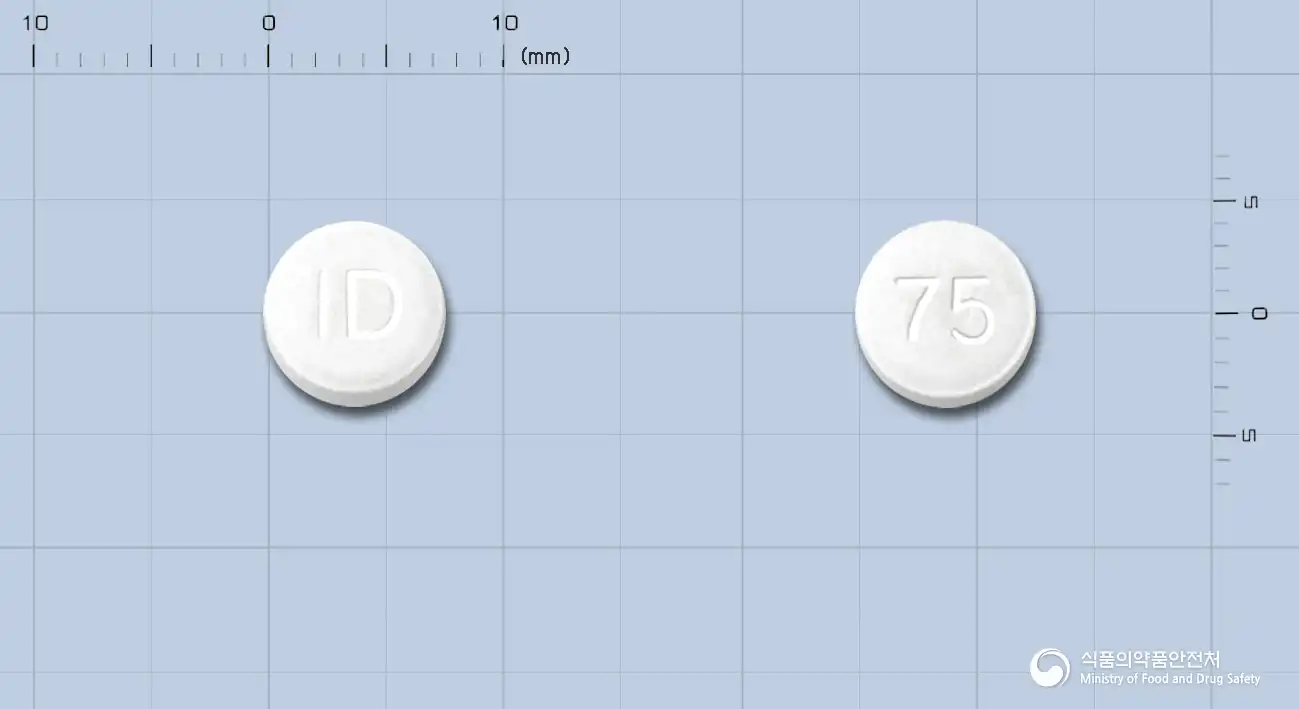
Cefcapene Pivoxil Hydrochloride Hydrate 75mg
Tablet · Prescription medication
Ildong Pharmaceutical Co., Ltd.
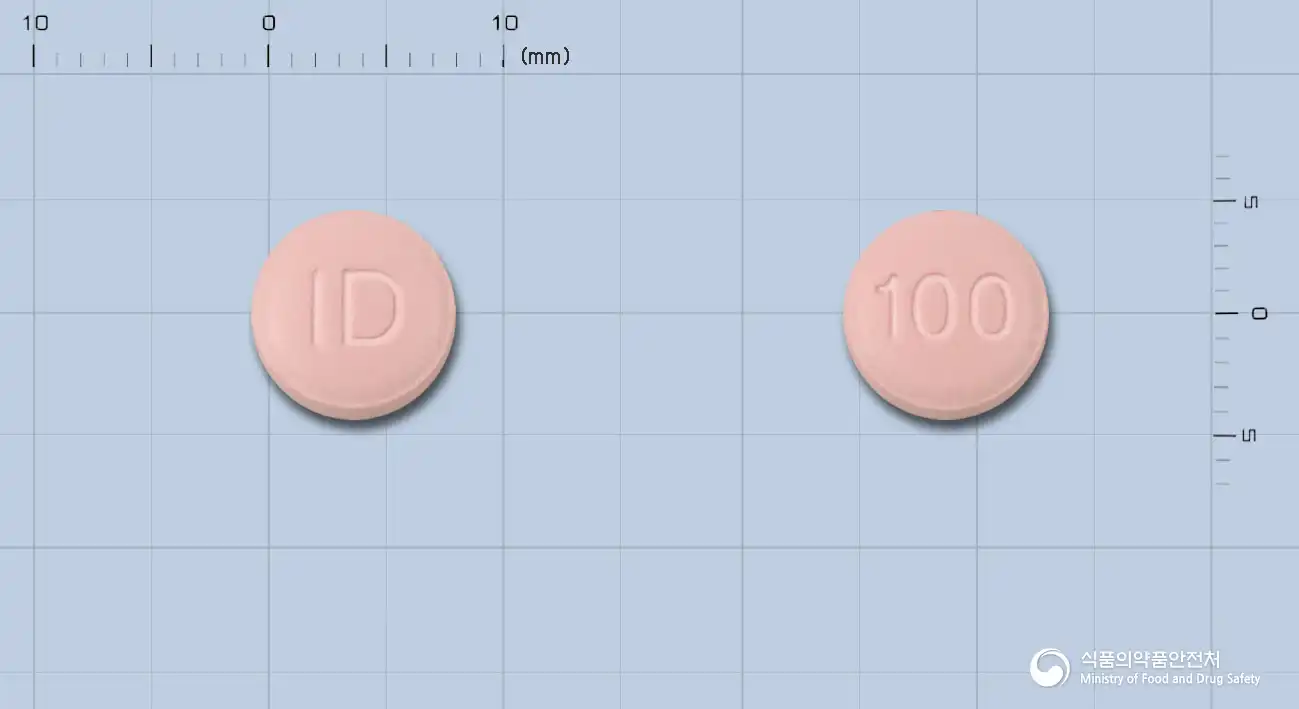
Cefcapene Pivoxil Hydrochloride Hydrate 100mg
Tablet · Prescription medication
Ildong Pharmaceutical Co., Ltd.
Cefcapene Pivoxil Hydrochloride Hydrate
Prescription medication
Kolon Pharmaceuticals Co., Ltd.
Cefcapene Pivoxil Hydrochloride Hydrate
Prescription medication
Sama Pharmaceutical Co., Ltd.
Cefcapene Pivoxil Hydrochloride Hydrate
Prescription medication
Shinpoong Pharmaceutical Co., Ltd.

Cefcapene Pivoxil Hydrochloride Hydrate 100mg
Tablet · Prescription medication
Ahn-Guk Pharmaceutical Co., Ltd.
Cefcapene Pivoxil Hydrochloride Hydrate
Prescription medication
Youngjin Pharmaceutical Co., Ltd.
Even with the same ingredient, the dose and directions can differ by strength and dosage form. Talk to a doctor or pharmacist before switching from a medication you are already taking.
No questions yet.
For anything that needs medical judgment, consult a doctor or pharmacist.
This drug information is based on data provided by the Korea Ministry of Food and Drug Safety.
Consult a doctor or pharmacist for accurate dosage, administration, and usage instructions.