Medication info
Dong-A Gabapentin Capsule 400 mg (Gabapentin)

Dong-A Gabapentin Capsule 400 mg (Gabapentin)

Prescription medicationHard capsuleOral
Ingredient · strength
Gabapentin›400mg / 1 capsule
Manufacturer / importer
Dong-A ST Co., Ltd.
Appearance
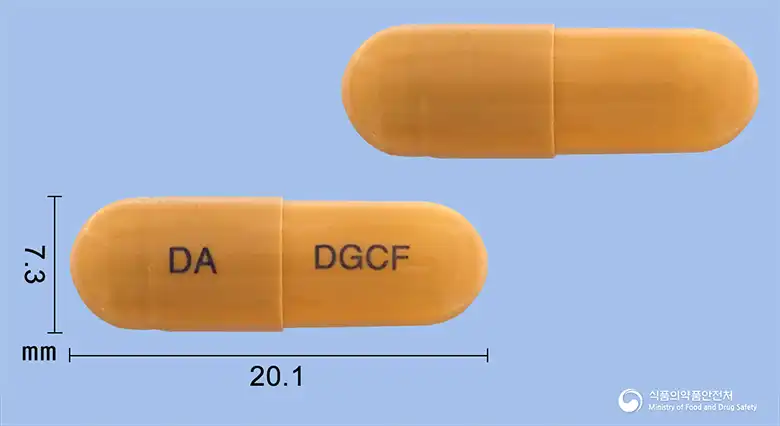
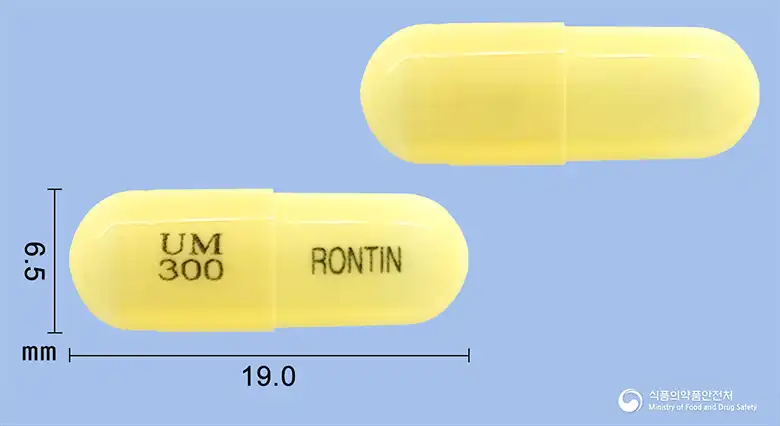
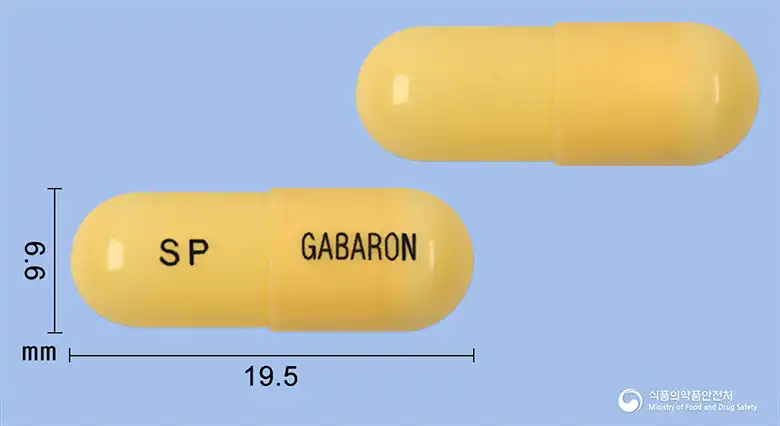
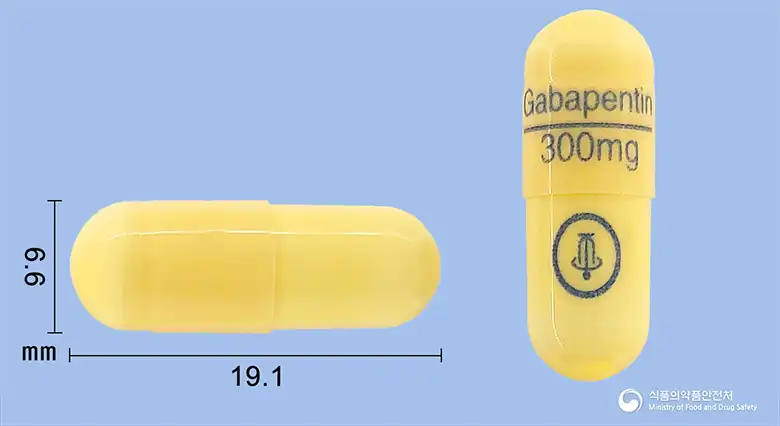
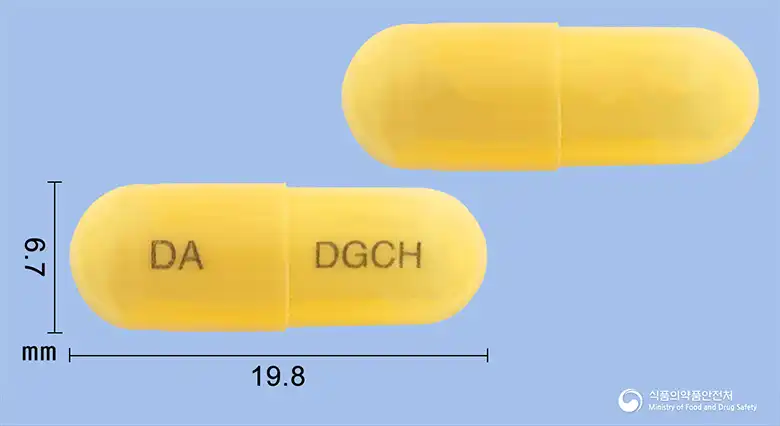
This medication is an orange hard capsule containing white or grayish-white powder.
Packaging
30 capsules/bottle, 200 capsules/bottle
Approval status
Active

MFDS item code 200500252 · Notified 2005.08.24 · Insurance code 642500380

Summary

Main use
Treatment of neuropathic pain and partial seizures of epilepsy
Who takes it
Adults · Children
Adult dose
Epilepsy Monotherapy and adjunctive therapy in patients aged 13 years and older: To achieve a maintenance dose of 900 mg/day as gabapentin, titration should be carried out over the first 3 days of treatment as follows. Day 1: Administer one 300 mg capsule of this drug once daily, or one 100 mg capsule of this drug 3 times daily (gabapentin 300 mg/day) Day 2: Administer one 300 mg capsule of this drug 2 times daily, or two 100 mg capsules of this drug 3 times daily (gabapentin 600 mg/day) From Day 3 onward: Administer one 300 mg capsule of this drug 3 times daily, or three 100 mg capsules of this drug 3 times daily (gabapentin 900 mg/day) Alternatively, as a starting dose, one 300 mg capsule of this drug may be administered 3 times daily (gabapentin 900 mg/day). The dose may be increased to 1,200 mg/day as gabapentin, and the total daily dose must not exceed 2,400 mg as gabapentin. (There are insufficient data on the safety and efficacy of doses exceeding 2,400 mg/day as gabapentin.) Neuropathic pain Adults (18 years and older): To achieve a maintenance dose of 900 mg/day as gabapentin, titration should be carried out over the first 3 days of treatment as follows. Day 1: Administer one 300 mg capsule of this drug once daily, or one 100 mg capsule of this drug 3 times daily (gabapentin 300 mg/day) Day 2: Administer one 300 mg capsule of this drug 2 times daily, or two 100 mg capsules of this drug 3 times daily (gabapentin 600 mg/day) From Day 3 onward: Administer one 300 mg capsule of this drug 3 times daily, or three 100 mg capsules of this drug 3 times daily (gabapentin 900 mg/day) Alternatively, as a starting dose, one 300 mg capsule of this drug may be administered 3 times daily (gabapentin 900 mg/day). If necessary, the dose may be increased to 1,800 mg/day as gabapentin within one week, and the total daily dose must not exceed 3,600 mg as gabapentin. When administering this drug, the total daily dose should be divided into 3 doses. Debilitated patients: In debilitated patients with low body weight or patients after transplantation, the gabapentin dose should be increased in 100 mg increments. Elderly patients: Dosage adjustment may be necessary due to age-related decline in renal function (see table). Patients with renal impairment (creatinine clearance ≤80 mL/min) or patients receiving hemodialysis: Dosage adjustment is necessary based on the following table. Dosage for patients with renal impairment: Creatinine clearance (mL/min) ≥80: Total daily dose 900∼2,400 mg/day Creatinine clearance (mL/min) 50∼79: Total daily dose 600∼1,800 mg/day Creatinine clearance (mL/min) 30∼49: Total daily dose 300∼900 mg/day Creatinine clearance (mL/min) 15∼29: Total daily dose 150b∼600 mg/day Creatinine clearance (mL/min) <15: Total daily dose 150b∼300 mg/day a: The total daily dose should be divided into 3 doses. b: Administer as 3 × 100 mg every 2 days. In patients with creatinine clearance below 15 mL/min, the dose should be reduced in proportion to creatinine clearance. Dosage for patients receiving hemodialysis Initial dose: 300∼400 mg of gabapentin is recommended. Maintenance dose: Administer 200∼300 mg of gabapentin after 4 hours of hemodialysis, and do not administer this drug on days when hemodialysis is not performed. This drug should be swallowed whole with sufficient fluid and may be administered with or without food. When administered 3 times daily, care should be taken to ensure that the interval between doses does not exceed 12 hours to prevent recurrence of seizures. If a dose of this drug is missed (if more than 12 hours have elapsed since the last dose), the physician should determine whether an additional dose should be administered to make up for the missed dose. When this drug is administered concomitantly with antacids containing magnesium or aluminum, it should be administered at least 2 hours after the antacid. If treatment with this drug is to be discontinued, or if it is to be administered concomitantly with another antiepileptic drug, changes should be made gradually over at least 1 week. The safety and efficacy of treatment for neuropathic pain for periods exceeding 5 months have not been evaluated. To reduce the main adverse effects, such as somnolence, dizziness, fatigue, and ataxia, the first dose on the first day of treatment should be taken at bedtime.
Child dose
Adjunctive therapy in children aged 3 to 12 years: To achieve a maintenance dose of gabapentin 30 mg/kg/day, titrate the dose over the first 3 days of treatment as follows. Day 1: administer gabapentin 10 mg/kg; Day 2: administer gabapentin 20 mg/kg; From Day 3: administer gabapentin 30 mg/kg; the dose may be increased as needed to a maximum of 40 mg/kg per day. The total daily dose of this medicine should be divided into 3 doses.

Ingredients

Manufacturer
Dong-A ST Co., Ltd.

Efficacy & effects

Treatment of neuropathic pain and partial seizures of epilepsy

  • Epilepsy
  • simple partial seizures with or without secondary generalized symptoms
  • complex partial seizures with or without secondary generalized symptoms
  • partial seizures
  • neuropathic pain.
View approved original text

This medication is used to treat epilepsy and helps relieve partial seizures and secondary generalized symptoms in adolescents aged 13 years and older and adults as monotherapy or adjunctive therapy. It is also effective in managing neuropathic pain in children aged 3 years and older and adults. It is used to improve patients' symptoms and enhance quality of life.

How to take

Adult dose

Epilepsy Monotherapy and adjunctive therapy in patients aged 13 years and older: To achieve a maintenance dose of 900 mg/day as gabapentin, titration should be carried out over the first 3 days of treatment as follows. Day 1: Administer one 300 mg capsule of this drug once daily, or one 100 mg capsule of this drug 3 times daily (gabapentin 300 mg/day) Day 2: Administer one 300 mg capsule of this drug 2 times daily, or two 100 mg capsules of this drug 3 times daily (gabapentin 600 mg/day) From Day 3 onward: Administer one 300 mg capsule of this drug 3 times daily, or three 100 mg capsules of this drug 3 times daily (gabapentin 900 mg/day) Alternatively, as a starting dose, one 300 mg capsule of this drug may be administered 3 times daily (gabapentin 900 mg/day). The dose may be increased to 1,200 mg/day as gabapentin, and the total daily dose must not exceed 2,400 mg as gabapentin. (There are insufficient data on the safety and efficacy of doses exceeding 2,400 mg/day as gabapentin.) Neuropathic pain Adults (18 years and older): To achieve a maintenance dose of 900 mg/day as gabapentin, titration should be carried out over the first 3 days of treatment as follows. Day 1: Administer one 300 mg capsule of this drug once daily, or one 100 mg capsule of this drug 3 times daily (gabapentin 300 mg/day) Day 2: Administer one 300 mg capsule of this drug 2 times daily, or two 100 mg capsules of this drug 3 times daily (gabapentin 600 mg/day) From Day 3 onward: Administer one 300 mg capsule of this drug 3 times daily, or three 100 mg capsules of this drug 3 times daily (gabapentin 900 mg/day) Alternatively, as a starting dose, one 300 mg capsule of this drug may be administered 3 times daily (gabapentin 900 mg/day). If necessary, the dose may be increased to 1,800 mg/day as gabapentin within one week, and the total daily dose must not exceed 3,600 mg as gabapentin. When administering this drug, the total daily dose should be divided into 3 doses. Debilitated patients: In debilitated patients with low body weight or patients after transplantation, the gabapentin dose should be increased in 100 mg increments. Elderly patients: Dosage adjustment may be necessary due to age-related decline in renal function (see table). Patients with renal impairment (creatinine clearance ≤80 mL/min) or patients receiving hemodialysis: Dosage adjustment is necessary based on the following table. Dosage for patients with renal impairment: Creatinine clearance (mL/min) ≥80: Total daily dose 900∼2,400 mg/day Creatinine clearance (mL/min) 50∼79: Total daily dose 600∼1,800 mg/day Creatinine clearance (mL/min) 30∼49: Total daily dose 300∼900 mg/day Creatinine clearance (mL/min) 15∼29: Total daily dose 150b∼600 mg/day Creatinine clearance (mL/min) <15: Total daily dose 150b∼300 mg/day a: The total daily dose should be divided into 3 doses. b: Administer as 3 × 100 mg every 2 days. In patients with creatinine clearance below 15 mL/min, the dose should be reduced in proportion to creatinine clearance. Dosage for patients receiving hemodialysis Initial dose: 300∼400 mg of gabapentin is recommended. Maintenance dose: Administer 200∼300 mg of gabapentin after 4 hours of hemodialysis, and do not administer this drug on days when hemodialysis is not performed. This drug should be swallowed whole with sufficient fluid and may be administered with or without food. When administered 3 times daily, care should be taken to ensure that the interval between doses does not exceed 12 hours to prevent recurrence of seizures. If a dose of this drug is missed (if more than 12 hours have elapsed since the last dose), the physician should determine whether an additional dose should be administered to make up for the missed dose. When this drug is administered concomitantly with antacids containing magnesium or aluminum, it should be administered at least 2 hours after the antacid. If treatment with this drug is to be discontinued, or if it is to be administered concomitantly with another antiepileptic drug, changes should be made gradually over at least 1 week. The safety and efficacy of treatment for neuropathic pain for periods exceeding 5 months have not been evaluated. To reduce the main adverse effects, such as somnolence, dizziness, fatigue, and ataxia, the first dose on the first day of treatment should be taken at bedtime.

Child dose

Adjunctive therapy in children aged 3 to 12 years: To achieve a maintenance dose of gabapentin 30 mg/kg/day, titrate the dose over the first 3 days of treatment as follows. Day 1: administer gabapentin 10 mg/kg; Day 2: administer gabapentin 20 mg/kg; From Day 3: administer gabapentin 30 mg/kg; the dose may be increased as needed to a maximum of 40 mg/kg per day. The total daily dose of this medicine should be divided into 3 doses.

Precautions

This medication may increase the risk of suicidal thoughts or behaviors during treatment, so patients and caregivers should inform healthcare professionals immediately if any mood changes or unusual behaviors occur. Abrupt discontinuation of this medication may result in more frequent seizures or severe epilepsy status; therefore, it should be gradually discontinued under medical guidance. In some animal studies, results related to pancreatic cancer have been observed, but the carcinogenic risk in humans has not been clearly established. Sudden and unexpected deaths have been reported during treatment, but this is similar to the levels typically observed in epilepsy patients. If symptoms of pancreatitis such as persistent abdominal pain, nausea, or recurrent vomiting occur while taking this medication, it should be stopped immediately and a physician should be consulted. Caution is required when administering to children over 3 years and under 12 years, as neuropsychiatric adverse reactions, including emotional instability, aggression, decreased concentration, and hyperactivity, may occur. Taking this medication with narcotics or central nervous system depressants may lead to severe drowsiness, respiratory depression, or coma; thus, it should only be used at the minimum necessary dose for a short duration with close monitoring by healthcare professionals. This medication should not be administered to patients with hypersensitivity to it, acute pancreatitis, certain seizure types, or lactose intolerance. Patients with impaired kidney function, the elderly, those with a history of psychiatric disorders, pregnant women or women who may become pregnant, nursing mothers, children, and adolescents should use this medication with caution. While taking this medication, symptoms such as dizziness, drowsiness, or ataxia may occur; thus, caution should be exercised when driving or operating hazardous machinery. This medication may cause side effects such as weight gain, vision abnormalities, or skin rashes; therefore, regular check-ups and immediate consultation with a healthcare professional upon the appearance of unusual symptoms are necessary. Discontinuation of the medication may lead to withdrawal symptoms such as anxiety, insomnia, nausea, or tremors; therefore, it should be tapered slowly according to the physician's instructions. There is a possibility of drug and alcohol interactions while taking this medication; thus, patients must inform healthcare professionals about any other medications or health conditions they have. Taking this medication during pregnancy may affect the fetus; therefore, women who are pregnant or planning to become pregnant should consult a physician before taking it. Nursing mothers should consult with their physician regarding the possibility of this medication being excreted in breast milk and affecting the baby. Children and the elderly may have different responses to this medication; therefore, special attention should be paid to dosage adjustments and monitoring for side effects. This medication must be stored out of the reach of children and kept in its original container to prevent misuse or degradation in quality.

Side effects

  • Suicidal impulses
  • suicidal behavior
  • depression
  • abnormal changes in mood and behavior
  • hemorrhagic pancreatitis
  • emotional instability
  • hostility
  • thought abnormalities
  • excessive movement
  • weakness
Show 469 more
  • lethargy
  • facial swelling
  • hypertension
  • constipation
  • dental abnormalities
  • diarrhea
  • dyspepsia
  • increased appetite
  • thirst
  • nausea
  • vomiting
  • leukopenia
  • peripheral edema
  • weight gain
  • fractures
  • myalgia
  • amnesia
  • ataxia
  • confusion
  • impaired coordination
  • dizziness
  • dysarthria
  • insomnia
  • hyperalgesia
  • nystagmus
  • drowsiness
  • tremors
  • single contraction
  • cough
  • pharyngitis
  • rhinitis
  • abrasion
  • acne
  • pruritus
  • rash
  • amblyopia
  • diplopia
  • erectile dysfunction
  • myasthenia
  • lethargy
  • facial swelling
  • allergy
  • generalized edema
  • weight loss
  • chills
  • feelings of strangeness
  • lethargy
  • alcohol intolerance
  • hangover effect
  • hypotension
  • angina
  • peripheral vascular disorders
  • palpitations
  • tachycardia
  • migraine
  • noise
  • atrial fibrillation
  • heart failure
  • thrombophlebitis
  • deep vein thrombosis
  • myocardial infarction
  • cerebrovascular accident
  • pulmonary thrombosis
  • ventricular ectopy
  • bradycardia
  • immature atrial contraction
  • pericardial friction
  • heart block
  • pulmonary embolism
  • hyperlipidemia
  • hypercholesterolemia
  • pericardial effusion
  • pericarditis
  • loss of appetite
  • abdominal distension
  • gingivitis
  • glossitis
  • gum bleeding
  • thirst
  • stomatitis
  • increased salivation
  • gastroenteritis
  • hemorrhoids
  • blood in stool
  • fecal incontinence
  • hepatomegaly
  • dysphagia
  • belching
  • pancreatitis
  • gastric ulcer
  • colitis
  • oral vesicles
  • dental discoloration
  • angular cheilitis
  • salivary gland hypertrophy
  • lip bleeding
  • esophagitis
  • hiatal hernia
  • hematemesis
  • rectitis
  • irritable bowel syndrome
  • rectal bleeding
  • esophageal spasm
  • hyperthyroidism
  • hypothyroidism
  • thyroid enlargement
  • hypoestrogenism
  • ovarian failure
  • epididymitis
  • testicular swelling
  • cushingoid appearance
  • bruising due to trauma
  • anemia
  • lymphadenopathy
  • thrombocytopenia
  • leukocytosis
  • lymphocytosis
  • non-Hodgkin lymphoma
  • prolonged bleeding time
  • arthralgia
  • tendinitis
  • arthritis
  • joint stiffness
  • joint swelling
  • benign Romberg test
  • costochondritis
  • osteoporosis
  • bursitis
  • contracture
  • dizziness
  • excessive movement
  • sensory abnormalities
  • decreased or lost reflexes
  • increased reflexes
  • anxiety
  • hostility
  • CNS tumor
  • syncope
  • dream distortion
  • aphasia
  • sensory loss
  • intracranial hemorrhage
  • hypotonia
  • abnormal sensation
  • incomplete paralysis
  • dystonia
  • hemiplegia
  • facial paralysis
  • confusion
  • cerebellar dysfunction
  • benign Babinski sign
  • decreased proprioception
  • subdural hematoma
  • apathy
  • hallucinations
  • decrease or loss of libido
  • restlessness
  • schizoid behavior
  • depersonalization
  • altered euphoria
  • hypersensitivity
  • hallucinatory state
  • suicidal impulse
  • mental disorders
  • chorea
  • athetosis
  • perioral movement disorders
  • brain disease
  • neuropathy
  • personality disorders
  • increased libido
  • organic suppression
  • apraxia
  • fine motor control disorder
  • meningitis
  • focal myoclonus
  • hypersensitivity
  • decreased motor function
  • mania
  • neurosis
  • hysteria
  • antisocial reactions
  • suicidal behavior
  • pneumonia
  • epistaxis
  • dyspnea
  • apnea
  • mucositis
  • aspiration pneumonia
  • hyperventilation
  • hiccups
  • laryngitis
  • nasal congestion
  • nasal obstruction
  • bronchospasm
  • hypoventilation
  • pulmonary edema
  • hair loss
  • eczema
  • dry skin
  • increased sweating
  • urticaria
  • hirsutism
  • seborrhea
  • cysts
  • herpes simplex
  • herpes zoster
  • skin discoloration
  • dermatitic papules
  • photosensitivity
  • leg ulcers
  • scalp seborrhea
  • psoriasis
  • epidermal peeling
  • maceration
  • skin nodules
  • melanosis
  • skin necrosis
  • localized swelling
  • hematuria
  • urinary disorders
  • emptying dysfunction
  • cystitis
  • urinary retention
  • urinary incontinence
  • vaginal bleeding
  • amenorrhea
  • menstrual irregularities
  • menorrhagia
  • breast cancer
  • anovulation
  • ejaculatory abnormalities
  • renal pain
  • leukorrhea
  • genital pruritus
  • nephrolithiasis
  • acute renal failure
  • anuria
  • diabetes
  • nephritis
  • nocturia
  • pyuria
  • urgency
  • dyspareunia
  • mastalgia
  • testicular pain
  • vision abnormalities
  • cataracts
  • conjunctivitis
  • dry eye
  • eye pain
  • photophobia
  • bilateral or unilateral ptosis
  • ocular hemorrhage
  • hordeolum
  • hearing loss
  • ear pain
  • tinnitus
  • labyrinthitis
  • ear inflammation
  • taste loss
  • taste abnormalities
  • eyelid spasm
  • eye fullness
  • eye pruritus
  • accommodation disorders
  • tympanic membrane perforation
  • sensitivity to noise
  • abnormal eye fixation
  • overflow tears
  • retinopathy
  • glaucoma
  • iritis
  • corneal disorders
  • impaired lacrimal function
  • eye degeneration
  • blindness
  • retinal degeneration
  • miosis
  • chorioretinitis
  • strabismus
  • Eustachian tube dysfunction
  • labyrinthitis
  • otitis externa
  • olfactory abnormalities
  • myasthenia
  • lethargy
  • facial swelling
  • allergic reactions
  • abscess
  • chills
  • chills and fever
  • mucosal abnormalities
  • body odor
  • cysts
  • fever
  • hernia
  • abnormal BUN levels
  • cervical mass
  • pelvic pain
  • sepsis
  • viral infections
  • syncope
  • palpitations
  • congestive heart failure
  • vasodilation
  • increased capillary fragility
  • phlebitis
  • varicose veins
  • gastrointestinal inflammation
  • gastrointestinal abnormalities
  • oral candidiasis
  • gastritis
  • tongue abnormalities
  • dental abnormalities
  • stool abnormalities
  • elevated liver function tests
  • periodontal abscess
  • cholecystitis
  • cholelithiasis
  • duodenal ulcer
  • fecal incontinence
  • increased gamma-glutamyl transpeptidase
  • gingivitis
  • intestinal obstruction
  • intestinal ulcers
  • black stools
  • oral ulcers
  • rectal abnormalities
  • rectal bleeding
  • stomatitis
  • diabetes
  • petechial hemorrhage
  • lymphoid reactions
  • decreased prothrombin
  • edema
  • gout
  • hypoglycemia
  • weight loss
  • increased alkaline phosphatase
  • diabetic ketoacidosis
  • increased lactate dehydrogenase
  • arthritis
  • arthrosis
  • leg cramps
  • myasthenia gravis
  • tibial pain
  • joint disorders
  • tendon disorders
  • confusion
  • depression
  • neuropathy
  • decreased libido
  • anxiety
  • depersonalization
  • decreased reflexes
  • speech disorders
  • dream distortion
  • dysarthria
  • emotional instability
  • confusion
  • perioral sensory abnormalities
  • altered euphoria
  • hypersensitivity
  • decreased motor function
  • suicide attempts
  • restlessness
  • hypertonia
  • movement disorders
  • myoclonus
  • vestibular dysfunction
  • increased coughing
  • sinusitis
  • asthma
  • lung abnormalities
  • nasal bleeding
  • hemoptysis
  • degeneration
  • pruritus
  • skin ulcers
  • skin abnormalities
  • fungal dermatitis
  • furunculosis
  • herpes simplex
  • psoriasis
  • sweating
  • urticaria
  • vesicular rash
  • acne
  • hair abnormalities
  • papular rash
  • nail abnormalities
  • skin carcinoma
  • skin discoloration
  • skin thickening
  • vision abnormalities
  • ear pain
  • eye abnormalities
  • taste changes
  • hearing loss
  • conjunctival hyperemia
  • eye pain
  • microhemorrhages in the fundus
  • retinal venous thrombosis
  • taste loss
  • urinary tract infections
  • urinary disorders
  • urinary incontinence
  • vaginal candidiasis
  • mastalgia
  • menstrual irregularities
  • polyuria
  • urinary retention
  • cystitis
  • ejaculatory abnormalities
  • penile swelling
  • gynecomastia
  • nocturia
  • pyelonephritis
  • scrotal swelling
  • frequent urination
  • urgency
  • urinary abnormalities
  • tongue paralysis
  • increased serum creatine phosphokinase
  • rhabdomyolysis
  • acute renal failure
  • urticaria
  • allergic reactions
  • anaphylaxis
  • angioedema
  • hyperglycemia
  • hypoglycemia
  • breast enlargement
  • chest pain
  • toxic epidermal necrolysis
  • eosinophilia
  • drug rash with systemic symptoms
  • elevated liver function tests
  • erythema multiforme
  • falls
  • generalized edema
  • gynecomastia
  • hallucinations
  • hepatitis
  • hypersensitivity with systemic reactions
  • hyponatremia
  • jaundice
  • loss of consciousness
  • chorea
  • movement disorders
  • dystonia
  • myotonic myoclonus
  • palpitations
  • pancreatitis
  • sexual dysfunction
  • mucocutaneous syndrome
  • thrombocytopenia
  • tinnitus
  • urinary incontinence
  • anxiety
  • insomnia
  • nausea
  • pain
  • sweating
  • tremors
  • headaches
  • abnormal sensations
  • lethargy

Not everyone experiences these, and they can vary from person to person.

Storage

This medication should be stored in a tightly sealed container to prevent exposure to air or moisture. It is advisable to maintain a storage temperature between 1 and 30 degrees Celsius. This helps preserve the medication's effectiveness and allows for safe use.

Appearance and packaging

Appearance

This medication is an orange hard capsule containing white or grayish-white powder.

Package unit

30 capsules/bottle, 200 capsules/bottle

Same-ingredient medicines

Even with the same ingredient, strength, dosage form and how it is taken can differ.

Even with the same ingredient, the dose and directions can differ by strength and dosage form. Talk to a doctor or pharmacist before switching from a medication you are already taking.

Questions about this medicine

No questions yet.

For anything that needs medical judgment, consult a doctor or pharmacist.

Related searches

Search tags

Suggested searches

This drug information is based on data provided by the Korea Ministry of Food and Drug Safety.
Consult a doctor or pharmacist for accurate dosage, administration, and usage instructions.