
 한국어
 English
 日本語
 中文(简体)
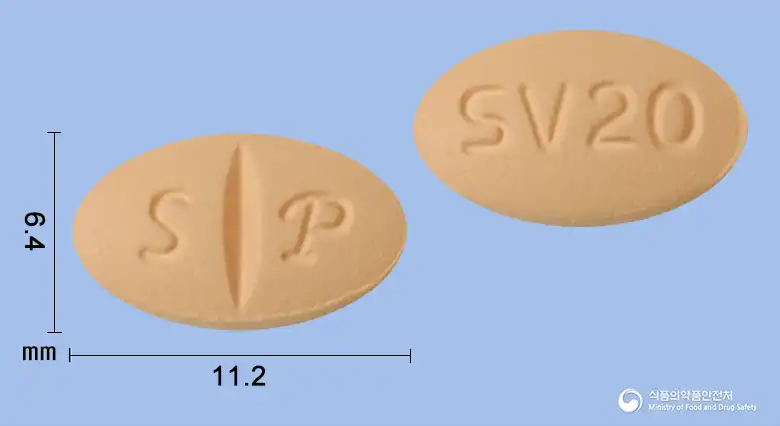 Viewing now
Simvastatin Tablet 20 Milligrams (Simvastatin)
Simvastatin 20mg
Tablet · Prescription medication
Shinpoong Pharmaceutical Co., Ltd.
MFDS item code 200500072 · Notified 2005.09.13 · Insurance code 648502500
Improves hyperlipidemia (including familial hypercholesterolemia in children); prevents cardiovascular disease
This medication helps reduce the risk of cardiovascular diseases. It lowers the risk of cardiovascular-related deaths, myocardial infarction, and strokes in adults with a history of coronary heart disease, diabetes, peripheral vascular disease, or stroke. It also reduces risks after coronary and non-coronary vascular surgeries. For patients with hyperlipidemia, it helps to reduce total cholesterol, LDL cholesterol, apolipoprotein B, and triglyceride levels, while increasing good HDL cholesterol levels. Especially for pediatric patients with familial hypercholesterolemia, it is used in conjunction with dietary therapy to effectively manage cholesterol levels. This medication is very effective in treating cardiovascular diseases and hyperlipidemia.
Patients receiving this drug must follow a standard cholesterol-lowering diet before and during treatment. 1. Reduction of cardiovascular risk Adults at high risk of coronary heart disease events due to a history of coronary heart disease, diabetes, peripheral vascular disease, stroke, or other cerebrovascular disease The recommended initial dose is simvastatin 40 mg once daily. 2. Hyperlipidemia 1) Reduction of risk in patients with hypercholesterolemia and coronary heart disease, and hyperlipidemia The usual recommended initial dose is 20 mg of this drug once daily in the evening. Patients with mild to moderate hypercholesterolemia may start with 10 mg of this drug. A dose of 5 ~ 40 mg of this drug once daily in the evening is recommended. Adjust the dose appropriately according to the initial LDL cholesterol level before starting treatment, the treatment goal, and the patient's response to the drug. Measure cholesterol levels 4 weeks after starting treatment and periodically thereafter to adjust the dose. Reduce the dose if cholesterol levels fall below the target level. Because of the increased risk of myopathy, including rhabdomyolysis, particularly during the first year of treatment, the 80 mg dose of this drug should be used only in patients who have taken 80 mg of this drug for 12 months or longer without evidence of muscle toxicity (see 1. Warnings under Precautions for Use). 2) See below for recommended doses in patients receiving this drug in combination with fibrates (excluding gemfibrozil and fenofibrate), amiodarone, verapamil, diltiazem, or amlodipine, and in specific patient groups (i.e., patients with homozygous familial hypercholesterolemia, older adults, and patients with renal impairment) (see 6. Interactions under Precautions for Use). (1) Administration to patients with homozygous familial hypercholesterolemia Based on controlled clinical trial results, patients with homozygous familial hypercholesterolemia should take 40 mg of this drug once daily in the evening. Administer this drug in combination with other lipid-lowering treatments (e.g., LDL apheresis) or when other lipid-lowering treatments are not available. (2) In older adults, a daily dose of 20 mg of this drug may achieve the maximum reduction in cholesterol levels. (3) Administration to patients receiving verapamil, diltiazem, or dronedarone When this drug is coadministered to patients receiving verapamil, diltiazem, or dronedarone, the dose of this drug must not exceed 10 mg daily. (4) Administration to patients receiving amiodarone, amlodipine, or ranolazine When this drug is coadministered to patients receiving amiodarone, amlodipine, or ranolazine, the dose of this drug must not exceed 20 mg daily. (5) Coadministration with other lipid-lowering drugs This drug is effective when administered alone or in combination with a bile acid sequestrant. When this drug is coadministered with a fibrate (excluding gemfibrozil (see 2. Do not administer to the following patients under Precautions for Use) and fenofibrate), the dose of this drug must not exceed 10 mg daily. (6) Administration to patients with renal impairment As this drug is not substantially excreted by the kidneys, no dose adjustment is necessary for patients with mild to moderate renal impairment. For patients with severe renal impairment, however, initiate treatment at 5 mg once daily and monitor carefully.
Pediatric patients aged 10 ~ 17 years with heterozygous familial hypercholesterolemia: The recommended initial dose is 10 mg of this drug once daily in the evening. The recommended dose range is 10 ~ 40 mg daily; the recommended maximum dose is 40 mg daily.
This medication primarily acts in the liver to lower blood cholesterol levels and is particularly used in the treatment of hyperlipidemia. Caution is required as muscle-related side effects such as myopathy or rhabdomyolysis may occur when taking this medication. Especially when taking high doses of this medication, the risk of muscle problems may increase, and concomitant use of other medications may heighten this risk due to interactions. Patients with liver function issues or a history of liver disease should avoid taking this medication and should undergo regular liver function tests. Women who are pregnant or may become pregnant and breastfeeding mothers should not use this medication. This medication increases the risk of myopathy when used in conjunction with certain drugs, so if other medications are being taken, patients must inform their doctor or pharmacist. Elderly patients, those with reduced kidney function, and patients with hypothyroidism should be particularly cautious when using this medication, and if symptoms arise, they should consult a healthcare professional immediately. If muscle pain, weakness, or soreness occurs while taking this medication, inform a doctor immediately, and it may be necessary to discontinue this medication. This medication may cause side effects such as liver dysfunction, digestive disturbances, headaches, upper respiratory infections, so if these symptoms persist, consult a healthcare provider. During the course of taking this medication, it is advisable to avoid specific foods or beverages such as grapefruit juice, and to strictly adhere to the cautions provided.
Not everyone experiences these, and they can vary from person to person.
This medication can be sensitive to air and moisture, so it should be stored in a tightly sealed container. It is recommended to maintain storage temperatures between 1 to 30 degrees Celsius at room temperature. Proper storage can help maintain the medication's effectiveness for a longer time.
Brownish-yellow oval film-coated tablets
30 tablets/per bottle, 100 tablets/per bottle
Even with the same ingredient, strength, dosage form and how it is taken can differ.
Viewing nowSimvastatin 20mg
Tablet · Prescription medication
Shinpoong Pharmaceutical Co., Ltd.
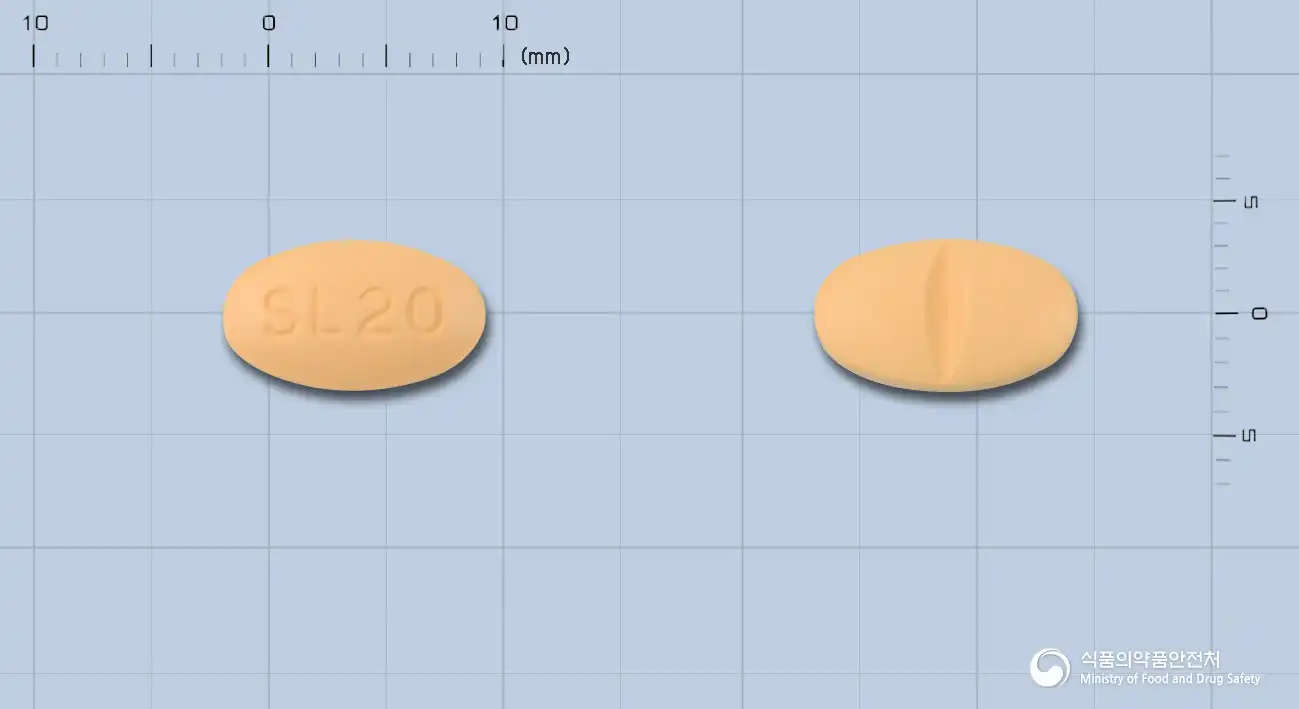
Simvastatin 20mg
Tablet · Prescription medication
Jongkundang Pharmaceutical Co., Ltd.
Simvastatin 20mg
Tablet · Prescription medication
Dong-A ST Co., Ltd.
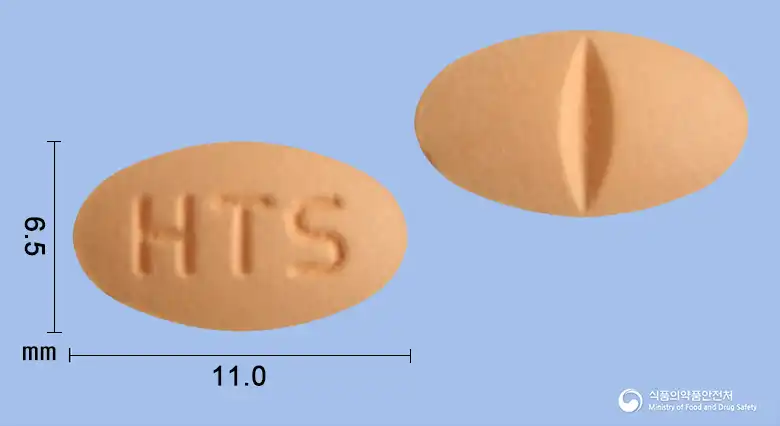
Simvastatin 20mg
Tablet · Prescription medication
Korea Hutech Pharmaceutical Co., Ltd.
Simvastatin 20mg
Tablet · Prescription medication
Yuhan Corporation
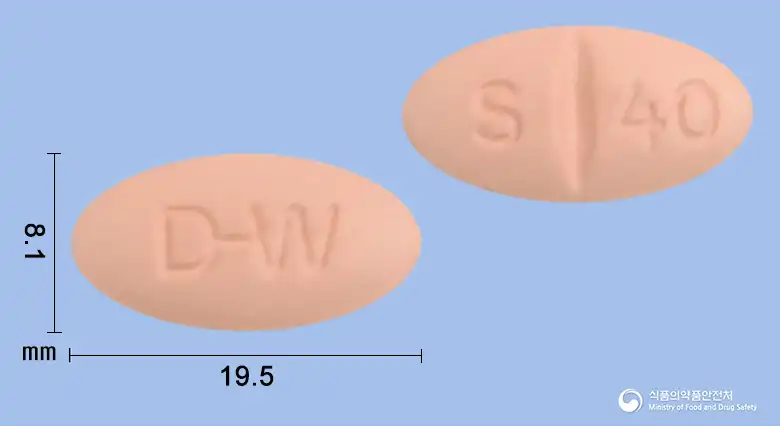
Simvastatin 40mg
Tablet · Prescription medication
Dongwha Pharmaceutical Co., Ltd.
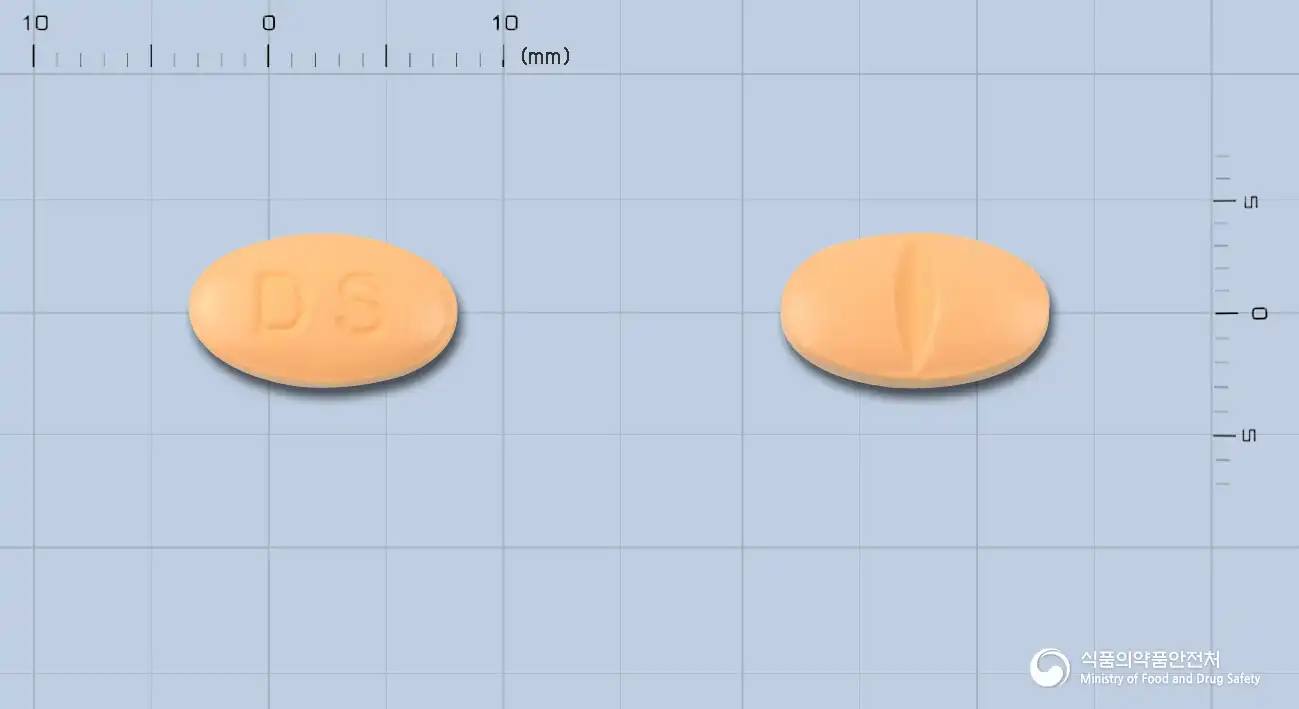
Simvastatin 20mg
Tablet · Prescription medication
Dongsung Pharmaceutical Co., Ltd.
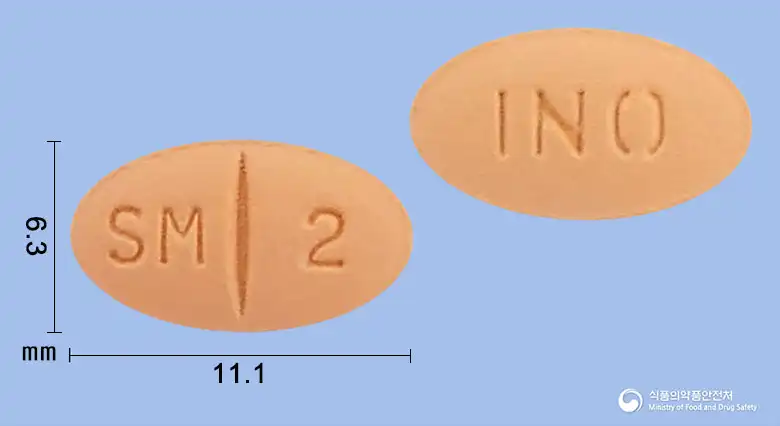
Simvastatin 20mg
Tablet · Prescription medication
HK inno.N Co., Ltd.
Even with the same ingredient, the dose and directions can differ by strength and dosage form. Talk to a doctor or pharmacist before switching from a medication you are already taking.
No questions yet.
For anything that needs medical judgment, consult a doctor or pharmacist.
This drug information is based on data provided by the Korea Ministry of Food and Drug Safety.
Consult a doctor or pharmacist for accurate dosage, administration, and usage instructions.