
 한국어
한국어 English
 日本語
日本語 中文(简体)
 Viewing now
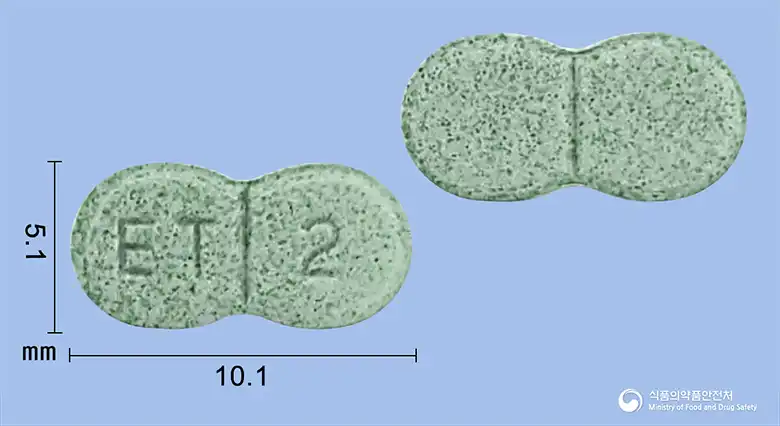
Amaria Tablet (Glimepiride)
Glimepiride 2mg
Tablet · Prescription medication
TerraGen Etex Co., Ltd.
MFDS item code 200411065 · Notified 2004.09.30 · Insurance code 698500250
Improvement of blood sugar control in type 2 diabetes
This medication is used to help control blood sugar levels in patients with type 2 diabetes. It plays a supportive role in conjunction with dietary and exercise therapy and can be administered alone. However, if blood sugar control is insufficient with oral hypoglycemic agents, it may be used in combination with insulin. Furthermore, in cases where blood sugar control is difficult with sulfonylureas or monotherapy with metformin, it may also be used together with metformin. Thus, the dosage can be flexibly adjusted based on the patient's blood sugar control status to expect optimal therapeutic effects. Overall, this medication improves blood sugar control in patients with type 2 diabetes.
Individual dosage adjustments for each patient. Take without chewing, with more than 1/2 cup of water. This medication is taken orally once a day. It should be taken just before the first meal of the day. Patients who have never received medication before should begin with 1 mg of glimepiride once daily and may increase the dosage by 1 mg as needed at intervals of 1 to 2 weeks. Generally, when dosages exceed 4 mg, additional effects are rare.
This medication should not be used in patients with insulin-dependent diabetes, diabetic ketoacidosis, or those in coma. Patients with allergies to this medication or its components, or to sulfonylureas, should also refrain from its use. Patients with severely impaired liver or kidney function should not use this medication, and transitioning to insulin therapy is recommended. Women who are pregnant or may become pregnant, as well as nursing mothers, should not take this medication. Patients with severe infections, or those undergoing surgery, or with severe trauma, should also be treated with insulin for safety. Patients who experience diarrhea or vomiting affecting food absorption should be cautious as this medication may pose a risk of hypoglycemia. During the first week of starting this medication, the risk of hypoglycemia is high, so blood sugar should be checked frequently. Particularly, elderly patients, those with poor nutritional status or irregular eating patterns, situations where muscle activity and carbohydrate intake are not balanced, and changes in eating patterns require additional caution. Patients who frequently consume alcohol or have impaired kidney and liver function are also at higher risk for hypoglycemia and should be cautious. Patients who have overdosed on this medication or have endocrine diseases such as thyroid, pituitary, or adrenal dysfunction should be aware of hypoglycemia. Additionally, patients taking specific medications like beta-blockers or those with autonomic neuropathy may not exhibit typical hypoglycemic symptoms and should be more watchful. This medication lowers blood sugar, so hypoglycemia may occur. Symptoms of hypoglycemia may include headache, severe hunger, nausea, fatigue, anxiety, confusion, dizziness, drowsiness, and loss of consciousness. Hypoglycemia is usually quickly reversed by consuming foods or drinks containing sugar. Also, during the initial period of taking this medication, visual blurriness may occur, as well as gastrointestinal disturbances like nausea, vomiting, abdominal pain, and diarrhea. Liver dysfunction, blood abnormalities, and allergic reactions may also occur rarely, so any unusual symptoms should be discussed with a doctor immediately. This medication should be taken regularly, and optimal blood sugar control can only be achieved by combining it with dietary and exercise therapy. Because of the risk of hypoglycemia, always carry sugars and consume them immediately if symptoms appear. In special situations such as stress, surgery, or infection, blood sugar control may become more difficult, so consult with a physician to adjust the treatment method. When taken with other medications, they may affect blood sugar control, so inform your doctor or pharmacist of all medications you are taking. Particularly, caution is needed for potential interactions with certain antibiotics, anticoagulants, steroids, and beta-blockers. Women who are pregnant or breastfeeding should not use this medication, and transitioning to insulin therapy is considered safer if needed. Elderly patients may have reduced kidney function, so dosage should be adjusted and used carefully. Overdose may lead to severe hypoglycemia, so visit a medical institution immediately for appropriate treatment. This medication must be stored out of reach of children and should be kept in the original container for safety.
Not everyone experiences these, and they can vary from person to person.
This medication should be stored in a tightly sealed container to protect it from air and moisture. It is also best to keep the medication at room temperature between 1°C and 30°C. Avoid places that are too hot or too cold, and keep it in a cool place away from direct sunlight.
Green rectangular tablet
30 tablets/bottle, 300 tablets/bottle
Even with the same ingredient, strength, dosage form and how it is taken can differ.
Viewing nowGlimepiride 2mg
Tablet · Prescription medication
TerraGen Etex Co., Ltd.
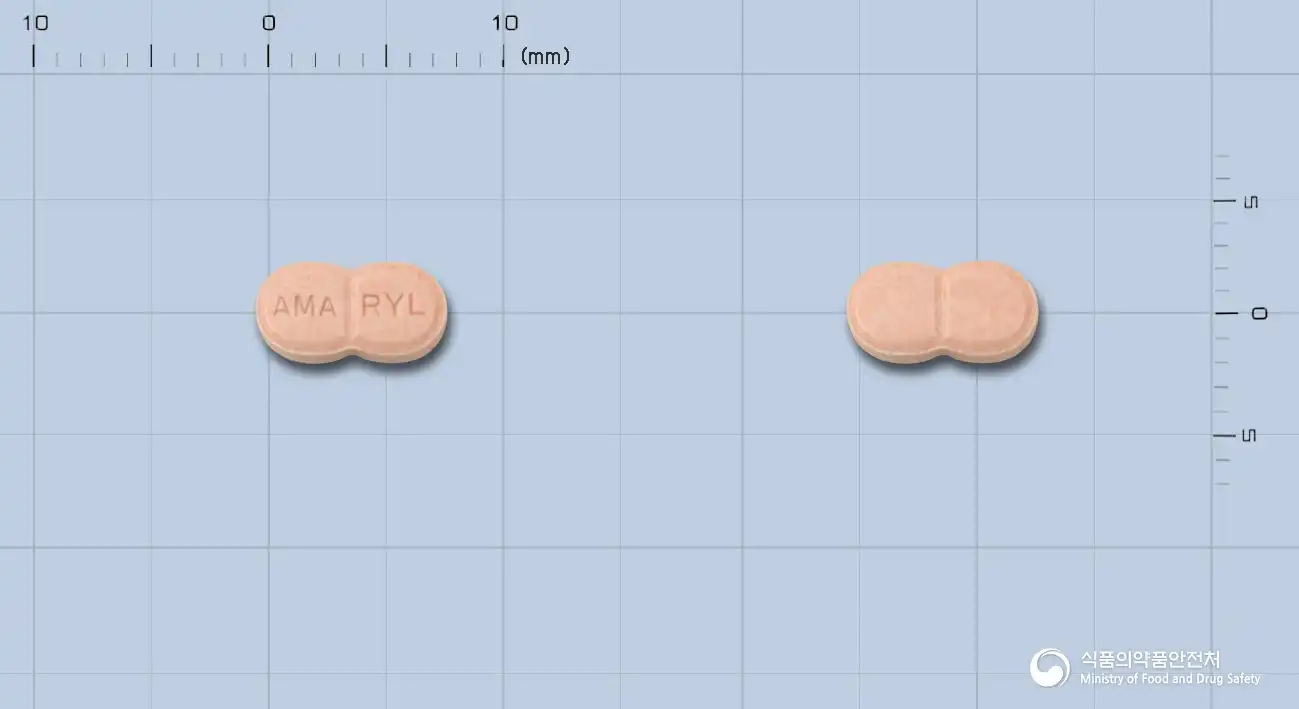
Glimepiride 1mg
Tablet · Prescription medication
Handok Co., Ltd.
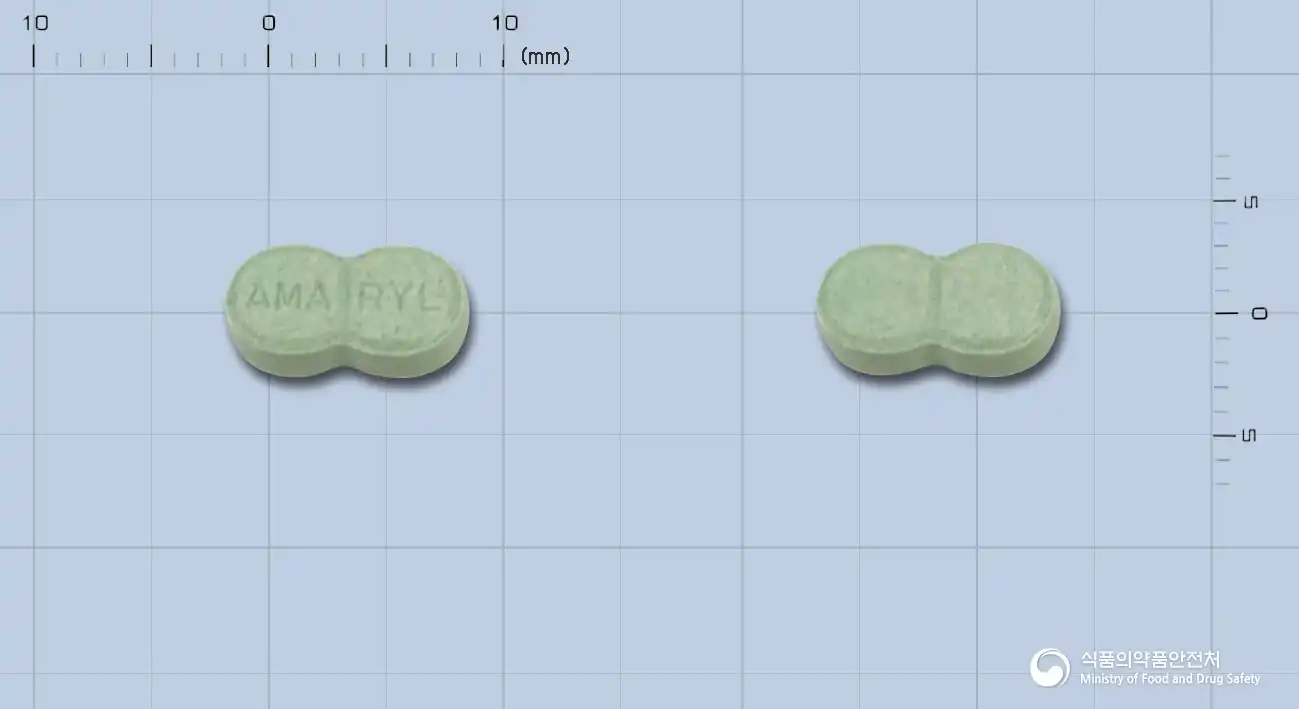
Glimepiride 2mg
Tablet · Prescription medication
Handok Co., Ltd.
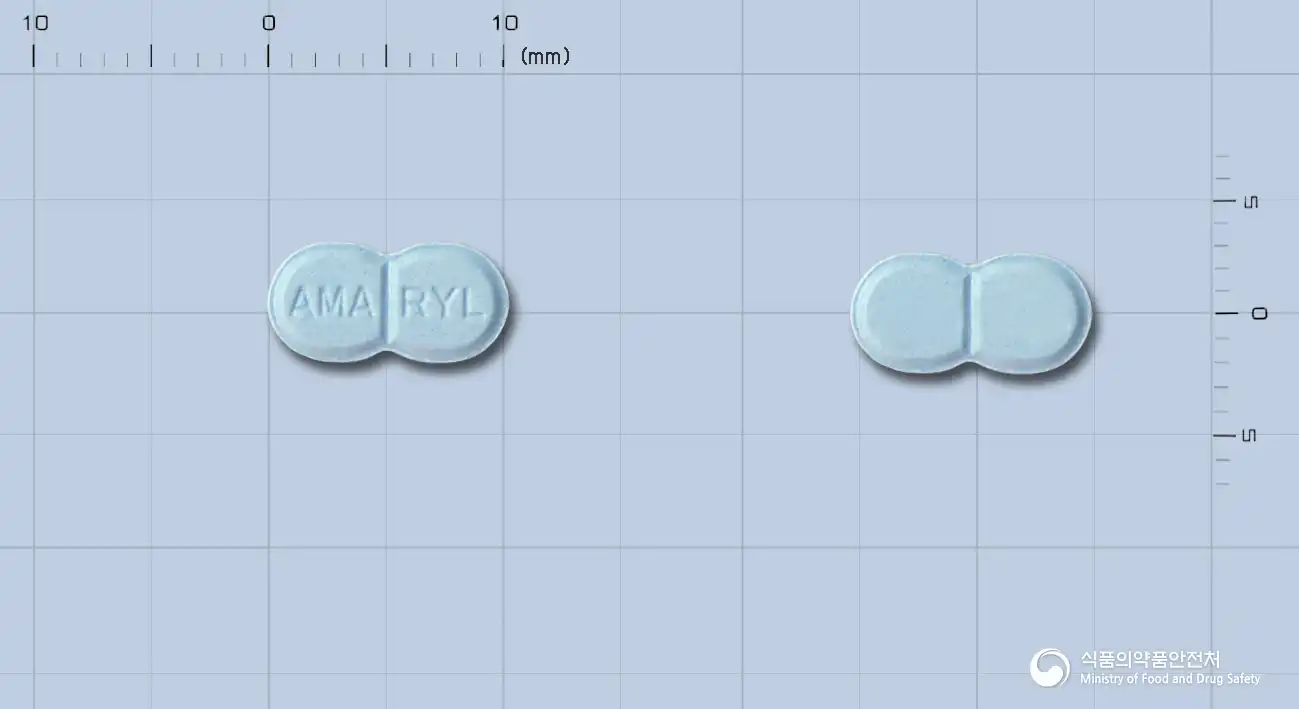
Glimepiride 4mg
Tablet · Prescription medication
(Hanmi Pharmaceutical Co., Ltd.)
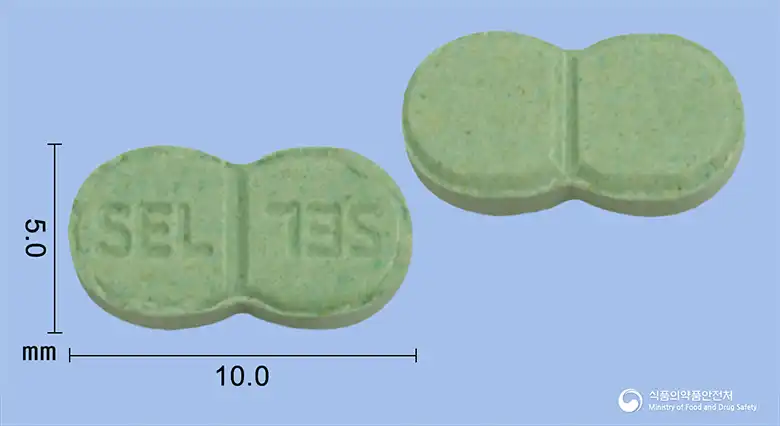
Glimepiride 2mg
Tablet · Prescription medication
Seoul Pharmaceutical Co., Ltd.
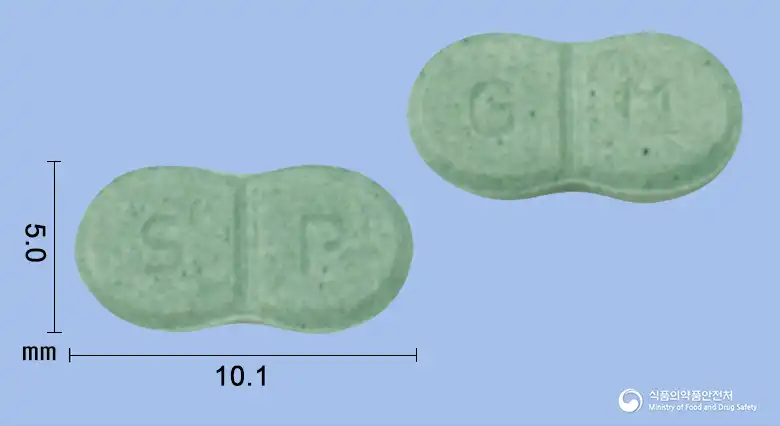
Glimepiride 2mg
Tablet · Prescription medication
Shinpoong Pharmaceutical Co., Ltd.
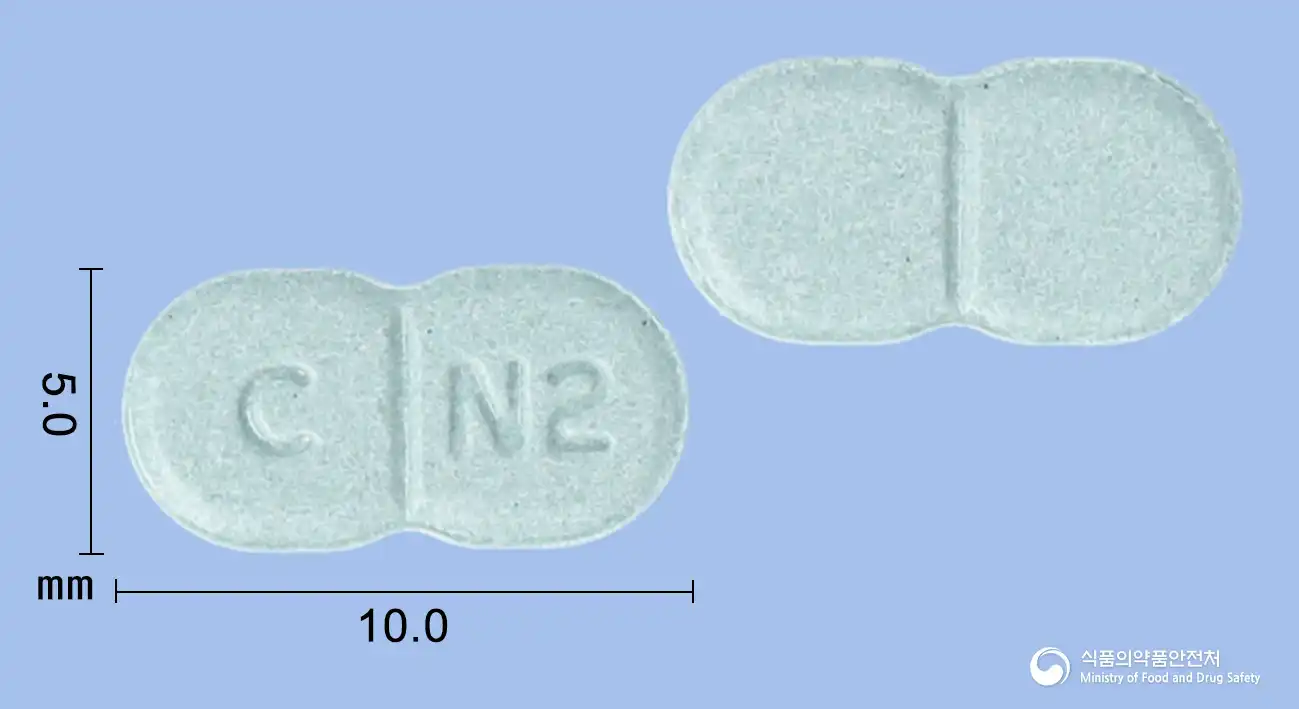
Glimepiride 2mg
Tablet · Prescription medication
Jongkundang Co., Ltd.
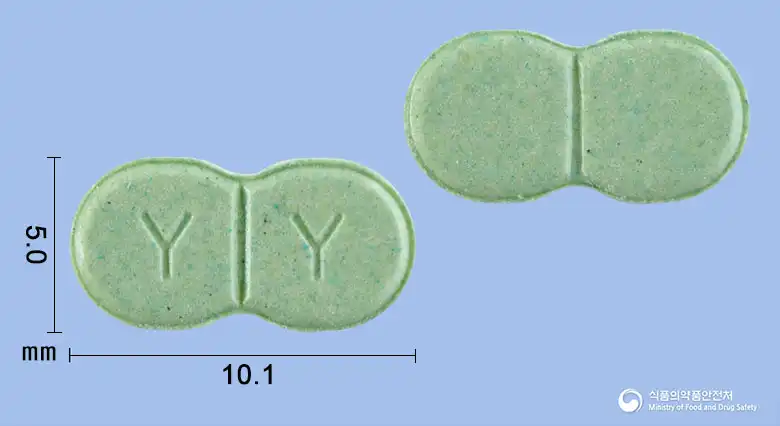
Glimepiride 2mg
Tablet · Prescription medication
IYun Pharmaceuticals Co., Ltd.
Even with the same ingredient, the dose and directions can differ by strength and dosage form. Talk to a doctor or pharmacist before switching from a medication you are already taking.
No questions yet.
For anything that needs medical judgment, consult a doctor or pharmacist.
This drug information is based on data provided by the Korea Ministry of Food and Drug Safety.
Consult a doctor or pharmacist for accurate dosage, administration, and usage instructions.