
 한국어
한국어 English
 日本語
日本語 中文(简体)
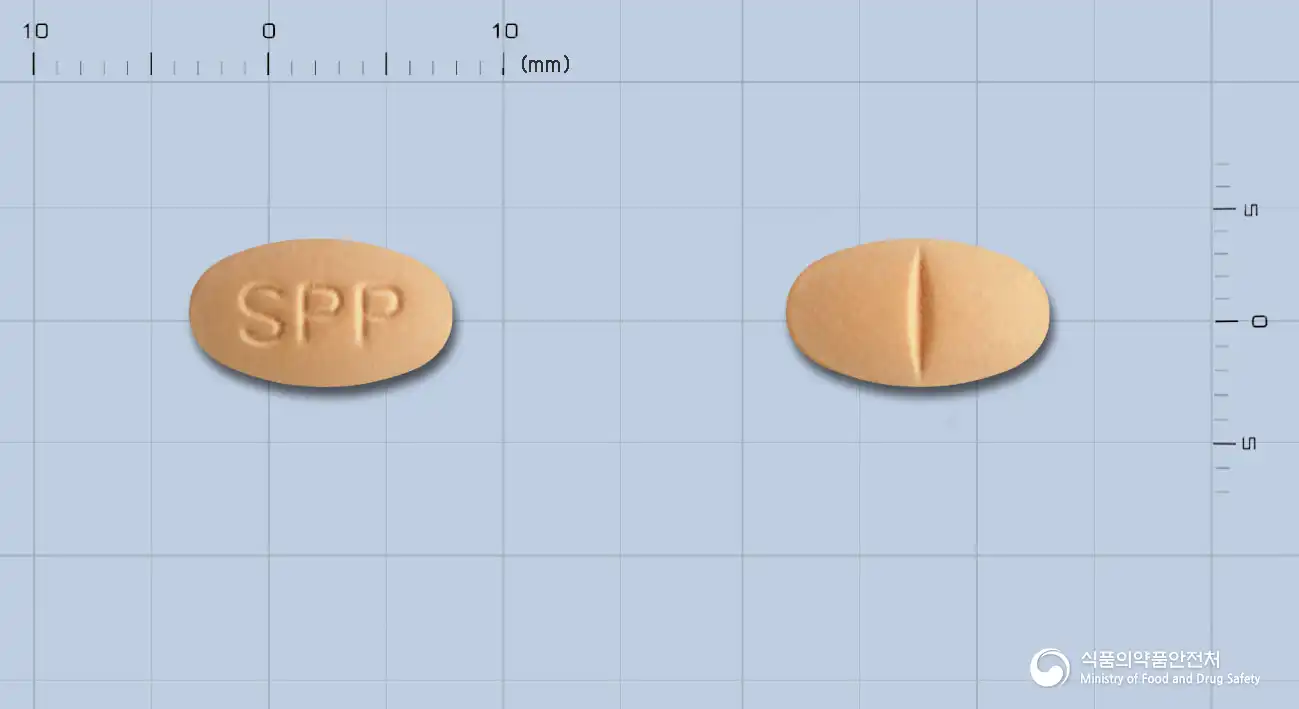 Viewing now
Simvastan Tablets (Simvastatin)
Simvastatin 20mg
Tablet · Prescription medication
SPC Co., Ltd.
MFDS item code 200411015 · Notified 2004.06.17 · Insurance code 669700130
Reduction of cardiovascular disease risk and improvement of hyperlipidemia
This medication is used to reduce the risk of cardiovascular disease. Specifically, it reduces the risk of death from heart disease and non-fatal myocardial infarction and stroke in adult patients with a history of vascular diseases, such as coronary heart disease, diabetes, peripheral vascular disease, and stroke. It also plays a role in reducing the risk of coronary and non-coronary vascular interventions. In the treatment of hyperlipidemia, it lowers total cholesterol, LDL cholesterol, apolipoprotein B, and triglyceride levels in patients with primary and mixed dyslipidemia, while raising HDL cholesterol levels. This medication is also used as an adjunct to diet in pediatric patients with heterozygous familial hypercholesterolemia to help decrease LDL cholesterol levels. Therefore, this medication is effectively used for the prevention of cardiovascular diseases and the treatment of hyperlipidemia.
The recommended starting dose for adult patients is 40 mg once daily. For hyperlipidemia, 5 to 40 mg should be taken once daily in the evening. The general starting dose is 20 mg, while patients with mild to moderate hypercholesterolemia may start with 10 mg. Dose adjustments may be necessary for specific patient populations, such as those taking verapamil, diltiazem, or dronedarone, where the dose should not exceed 10 mg per day.
For pediatric patients (10 to 17 years) with heterozygous familial hypercholesterolemia, the recommended starting dose is 10 mg taken once daily in the evening, with a dosage range of 10 to 40 mg per day and a maximum recommended dose of 40 mg.
This medication carries a risk of causing muscle abnormalities. This risk is higher, especially when taken in high doses. Therefore, if symptoms of muscle pain or weakness occur, it is important to inform your doctor immediately. This medication should not be taken by certain patients. For example, individuals who are allergic to this medication or its components, or those with liver disease, pregnant or nursing women, and those who are taking certain other medications should not use it. Patients with impaired liver function or those who consume alcohol excessively, patients with renal impairment, hypothyroid patients, elderly individuals, and women should use this medication with caution. While taking this medication, symptoms such as indigestion, headaches, constipation, and nausea may occur, and rarely, serious muscle problems or liver function abnormalities can develop. This medication may interact with various drugs, so if you are taking other medications, be sure to inform your doctor or pharmacist. Adjustments in dosage may be necessary, especially when used in conjunction with certain antibiotics, antifungals, immunosuppressants, or calcium channel blockers. Women who are pregnant or may become pregnant should not take this medication, and if pregnancy is confirmed during treatment, the medication should be discontinued immediately and a doctor should be consulted. Nursing mothers should also stop breastfeeding while taking this medication. This medication is not to be used in children or individuals under 10 years of age. Elderly patients may experience similar effects to younger individuals; however, the risk of side effects such as muscle abnormalities may be higher, so caution is needed. It is recommended to have regular liver function tests before and during the use of this medication, and to consult a doctor immediately if any unusual symptoms occur. In case of overdose, standard emergency measures should be taken, and the medication should be stored in its original container, out of the reach of children.
Hives, severe swelling, chest tightness, difficulty breathing, cold sweat, pallor, severe rash with fever, blisters, peeling skin, pain in mucous membranes of the mouth/eyes, shortness of breath or difficulty breathing, asthma attack, cough and fever with respiratory abnormalities, jaundice (yellowing of the skin or eyes), extreme drowsiness, sudden and severe headaches, lightning headaches, seizures, confusion, visual disturbances, paralysis, reduced urine output.
Not everyone experiences these, and they can vary from person to person.
This medication should be stored in a tightly closed container to protect it from air and moisture. It is best to maintain the storage temperature between 1°C and 30°C at room temperature.
Yellowish-brown elliptical film-coated tablet
30 tablets/bottle, 100 tablets/bottle
Even with the same ingredient, strength, dosage form and how it is taken can differ.
Viewing nowSimvastatin 20mg
Tablet · Prescription medication
SPC Co., Ltd.
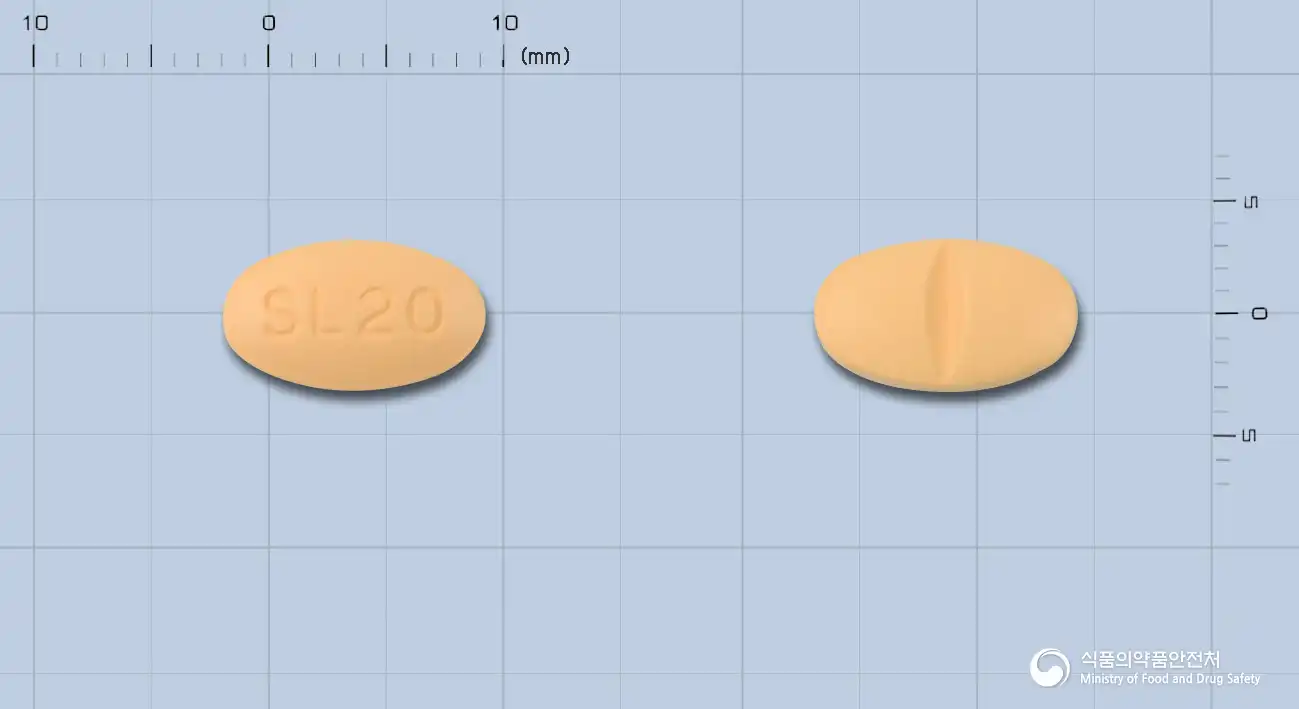
Simvastatin 20mg
Tablet · Prescription medication
Jongkundang Pharmaceutical Co., Ltd.
Simvastatin 20mg
Tablet · Prescription medication
Dong-A ST Co., Ltd.

Simvastatin 20mg
Tablet · Prescription medication
Korea Hutech Pharmaceutical Co., Ltd.
Simvastatin 20mg
Tablet · Prescription medication
Yuhan Corporation
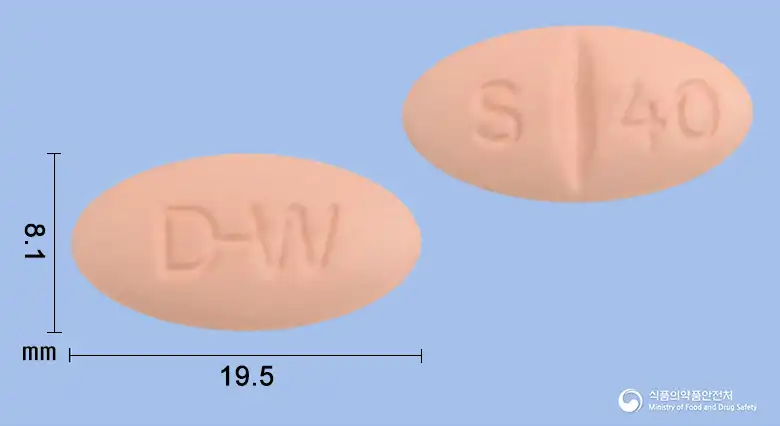
Simvastatin 40mg
Tablet · Prescription medication
Dongwha Pharmaceutical Co., Ltd.
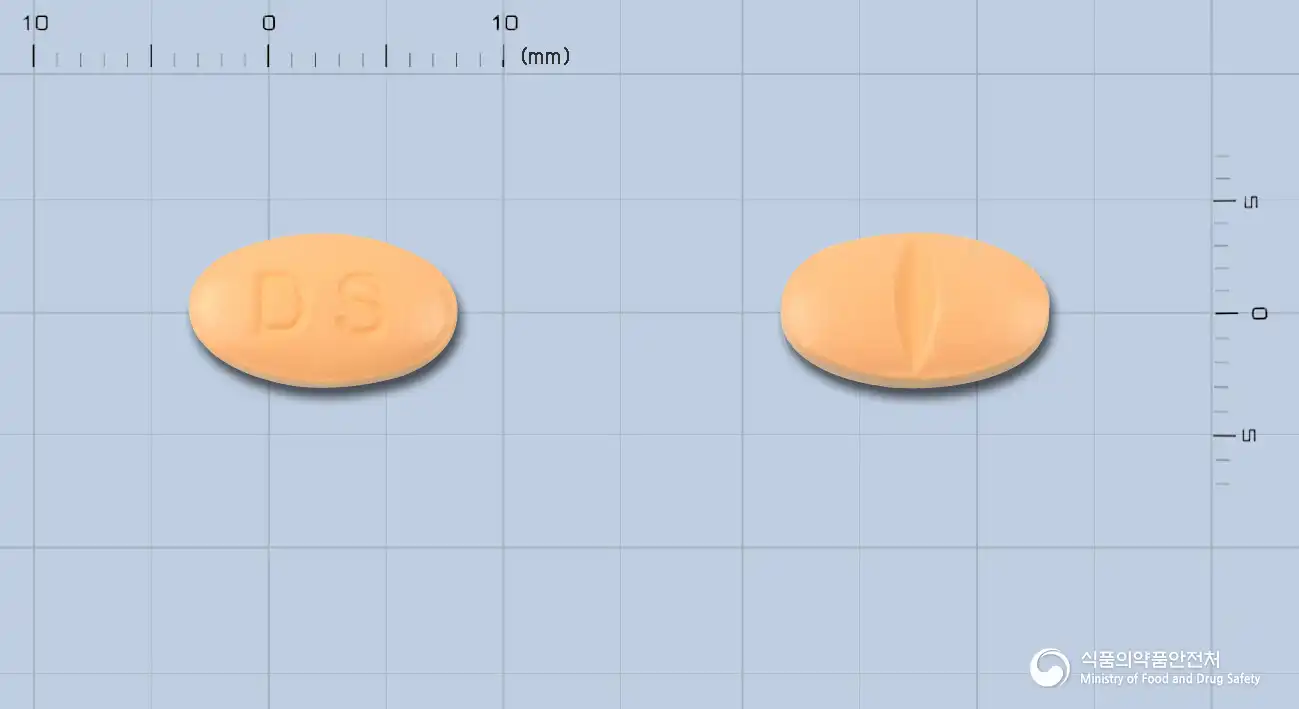
Simvastatin 20mg
Tablet · Prescription medication
Dongsung Pharmaceutical Co., Ltd.
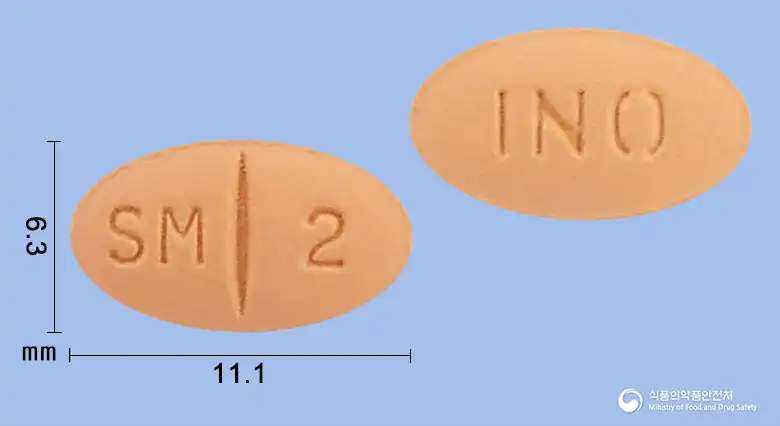
Simvastatin 20mg
Tablet · Prescription medication
HK inno.N Co., Ltd.
Even with the same ingredient, the dose and directions can differ by strength and dosage form. Talk to a doctor or pharmacist before switching from a medication you are already taking.
No questions yet.
For anything that needs medical judgment, consult a doctor or pharmacist.
This drug information is based on data provided by the Korea Ministry of Food and Drug Safety.
Consult a doctor or pharmacist for accurate dosage, administration, and usage instructions.