
 한국어
 English
 日本語
 中文(简体)
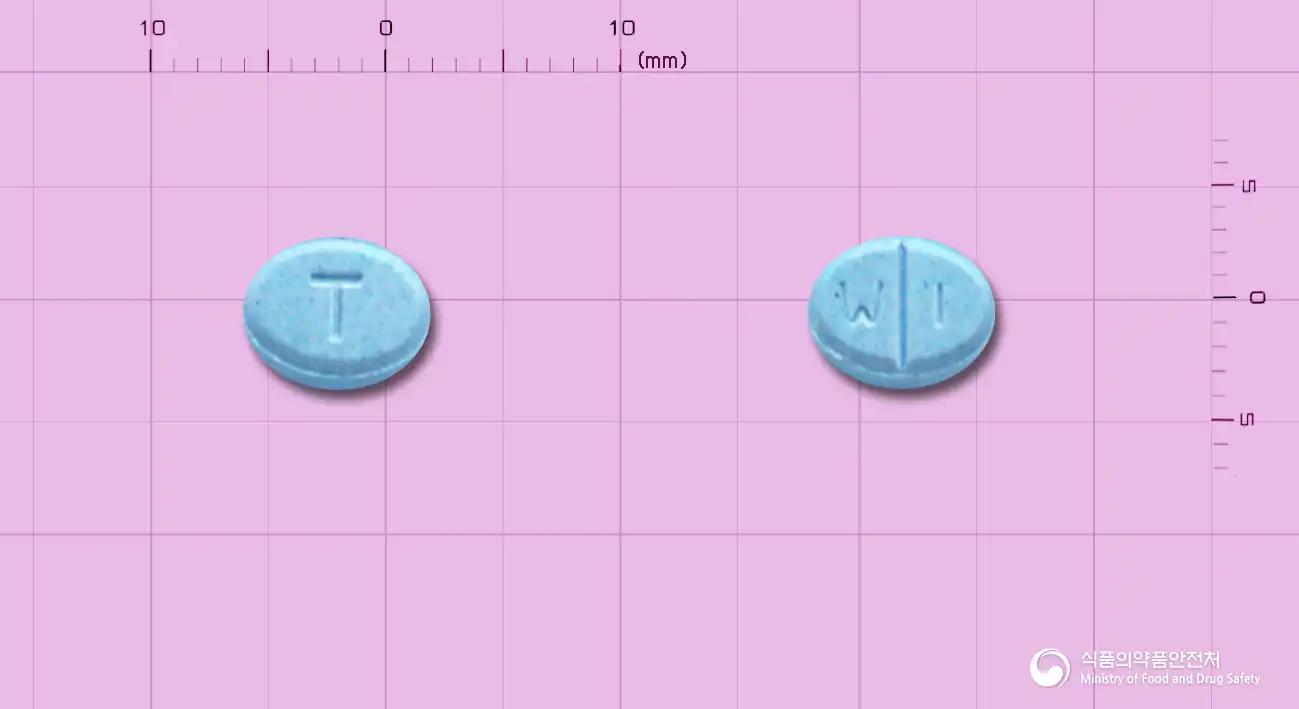
Dosage form image
Viewing nowHalcion 0.25 Milligrams (Triazolam)
Triazolam 0.25mg
Tablet · Prescription medication
Pfizer Pharmaceuticals Korea Co., Ltd.
MFDS item code 200410868 · Approved 2006.09.21
This product's status changed to Expired on 2023.10.01. It may no longer be sold, so consult a doctor or pharmacist before taking it.
Short-term treatment of insomnia
This medication is primarily used for the short-term treatment of insomnia. It helps improve sleep problems such as difficulty falling asleep or waking up frequently, aiding in the restoration of normal sleep patterns. Therefore, it is effectively used when experiencing temporary sleep disturbances.
This medication should be administered for a short period (usually 7-10 days), and the treatment period should not exceed 2-3 weeks. To achieve the greatest benefit and avoid serious adverse effects, the dose should be individualized, and the minimum effective dose should be used. Take care not to increase the prescribed dose. If the dose must be increased because there is no response at a low dose, adverse reactions may be dose-dependent; therefore, administer cautiously while monitoring the patient closely. 1. Adults: Depending on the patient, administer 0.125-0.25 mg of triazolam orally at bedtime. As adverse reactions increase in a dose-dependent manner, doses exceeding 0.25 mg are not recommended. 2. Elderly and debilitated patients: Administer 0.125 mg of triazolam as the initial dose. If there is no response to the low dose, 0.25 mg may be administered, but do not exceed 0.25 mg. 3. Discontinuation or dose reduction The risk of dependence may increase with the dose and duration of treatment. Therefore, administer the lowest appropriate dose for the shortest possible period and frequently reassess the need for continued treatment. Sudden discontinuation or rapid dose reduction after continued use of this medication may cause withdrawal reactions that can be life-threatening. To reduce the risk of withdrawal reactions, discontinue this medication or reduce the dose gradually (see “1. Warnings” under Precautions for Use). If withdrawal reactions occur, consider temporarily pausing the dose reduction or increasing the dose to the previous dose. Thereafter, reduce the dose more slowly.
This medication is a sleep aid; however, it may cause you to be in a state of unawareness after taking it, making it dangerous to drive or perform other complex activities, which you may not remember afterwards. Caution is necessary when taken with alcohol or other central nervous system depressants, as the risks may be increased. Additionally, there is a rare risk of severe allergic reactions, respiratory difficulties, and angioedema, so if such symptoms occur, you should discontinue use immediately. This drug impacts the central nervous system and may lead to increased anxiety during the day or unusual behaviors, hallucinations, suicidal thoughts, etc.; if such symptoms occur, consult your doctor. Drowsiness or dizziness may occur while taking this drug, so avoid driving or operating machinery until these symptoms have resolved. Particularly, elderly patients are at greater risk of side effects, so starting with a lower dose is recommended. There is a risk of severe sedation or respiratory depression when taken with opioids; therefore, extreme caution is necessary when coadministering. Withdrawal symptoms may occur with prolonged or excessive use, so avoid sudden discontinuation of use, and reduce the dose gradually according to your doctor's instructions. This medication should not be used by pregnant women or women who could become pregnant, patients with acute angle-closure glaucoma, or individuals with drug or alcohol dependence. Special care is also needed for patients with impaired liver or kidney function, elderly individuals, and frail patients. Avoid consuming alcohol while taking this medication, and you must inform your doctor about any other medications you are currently taking due to potential interactions. This medication is not used in children as its safety and efficacy have not been established. In cases of overdose, respiratory depression and coma may occur, requiring immediate treatment. Lastly, this medication must be stored out of reach of children and safely kept in its original container.
Sleep driving, complex behaviors (food preparation, eating, talking on the phone, sexual intercourse), severe anaphylaxis, angioedema (tongue, vocal cords, larynx), respiratory distress, throat closure, nausea, vomiting, increased anxiety during the day, excessive aggression, extroversion, decreased self-control, unusual behavior, restlessness, hallucinations, depersonalization, worsened depression, drowsiness, dizziness, ataxia, coordination disorders, anterograde amnesia, sedation, increased risk of falls, sedation, respiratory depression, coma, death, withdrawal symptoms (convulsions, tremors, abdominal and muscle cramps, vomiting, sweating, malaise, sensory disturbances, insomnia), hypersomnia, tachycardia, fatigue, confusion, amnesia, convulsions, pain, depression, visual disturbances (neglect, pupil dilation, asthenopia, photophobia), headache, heaviness in the head, transient amnesia, constipation, taste disturbances, diarrhea, thirst, dermatitis, allergies, dreams, nightmares, insomnia, tinnitus, sensory disturbances, weakness, congestion, stupor, anxiety, restlessness, coordination ataxia, malaise, chest discomfort, subcutaneous bleeding, palpitations, chest tightness, increased blood pressure, decreased blood pressure, lethargy, tongue twisting, increased ALT, increased AST, increased γ-GTP, increased ALP, amnesia, confusional state, state of agitation, muscle tone disorders, loss of appetite, sedation, speech disorders, jaundice, itching, changes in libido, menstrual irregularities, incontinence, urinary retention, irritation, agitation, increased muscle cramps, sleep disturbances, hallucinations, aggression, falls, syncope, sleepwalking, delusions, unusual behavior, chest burning, heat in the stomach, gastritis, vasomotor angioedema, anaphylactic-like reaction, allergic edema, anaphylactic shock, drug abuse, drug dependence, drug withdrawal syndrome, delirium, confusion, asthenia
Not everyone experiences these, and they can vary from person to person.
This medication should be stored in a tightly closed container, as it may be degraded by air or light. A cool place between 20 and 25 degrees Celsius is suitable for storage, avoiding direct sunlight.
Light blue oval tablets
100 tablets (10 tablets/blister X 10)
Even with the same ingredient, strength, dosage form and how it is taken can differ.
Triazolam 0.25mg
Tablet · Prescription medication
Pfizer Pharmaceuticals Korea Co., Ltd.
Triazolam 0.25mg
Tablet · Prescription medication
Hwain Pharmaceutical Co., Ltd.
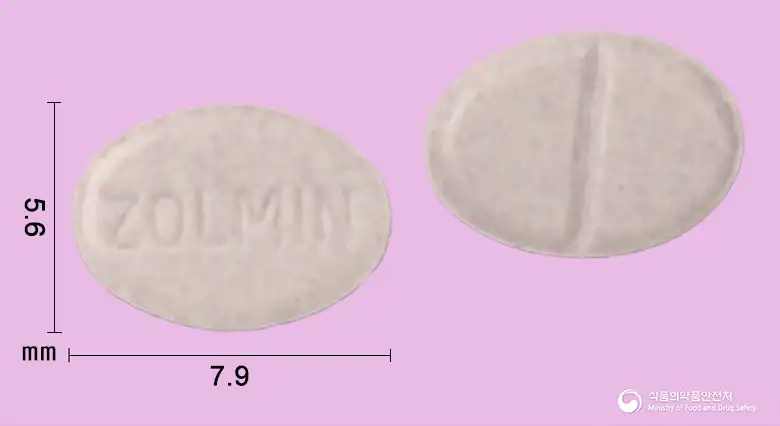
Triazolam 0.125mg
Tablet · Prescription medication
Myungjin Pharmaceutical Co., Ltd.

Triazolam 0.25mg
Tablet · Prescription medication
Myungin Pharmaceutical Co., Ltd.
Triazolam 0.125mg
Tablet · Prescription medication
Pfizer Korea Co., Ltd.
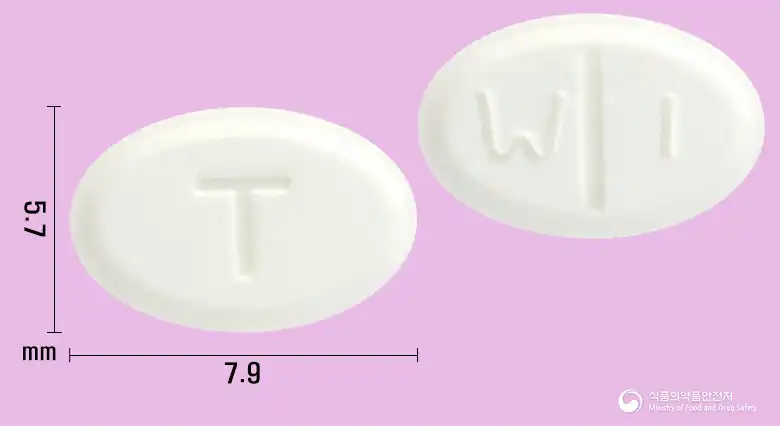
Triazolam 0.125mg
Tablet · Prescription medication
Hanin Pharmaceutical Co., Ltd.
Even with the same ingredient, the dose and directions can differ by strength and dosage form. Talk to a doctor or pharmacist before switching from a medication you are already taking.
No questions yet.
For anything that needs medical judgment, consult a doctor or pharmacist.
This drug information is based on data provided by the Korea Ministry of Food and Drug Safety.
Consult a doctor or pharmacist for accurate dosage, administration, and usage instructions.