
 한국어
한국어 English
 日本語
日本語 中文(简体)
 Viewing now
Provera Tablets 5mg (Medroxyprogesterone Acetate)
Medroxyprogesterone Acetate 5mg
Tablet · Prescription medication
Korea Pfizer, Inc.
MFDS item code 200409933 · Notified 2006.09.01 · Insurance code 648901220
Improvement of gynecological diseases such as secondary amenorrhea and functional uterine bleeding
This medication is used for treating secondary amenorrhea and functional uterine bleeding caused by hormonal imbalance in the absence of pathologies such as uterine fibroids or cancer. It is also used as a combination therapy with estrogen in postmenopausal women who have not undergone hysterectomy. This efficacy effectively improves women's health issues.
1. Secondary amenorrhea: Administer 5 to 10 mg per day of Medroxyprogesterone Acetate orally for 5 to 10 days. For endometrial transition stimulated by endogenous or exogenous estrogen, administer 10 mg per day for 10 days. 2. Functional uterine bleeding: Administer 5 to 10 mg per day starting from the 16th or 21st day of the menstrual cycle for 5 to 10 days. For endometrial transition during the menstrual cycle
This medication should not be used within the first 4 months of pregnancy, as using it during early pregnancy may risk fetal genital abnormalities or delay miscarriage. Exposure to this medication during pregnancy may pose potential risks to the fetus, so women who are pregnant or may become pregnant should not take this medication. This medication may cause a decrease in bone density, so it is recommended to intake sufficient calcium and vitamin D and get bone density checks, especially in long-term use cases. Use of this medication, including hormone therapy, in postmenopausal women aged 65 years and older may increase the risk of dementia. Long-term use of this medication, including hormone therapy, in postmenopausal women may increase the risk of ovarian cancer. Patients who have undergone surgery within the past week, or those with a history of cardiovascular diseases, thromboembolic disorders, liver diseases, breast cancer, etc., should not be administered this medication. Patients with risk factors for thrombosis or histories of hypertension, diabetes, liver disease, depression, etc., should be carefully monitored while using this medication. This medication can cause various side effects, such as breast pain, skin rash, thrombosis, depression, headaches, and gastrointestinal symptoms, so if any abnormal symptoms occur, consult a doctor immediately. A thorough investigation of individual and family medical history is needed before using this medication, and regular health check-ups and breast exams, as well as pelvic examinations, are recommended during treatment. After confirming pregnancy, discontinue this medication, and avoid pregnancy while taking it; if necessary, appropriate contraceptive methods should be used concurrently. This medication may interact with other drugs, so if you are taking other medications, be sure to inform your doctor or pharmacist. If breastfeeding, it is safe to discontinue breastfeeding as this medication can be transmitted through breast milk. The safety and efficacy of this medication have not been established in children under the age of 12, so it should not be used in that age group. Overdosing on this medication can lead to side effects similar to corticosteroids, so it is essential to adhere to prescribed dosages.
Hives, angioedema, anaphylaxis, anaphylaxis-like reactions, embolism and thrombosis (deep vein thrombosis, myocardial infarction, cerebral thrombosis, cerebral embolism, thrombophlebitis, pulmonary embolism, retinal venous thrombosis, mesenteric embolism), intracranial hemorrhage, congestive heart failure, jaundice, cholestatic jaundice, dyspnea, optic neuritis, serious allergic reactions, serious skin adverse reactions, respiratory issues, liver abnormalities (jaundice), serious neurological symptoms, severe
Not everyone experiences these, and they can vary from person to person.
This medication can be sensitive to air and humidity, so it should be stored in a tightly sealed container. It is also recommended to keep it at room temperature, avoiding extreme heat or cold.
Blue tablet
100 tablets (10 tablets/blister x 10)
Even with the same ingredient, strength, dosage form and how it is taken can differ.
Viewing nowMedroxyprogesterone Acetate 5mg
Tablet · Prescription medication
Korea Pfizer, Inc.
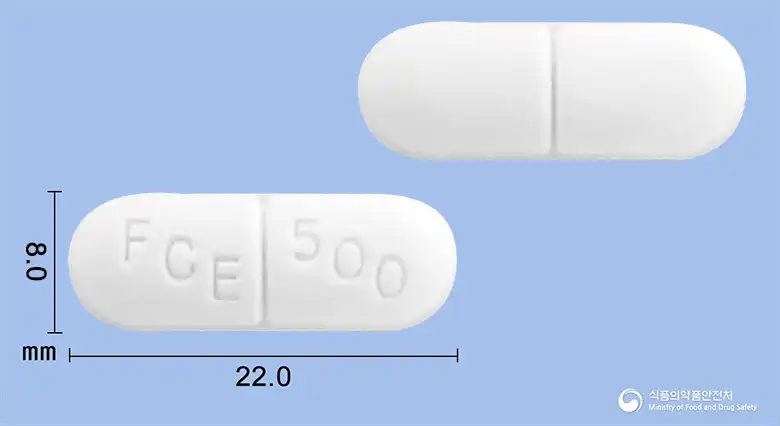
Medroxyprogesterone Acetate 500mg
Tablet · Prescription medication
Pfizer Korea Pharmaceuticals Ltd.

Medroxyprogesterone Acetate 10mg
Tablet · Prescription medication
Korea Pfizer, Inc.
Even with the same ingredient, the dose and directions can differ by strength and dosage form. Talk to a doctor or pharmacist before switching from a medication you are already taking.
No questions yet.
For anything that needs medical judgment, consult a doctor or pharmacist.
This drug information is based on data provided by the Korea Ministry of Food and Drug Safety.
Consult a doctor or pharmacist for accurate dosage, administration, and usage instructions.