
 한국어
 English
 日本語
 中文(简体)
 Viewing now
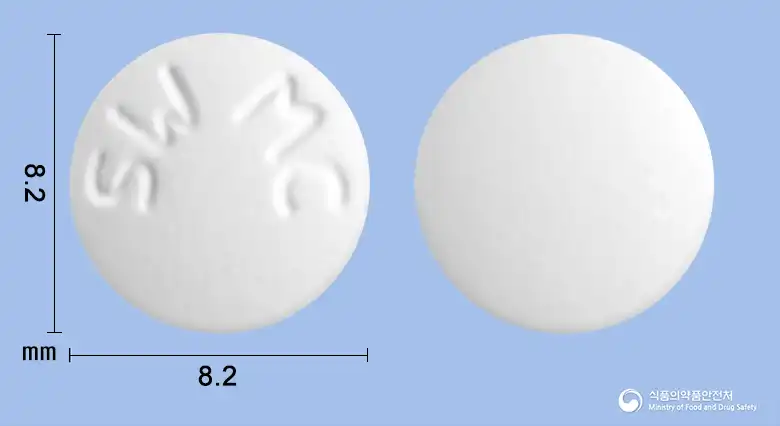
Romycin Tablets (Roxithromycin)
Roxithromycin 150mg
Tablet · Prescription medication
Sungwon Adcock Pharmaceutical Co., Ltd.
MFDS item code 200404616 · Notified 2004.07.20 · Insurance code 664900080
Treatment of respiratory, ear, nose and throat, dental, skin, and genital infections; prevention of meningococcal infection
This medication is used to treat infections caused by various bacteria. It is particularly effective against respiratory infections such as pharyngitis, acute bronchitis, tonsillitis, bacterial pneumonia, and mycoplasma pneumonia. It is also used for infections of the genitals and sexually transmitted diseases, except those caused by Neisseria gonorrhoeae. It can help with infections around the ears and nose, such as otitis media and sinusitis. It is also used for skin-related infections like folliculitis, boils, soft tissue infections, and acne, and is utilized for the prevention of infections in patients exposed to meningococci. In dentistry, it is applied for the treatment of pericoronitis and periodontal disease. In summary, this drug is widely used for the treatment and prevention of various bacterial infections.
Adults: Administer 150㎎ (potency) orally twice daily, in the morning and evening before meals, as roxithromycin. For pneumonia, administer 300mg (potency) once daily before breakfast. Adjust the dose appropriately according to age and symptoms.
Children: The mean dose used in clinical trials was 6mg (potency)/Kg of body weight per day. Administer 5~8mg (potency)/Kg of body weight per day orally in 2 divided doses. Doses by body weight are as follows. Children weighing 6~11Kg: 25mg (potency) per dose twice daily before meals (pediatric tablets or granules only); 2.5mL per dose twice daily before meals (suspension only) Children weighing 12~23Kg: 50mg (potency) per dose twice daily before meals (pediatric tablets or granules only); 5mL per dose twice daily before meals (suspension only) Children weighing 24~40Kg: 100mg (potency) per dose twice daily before meals (pediatric tablets or granules only); 10mL per dose twice daily before meals (suspension only)
This medication can rarely cause serious skin reactions such as Stevens-Johnson syndrome, toxic epidermal necrolysis, and acute generalized exanthematous pustulosis. If symptoms such as blistering or mucosal damage occur, use should be discontinued immediately. Patients with hypersensitivity to this drug or those taking certain medications (terfenadine, astemizole, cisapride, pimodid) should not use it, as well as patients receiving ergoline alkaloids or mizolastine. Particular caution is required for patients with liver dysfunction, elderly patients, and those using this in conjunction with other macrolide antibiotics. Additionally, this drug can prolong the QT interval on an ECG, requiring careful use in patients at risk for arrhythmias. In patients with myasthenia gravis, symptoms may worsen, so caution is necessary. This drug may cause various adverse reactions including allergic reactions, blood abnormalities, liver dysfunction, gastrointestinal symptoms (nausea, vomiting, diarrhea, etc.), respiratory issues, neurological symptoms (dizziness, headaches, etc.), sensory disturbances, skin rashes, and auditory and visual impairments. Severe diarrhea or abdominal pain could indicate the occurrence of pseudomembranous colitis; if such symptoms develop, use should be stopped immediately. This medication interacts with several drugs metabolized in the liver, potentially increasing the risk of cardiovascular side effects and should not be combined with specific medications. Pregnant women should use it only when the benefits outweigh the risks to the fetus, and nursing mothers should avoid administration or consider stopping breastfeeding. Elderly patients do not require dosage adjustments, but may experience dizziness or blurred vision, necessitating caution when operating machinery or driving. Finally, this drug should be stored out of reach of children, and transferring it to another container can adversely affect its quality.
Stevens-Johnson syndrome, toxic epidermal necrolysis, acute generalized exanthematous pustulosis, shock, fever, rash, allergic skin reactions, angioedema, eosinophilia, agranulocytosis, leukopenia, thrombocytopenia, cholestatic acute hepatitis, hepatocellular acute hepatitis, jaundice, elevated AST, elevated ALT, elevated ALP, elevated serum bilirubin, loss of appetite, nausea, vomiting, upper abdominal discomfort, abdominal pain, abdominal distension, diarrhea, pseudomembranous colitis, loose stools, hemorrhagic colitis, bloody stool, pancreatitis, bronchospasm, cough, shortness of breath, abnormal chest X-ray, interstitial pneumonia, drowsiness, headache, dizziness, tongue paralysis, paralysis, dysgeusia, ageusia, olfactory disturbances, loss of smell, erythema multiforme, purpura, superinfection with non-susceptible pathogens, transient deafness, hearing impairment, vision disturbances, blurred vision, conjunctival injection, general malaise, weakness, palpitations, QT prolongation, ventricular tachycardia, arthralgia, nasal bleeding, menstrual irregularities, inflammation of oral and vaginal mucosa, hallucinations, confusion
Not everyone experiences these, and they can vary from person to person.
This medication should be stored in a tightly closed container that is well-ventilated, and the storage temperature should be maintained between 1 and 30 degrees Celsius. Proper storage helps maintain the drug's efficacy and safety.
Round tablets that are white and convex on both sides
30 tablets/bottle, 300 tablets/bottle, 500 tablets/bottle
Even with the same ingredient, strength, dosage form and how it is taken can differ.
Viewing nowRoxithromycin 150mg
Tablet · Prescription medication
Sungwon Adcock Pharmaceutical Co., Ltd.
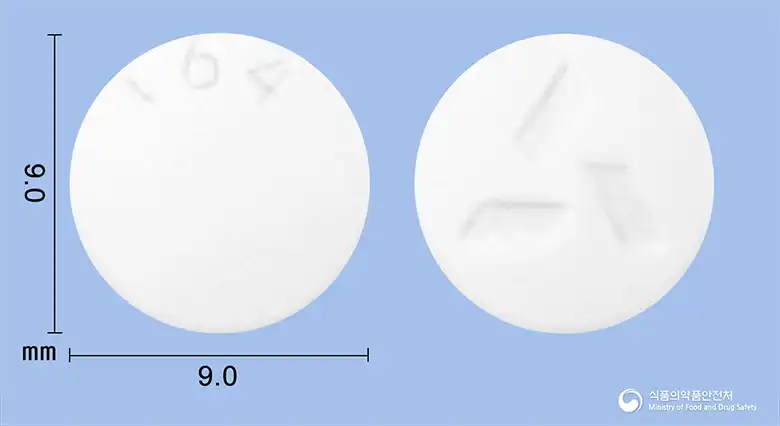
Roxithromycin
Tablet · Prescription medication
(Hando Pharmaceutical Co., Ltd.)
Roxithromycin
Prescription medication
Hanok Co., Ltd.
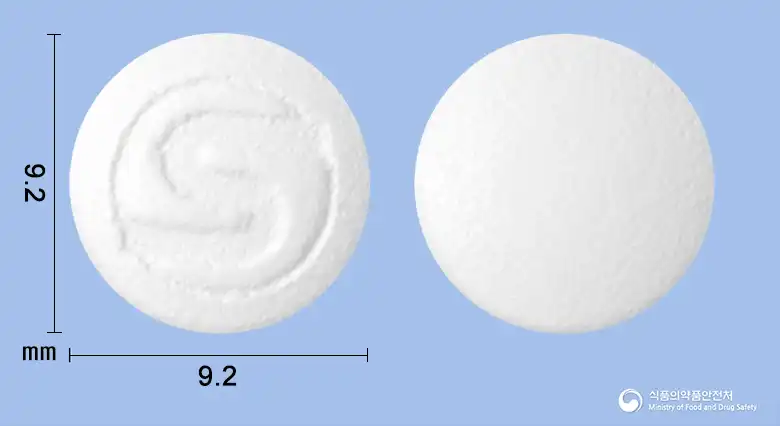
Roxithromycin 150mg
Tablet · Prescription medication
Shinpoong Pharmaceutical Co., Ltd.
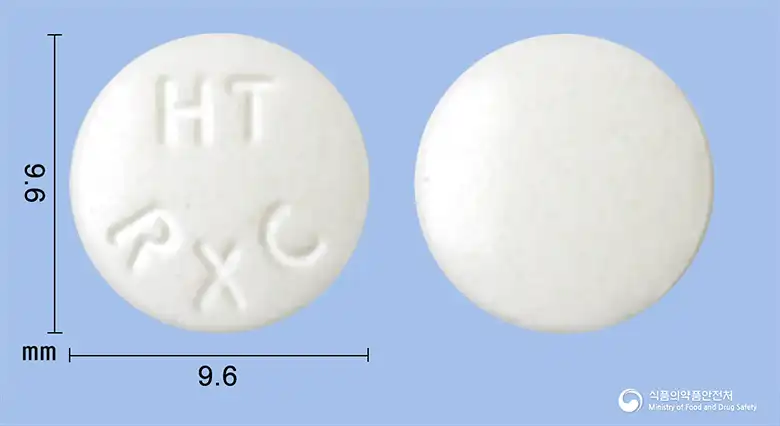
Roxithromycin 150mg
Tablet · Prescription medication
HuTechs Pharmaceutical Co., Ltd.
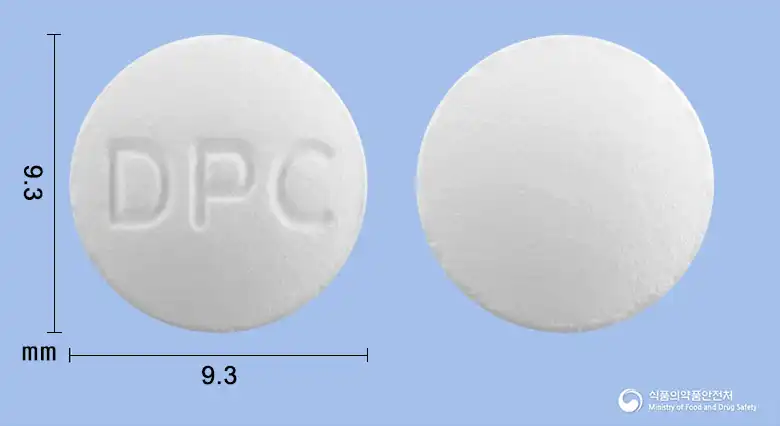
Roxithromycin 150mg
Tablet · Prescription medication
Dongkwang Pharmaceutical Co., Ltd.
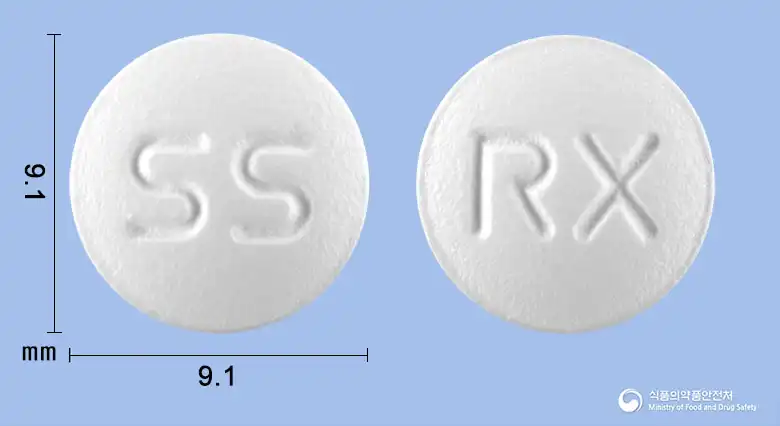
Roxithromycin 150mg
Tablet · Prescription medication
SAMSUNG PHARMACEUTICAL CO., LTD.
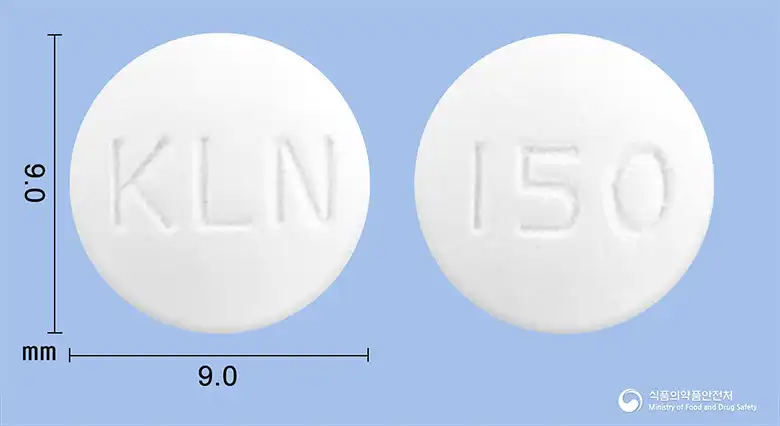
Roxithromycin 150mg
Tablet · Prescription medication
Kolon Pharmaceutical Co., Ltd.
Even with the same ingredient, the dose and directions can differ by strength and dosage form. Talk to a doctor or pharmacist before switching from a medication you are already taking.
No questions yet.
For anything that needs medical judgment, consult a doctor or pharmacist.
This drug information is based on data provided by the Korea Ministry of Food and Drug Safety.
Consult a doctor or pharmacist for accurate dosage, administration, and usage instructions.