
 한국어
 English
 日本語
 中文(简体)
Dosage form image
Viewing nowLimalclo Granule Syrup 125mg/5mL (Clarithromycin)
Clarithromycin 3547mg
Syrup · Prescription medication
Kyungbo Pharmaceutical Co., Ltd.
MFDS item code 200403727 · Notified 2004.08.26
This product's status changed to Approval withdrawn on 2025.03.31. It may no longer be sold, so consult a doctor or pharmacist before taking it.
Treatment of respiratory and middle ear infections, skin and skin-structure infections, and mycobacterial infections
This medicine acts effectively against various bacteria and is used for lower respiratory tract infections such as bronchitis and pneumonia, upper respiratory tract infections such as pharyngitis, tonsillitis, and sinusitis. It is also suitable for the treatment of acute otitis media and skin and soft tissue infections. It is particularly effective against Mycobacterium avium and Mycobacterium intracellularae infections. It demonstrates a broad antibacterial action against several types of bacteria, helping in the treatment of infections. Therefore, it is used to improve various respiratory infections and skin infections.
In patients with renal impairment and creatinine clearance of 30mL/min/1.73m2 or less, the dose should be reduced by half. Do not administer for more than 14 days to these patients. As the bioavailability of this medicine is not affected by food, it may be administered without regard to meals. It may be taken with food or milk. Add an adequate amount of water and shake well to dissolve. The concentration of the prepared medicine is 125mg/5mL. Store the prepared medicine at 15~30℃ (do not refrigerate) and use within 14 days. Shake before administration.
Administer 7.5mg per Kg of body weight every 12 hours (15mg/Kg/day) in children. The usual treatment duration is 5~10 days. ○ Mycobacterial infections Administer 7.5~15mg per Kg of body weight every 12 hours (15~30mg/Kg/day) in children. Continue administration if clinical improvement is observed. Do not exceed clarithromycin (potency) 500mg (potency) per dose twice daily. It should be administered in combination with other antimycobacterial agents such as ethambutol, clofazimine, and rifampin.
This medication should not be administered to certain patients. For instance, patients with allergies to the ingredients of this medication or similar antibiotics, those with severe liver or heart problems, pregnant or nursing women, and those taking certain medications should not use this drug. Additionally, patients with impaired liver or kidney function, elderly patients, and those with heart disease should use this medication with caution. This medication can cause various side effects, so if breathing difficulties, rashes, severe diarrhea, abdominal pain, hearing disruptions, or mental changes occur during usage, you should consult a doctor immediately. This medication may interact with other drugs, so you must inform your healthcare provider about any medications you are currently taking. It is safer not to use this medication during pregnancy or breastfeeding, and you should consult a doctor if necessary. Special care is needed for pediatric or geriatric patients, especially if they have impaired renal or liver function, as dosage adjustments may be necessary. Long-term or excessive use of this medication may lead to severe side effects, so you must strictly adhere to the prescribed dosage and administration. Dizziness or confusion may occur while driving or operating machinery after taking this medication, so caution is advised. In case of overdose, go to the hospital immediately for appropriate treatment, as this drug cannot be removed through dialysis. This drug should not be refrigerated during storage; it should be kept in a sealed container away from direct light at room temperature.
Shock, anaphylactic symptoms, shortness of breath, convulsions, flushing, rash, itching, urticaria, skin flushing, angioedema, joint swelling, drug rash, abdominal distension, nausea, vomiting, dyspepsia, abdominal pain, malaise, gas retention, diarrhea, oral mucosal erosion, upper abdominal pain, thirst, transient tooth discoloration, pancreatitis, increased amylase, taste disturbances, loss of appetite, constipation, discoloration of stool, pseudomembranous colitis, hemorrhagic colitis, abdominal pain, frequent diarrhea, fever, cough, abnormal chest X-ray, eosinophilia, eosinophilic pulmonary infiltration, interstitial pneumonia, chronic bronchitis, acute maxillary sinusitis, eosinophilia, thrombocytopenia, pancytopenia, hemolytic anemia, leukopenia, agranulocytosis, dizziness, depression, loss of taste, loss of smell, anxiety, insomnia, nightmares, tinnitus, confusion, disorientation, hallucinations, psychosis, depersonalization, convulsions, tremors, paresthesia, behavioral changes, manic behavior, Stevens-Johnson syndrome, toxic epidermal necrolysis, allergic purpura, drug rash with eosinophilia and systemic symptoms, jaundice, hepatocellular or cholestatic hepatitis, increased liver enzyme levels, impaired liver function, hepatic failure, fulminant hepatitis, elevated AST, elevated ALT, elevated γ-GTP, elevated LDH, elevated ALP, increased total bilirubin, loss of appetite, dark urine, pruritus, abdominal tenderness, elevated serum creatinine, increased BUN, interstitial nephritis, renal failure, rhabdomyolysis, oliguria, glossitis, stomatitis, oral candidiasis, QT prolongation, ventricular tachycardia, Torsades de pointes, malaise, headache, gustatory disturbance, hearing loss, paresthesia, arthralgia, myalgia, olfactory disturbance, tinnitus, auditory impairment, hypoglycemia, rhabdomyolysis, tinnitus, hearing loss, vomiting, purpuric rash, acute generalized pustular psoriasis, soft tissue infection, candidiasis, gastroenteritis, infection, vulvovaginal candidiasis, pseudomembranous colitis, herpes simplex, superficial soft tissue infection, erythema multiforme, leukopenia, neutropenia, thrombocythemia, agranulocytosis, thrombocytopenia, anaphylactic reactions, hypersensitivity anaphylactic reactions, vascular edema, loss of appetite, decreased appetite, hypoglycemia, insomnia, anxiety, neuroexcitation, hyperacusia, psychotic disorder, confusional state, depersonalization, depression, disorientation, hallucinations, abnormal dreams, mania, taste disturbances, headache, loss of consciousness, movement disorders, non-vestibular dizziness, drowsiness, tremors, convulsions, loss of taste, abnormal olfaction, loss of smell, vestibular dizziness, hearing impairment, hearing loss, cardiac arrest, atrial fibrillation, prolonged QT interval on electrocardiogram, ectopic beats, palpitations, vasodilation, asthma, epistaxis, pulmonary embolism, diarrhea, vomiting, dyspepsia, nausea, abdominal pain, esophagitis, gastroesophageal reflux disease, gastritis, rectal pain, stomatitis, glossitis, abdominal distension, constipation, thirst, belching, bloating, acute pancreatitis, tongue discoloration, tooth discoloration, abnormal liver function tests, cholestasis, hepatitis, increased alanine aminotransferase, increased aspartate aminotransferase, increased gamma-glutamyl transferase, hepatic failure, hepatocellular jaundice, rash, hyperhidrosis, vesicular dermatitis, itching, urticaria, papular rash, acne, Henoch-Schönlein purpura, muscle cramps, musculoskeletal stiffness, myalgia, rhabdomyolysis, myopathy, elevated serum creatinine, elevated blood urea, renal failure, nephritis, venous inflammation at the injection site, pain at the injection site, inflammation at the injection site, malaise, fever, asthenia, chest pain, chills, fatigue, abnormal albumin-globulin ratio, elevated blood alkaline phosphatase, elevated blood lactate dehydrogenase, increased international normalized ratio, prolonged prothrombin time, abnormal urine color
Not everyone experiences these, and they can vary from person to person.
This medication may be sensitive to air or moisture, so it should be stored in a tightly sealed container. It is advisable to maintain a storage temperature between 1 to 30 degrees Celsius at room temperature. This helps to preserve the effectiveness of the medication for a longer period.
A white to off-white granular powder for dry syrup that is used after dissolving.
100mL/bottle - 100 milliliters/bottle
Even with the same ingredient, strength, dosage form and how it is taken can differ.
Clarithromycin 3547mg
Syrup · Prescription medication
Kyungbo Pharmaceutical Co., Ltd.

Clarithromycin 250mg
Tablet · Prescription medication
Iyeon Pharmaceutical Co., Ltd.

Clarithromycin 250mg
Tablet · Prescription medication
Jongkundang Co., Ltd.
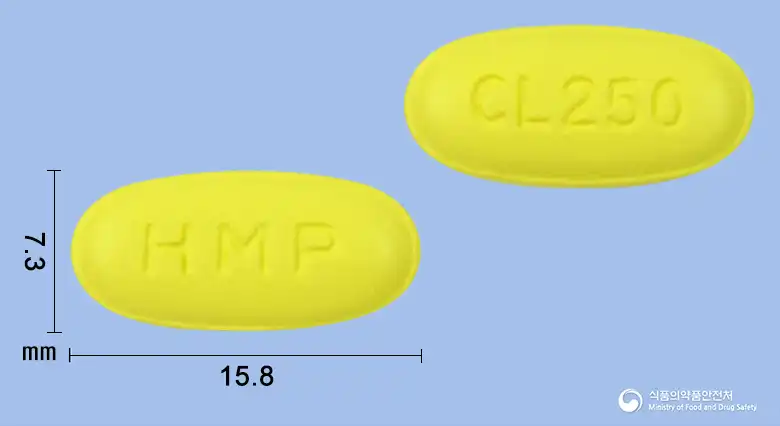
Clarithromycin 250mg
Tablet · Prescription medication
Hanmi Pharmaceutical Co., Ltd.
Clarithromycin 500mg
Prescription medication
Il Sung IS Co., Ltd.

Clarithromycin 250mg
Tablet · Prescription medication
Boryung Co., Ltd.
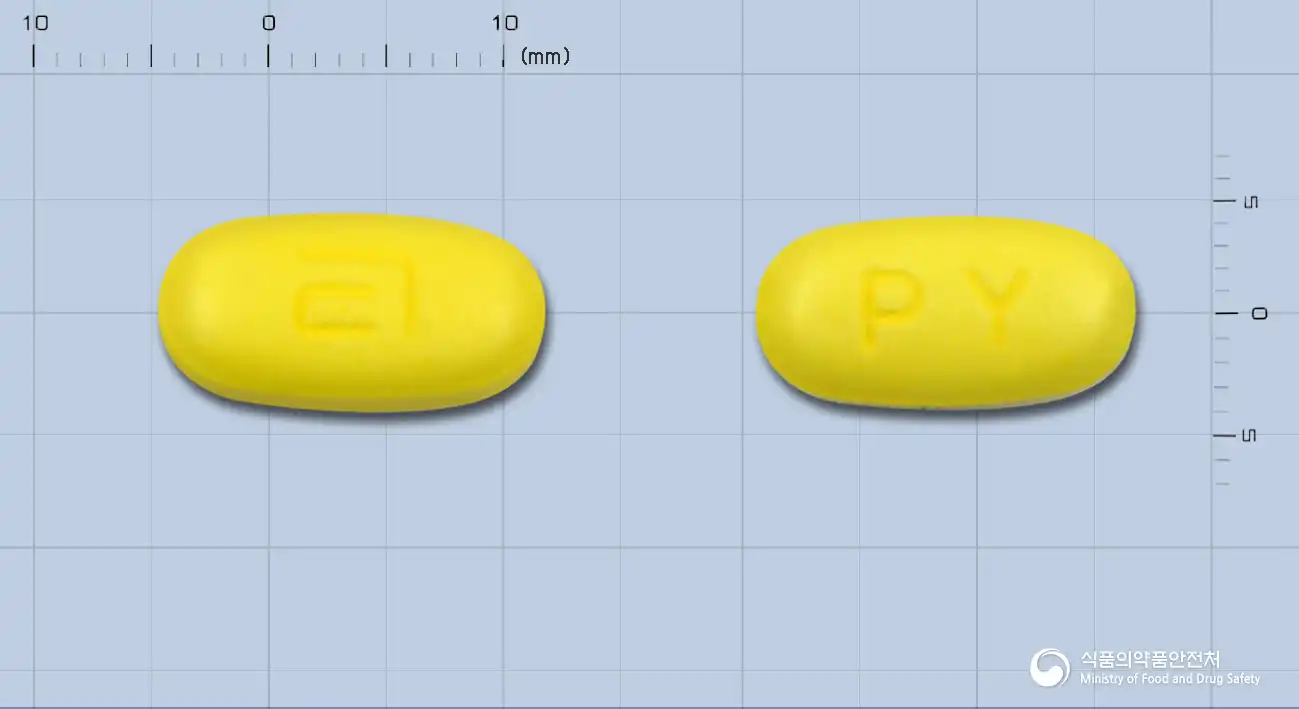
Clarithromycin 250mg
Tablet · Prescription medication
Kyungdong Pharmaceutical Co., Ltd.

Clarithromycin 250mg
Tablet · Prescription medication
Kunil Pharmaceutical Co., Ltd.
Even with the same ingredient, the dose and directions can differ by strength and dosage form. Talk to a doctor or pharmacist before switching from a medication you are already taking.
No questions yet.
For anything that needs medical judgment, consult a doctor or pharmacist.
This drug information is based on data provided by the Korea Ministry of Food and Drug Safety.
Consult a doctor or pharmacist for accurate dosage, administration, and usage instructions.