
 한국어
 English
 日本語
 中文(简体)
Dosage form image
Viewing nowProsep Dry Syrup (Cefprozil Hydrate)
Cefprozil Hydrate 5g
Syrup · Prescription medication
Seoul Pharmaceutical Co., Ltd.
MFDS item code 200403481 · Notified 2004.07.15 · Insurance code 652902082
Treatment of upper and lower respiratory tract infections (such as otitis media), skin and soft tissue infections, and urinary tract infections
This medication is used for upper respiratory infections, lower respiratory infections, skin and soft tissue infections, and uncomplicated urinary tract infections. Specifically, it is effective against upper respiratory infections such as pharyngitis and tonsillitis, otitis media, and acute sinusitis, as well as secondary bacterial infections of acute bronchitis and acute exacerbations of chronic bronchitis. It is also utilized for skin and soft tissue infections associated with staphylococci, treatment of postoperative abscesses, and uncomplicated urinary tract infections including cystitis. This medicine helps treat the mentioned infections.
○ Adults (13 years and older) 1) For pharyngitis and tonsillitis among upper respiratory tract infections, administer 500mg (potency) of cefprozil per dose every 24 hours; for acute sinusitis, administer 250mg (potency) or 500mg (potency) every 12 hours (a dose increase is required for moderate or more severe infections). 2) For bacterial superinfection of acute bronchitis or bacterial exacerbation of chronic bronchitis among lower respiratory tract infections, administer 500mg (potency) of this medicine per dose every 12 hours. 3) For uncomplicated skin and soft tissue infections, administer 250mg (potency) of this medicine every 12 hours [or 500mg (potency) every 24 hours], or 500mg (potency) every 12 hours according to symptoms. 4) For uncomplicated urinary tract infections, administer 500mg (potency) of this medicine every 24 hours. <Duration of administration> Treatment is generally given for about 10 days; however, for pharyngitis/tonsillitis caused by Streptococcus pyogenes (Group A beta-hemolytic), administer for 10 days or longer. For uncomplicated cystitis, administer for about 7 days. ○ Patients with renal impairment 1) For creatinine clearance of 30~120mL/min, administer according to the standard dosage regimen above. 2) For creatinine clearance of 29mL/min or less, administer 50% of the standard dose at the standard dosing interval. However, some of this medicine is removed by hemodialysis, so administer it after hemodialysis is completed. Once reconstituted, refrigerate and use within 14 days (syrup only).
○ Children (2~12 years) For pharyngitis and tonsillitis among upper respiratory tract infections, administer 7.5mg (potency) per Kg of body weight per dose every 12 hours. ○ Children (2~12 years) For uncomplicated skin and soft tissue infections, administer 20mg (potency) per Kg of body weight per dose every 24 hours. ○ Infants and children (6 months~12 years) For otitis media among upper respiratory tract infections, administer 15mg per Kg of body weight every 12 hours. ○ Infants and children (6 months~12 years) For acute sinusitis, administer 7.5mg per Kg of body weight every 12 hours. However, for moderate or more severe infections requiring a dose increase, administer 15mg per Kg of body weight every 12 hours.
This medicine is a cephalosporin antibiotic and should not be administered to specific patients. In particular, patients who have had an allergy to cephalosporin antibiotics should not use this medicine. Patients with a history of allergies to penicillin or other medications should use this medicine with caution, as cross-reactivity may occur among beta-lactam antibiotics. Severely ill patients or those with impaired kidney function should have their renal status carefully evaluated before administering this medicine, and they must be closely monitored during treatment. If kidney function is poor, the dose of the medication should be reduced. Patients with gastrointestinal diseases, particularly with a history of colitis, should also use this medicine cautiously. The most common side effects while taking this medicine are gastrointestinal symptoms such as diarrhea, nausea, vomiting, and abdominal pain. Liver function tests may be elevated, and rarely, cholestatic jaundice may occur. Additionally, hypersensitivity reactions such as rash or urticaria may occur, which are reported more frequently in children. Neurological side effects may include dizziness, headache, insomnia, drowsiness, and there have been reports of seizures. Blood-related abnormalities may present as leukopenia, eosinophilia, or elevated renal function indicators. Long-term use of this medication can lead to the development of resistant bacteria, therefore it is recommended to use it only for the necessary duration after sensitivity testing. If an allergic reaction occurs, discontinue use immediately, and in severe cases emergency treatment may be required. In cases of diarrhea after antibiotic use, consider the possibility of pseudomembranous colitis, which may require appropriate treatment if severe. Particularly in patients with impaired renal function, failure to adjust the dosage may lead to seizures, so caution is necessary. Use in conjunction with other cephalosporin antibiotics or certain diuretics may increase renal toxicity and should be approached with caution. Use during pregnancy should be limited to necessary cases, and breastfeeding mothers should use it cautiously due to unclear impacts on infants. For infants under 6 months old, safety and efficacy have not been established, so use should be avoided. Elderly patients may have reduced renal function, thereby requiring dose adjustments. This medication may impact certain clinical test results, so this should be taken into account when testing. In case of overdose, the drug is excreted through the kidneys, and in cases of impaired renal function, it can be removed through hemodialysis. This medication is known not to induce carcinogenicity, mutagenicity, or reproductive dysfunction.
Not everyone experiences these, and they can vary from person to person.
This medication should be stored in a tightly closed container to prevent air and moisture ingress, keeping the storage temperature between 1 and 30 degrees Celsius to maintain its effectiveness and prevent degradation.
Pink powder syrup
150mL/bottle
Even with the same ingredient, strength, dosage form and how it is taken can differ.
Cefprozil Hydrate 5g
Syrup · Prescription medication
Seoul Pharmaceutical Co., Ltd.
Cefprozil Hydrate 5000g
Syrup · Prescription medication
Geonil Pharmaceutical Co., Ltd.
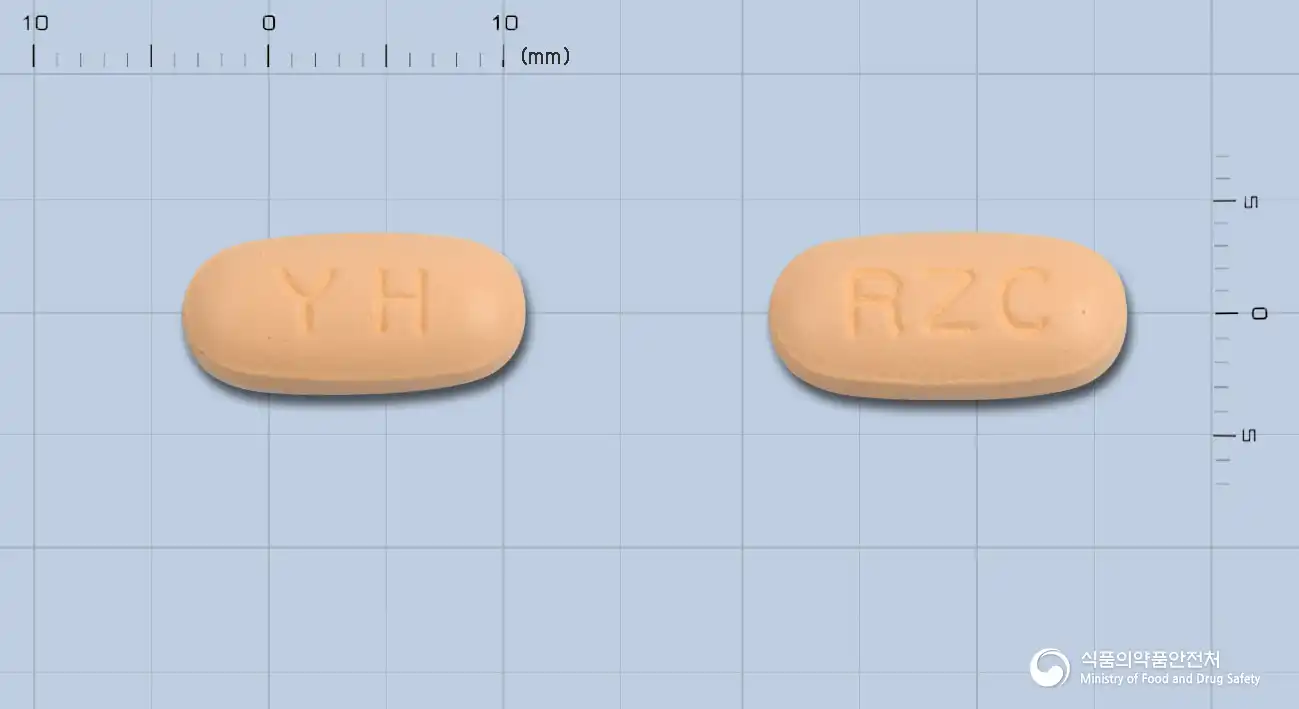
Cefprozil Hydrate 250mg
Tablet · Prescription medication
Yoohun Pharmaceutical Co., Ltd.
Cefprozil Hydrate 5g
Syrup · Prescription medication
Kolon Pharmaceutical Co., Ltd.
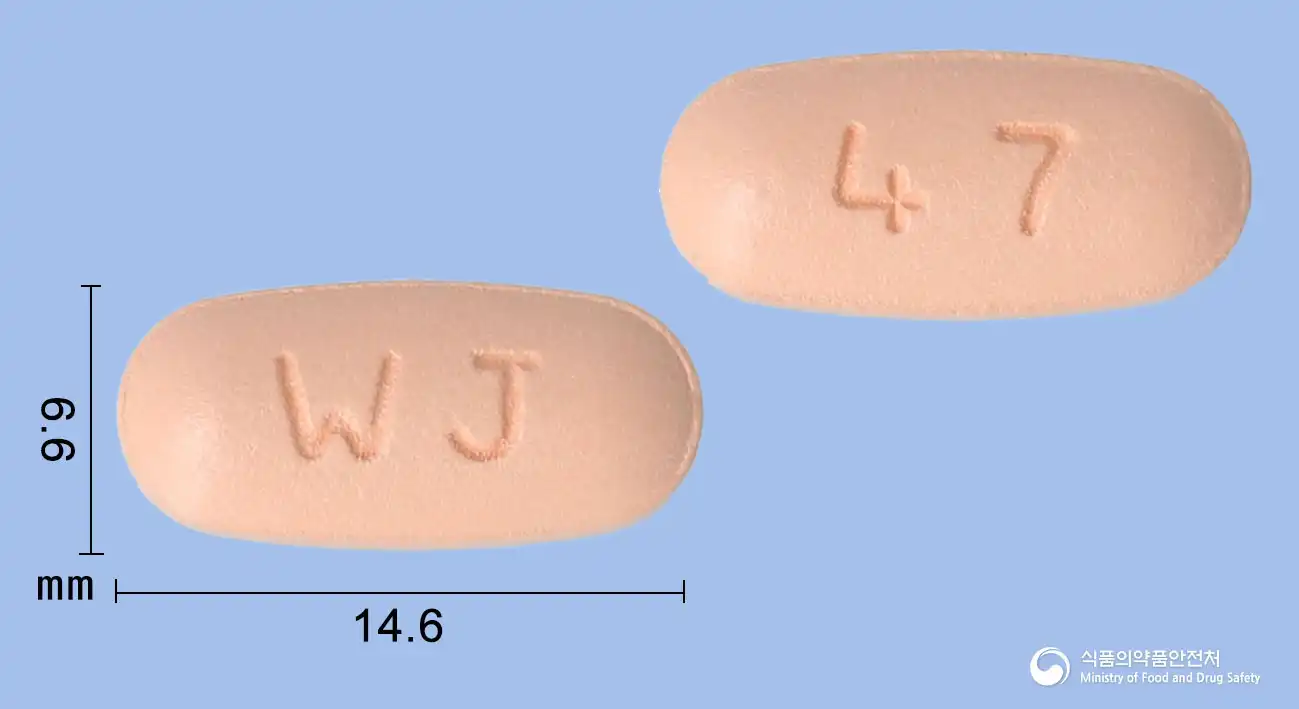
Cefprozil Hydrate 250mg
Tablet · Prescription medication
Austin Pharmaceutical Co., Ltd.
Cefprozil Hydrate 5g
Syrup · Prescription medication
Sama Pharmaceutical Co., Ltd.
Cefprozil Hydrate 5g
Syrup · Prescription medication
Youngjin Pharmaceutical Co., Ltd.
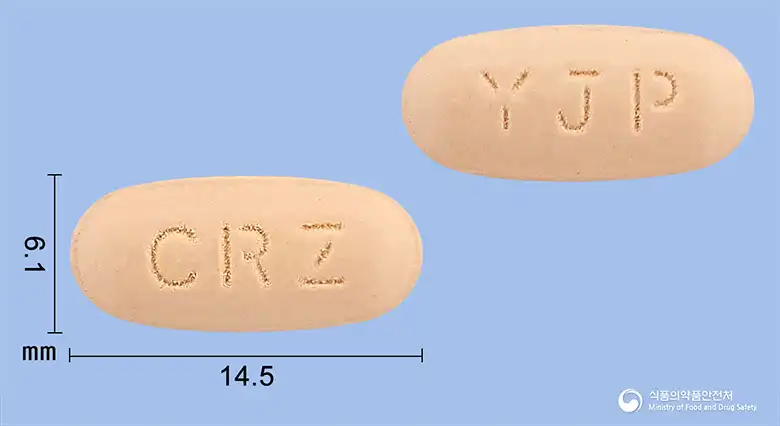
Cefprozil Hydrate 250mg
Tablet · Prescription medication
Youngjin Pharmaceutical Co., Ltd.
Even with the same ingredient, the dose and directions can differ by strength and dosage form. Talk to a doctor or pharmacist before switching from a medication you are already taking.
No questions yet.
For anything that needs medical judgment, consult a doctor or pharmacist.
This drug information is based on data provided by the Korea Ministry of Food and Drug Safety.
Consult a doctor or pharmacist for accurate dosage, administration, and usage instructions.