
 한국어
 English
 日本語
 中文(简体)
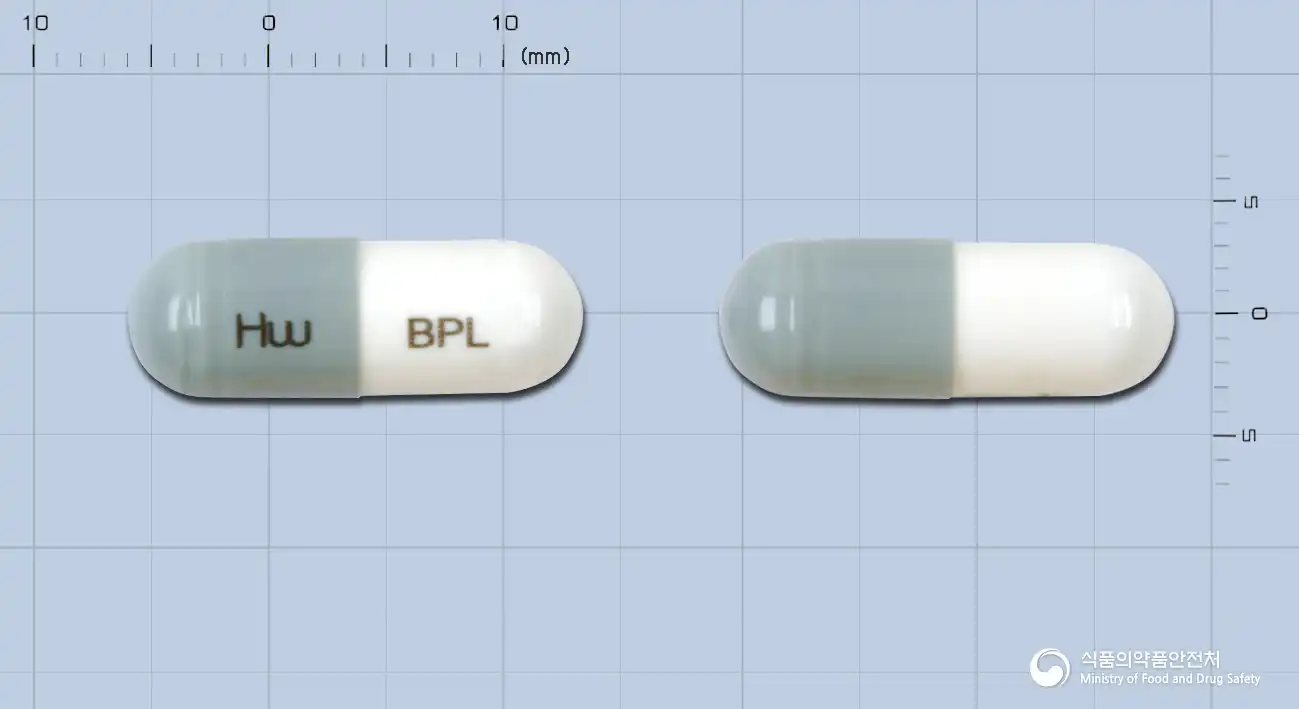 Viewing now
Brophyllin Capsule (Acebrophylline)
Acebrophylline 100mg
Hard capsule · Prescription medication
Albozen Korea Co., Ltd.
MFDS item code 200403317 · Notified 2004.09.18 · Insurance code 652604720
Treatment of acute and chronic respiratory diseases (such as bronchitis and bronchial asthma)
This medicine is used for acute and chronic respiratory diseases caused by airway obstruction and mucus secretion disorders, specifically for acute and chronic bronchitis, bronchial asthma, sinusitis, and allergic rhinitis.
Adults: Administer 100 mg of acebrophylline orally twice daily.
This medication should not be used by certain patients. For example, individuals allergic to this drug or its ingredients, or those who exhibit hypersensitivity to other xanthine drugs should not take it. Additionally, individuals allergic to ambroxol, patients with acute myocardial infarction, patients with low blood pressure, patients with severe liver or kidney dysfunction, and breastfeeding women should not use this drug. This drug contains lactose, so patients with lactose intolerance or related genetic disorders should avoid taking it. Patients with heart disease, obesity, epilepsy, gastric ulcers, hyperthyroidism, elderly individuals, children, hypertension, severe hypoxia, chronic obstructive pulmonary disease, liver and kidney dysfunction, and women who are pregnant or may become pregnant should use this medicine cautiously. Furthermore, this medication contains Yellow No. 5 dye, so individuals allergic to this ingredient should also exercise caution. Taking this medication may cause temporary nausea or dizziness, and gastrointestinal symptoms such as dyspepsia, abdominal pain, diarrhea, vomiting, and heartburn may occur rarely. If allergic reactions such as rash, hives, facial swelling, or difficulty breathing occur, take it immediately. This drug can exhibit toxicity if the blood concentration becomes elevated, so caution is necessary for elderly patients, patients with impaired liver or kidney function, and alcoholics. There may be interactions when taken with other medications, particularly with certain antibiotics, diuretics, anticonvulsants, etc., so consultation with a doctor or pharmacist is advised when combined with these drugs. It is recommended not to use this medication during pregnancy, except in special circumstances, and breastfeeding women should avoid taking it. Elderly individuals and children require dosage adjustments and careful monitoring when using this drug. Severe side effects may occur with overdose, so if overdose is suspected, medical attention should be sought immediately. Lastly, this medication should be stored out of reach of children and should be kept in its original container for safety.
Not everyone experiences these, and they can vary from person to person.
This drug should be stored in a tightly sealed container to prevent exposure to air or moisture. It is important to maintain the storage temperature between 1 degree and 30 degrees Celsius.
A hard capsule with the upper part being grayish and the lower part being white, containing a white to off-white powder.
30 capsules/bottle, 100 capsules/bottle
Even with the same ingredient, strength, dosage form and how it is taken can differ.
Viewing nowAcebrophylline 100mg
Hard capsule · Prescription medication
Albozen Korea Co., Ltd.
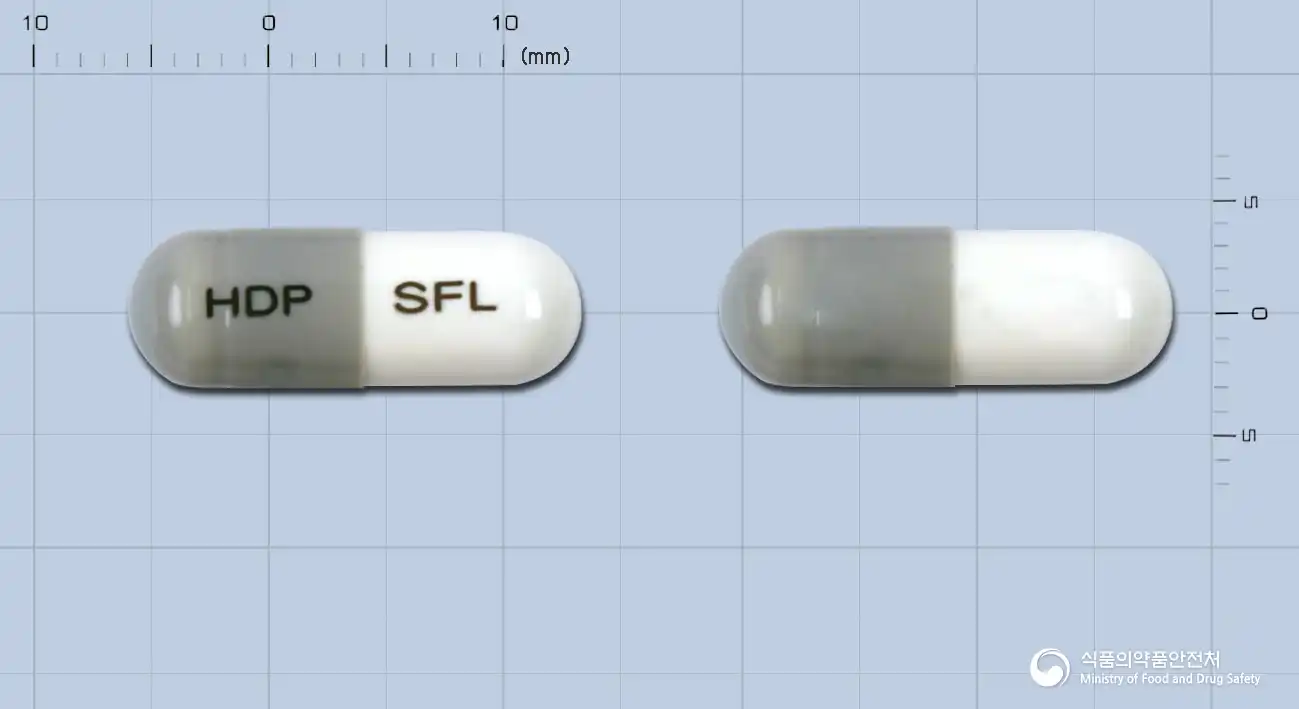
Acebrophylline 100mg
Hard capsule · Prescription medication
HyunDae Pharmaceutical Co., Ltd.
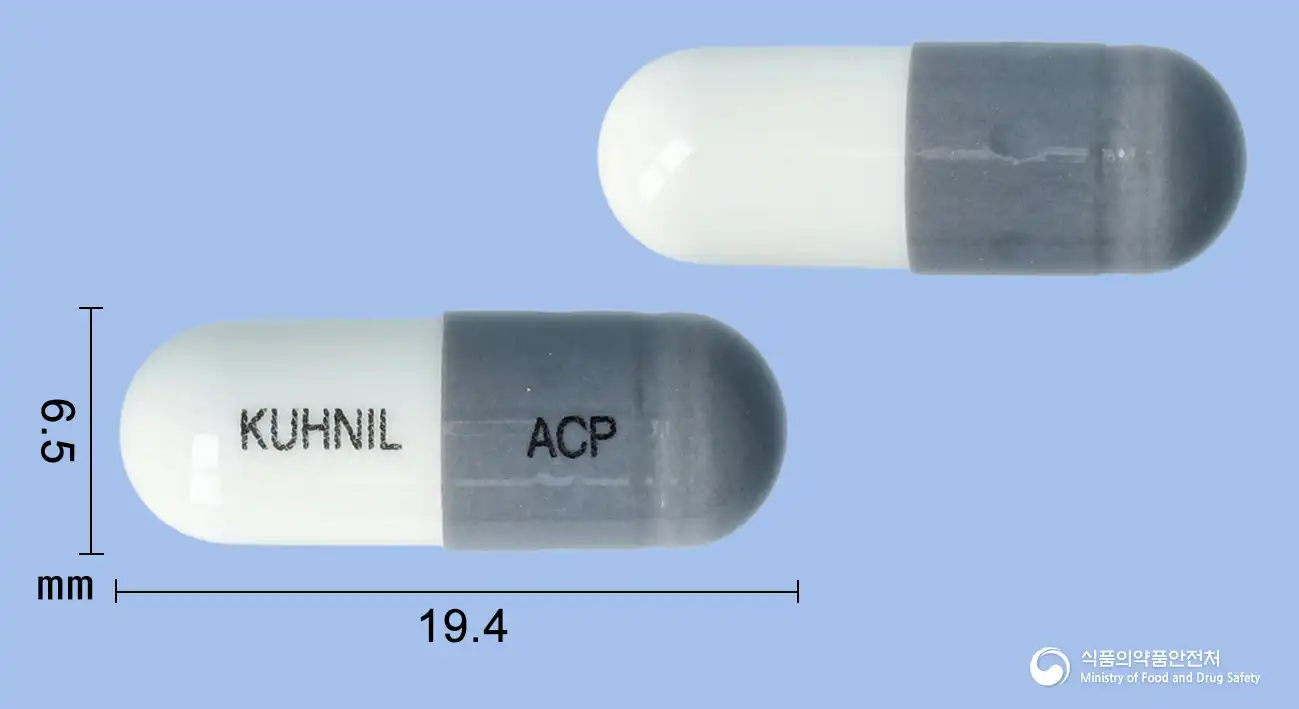
Acebrophylline 100mg
Hard capsule · Prescription medication
Gunil Pharmaceutical Co., Ltd.
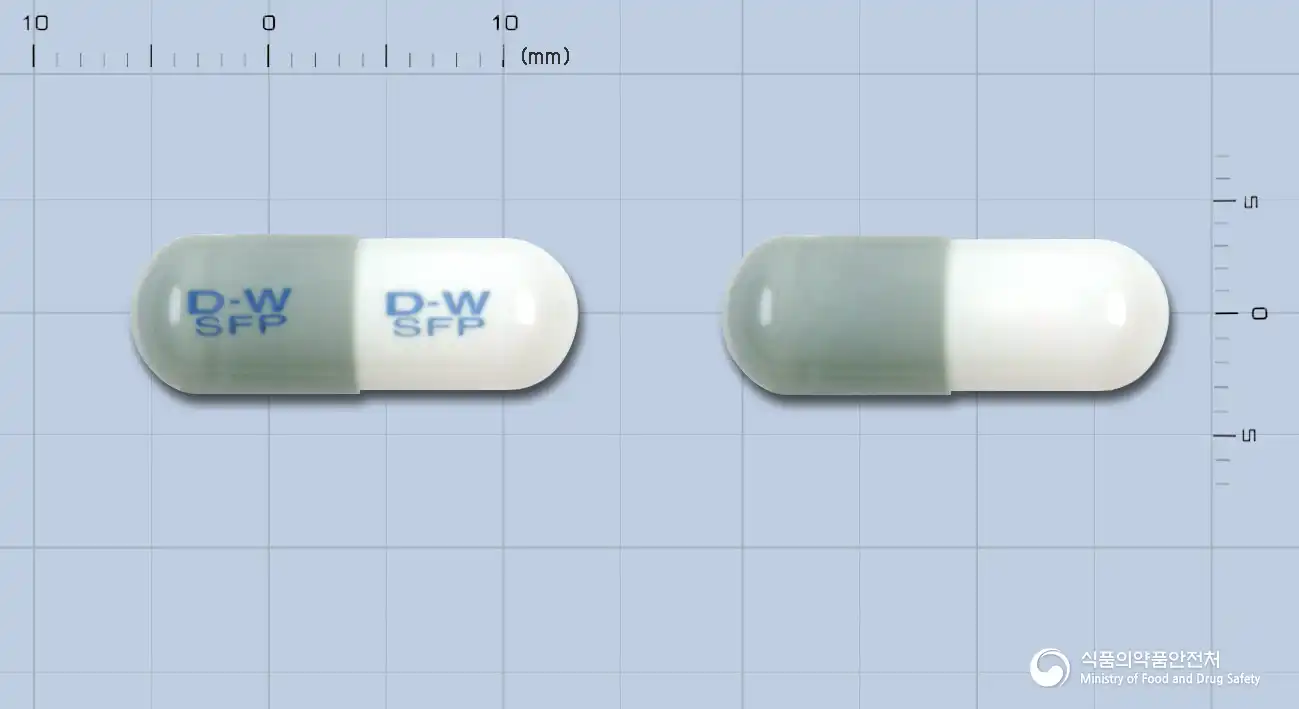
Acebrophylline 100mg
Hard capsule · Prescription medication
Donghwa Pharmaceutical Co., Ltd.
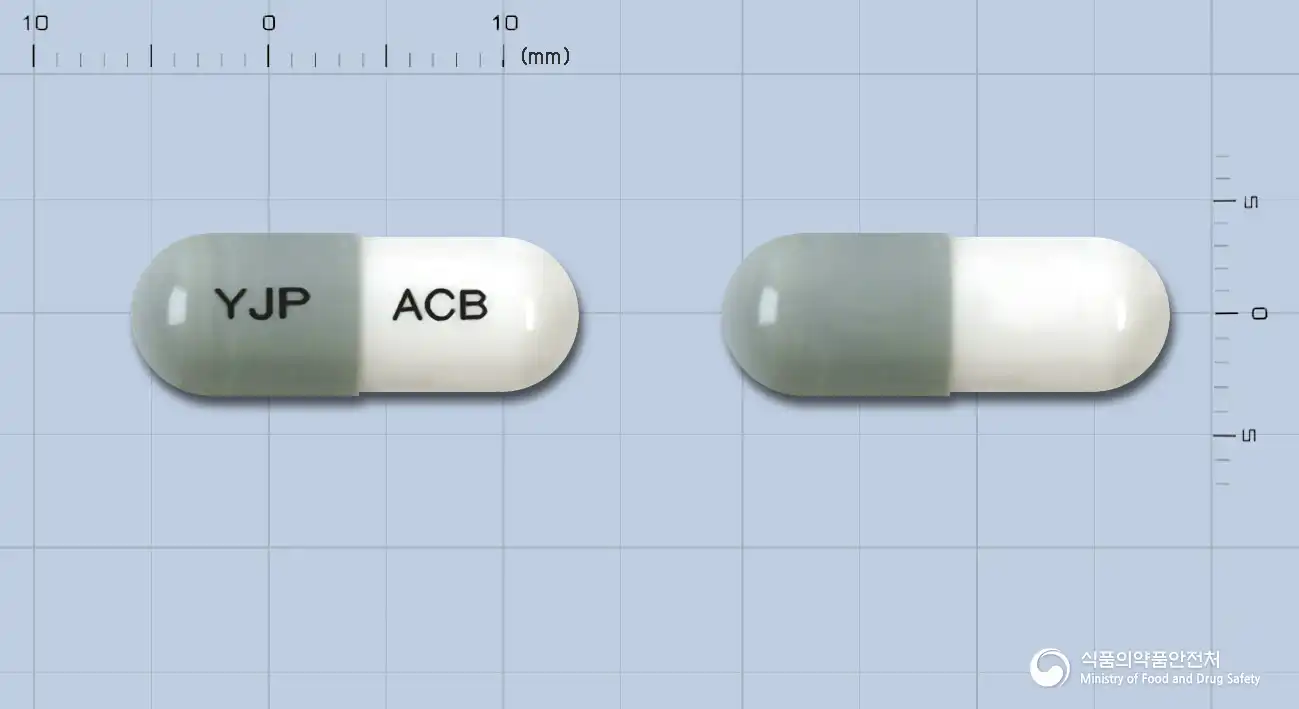
Acebrophylline 100mg
Hard capsule · Prescription medication
Youngjin Pharmaceutical Co., Ltd.
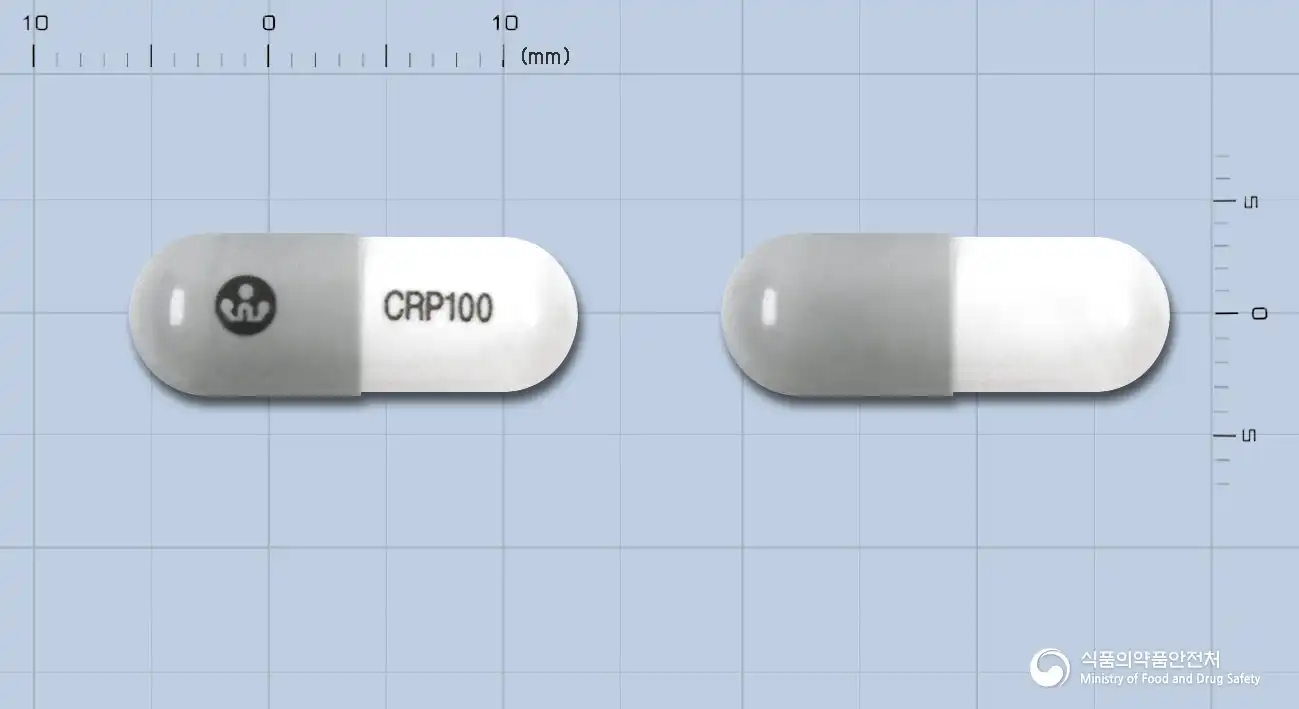
Acebrophylline 100mg
Hard capsule · Prescription medication
Hanin Pharmaceutical Co., Ltd.
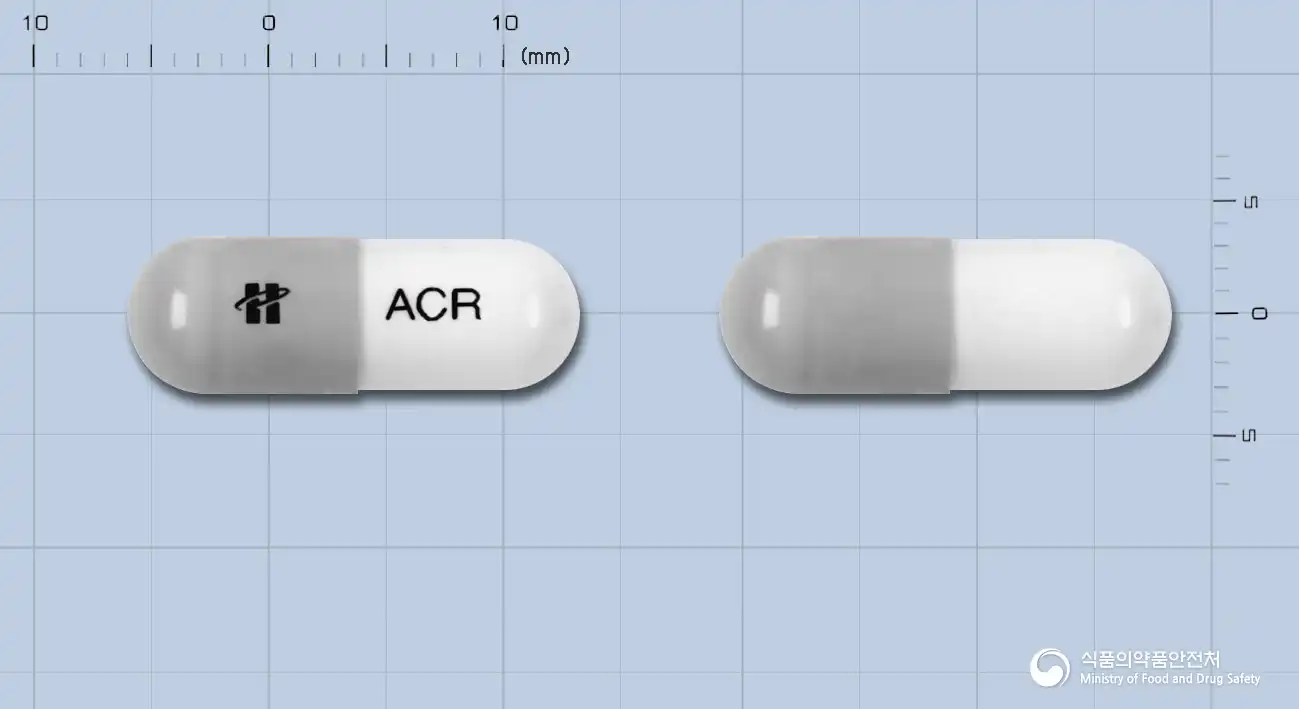
Acebrophylline 100mg
Hard capsule · Prescription medication
(Ltd.) Huons
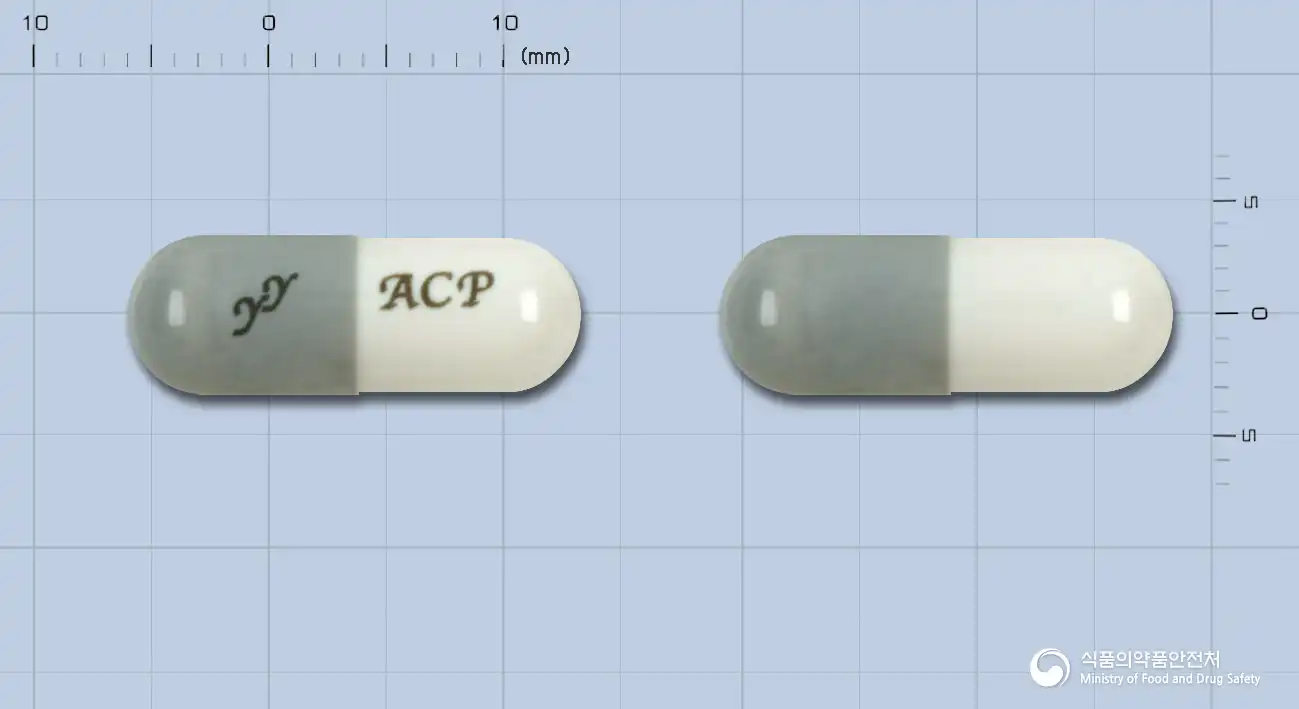
Acebrophylline 100mg
Hard capsule · Prescription medication
(Ltd.) Yuyoung Pharmaceutical
Even with the same ingredient, the dose and directions can differ by strength and dosage form. Talk to a doctor or pharmacist before switching from a medication you are already taking.
No questions yet.
For anything that needs medical judgment, consult a doctor or pharmacist.
This drug information is based on data provided by the Korea Ministry of Food and Drug Safety.
Consult a doctor or pharmacist for accurate dosage, administration, and usage instructions.