
 한국어
한국어 English
 日本語
日本語 中文(简体)
 Viewing now
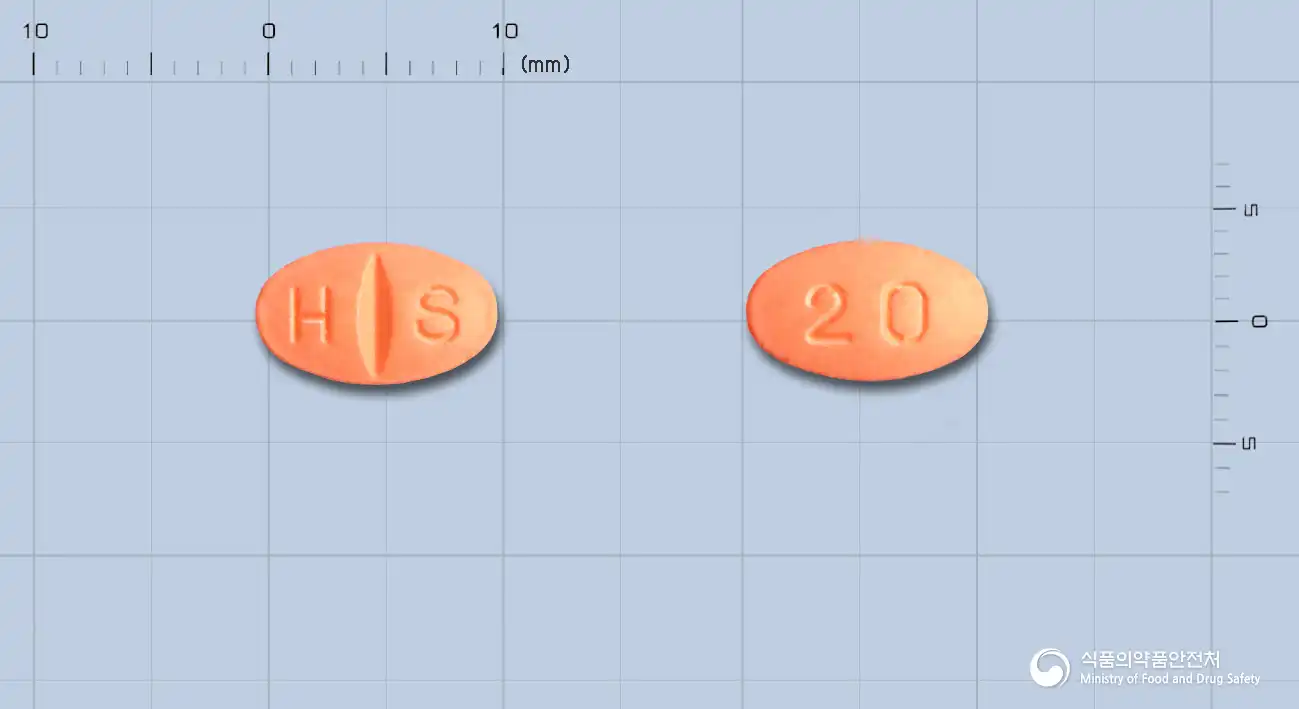
Civas Tablet (Simvastatin)
Simvastatin 20mg
Tablet · Prescription medication
Huons Co., Ltd.
MFDS item code 200403126 · Notified 2004.01.28 · Insurance code 670601380
Reduction of cardiovascular disease risk and improvement of hyperlipidemia
This medication helps lower the risk of cardiovascular disease. It reduces the risk of cardiovascular disease and cerebrovascular accidents in adult patients with a history of coronary heart disease, diabetes, peripheral vascular disease, or stroke. Additionally, it is effective in lowering total cholesterol, bad LDL cholesterol, Apo-B protein, and triglyceride levels in patients with hyperlipidemia, while raising good HDL cholesterol levels. This medication is particularly helpful for patients with familial hypercholesterolemia or in pediatric patients who have high lipid levels despite dietary interventions. This drug is used to reduce the risk of cardiovascular disease and to improve dyslipidemia.
Administer 5 to 40 mg once daily in the evening. The initial starting dose is 20 mg, or 40 mg in high-risk groups. Dose adjustment may be necessary for specific patient populations; for example, elderly patients should be started on 20 mg daily, and for patients taking verapamil or diltiazem, it is recommended to stay below 10 mg daily; for patients taking amiodarone or amlodipine, it is suggested to stay below 20 mg daily. For patients with severe renal impairment, the initial dose should start at 5 mg daily.
For pediatric patients aged 10 to 17 years, administer 10 mg once daily in the evening. The recommended dosage range is 10 to 40 mg per day, with a maximum dosage of 40 mg per day. When adjusting the dosage, it should be done at intervals of 4 weeks or more.
This medication carries a risk of muscle-related side effects such as myopathy and rhabdomyolysis. The risk may be higher with high doses or when taken with certain medications. This medication should not be used in individuals who are allergic to this drug or its components, those with severely impaired liver function, pregnant or breastfeeding women, and those currently taking strong CYP3A4 inhibitors. Care should be taken with patients who have impaired liver or kidney function, hypothyroidism, or a history of muscle disease, as well as in elderly patients and women. During treatment, patients should inform their physician immediately if they experience symptoms such as muscle pain, weakness, or tenderness, and should discontinue use if these symptoms occur. This medication can affect liver function, so it is important to undergo regular liver function tests before and during treatment. Interactions with other medications may occur during treatment, so it is essential to inform healthcare providers of this medication when prescribed new medications. Women who are pregnant or may become pregnant must use contraception, and treatment should be stopped immediately if pregnancy is confirmed. During breastfeeding, this medication can be passed into breast milk; thus, it is safe to discontinue breastfeeding while taking this medication. Children under 10 years of age and females before menarche have not been established as safe to use. Elderly patients have a higher risk of muscle side effects, necessitating increased caution during treatment. Severe side effects can occur with overdose, so strictly adhere to the prescribed dosage. When storing this medication, keep it out of reach of children, in its original container, and do not transfer it to other containers.
Rhabdomyolysis, severe myopathy, urticaria, severe swelling (edema), chest tightness, difficulty breathing, cold sweat, pallor, severe rash with fever, blisters, skin peeling, mucous membrane pain in the mouth/eyes, difficulty breathing, asthma attack, respiratory distress with cough and fever, jaundice of the skin or eyes, extreme fatigue throughout the body, sudden and severe headache, thunderclap headache, seizures, confusion, visual disturbances, paralysis,
Not everyone experiences these, and they can vary from person to person.
This medication should be stored in a sealed container to keep out air and moisture. It is important to maintain a storage temperature between 1 to 30 degrees Celsius to preserve the drug's effectiveness over time.
For domestic use: Brownish-yellow oval film-coated tablet For export: Brownish-yellow round film-coated tablet
30 tablets/bottle, 300 tablets/bottle, 100 tablets/bottle (for export)
Even with the same ingredient, strength, dosage form and how it is taken can differ.
Viewing nowSimvastatin 20mg
Tablet · Prescription medication
Huons Co., Ltd.
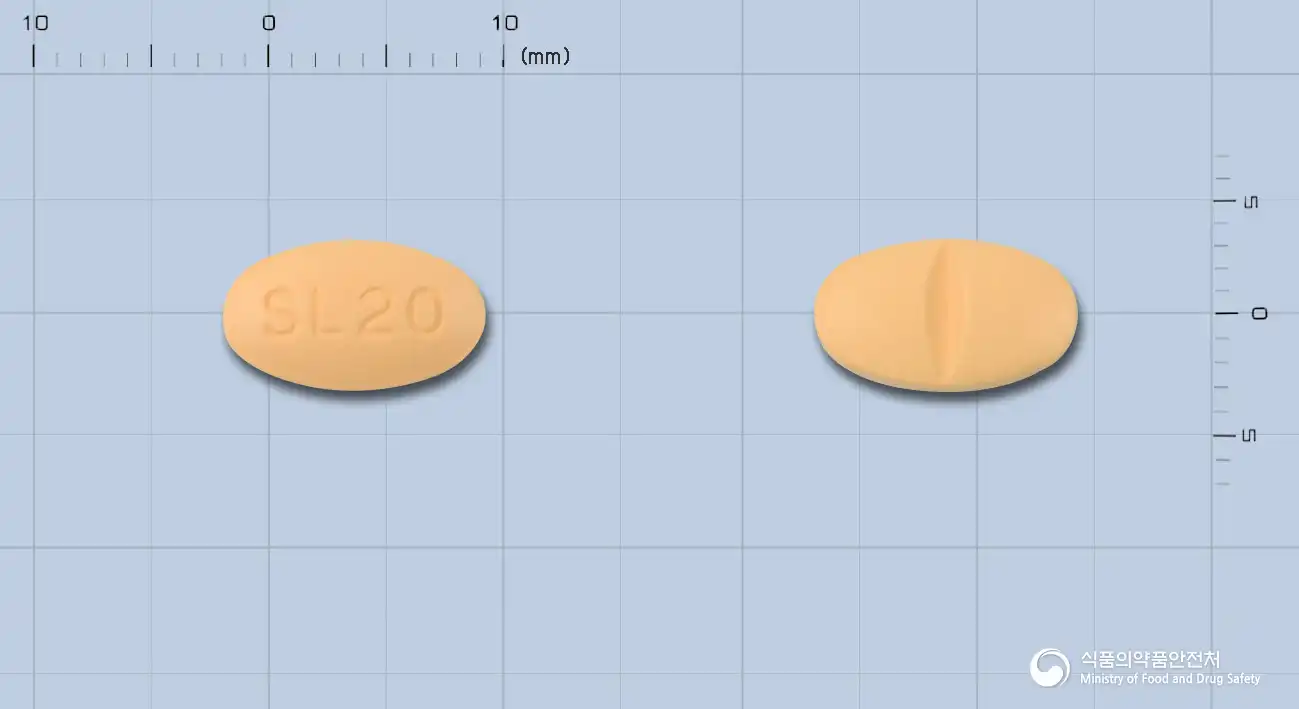
Simvastatin 20mg
Tablet · Prescription medication
Jongkundang Pharmaceutical Co., Ltd.
Simvastatin 20mg
Tablet · Prescription medication
Dong-A ST Co., Ltd.
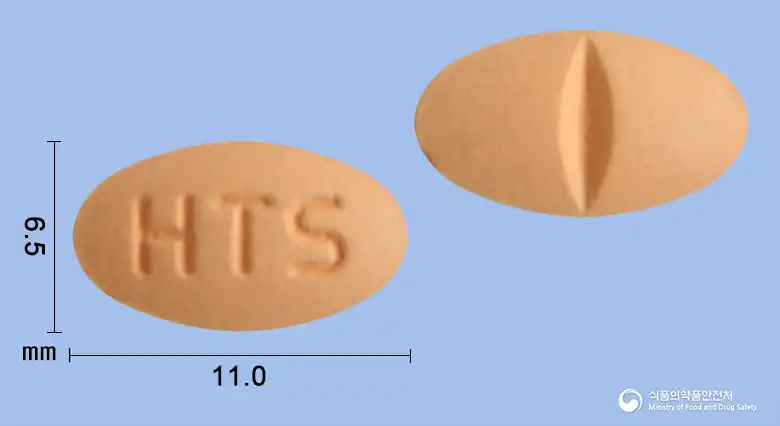
Simvastatin 20mg
Tablet · Prescription medication
Korea Hutech Pharmaceutical Co., Ltd.
Simvastatin 20mg
Tablet · Prescription medication
Yuhan Corporation
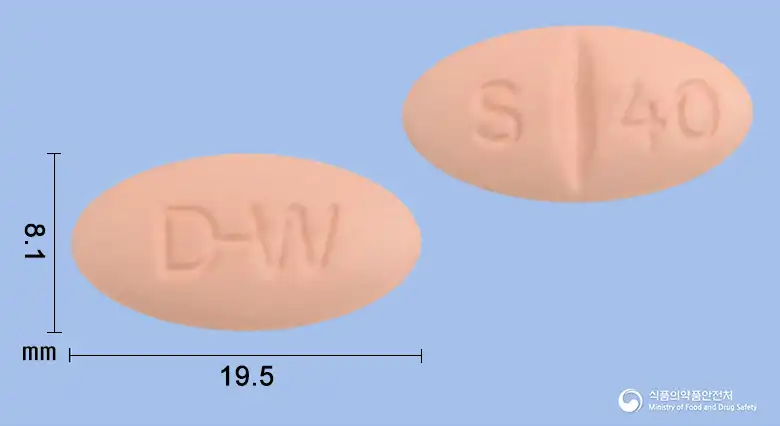
Simvastatin 40mg
Tablet · Prescription medication
Dongwha Pharmaceutical Co., Ltd.
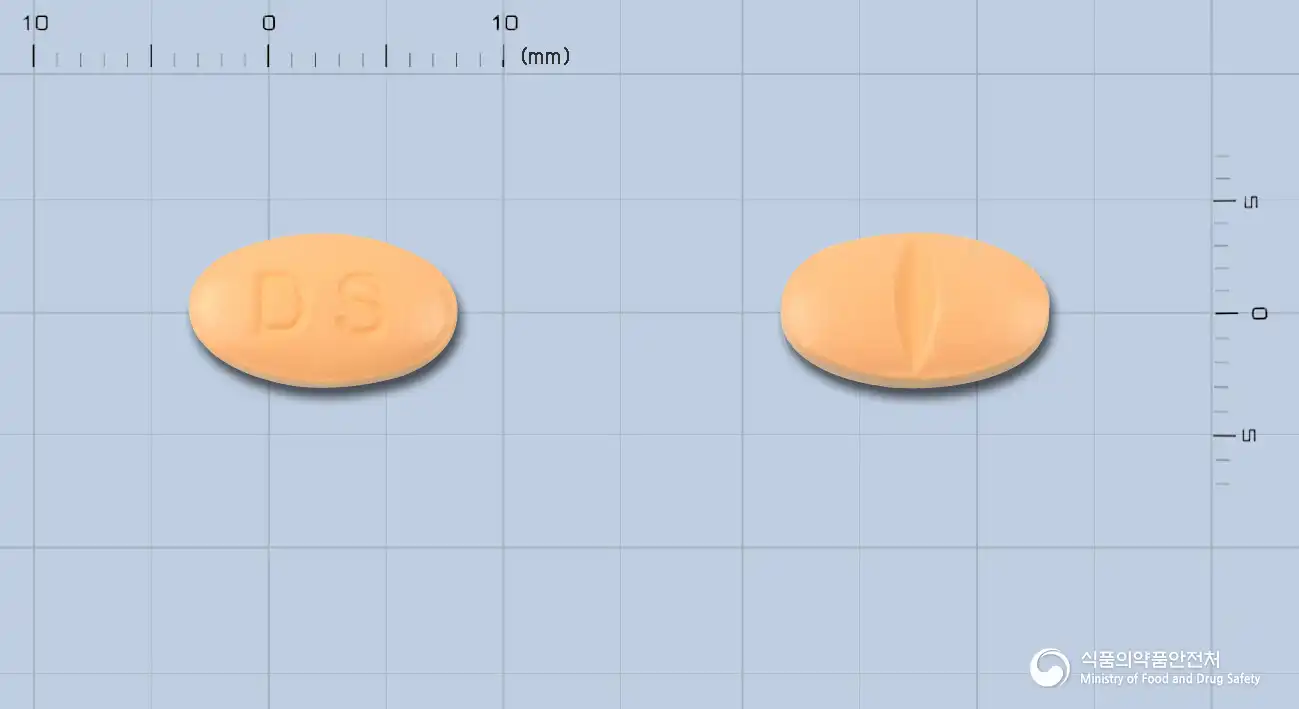
Simvastatin 20mg
Tablet · Prescription medication
Dongsung Pharmaceutical Co., Ltd.
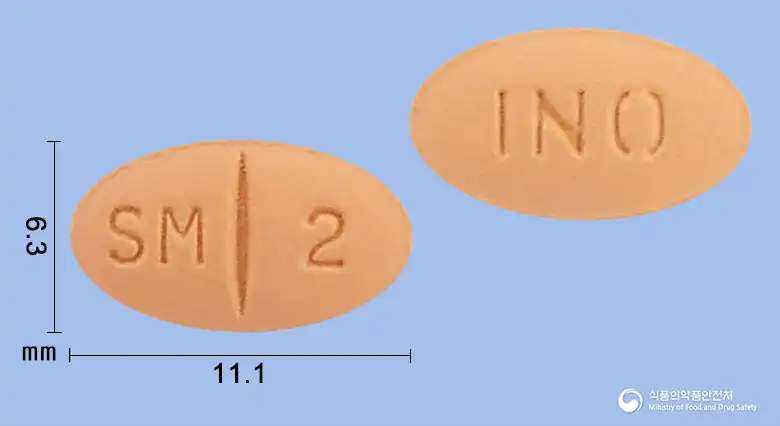
Simvastatin 20mg
Tablet · Prescription medication
HK inno.N Co., Ltd.
Even with the same ingredient, the dose and directions can differ by strength and dosage form. Talk to a doctor or pharmacist before switching from a medication you are already taking.
No questions yet.
For anything that needs medical judgment, consult a doctor or pharmacist.
This drug information is based on data provided by the Korea Ministry of Food and Drug Safety.
Consult a doctor or pharmacist for accurate dosage, administration, and usage instructions.