
 한국어
 English
 日本語
 中文(简体)
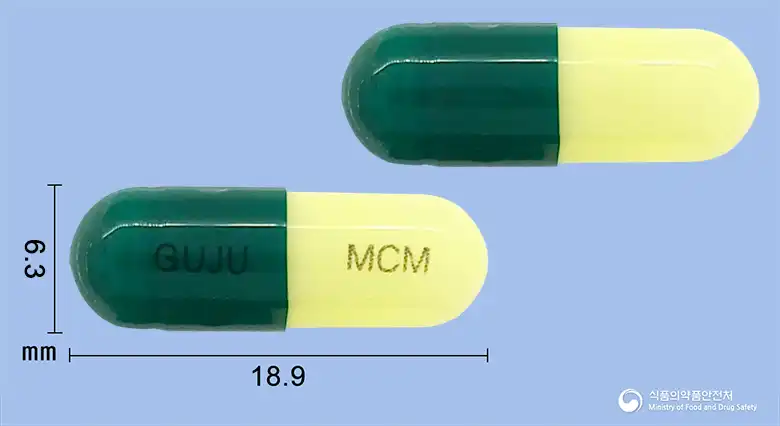 Viewing now
Mucomede Capsule (Erdosteine)
Erdosteine 300mg
Hard capsule · OTC medication
Gujoo Pharmaceutical Co., Ltd.
MFDS item code 200403090 · Notified 2004.08.09 · Insurance code 669801150
Mucolytic and expectorant therapy for acute and chronic respiratory diseases
This medication works by thinning mucus in acute and chronic respiratory conditions, making it easier to expel phlegm and helping phlegm to be easily discharged during coughing. This facilitates easier breathing and effectively improves respiratory symptoms. It promotes the removal of respiratory mucus, assisting in the clearance of foreign substances from the airways and contributing to the overall recovery of lung function. Therefore, it is used for the improvement of mucus-related issues associated with acute and chronic respiratory diseases.
Adults: Administer erdosteine 300 mg orally 2~3 times daily. When used for acute respiratory disease, do not administer continuously for more than 10 days.
This medication should not be used in certain patients. People who are allergic to this drug or any of its ingredients should not take it. Patients with liver cirrhosis or certain enzyme deficiencies should avoid taking this medication as it may interfere with methionine metabolism in the body. Patients with peptic ulcers should also not use this drug. Patients with severe renal impairment or significantly impaired liver function should not take this medication. This drug should be used with caution in some patients. Patients with mildly to moderately impaired liver function should be careful not to exceed 300 mg per day. Diabetics or those on a low-calorie diet should be particularly cautious when using syrup formulations. Additionally, this medication contains Yellow No. 5, so those allergic to this ingredient should be careful when taking it. Overdose of this medication may result in symptoms such as excessive sweating, dizziness, flushing, headache, cold symptoms, and respiratory difficulties. Gastrointestinal side effects may include altered taste, nausea, vomiting, diarrhea, abdominal pain, and heartburn. Skin reactions such as rash, red spots, and eczema have also been reported. Other side effects reported include fatigue, indigestion, palpitations, and swelling of the face or body. Care should be taken when taking this medication with cough suppressants, as it may make phlegm clearance in the bronchi difficult and increase the risk of infection. Pregnant or breastfeeding women should avoid this medication as its safety is not well-established. This medication should be stored out of reach of children, and transferring it to another container should be avoided as it may pose a risk of accidents and degrade its quality.
Not everyone experiences these, and they can vary from person to person.
This medication should be discussed with a doctor or pharmacist if taken along with cough medications.
This medication should be stored in a tightly sealed container to protect it from air and moisture. It is best kept at room temperature between 1 and 30 degrees Celsius.
A solid capsule with a green upper part and a yellowish lower part containing white powder.
30 capsules/bottle, 300 capsules/bottle
Even with the same ingredient, strength, dosage form and how it is taken can differ.
Viewing nowErdosteine 300mg
Hard capsule · OTC medication
Gujoo Pharmaceutical Co., Ltd.
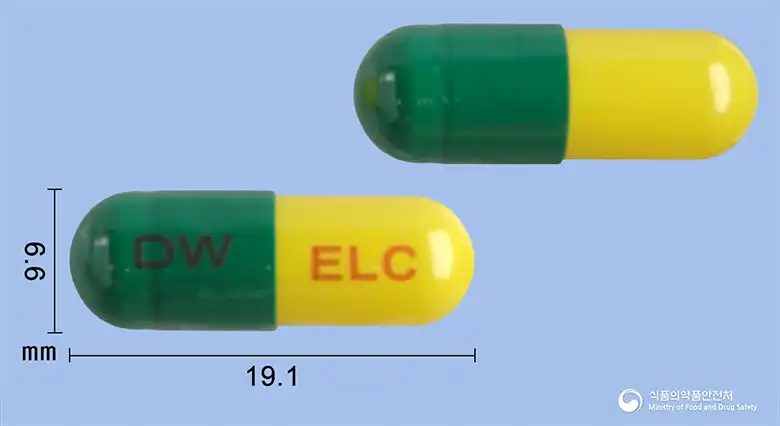
Erdosteine 300mg
Hard capsule · OTC medication
(Co., Ltd.) Daewoong Pharmaceutical
Erdosteine 7g
Suspension · Prescription medication
(Co., Ltd.) Daewoong Pharmaceutical

Erdosteine 300mg
Hard capsule · OTC medication
(Co., Ltd.) Jongkundang
Erdosteine 7000mg
Suspension · Prescription medication
Jongkundang Co., Ltd.

Erdosteine 300mg
Hard capsule · OTC medication
Kukje Pharmaceutical Co., Ltd.

Erdosteine 300mg
Hard capsule · OTC medication
Ildong Pharmaceutical Co., Ltd.
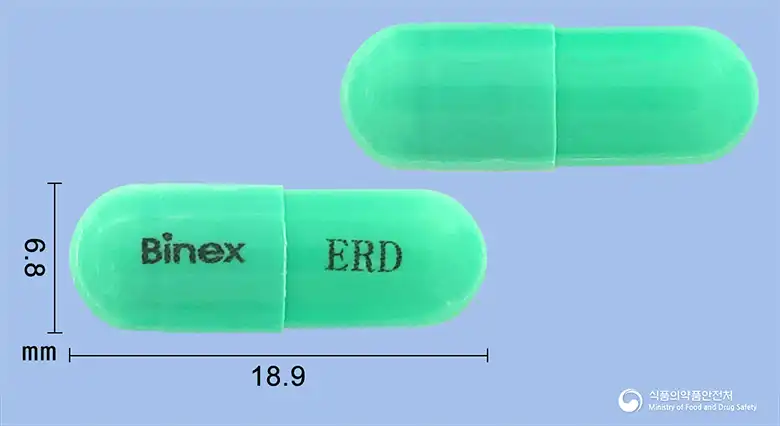
Erdosteine 300mg
Hard capsule · OTC medication
Bionex Co., Ltd.
Even with the same ingredient, the dose and directions can differ by strength and dosage form. Talk to a doctor or pharmacist before switching from a medication you are already taking.
No questions yet.
For anything that needs medical judgment, consult a doctor or pharmacist.
This drug information is based on data provided by the Korea Ministry of Food and Drug Safety.
Consult a doctor or pharmacist for accurate dosage, administration, and usage instructions.