
 한국어
한국어 English
 日本語
日本語 中文(简体)
 Viewing now
Concrin Tablet (Bisoprolol Fumarate)
Bisoprolol Fumarate 5mg
Tablet · Prescription medication
Kooju Pharmaceutical Co., Ltd.
MFDS item code 200403082 · Notified 2004.08.09 · Insurance code 669802630
Improvement of hypertension and angina pectoris, treatment of stable chronic heart failure.
Hypertension and angina pectoris are representative cardiovascular diseases, and this medicine is used to lower blood pressure and reduce the burden on the heart to alleviate symptoms. Additionally, it helps improve heart function in patients with stable chronic heart failure with reduced left ventricular systolic function when used in conjunction with ACE inhibitors and diuretics. It can also be used with cardiac glycosides if necessary to effectively manage symptoms of heart failure. Therefore, this medicine is used for the treatment of hypertension, angina pectoris, and chronic heart failure related to decreased left ventricular function.
Take orally with beverages on an empty stomach in the morning or during breakfast. 1. Hypertension, angina pectoris As bisoprolol fumarate, take 5-10 mg once daily orally. 5 mg is sufficient for mild cases while 10 mg is given for severe cases. In special cases, a maximum of 20 mg can be administered per day. Doses may be adjusted according to age and symptoms. In patients with liver or kidney impairment, do not exceed 10 mg daily in severe cases.
There is no experience in using it in children, so administration is not recommended.
This medicine may not have experience in use for heart failure patients with certain diseases or conditions, so caution is required. For example, it should be administered carefully to patients with Type 1 insulin-dependent diabetes, severe kidney or liver dysfunction, and restrictive cardiomyopathy. Bronchodilators should be used in conjunction for patients with bronchial asthma or chronic obstructive pulmonary disease, and dose adjustment may be necessary for asthma patients as airway resistance may increase. This medication may increase sensitivity to allergens, so attention should be paid to allergy reactions, and in severe cases, adrenaline treatment may not be effective. Patients with psoriasis or a history of psoriasis should consider the risks and benefits of using this medication carefully. For patients with pheochromocytoma, this medicine should be administered after first giving an α-blocker. Thyroid dysfunction patients should be cautious as symptoms of hyperthyroidism may be masked by this medication. Regular check-ups are required at the initiation of treatment, and discontinuing this medication suddenly may worsen cardiac conditions, so dosage should be gradually reduced. This medication should not be used in patients with diabetic ketoacidosis, severe bradycardia, cardiogenic shock, acute heart failure, or severe hypotension. It is recommended not to administer during pregnancy or in women who may become pregnant due to risks to the fetus and newborn. During breastfeeding, as this medicine may be secreted in breast milk, it is necessary to avoid administration or discontinue breastfeeding while taking this medication. Safety in pediatric patients has not been established, so it is preferable not to use it. Elderly patients should start at a low dose and be administered carefully while monitoring their condition. This medication can interact with other drugs, so if other medications are being taken, it is essential to inform the physician, especially when combined with calcium antagonists, antiarrhythmics, and antihypertensives. Caution is advised while driving or operating machinery due to individual differences, especially at the beginning of treatment or when changing medications. In case of overdose, symptoms such as bradycardia, hypotension, bronchospasm, and worsening heart failure may occur, requiring immediate medical attention. This medication should be kept out of reach of children and stored in its original container to prevent quality degradation or misuse.
Not everyone experiences these, and they can vary from person to person.
This medication is sensitive to air and moisture, so it should be stored in a tightly sealed container. The storage temperature should be maintained at room temperature between 1°C and 30°C. Storing it this way can safely maintain the medication's effectiveness.
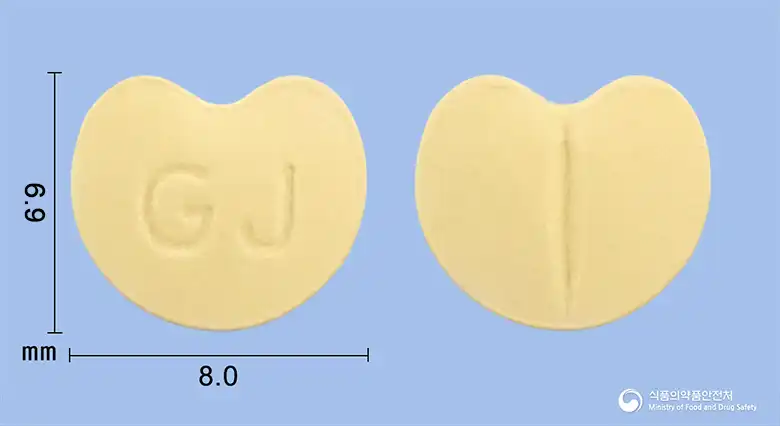
Light yellow, film-coated tablet with a heart shape that is convex on both sides and has a notch on one side.
30 tablets/bottle, 300 tablets/bottle
Even with the same ingredient, strength, dosage form and how it is taken can differ.
Viewing nowBisoprolol Fumarate 5mg
Tablet · Prescription medication
Kooju Pharmaceutical Co., Ltd.
Bisoprolol Fumarate 5mg
Tablet · Prescription medication
Merck Co., Ltd.
Bisoprolol Fumarate 2.5mg
Tablet · Prescription medication
Merck Co., Ltd.
Bisoprolol Fumarate 5mg
Tablet · Prescription medication
Celix Co., Ltd.
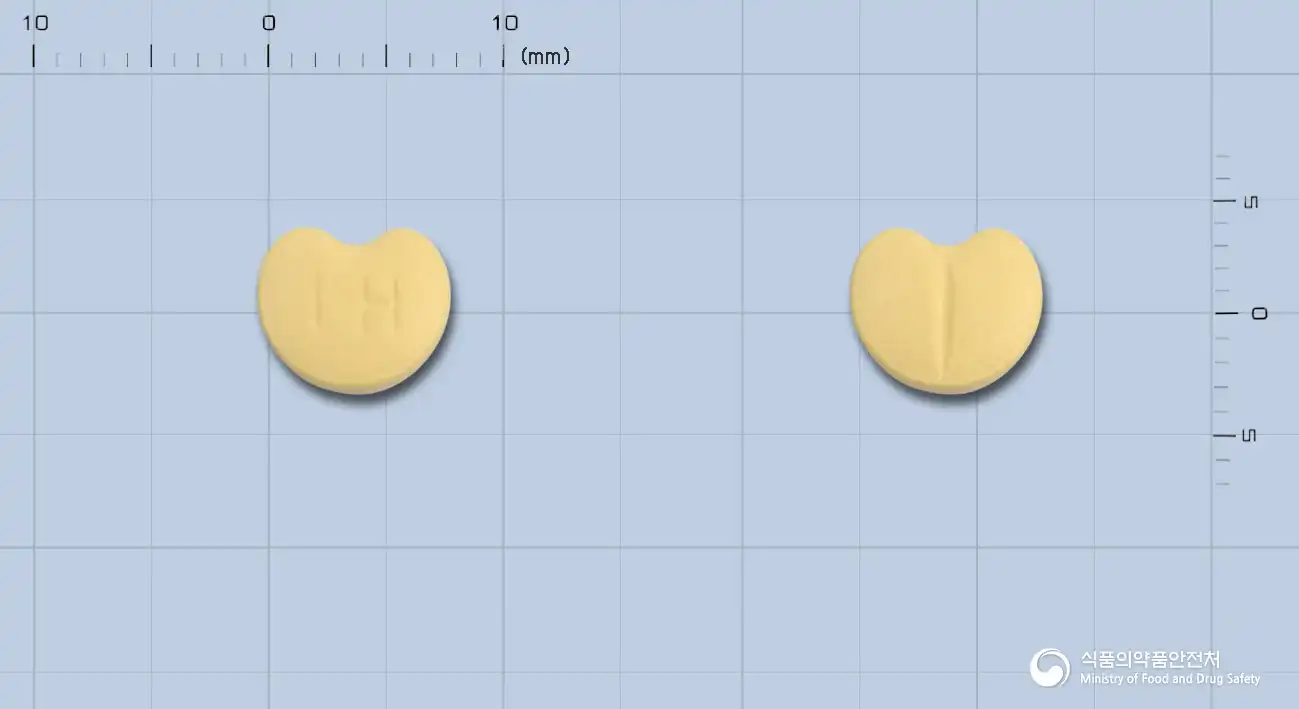
Bisoprolol Fumarate 5mg
Tablet · Prescription medication
Ilhwa Co., Ltd.
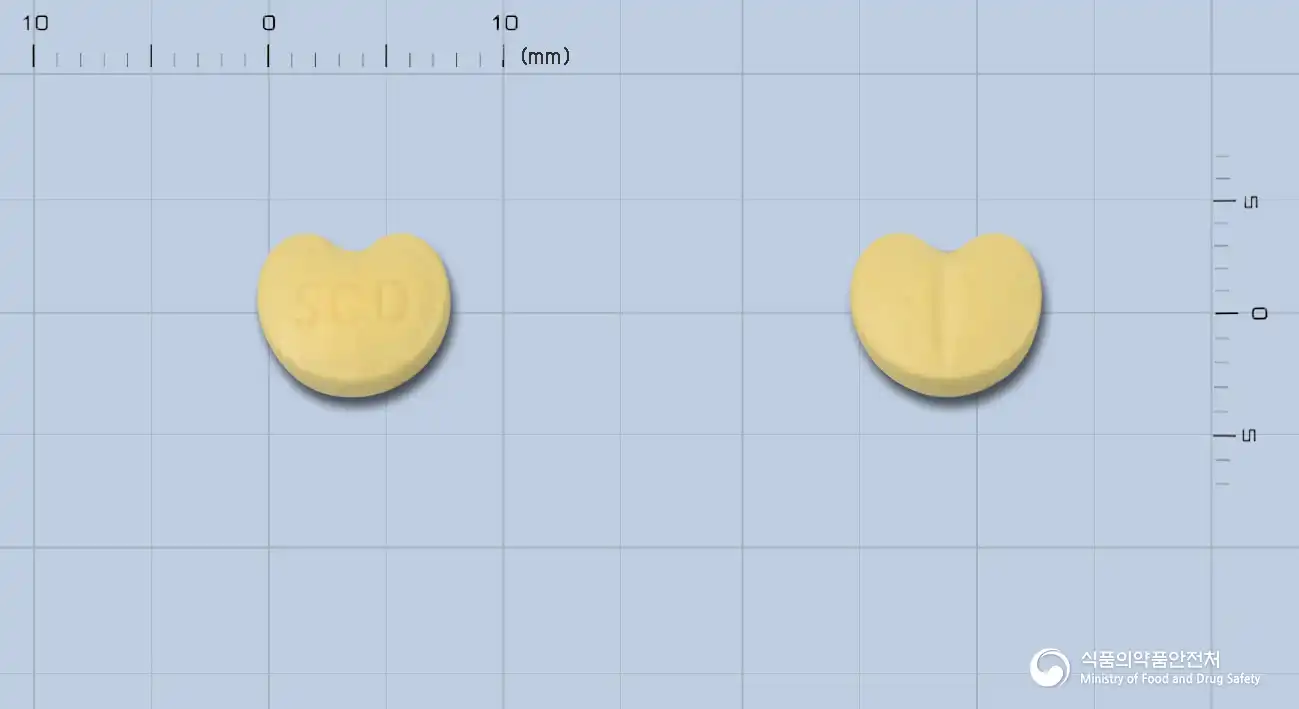
Bisoprolol Fumarate 5mg
Tablet · Prescription medication
Samchundang Pharmaceutical Co., Ltd.
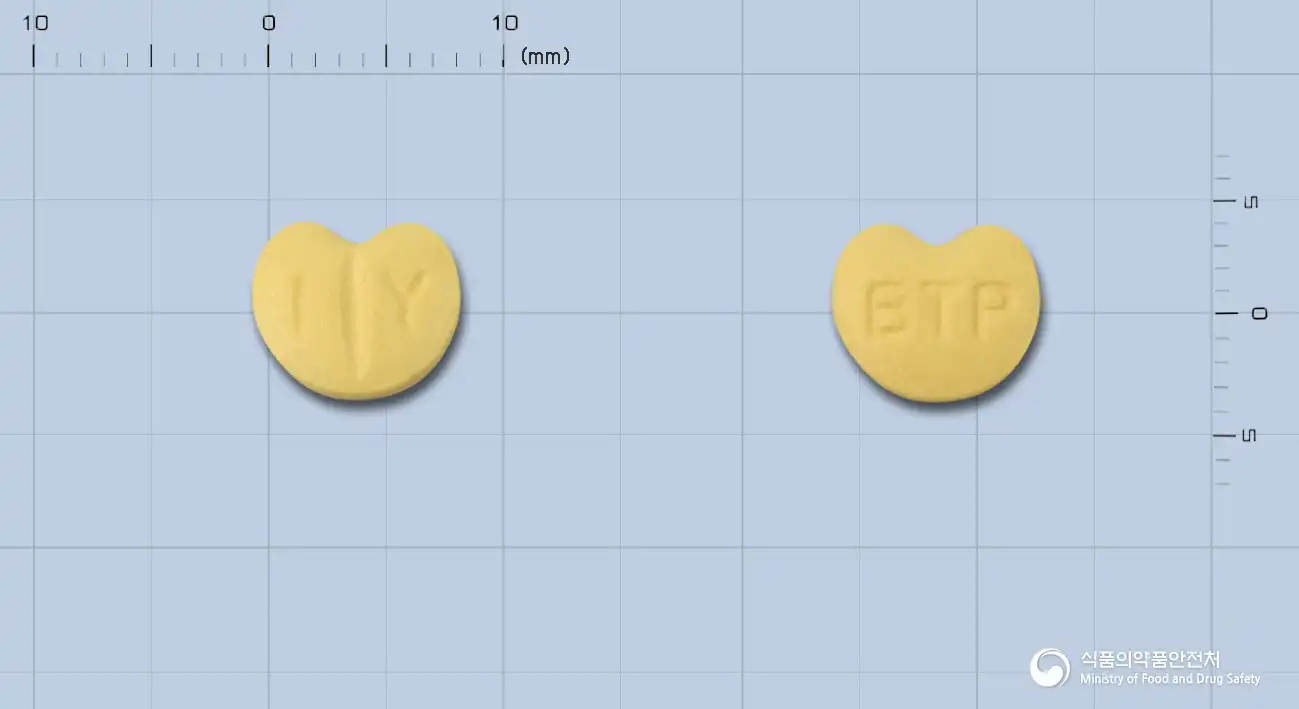
Bisoprolol Fumarate 5mg
Tablet · Prescription medication
Il Yang Pharmaceutical Co., Ltd.
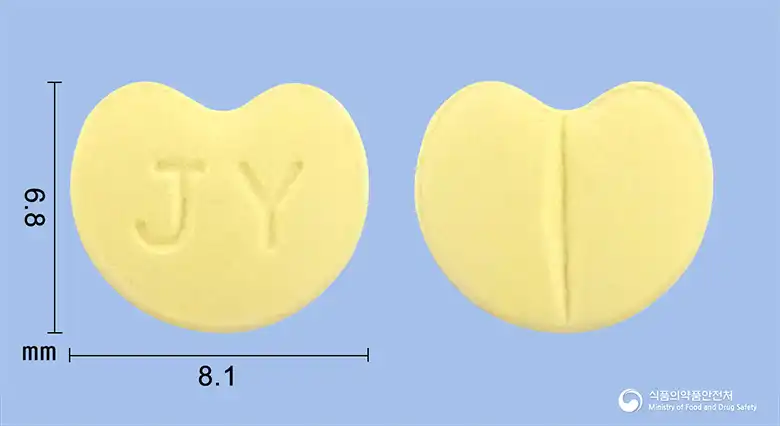
Bisoprolol Fumarate 5mg
Tablet · Prescription medication
Jinyang Pharmaceutical Co., Ltd.
Even with the same ingredient, the dose and directions can differ by strength and dosage form. Talk to a doctor or pharmacist before switching from a medication you are already taking.
No questions yet.
For anything that needs medical judgment, consult a doctor or pharmacist.
This drug information is based on data provided by the Korea Ministry of Food and Drug Safety.
Consult a doctor or pharmacist for accurate dosage, administration, and usage instructions.