
 한국어
 English
 日本語
 中文(简体)
Dosage form image
Viewing nowCefanand Dry Syrup (Cefpodoxime Proxetil)
Cefpodoxime Proxetil 5000mg
Prescription medication
JW Pharmaceutical Co., Ltd.
MFDS item code 200402685 · Notified 2004.05.20 · Insurance code 644100911
Treatment of respiratory and ENT infections, skin infections and scarlet fever, and urinary tract infections
This medication is effective against various bacterial infections. It is used for several skin infections such as inflammatory lesions, pustular acne, boils, soft tissue infections, and inflammation around the fingernails and toenails. It also helps treat respiratory infections like pharyngitis, tonsillitis, bronchitis, chronic bronchitis, and pneumonia. It is effective for urogenital infections, pyelonephritis, and cystitis, and is also used for ear and sinus infections like otitis media and sinusitis. It treats various abscess infections such as mastitis, perianal abscesses, and Bartholin's gland infections. This wide-ranging antibiotic improves patient health.
○ Adults: Administer cefpodoxime 100mg (potency) orally twice daily after meals. If the infection is severe or the response is considered inadequate, administer 200mg (potency) orally twice daily after meals. Adjust the dose appropriately according to age, symptoms, etc.
○ Infants and children: Suspend before use and administer cefpodoxime orally at a dose of 3mg (potency) per Kg of body weight per dose, 2~3 times daily. For cases considered severe or for which the response is inadequate, administer 4.5mg (potency) per Kg of body weight per dose orally 3 times daily. Adjust the dose appropriately according to age, symptoms, etc.
This medication contains the artificial sweetener aspartame, which is broken down into phenylalanine in the body. Therefore, it should not be administered to patients with the genetic disorder phenylketonuria. The daily allowable intake of aspartame should be controlled below the WHO recommended amount, which allows up to 2.4g per day for a 60kg adult. This medication should not be used by patients who have previously had shock reactions due to this drug. Additionally, since this medication contains lactose, patients with genetic conditions such as galactose intolerance, Lapp lactase deficiency, or glucose-galactose malabsorption should not take it. Patients with allergic reactions to this medication's ingredients or similar classes of antibiotics should generally not be administered the drug, but it may be used cautiously when absolutely necessary. Individuals with allergies to penicillin antibiotics, those with allergic predispositions, and patients with severe renal diseases should also exercise caution. Patients who have a hard time swallowing or are elderly or in poor general health can show symptoms of vitamin K deficiency, and their condition should be closely monitored. While taking this medication, serious allergic reactions such as shock or anaphylaxis can rarely occur, so symptoms should be closely observed. If symptoms such as hives, rash, itching, fever, joint pain, etc., appear, the medication should be discontinued and treated. Gastrointestinal issues may include pseudomembranous colitis, abdominal pain, nausea, vomiting, or diarrhea; if these symptoms occur, the medication should be stopped immediately. Respiratory issues may include rare cases of pneumonia or eosinophilic lung infiltration; if symptoms such as difficulty breathing or cough occur, the medication should be stopped and treated. Blood tests may show decreased white blood cells, abnormal platelets, etc., so regular blood tests are required with prolonged use. Issues may arise in the central nervous system, showing signs such as cognitive impairment or seizures if the dose cannot be adjusted with poor renal function. Rarely, severe skin diseases can occur, so the condition of the skin should be carefully observed and discontinued if unusual symptoms appear. Liver and kidney function can also be affected; regular examinations are necessary. Long-term use of this drug may lead to infections such as stomatitis or candidiasis. Symptoms of bleeding tendencies due to vitamin K deficiency or vitamin B complex deficiency can also rarely appear, so caution is necessary. This medication should only be used for the minimum necessary duration to prevent the emergence of resistant bacteria, and adequate history taking and skin tests are advised to predict allergic reactions. Caution should be taken while driving or operating machinery due to potential dizziness. Particularly, patients with reduced renal function should thoroughly adjust the dosage, and treatment should be stopped immediately if seizures occur. This medication can burden the kidneys when taken with other diuretics or aminoglycoside antibiotics, so caution is necessary. Safety during pregnancy has not been established; hence, it should only be administered when necessary, weighing risks and benefits, and breastfeeding women are advised to suspend nursing. Safety in children or newborns has not been confirmed sufficiently, so it should be used with caution. Elderly patients are at an increased risk for reduced bodily function and adverse reactions; dosage and dosing intervals should be adjusted while monitoring their condition carefully.
shock
Not everyone experiences these, and they can vary from person to person.
This medication should be stored in a tightly sealed container to protect it from air and moisture. It is best stored at room temperature between 1 to 30 degrees Celsius. Avoid places that are too hot or too cold.
This medication is a pale pink to pale purple granular substance.
40g/bottle (200mL)
Even with the same ingredient, strength, dosage form and how it is taken can differ.
Cefpodoxime Proxetil 5000mg
Prescription medication
JW Pharmaceutical Co., Ltd.

Cefpodoxime Proxetil 100mg
Tablet · Prescription medication
HK inno.N Co., Ltd.
Cefpodoxime Proxetil 5000mg
Prescription medication
HK inno.N Co., Ltd.
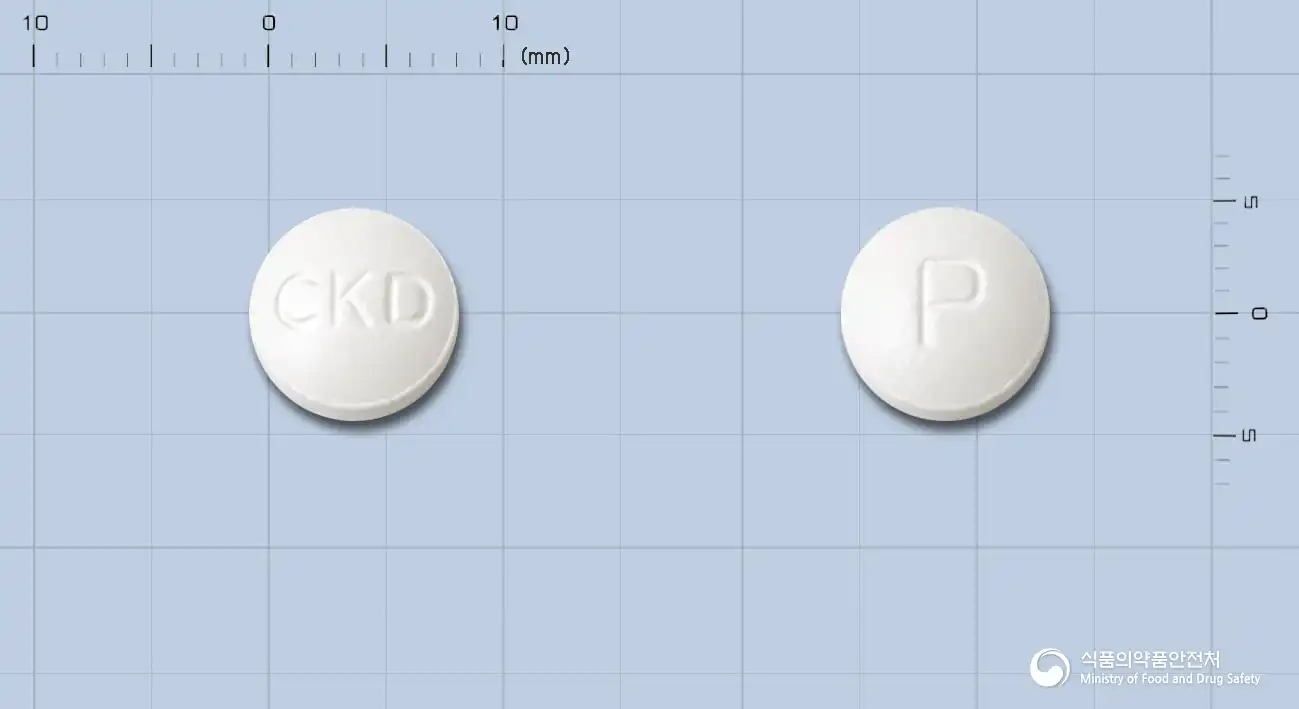
Cefpodoxime Proxetil 100mg
Tablet · Prescription medication
Jongkundang Co., Ltd.

Cefpodoxime Proxetil 100mg
Tablet · Prescription medication
Youngjin Pharmaceutical Co., Ltd.

Cefpodoxime Proxetil 130mg
Tablet · Prescription medication
Hanmi Pharmaceutical Co., Ltd.
Cefpodoxime Proxetil 5000mg
Prescription medication
Jongkundang Co., Ltd.
Cefpodoxime Proxetil
Prescription medication
SK Chemicals Co., Ltd.
Even with the same ingredient, the dose and directions can differ by strength and dosage form. Talk to a doctor or pharmacist before switching from a medication you are already taking.
No questions yet.
For anything that needs medical judgment, consult a doctor or pharmacist.
This drug information is based on data provided by the Korea Ministry of Food and Drug Safety.
Consult a doctor or pharmacist for accurate dosage, administration, and usage instructions.