
 한국어
 English
 日本語
 中文(简体)
 Viewing now
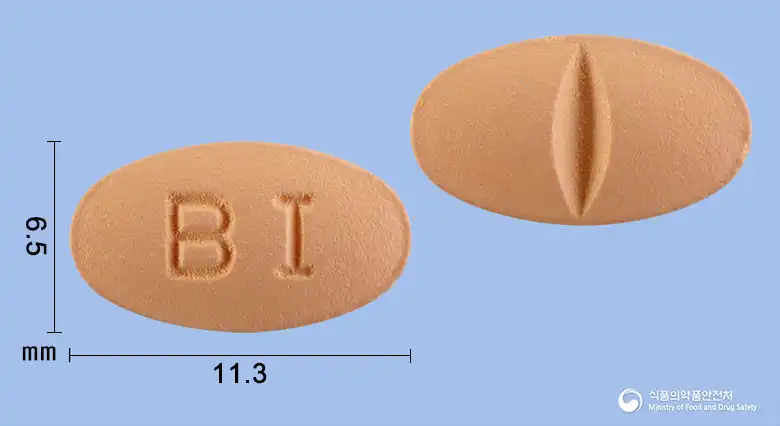
Simvax Tablets (Simvastatin)
Simvastatin 20mg
Tablet · Prescription medication
Bainex Co., Ltd.
MFDS item code 200402604 · Notified 2004.11.16
Improvement of hyperlipidemia and pediatric familial hypercholesterolemia; reduction of cardiovascular disease risk
This medication helps lower the risk of cardiovascular diseases. It is particularly effective in reducing the risk of death and recurrence from myocardial infarction or stroke in adult patients with a history of coronary heart disease, diabetes, peripheral vascular disease, and stroke. It also helps improve cholesterol and triglyceride levels in patients with hyperlipidemia, maintaining a healthy blood lipid profile. It is used as an adjunct to diet in pediatric patients with familial hypercholesterolemia to help lower harmful lipid levels in the blood. This drug is widely used for the prevention and treatment of hyperlipidemia and cardiovascular complications.
Patients must follow a standard cholesterol-lowering diet before and during treatment with this medicine. 1. Reduction of the risk of cardiovascular disease Adult patients at high risk of coronary heart disease events due to a history of coronary heart disease, diabetes, peripheral vascular disease, stroke, or other cerebrovascular disease The recommended initial dose is 40 mg of simvastatin once daily. 2. Hyperlipidemia 1) Reduction of risk in patients with hypercholesterolemia and coronary heart disease, and hyperlipidemia The usual recommended starting dose is 20 mg of this medicine once daily in the evening. Patients with mild to moderate hypercholesterolemia may start with 10 mg of this medicine. A dose of 5–40 mg of this medicine once daily in the evening is recommended. Adjust the dose appropriately according to the baseline LDL cholesterol level before treatment, the treatment goal, and the patient's response to the medicine. Measure cholesterol levels 4 weeks after starting treatment and periodically thereafter to adjust the dose. Reduce the dose if the cholesterol level falls below the target level. Because of the increased risk of myopathy, including rhabdomyolysis, use of the 80 mg dose of this medicine, particularly during the first year of treatment, is restricted to patients who have taken 80 mg of this medicine for 12 months or longer without evidence of muscle toxicity (see 1. Warnings under Precautions for Use). 2) For recommended doses in patients taking this medicine concomitantly with fibrates (excluding gemfibrozil and fenofibrate), amiodarone, verapamil, diltiazem, or amlodipine, and in certain patient groups (i.e., patients with homozygous familial hypercholesterolemia, elderly patients, and patients with renal impairment), see the information below (see 6. Interactions under Precautions for Use). (1) Use in patients with homozygous familial hypercholesterolemia Results of controlled clinical trials indicate that patients with homozygous familial hypercholesterolemia should take 40 mg of this medicine once daily in the evening. This medicine may be used in combination with other lipid-lowering treatments (e.g., LDL apheresis), or if other lipid-lowering treatments are not available. (2) In elderly patients, the maximum reduction in cholesterol levels may be achieved with a daily dose of 20 mg of this medicine. (3) Use in patients taking verapamil, diltiazem, or dronedarone When this medicine is coadministered with verapamil, diltiazem, or dronedarone, the dose of this medicine should not exceed 10 mg daily. (4) Use in patients taking amiodarone, amlodipine, or ranolazine When this medicine is coadministered with amiodarone, amlodipine, or ranolazine, the dose of this medicine should not exceed 20 mg daily. (5) Concomitant use with other lipid-lowering agents This medicine is effective when used alone or in combination with a bile acid sequestrant. When this medicine is coadministered with a fibrate (excluding gemfibrozil (see 2. Do not administer to the following patients under Precautions for Use) and fenofibrate), the dose of this medicine should not exceed 10 mg daily. (6) Use in patients with renal impairment As this medicine is not extensively excreted by the kidneys, no dose adjustment is required in patients with mild to moderate renal impairment. However, in patients with severe renal impairment, start with an initial dose of 5 mg daily and monitor carefully.
Pediatric patients aged 10–17 years with heterozygous familial hypercholesterolemia: The recommended initial dose is 10 mg of this medicine once daily in the evening. The recommended dosage range is 10–40 mg daily, and the recommended maximum dose is 40 mg daily. Adjust the dose appropriately for each patient according to the recommended treatment goal. Allow an interval of 4 weeks or longer between dose adjustments.
This medication primarily works in the liver to lower blood cholesterol levels. Patients should be cautious as muscle-related side effects such as myalgia or muscle weakness may occur during treatment. The risk of muscle disease and rhabdomyolysis may increase, especially when taken at high doses or combined with other medications. Therefore, for high doses, the physician may adjust to a lower dose or change medications according to guidance. This medication may affect liver function, and it should not be taken by individuals with liver disease or abnormal liver function tests, and regular liver function tests should be conducted during treatment. Pregnant or breastfeeding women should not take this medication, and women of childbearing age must ensure contraception if there is a possibility of pregnancy. Additionally, the risk of side effects may increase when taken with certain antibiotics, antifungals, and immunosuppressants that inhibit the CYP3A4 enzyme, so consult a doctor if there are any concomitant drugs. Elderly patients, those with kidney disease, and those with hypothyroidism are at higher risk for muscle disease, requiring additional caution. If unexplained muscle pain, tenderness, or weakness occurs during treatment, inform the physician immediately, and the medication may need to be discontinued if symptoms are severe. Taking this medication with grapefruit juice should be avoided as it may increase blood drug concentration and the risk of side effects. This medication is not recommended for children, especially those under 10 years old or pre-menarchal females. If overdose occurs, seek immediate medical attention for proper treatment, typically based on symptoms. Lastly, it is important to store this medication out of reach of children and keep it in its original container, avoiding transfer to other containers.
Not everyone experiences these, and they can vary from person to person.
Store this medication in a tightly closed container that is not exposed to air, preferably at room temperature between 1 and 30 degrees Celsius. This will help maintain the medication's efficacy for a longer period.
Yellowish-brown oval film-coated tablets
30 tablets/bottle, 300 tablets/bottle
Even with the same ingredient, strength, dosage form and how it is taken can differ.
Viewing nowSimvastatin 20mg
Tablet · Prescription medication
Bainex Co., Ltd.
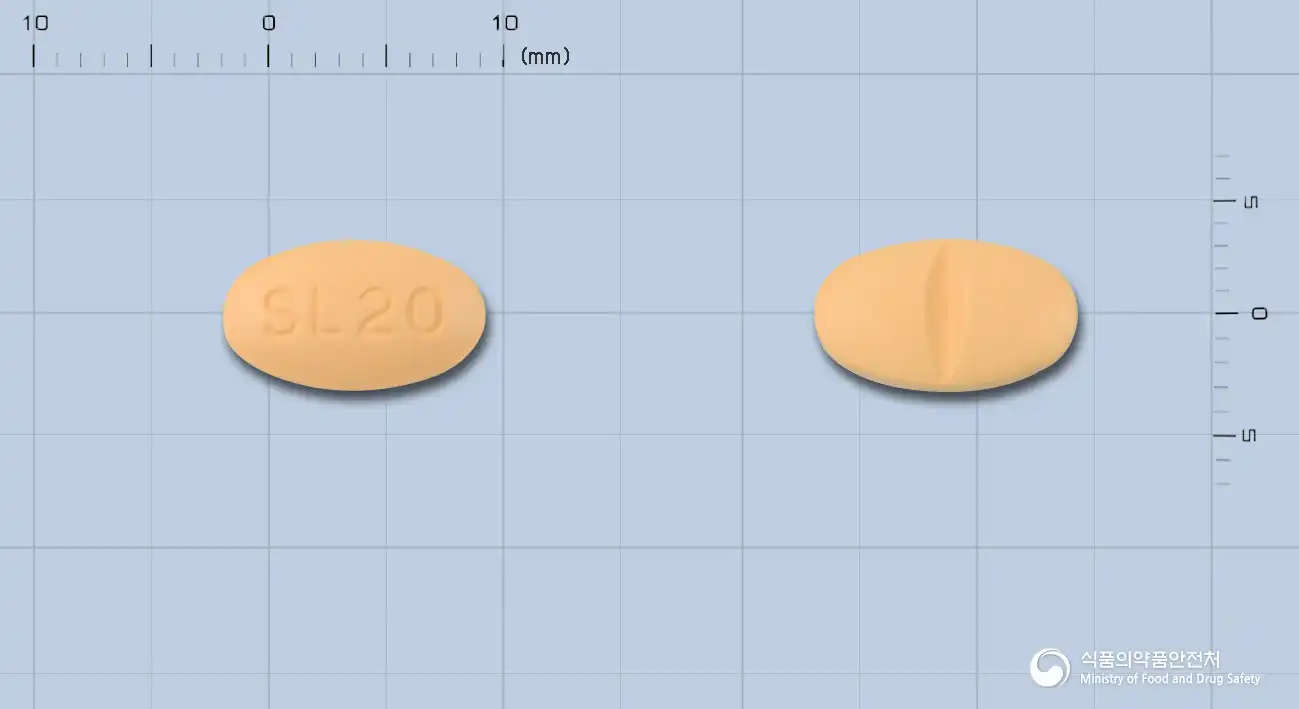
Simvastatin 20mg
Tablet · Prescription medication
Jongkundang Pharmaceutical Co., Ltd.
Simvastatin 20mg
Tablet · Prescription medication
Dong-A ST Co., Ltd.
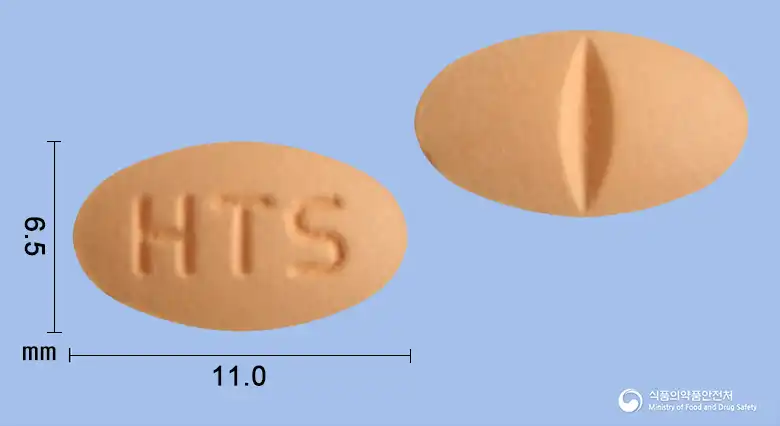
Simvastatin 20mg
Tablet · Prescription medication
Korea Hutech Pharmaceutical Co., Ltd.
Simvastatin 20mg
Tablet · Prescription medication
Yuhan Corporation
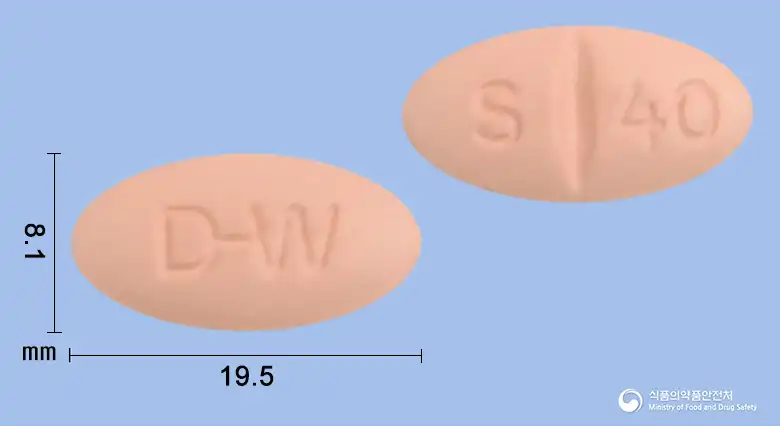
Simvastatin 40mg
Tablet · Prescription medication
Dongwha Pharmaceutical Co., Ltd.
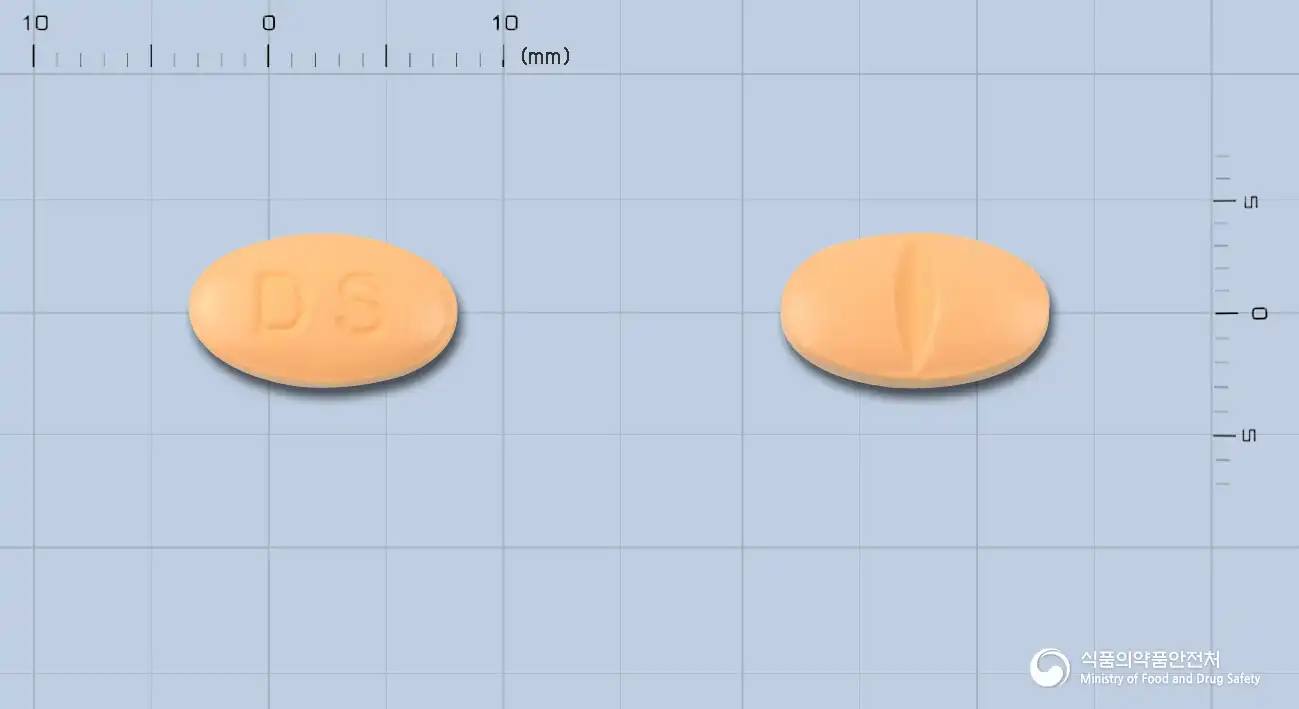
Simvastatin 20mg
Tablet · Prescription medication
Dongsung Pharmaceutical Co., Ltd.
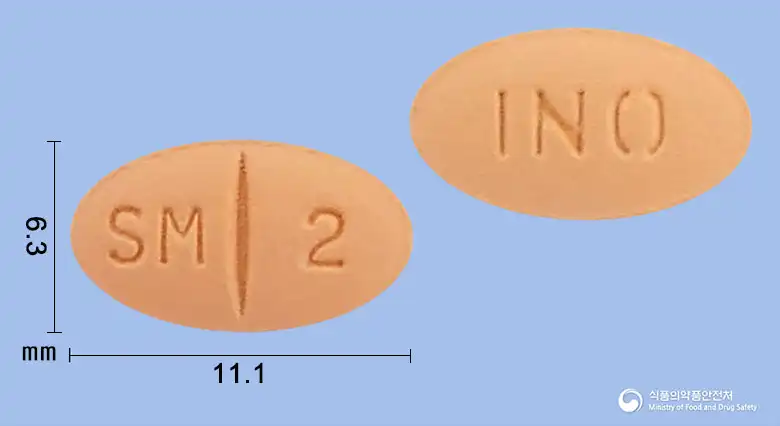
Simvastatin 20mg
Tablet · Prescription medication
HK inno.N Co., Ltd.
Even with the same ingredient, the dose and directions can differ by strength and dosage form. Talk to a doctor or pharmacist before switching from a medication you are already taking.
No questions yet.
For anything that needs medical judgment, consult a doctor or pharmacist.
This drug information is based on data provided by the Korea Ministry of Food and Drug Safety.
Consult a doctor or pharmacist for accurate dosage, administration, and usage instructions.