
 한국어
 English
 日本語
 中文(简体)
 Viewing now
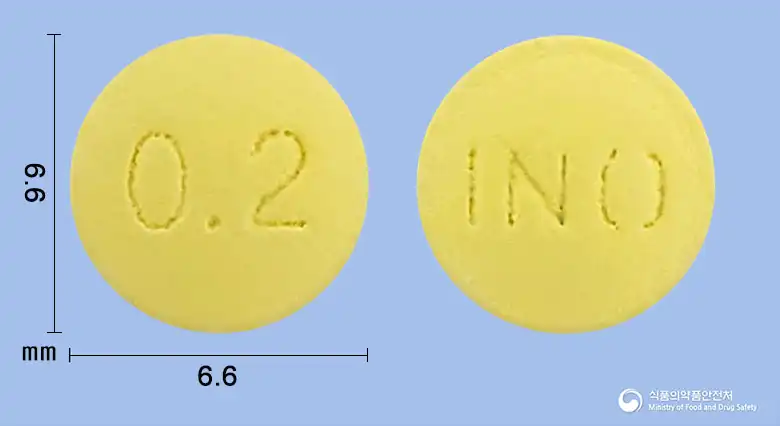
Tamsulosin Sustained Release 0.2 mg (Tamsulosin Hydrochloride)
Tamsulosin Hydrochloride 0.2mg
Tablet · Prescription medication
HK inno.N Co., Ltd.
MFDS item code 200401547 · Approved 2004.09.20 · Insurance code 640003590
Improvement of voiding difficulties associated with benign prostatic hyperplasia
Used to relieve urinary disorders caused by benign prostatic hyperplasia, such as difficulty urinating and the sensation of residual urine.
Adults: Administer tamsulosin hydrochloride 0.2 mg orally once daily after a meal. Swallow this drug whole; do not crush or chew it. Adjust the dose as appropriate according to symptoms.
This medication should not be used in certain patients. For example, patients who have had an allergic reaction to this drug or its components, patients with orthostatic hypotension, severely impaired liver function, and women who are pregnant or may become pregnant should not be administered this medication. Additionally, it should be used with caution in patients with severely impaired kidney function, the elderly, and patients taking certain other medications (e.g., PDE5 inhibitors, CYP3A4 inhibitors, antihypertensives). In particular, patients already taking alpha-1 blockers or with a history of micturition syncope generally should not receive this medication but may be used with caution if absolutely necessary. During treatment with this drug, symptoms such as dizziness, decreased blood pressure, and loss of consciousness may occur, so close observation of symptoms is necessary. If these adverse symptoms develop, the medication should be discontinued immediately and appropriate treatment should be obtained. If any allergic reactions such as skin rash, itching, or hives appear, administration should be stopped immediately, and gastrointestinal symptoms such as dyspepsia, nausea, vomiting, constipation, or diarrhea may also be reported. If signs of liver dysfunction or jaundice occur, medication should also be discontinued and a physician should be consulted. This medication can lower blood pressure, so care should be taken to avoid an overdose, especially since blood pressure may drop sharply upon standing; thus, it is important to change positions slowly. When performing dangerous tasks such as driving or operating machinery, caution is advised as dizziness or drowsiness may occur. This medication aids in symptomatic relief rather than treating the underlying cause, so if effectiveness is lacking, surgical or other treatment options should be considered. This medication may interact with specific antifungals, antibiotics, and some cardiovascular drugs, so if you are taking other medications, be sure to inform your doctor or pharmacist. This medication is not used in pregnant or breastfeeding women or children under 18 as its safety and efficacy have not been established. Elderly patients should adjust the dosage according to kidney function, starting with a low dose and increasing while monitoring their condition. This product is available in extended-release tablet or capsule form; do not chew or open the capsule, and take it exactly as instructed. Finally, this medication should be kept out of the reach of children and should not be transferred to other containers.
Not everyone experiences these, and they can vary from person to person.
This medication should be stored in a tightly closed container to protect it from air or moisture. It is best to maintain storage temperatures between 1°C and 30°C at room temperature. This will help to safely preserve the efficacy of the medication.
Pale yellow film-coated tablet
100 tablets (10 tablets/PTPX10)
Even with the same ingredient, strength, dosage form and how it is taken can differ.
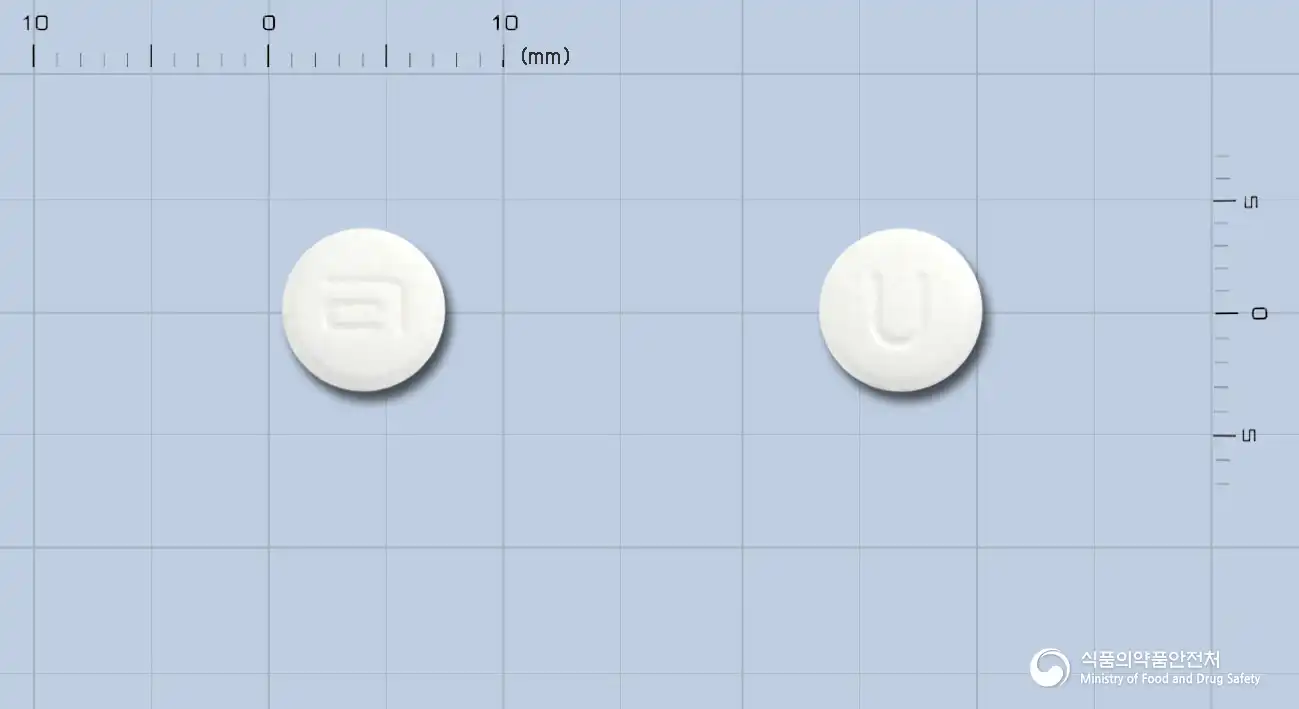
Viewing nowTamsulosin Hydrochloride 0.2mg
Tablet · Prescription medication
HK inno.N Co., Ltd.
Tamsulosin Hydrochloride 0.2mg
Tablet · Prescription medication
Kyungdong Pharmaceutical Co., Ltd.
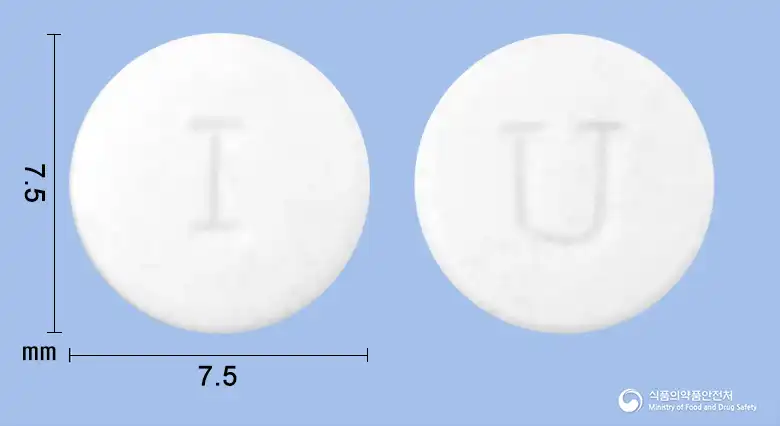
Tamsulosin Hydrochloride 0.2mg
Tablet · Prescription medication
Il Dong Pharmaceutical Co., Ltd.
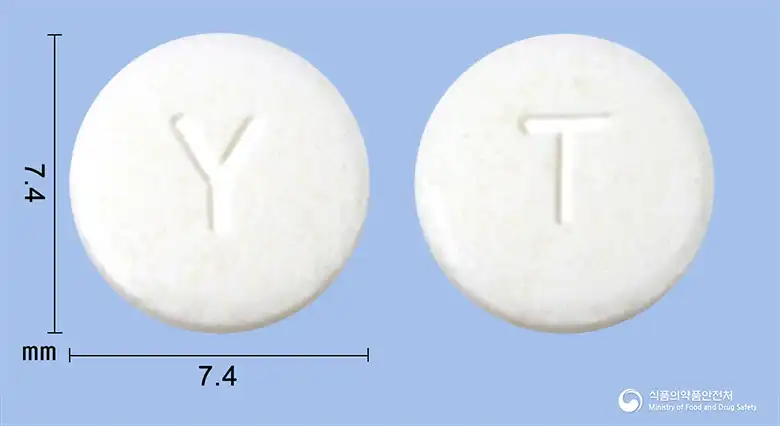
Tamsulosin Hydrochloride 0.2mg
Tablet · Prescription medication
Yuhan Corporation
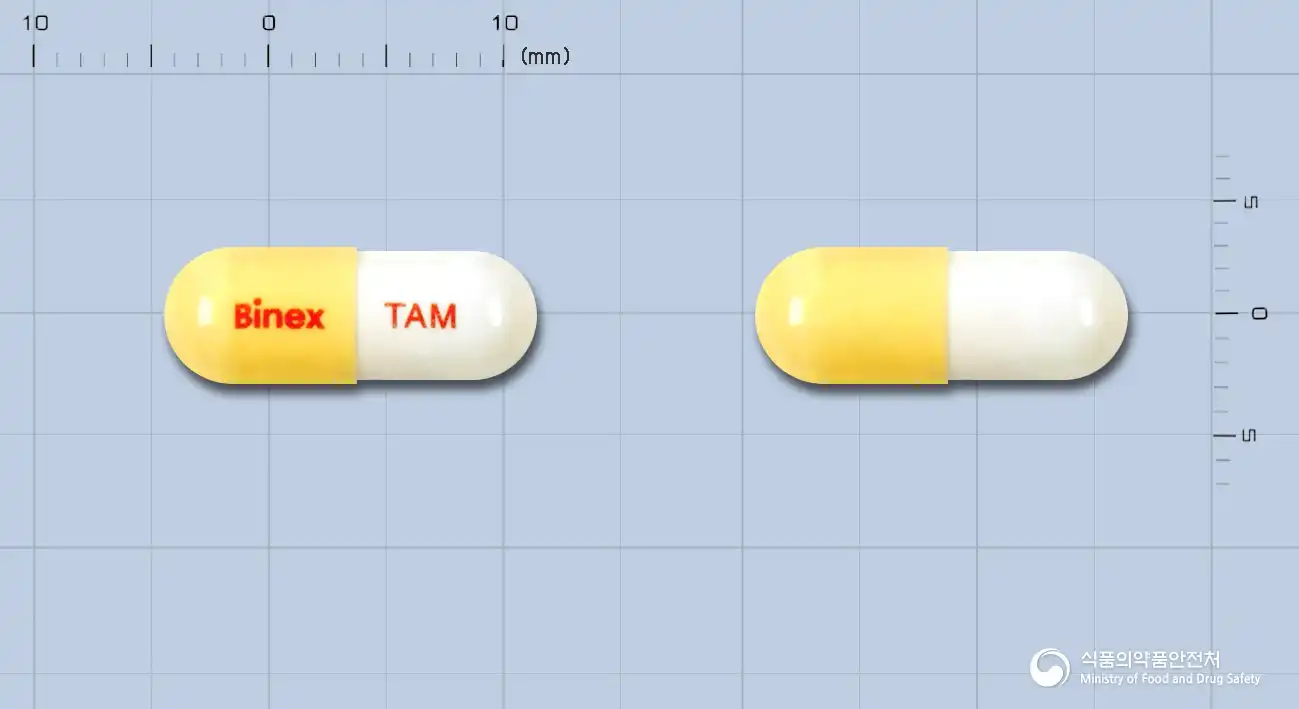
Tamsulosin Hydrochloride 0.2mg
Prescription medication
Bynex Co., Ltd.
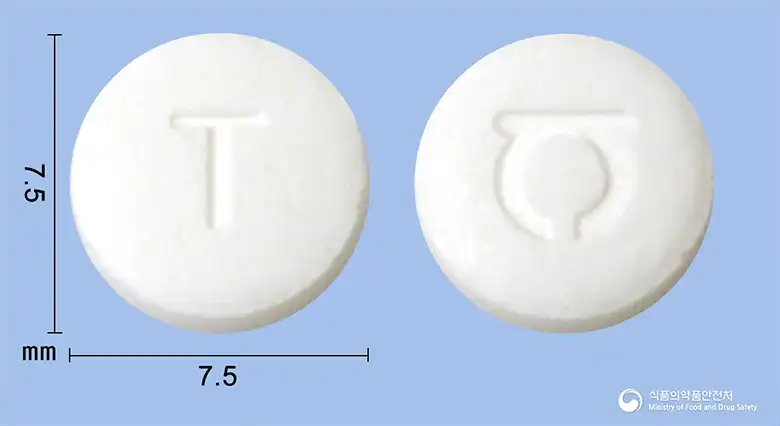
Tamsulosin Hydrochloride 0.2mg
Tablet · Prescription medication
Youngjin Pharmaceutical Co., Ltd.
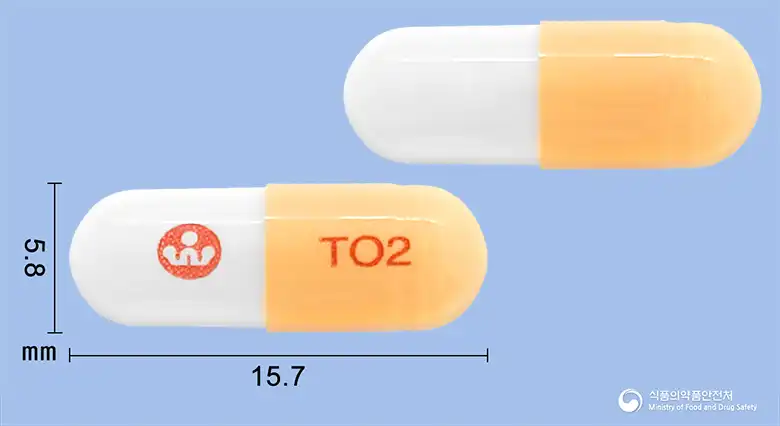
Tamsulosin Hydrochloride 0.2mg
Prescription medication
Han-in Pharmaceutical Co., Ltd.
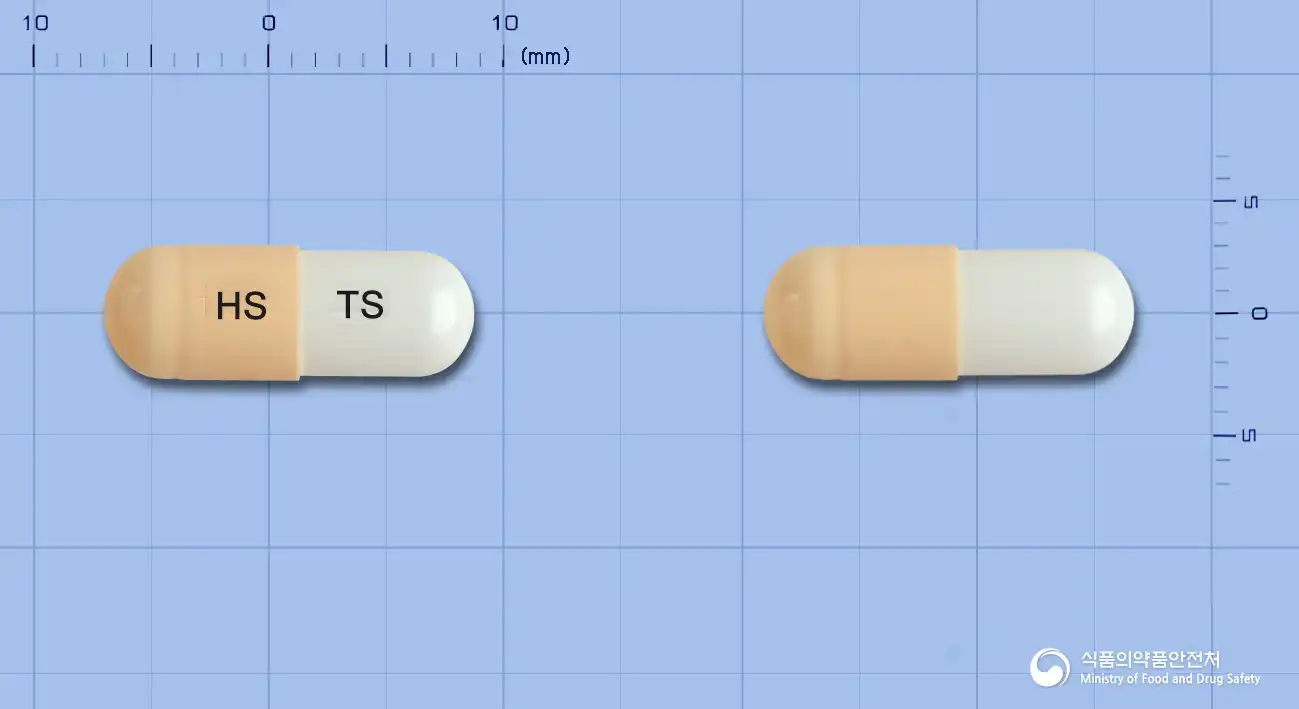
Tamsulosin Hydrochloride 0.2mg
Hard capsule · Prescription medication
Huons Co., Ltd.
Even with the same ingredient, the dose and directions can differ by strength and dosage form. Talk to a doctor or pharmacist before switching from a medication you are already taking.
No questions yet.
For anything that needs medical judgment, consult a doctor or pharmacist.
This drug information is based on data provided by the Korea Ministry of Food and Drug Safety.
Consult a doctor or pharmacist for accurate dosage, administration, and usage instructions.