
 한국어
한국어 English
 日本語
日本語 中文(简体)
 Viewing now
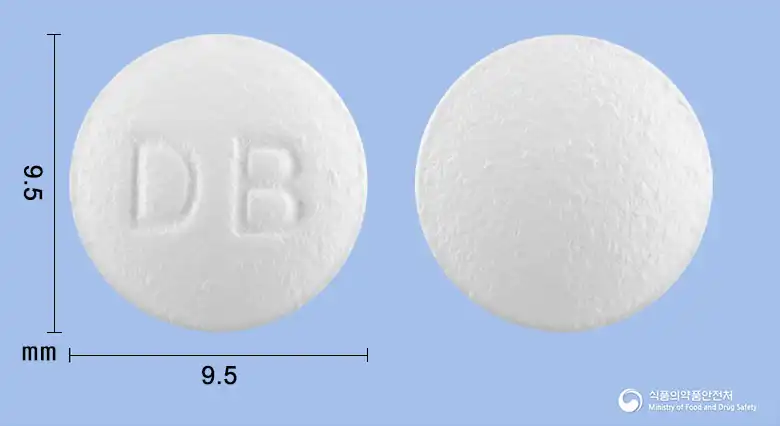
Glupa Tablet 250 mg (Metformin Hydrochloride)
Metformin Hydrochloride 250mg
Tablet · Prescription medication
Darim Biotech Co., Ltd.
MFDS item code 200401527 · Notified 2004.03.05 · Insurance code 664600040
Improvement of type 2 diabetes (blood sugar control)
This medicine is used for the treatment of patients with type 2 diabetes whose blood sugar control is insufficient with diet and exercise alone. It is particularly effective in overweight diabetic patients. In adults, this medication can be used alone or in combination with other oral hypoglycemics or insulin. It can also be used as monotherapy or in combination with insulin in children aged 10 and older and adolescents in growth. It helps in blood sugar control across various age groups and treatment methods.
The dosing regimen should be based on individual drug efficacy and tolerability, administered 500 mg with meals 2 to 3 times a day. Increases in dosage should occur gradually by 500 mg each week, with 2000 mg typically divided into two doses in the morning and evening. If exceeding 2000 mg, it should be divided into three doses with meals, with a maximum daily dosage of 2550 mg.
For children aged 10 and over and adolescents in growth, the general starting dose is 500 mg once daily, taken during or after meals. Blood sugar levels should be measured after one week to adjust the dosage.
This medication can cause lactic acidosis or hypoglycemia, so it must be used with caution. It should not be administered to patients with moderate to severe renal impairment, acute infections, or cardiovascular issues, and in cases where contrast media are used for specific examinations. Patients with hypersensitivity to this medication, type 1 diabetes, or severe liver dysfunction should also not be given this drug. When administering this medication, caution is advised regarding irregular meals, vigorous exercise, and interactions with other medications, as these can increase the risk of lactic acidosis or hypoglycemia. Lactic acidosis is a rare but very serious side effect, and if symptoms such as muscle pain, difficulty breathing, weakness, or abdominal pain occur, medical help should be sought immediately. This medication is primarily excreted by the kidneys, so regular monitoring of renal function is necessary, and treatment should be discontinued if a decrease in function is detected. Additionally, alcohol consumption can increase the risk of side effects, so excessive drinking should be avoided during treatment. The effects on the fetus during pregnancy are not fully understood, so special caution is needed, and during breastfeeding, as this medication is secreted in breast milk, careful consideration of the nursing status and the benefits and risks of drug therapy is necessary. When administered to the elderly or children, renal function and growth status should be carefully monitored. The blood sugar control effect may vary depending on other medications taken concurrently, so all medications being taken should be reported to the healthcare provider, and blood sugar levels should be frequently monitored. In cases of overdose, blood dialysis may be necessary, so immediate medical attention is required. This medication has the advantage of not causing weight gain, but it should be used safely through regular monitoring of blood sugar and renal function.
Lactic acidosis, severe swelling accompanied by increased blood pressure, hypoglycemia.
Not everyone experiences these, and they can vary from person to person.
This medication should be stored in a tightly sealed container to protect it from air and moisture. The storage temperature should be maintained at room temperature between 1 to 30 degrees Celsius.
White round film-coated tablets
500 tablets/bottle, 100 tablets/bottle, 60 tablets/bottle
Even with the same ingredient, strength, dosage form and how it is taken can differ.
Viewing nowMetformin Hydrochloride 250mg
Tablet · Prescription medication
Darim Biotech Co., Ltd.
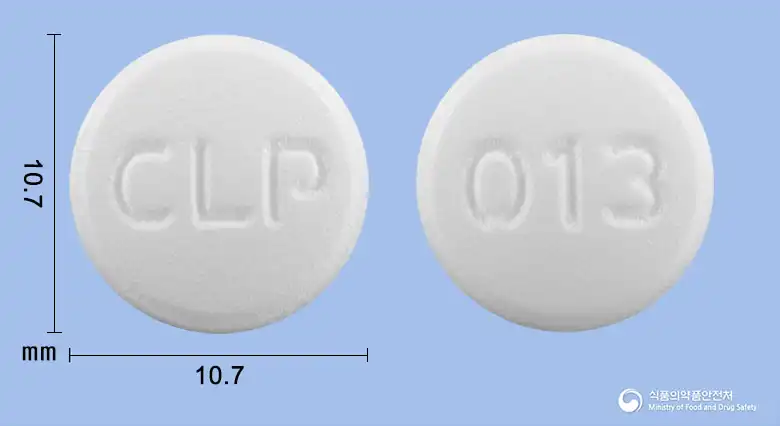
Metformin Hydrochloride 500mg
Tablet · Prescription medication
(Celltrion Pharmaceuticals)
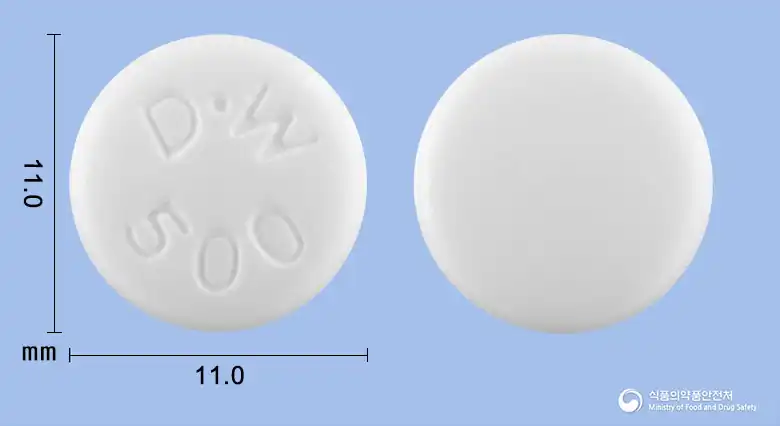
Metformin Hydrochloride 500mg
Tablet · Prescription medication
(Daewoong Pharmaceutical)
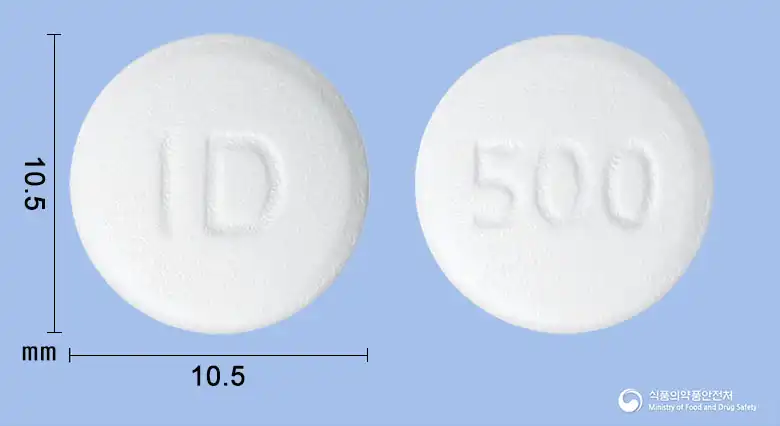
Metformin Hydrochloride 500mg
Tablet · Prescription medication
(Ildong Pharmaceutical Co., Ltd.)
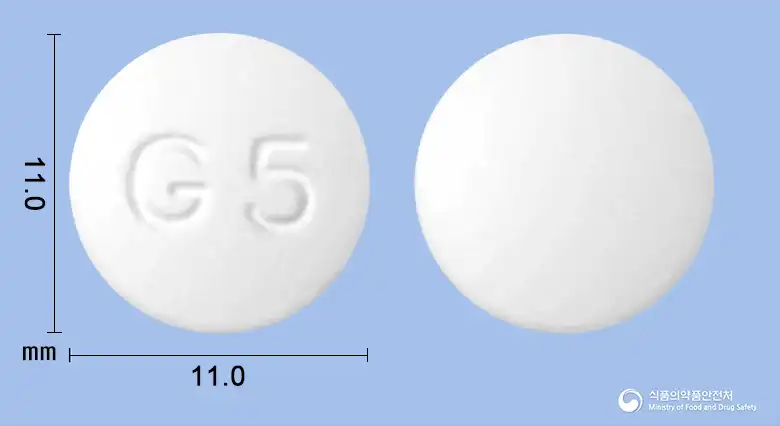
Metformin Hydrochloride 500mg
Tablet · Prescription medication
(Ilseong IS Co., Ltd.)
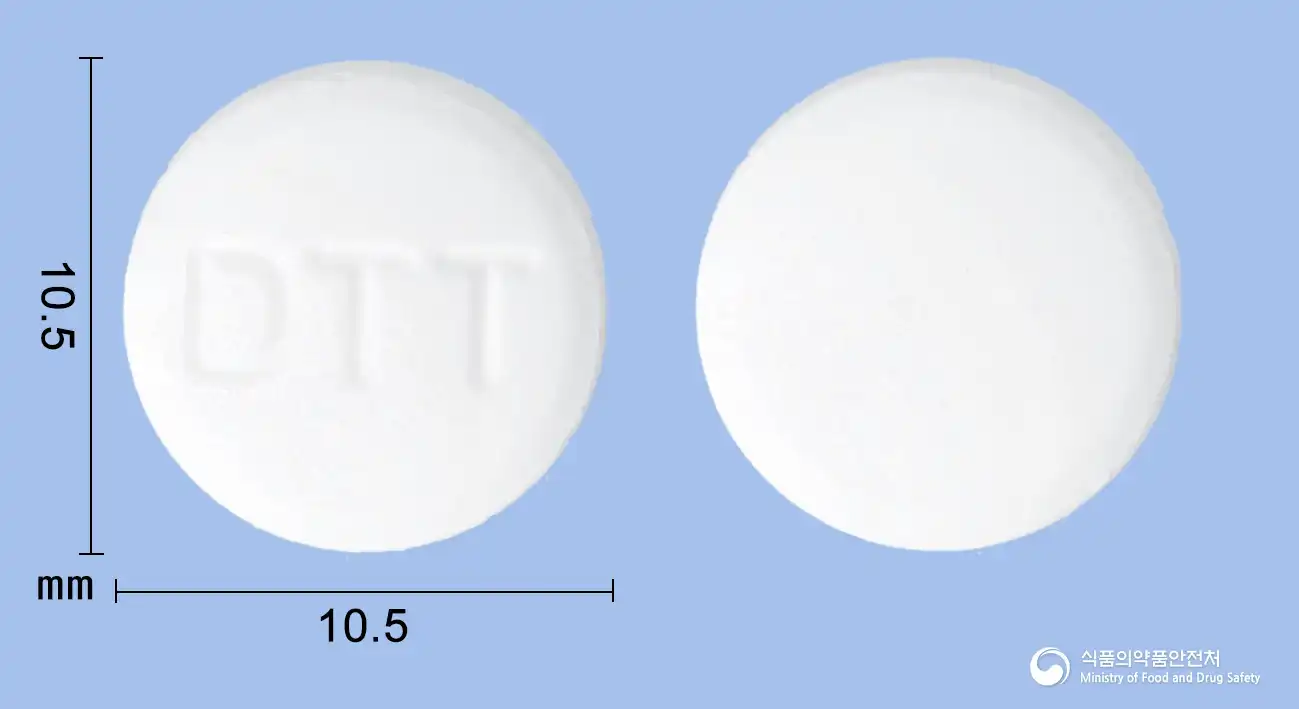
Metformin Hydrochloride 500mg
Tablet · Prescription medication
(Kyungdong Pharmaceutical Co., Ltd.)
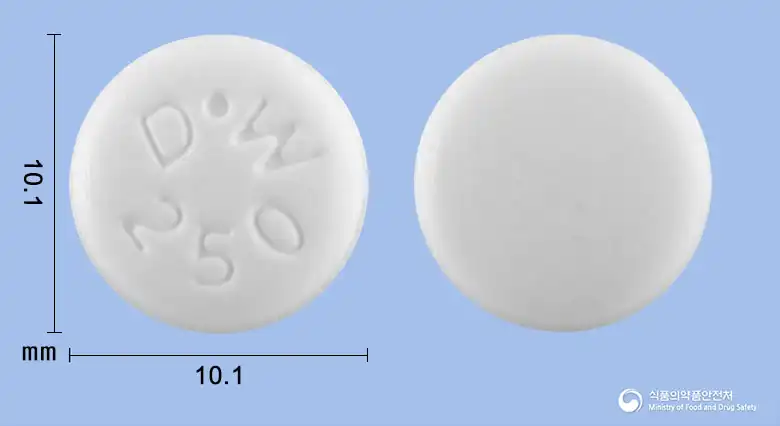
Metformin Hydrochloride 250mg
Tablet · Prescription medication
(Daewoong Pharmaceutical)
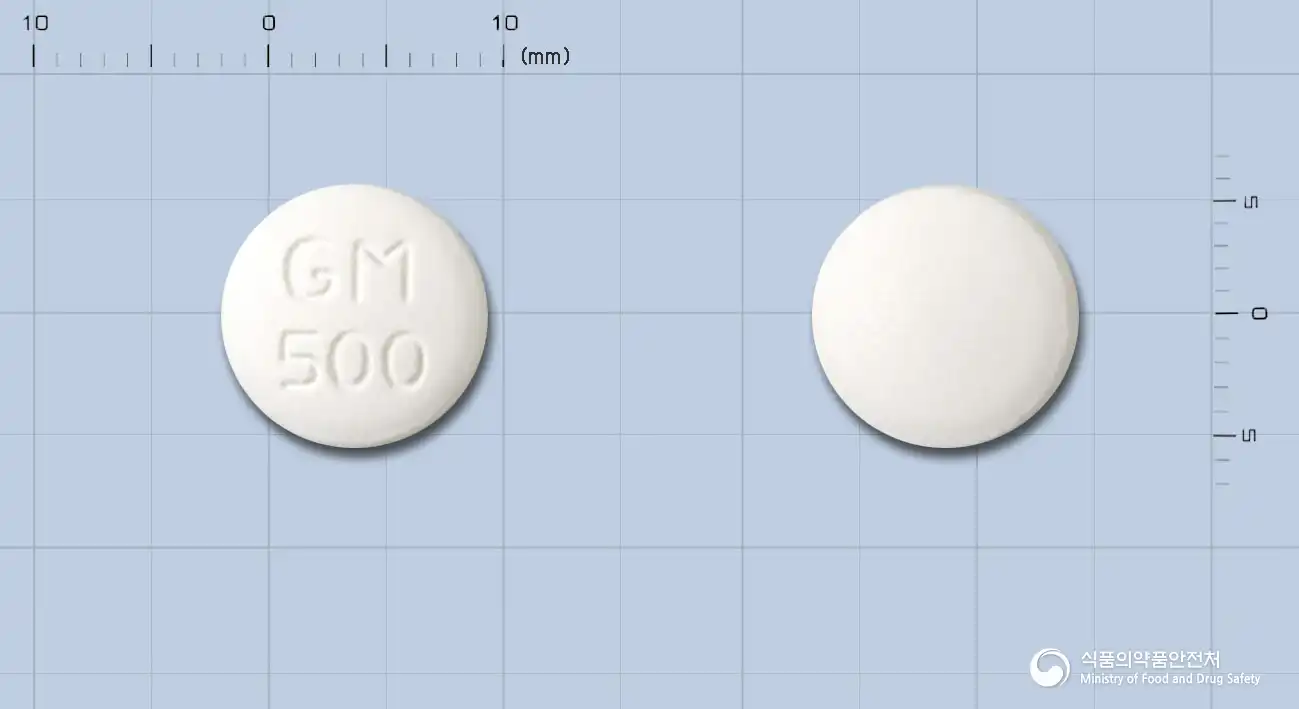
Metformin Hydrochloride 500mg
Tablet · Prescription medication
(Youngpoong Pharmaceutical Co., Ltd.)
Even with the same ingredient, the dose and directions can differ by strength and dosage form. Talk to a doctor or pharmacist before switching from a medication you are already taking.
No questions yet.
For anything that needs medical judgment, consult a doctor or pharmacist.
This drug information is based on data provided by the Korea Ministry of Food and Drug Safety.
Consult a doctor or pharmacist for accurate dosage, administration, and usage instructions.