한국어
 English
 日本語
 中文(简体)
 Viewing now
Carmen Tablet 5 mg (Carbimazole)
Carbimazole 5mg
Tablet · Prescription medication
Darim Biotech Co., Ltd.
MFDS item code 200401519 · Notified 2004.12.29 · Insurance code 664600870
Treatment of hyperthyroidism; pretreatment before thyroidectomy; pretreatment for and concomitant treatment with radioactive iodine
This medication is used to treat hyperthyroidism. It is also used as pre-treatment before thyroidectomy due to hyperthyroidism and is effectively used before or in combination with radioactive iodine therapy. In other words, it helps to control and treat a state of excessive thyroid function.
1. Adults 1) Initial dose: Administer 20 ∼ 60 mg orally per day and continue treatment until thyroid function becomes normal. 2) Subsequent treatment (1) Maintenance therapy: Adjust the dose as appropriate to maintain normal thyroid function, with a final dose of 5 ∼ 15 mg per day. Continue treatment for at least 6 months to 18 months. Ongoing monitoring of thyroid function is recommended, with appropriate dose changes as needed to maintain a euthyroid state. (2) Block-and-replace therapy: Maintain a dose of 20 ∼ 60 mg per day and administer iodothyronine concomitantly at 50 ∼ 150 μg per day to prevent hypothyroidism. Continue treatment for at least 6 months to 18 months. 3. Elderly patients: Although no special dosage regimen is required, the risk of potentially fatal outcomes such as neutropenia is higher in elderly patients (65 years and older); therefore, use with caution, taking the precautions for use into consideration.
2. Children: The usual initial dose is 15 mg per day.
This medication should not be used in certain patients. For example, patients who are allergic to this medication or its components, have a history of severe blood disorders, have thyroid cancer, have severely impaired liver function, or are breastfeeding should avoid use. Additionally, it should be used with caution in patients with liver or kidney problems or in cases where the goiter is large enough to compress the trachea. Mild side effects such as nausea, headache, dyspepsia, skin rash, and arthralgia may appear during treatment, but most patients can continue treatment. However, serious symptoms such as severe blood disorders, liver dysfunction, acute pancreatitis, and severe allergic reactions may occur rarely, so if any of these symptoms appear, the medication should be discontinued immediately, and a doctor should be consulted. This medication can cause a fatal blood disorder called agranulocytosis, so if symptoms such as sore throat, bleeding, or signs of infection appear, medical personnel should be informed immediately, and regular blood tests should be conducted. During pregnancy, it may affect the fetus, so it should only be used at the minimum dosage when absolutely necessary, and women who might become pregnant should ensure effective contraception during the treatment period. Breastfeeding women should either stop breastfeeding or avoid use of this medication, as it can be transmitted into breast milk and affect the newborn. This medication may interact with other drugs, so if you are taking other medications, it is essential to inform your doctor or pharmacist, especially when used together with anticoagulants or certain thyroid treatments, caution is required. In case of overdose, thyroid function suppression or worsened blood abnormalities may occur, so prescribed dosages must be strictly adhered to, and it should be stored in a safe place out of reach of children.
Not everyone experiences these, and they can vary from person to person.
This medication should be stored in a tightly sealed container to protect it from air and moisture. It is important to maintain storage temperatures between 1 degree and 30 degrees Celsius.
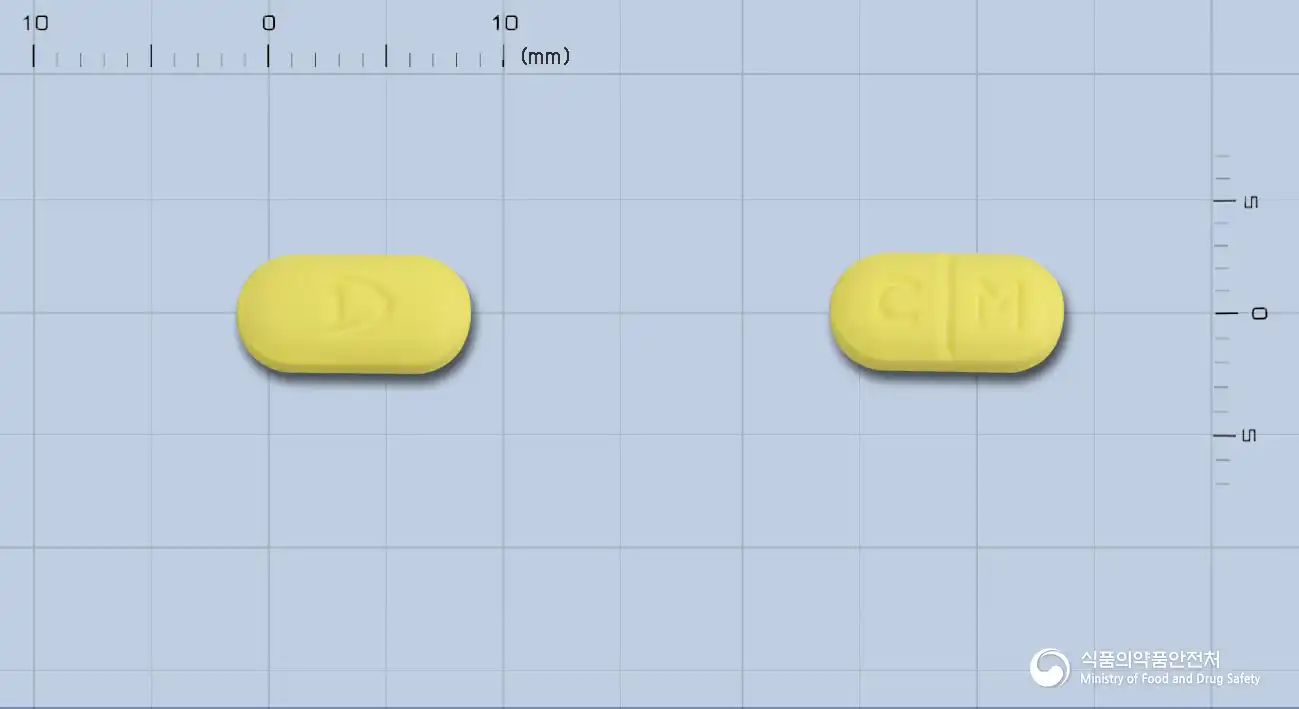
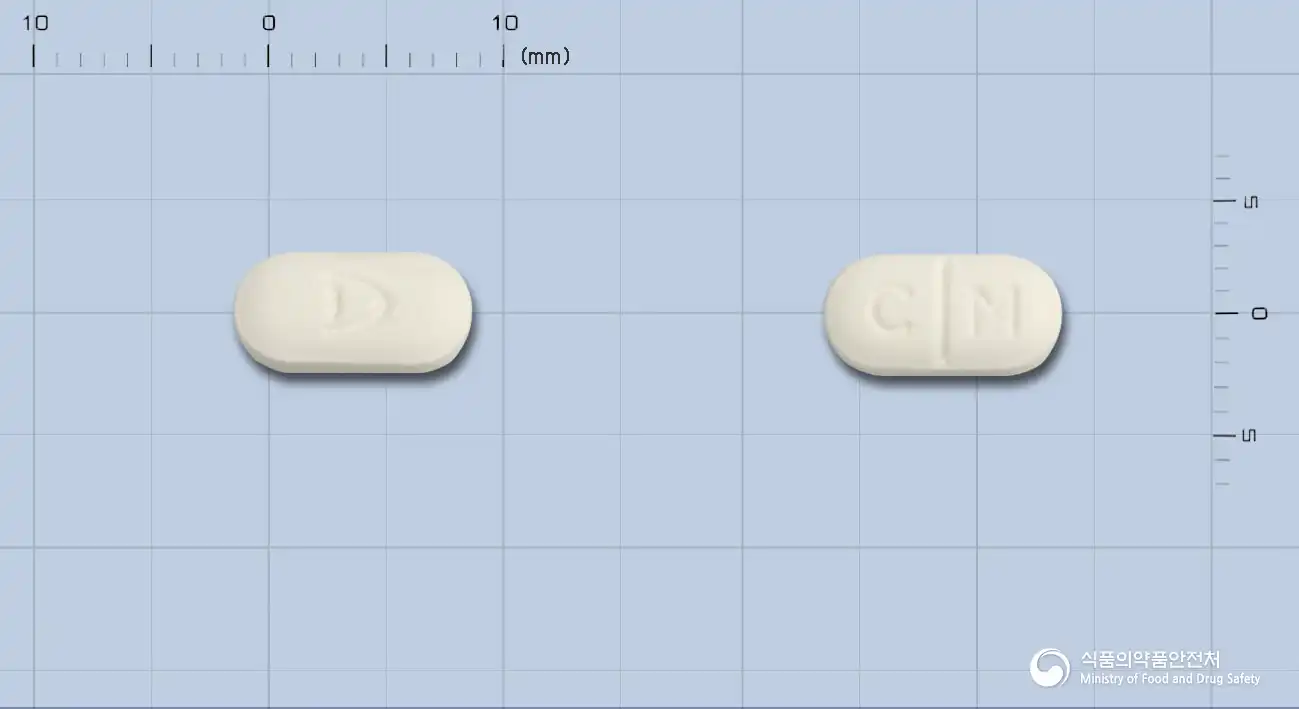
White rectangular film-coated tablet
Domestic use - 300 tablets/bottle, Domestic use - 90 tablets/bottle, Export use - 100 tablets/box [(10 tablets/PTP×10)], Export use - 100 tablets/bottle
Even with the same ingredient, strength, dosage form and how it is taken can differ.
Even with the same ingredient, the dose and directions can differ by strength and dosage form. Talk to a doctor or pharmacist before switching from a medication you are already taking.
No questions yet.
For anything that needs medical judgment, consult a doctor or pharmacist.
This drug information is based on data provided by the Korea Ministry of Food and Drug Safety.
Consult a doctor or pharmacist for accurate dosage, administration, and usage instructions.