
 한국어
한국어 English
 日本語
日本語 中文(简体)
 Viewing now
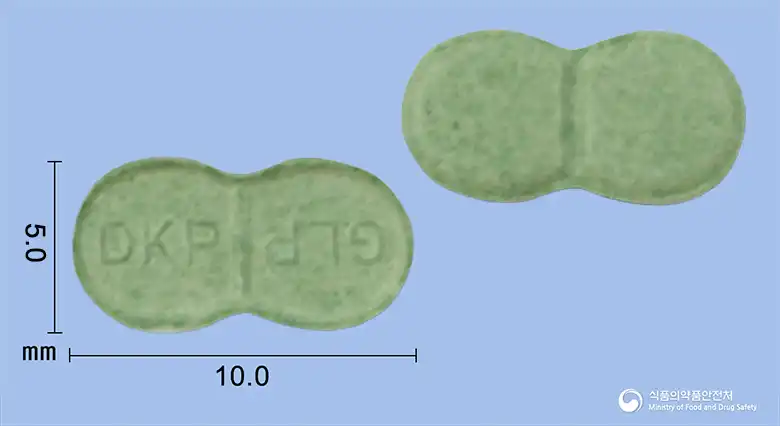
Glipha Tablet (Glimepiride)
Glimepiride 2mg
Tablet · Prescription medication
Donggu Bio Pharmaceutical Co., Ltd.
MFDS item code 200401494 · Notified 2004.06.26 · Insurance code 657300060
Improvement of blood glucose control in Type 2 diabetes
This medication is used in conjunction with dietary changes and exercise to help control blood sugar in patients with Type 2 diabetes. It can be used as monotherapy, and if blood glucose control is inadequate, it can be combined with oral hypoglycemics or insulin as needed. In particular, when control is difficult with sulfonylureas or metformin monotherapy, this medication can be combined with metformin to enhance therapeutic effect. This effectively improves blood glucose levels.
The dosage is adjusted individually for each patient. This medication is taken orally once a day, before breakfast or just before the first meal. The initial dose is 1 mg, which can be increased by 1 mg at one to two-week intervals. Generally, there is almost no additional effect when administered at doses above 4 mg, but if necessary, it can be increased up to 6 mg or 8 mg. If 4 mg per day fails, consider switching to insulin therapy.
This medication should not be used for patients with insulin-dependent diabetes or diabetic ketoacidosis. Additionally, patients with hypersensitivity to this medication or its components, or to sulfonylureas should avoid its use. There is no experience using this medication in patients with severe liver or kidney impairment, and in such cases it is recommended to switch to insulin therapy. It is also safer for pregnant women or women who may become pregnant, as well as breastfeeding mothers, to avoid taking this medication. Patients with severe infections, or those before and after surgery, or patients with severe trauma should also consider insulin therapy. Patients with gastrointestinal disturbances like diarrhea or vomiting should be cautious as food absorption may be impaired, increasing the risk of hypoglycemia. During the first week of administration, the risk of hypoglycemia is high, so blood glucose levels must be monitored closely. Especially for elderly patients, those with poor nutrition or irregular eating habits, and those with imbalanced exercise and carbohydrate intake, extra caution is needed. Changing eating patterns or consuming alcohol may also increase the risk of hypoglycemia. Patients with compromised renal or liver function, those who overdose on this medication, or those with endocrine diseases such as thyroid disorders or adrenal insufficiency should also exercise caution. Additionally, elderly patients or those taking other medications may experience significant blood glucose variability, so management should be done in consultation with a physician. This medication contains Yellow No. 5, and patients with allergies or hypersensitivity to this component should use it cautiously. The most common side effect of this medication is hypoglycemia due to excessive lowering of blood sugar. If hypoglycemia occurs, symptoms may include headache, severe hunger, nausea, fatigue, anxiety, confusion, drowsiness, and in severe cases, loss of consciousness or coma. Upon experiencing hypoglycemic symptoms, immediate intake of sugary food or seeking medical assistance is necessary. Temporary blurred vision or control issues may occur, and gastrointestinal symptoms such as nausea, vomiting, abdominal pain, or diarrhea may rarely occur. There are also rare reports of liver dysfunction, changes in blood cell count, and allergic reactions, so any unusual symptoms should be immediately reported to a doctor. While taking this medication, regular meals and exercise, as well as weight management, are important, and blood glucose control should be regularly checked. Both patients and their families should have a good understanding of hypoglycemia symptoms and risks, and it is advisable to always carry sugar with them if needed. When taken with other medications, the effectiveness of this medication may change, so all medications being taken should be reported to a healthcare provider. In particular, there may be interactions with specific antibiotics, antifungals, beta-blockers, and steroids. It is recommended that pregnant or breastfeeding women avoid using this medication due to potential harm to the fetus or newborn. For children under 18 years of age, the safety and efficacy are not established, so use should be avoided. Elderly patients may have reduced renal function, so the dosage of this medication should be adjusted and administered carefully. In case of overdose, hypoglycemia may worsen, so immediate medical treatment is required, and emergency treatments such as inducing vomiting, gastric lavage, or glucose injection may be necessary. This medication should be stored out of reach of children, and kept in its original container to prevent degradation or misuse.
Not everyone experiences these, and they can vary from person to person.
This medication may be sensitive to air or moisture, so it should be stored in a tightly sealed container. Maintaining a storage temperature between 1 degree and 30 degrees Celsius is important. This helps preserve the medication's efficacy and safety for a long time.
Green oblong tablets
30 tablets/bottle, 100 tablets/bottle
Even with the same ingredient, strength, dosage form and how it is taken can differ.
Viewing nowGlimepiride 2mg
Tablet · Prescription medication
Donggu Bio Pharmaceutical Co., Ltd.
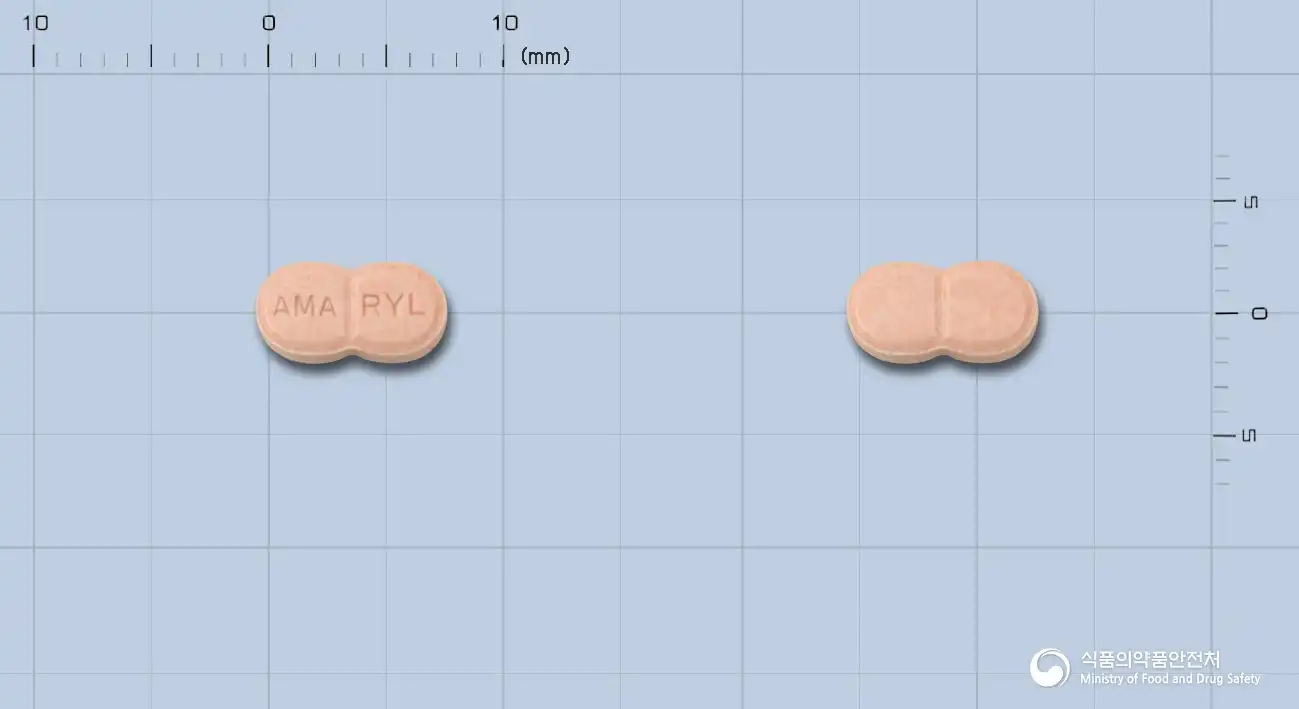
Glimepiride 1mg
Tablet · Prescription medication
Handok Co., Ltd.
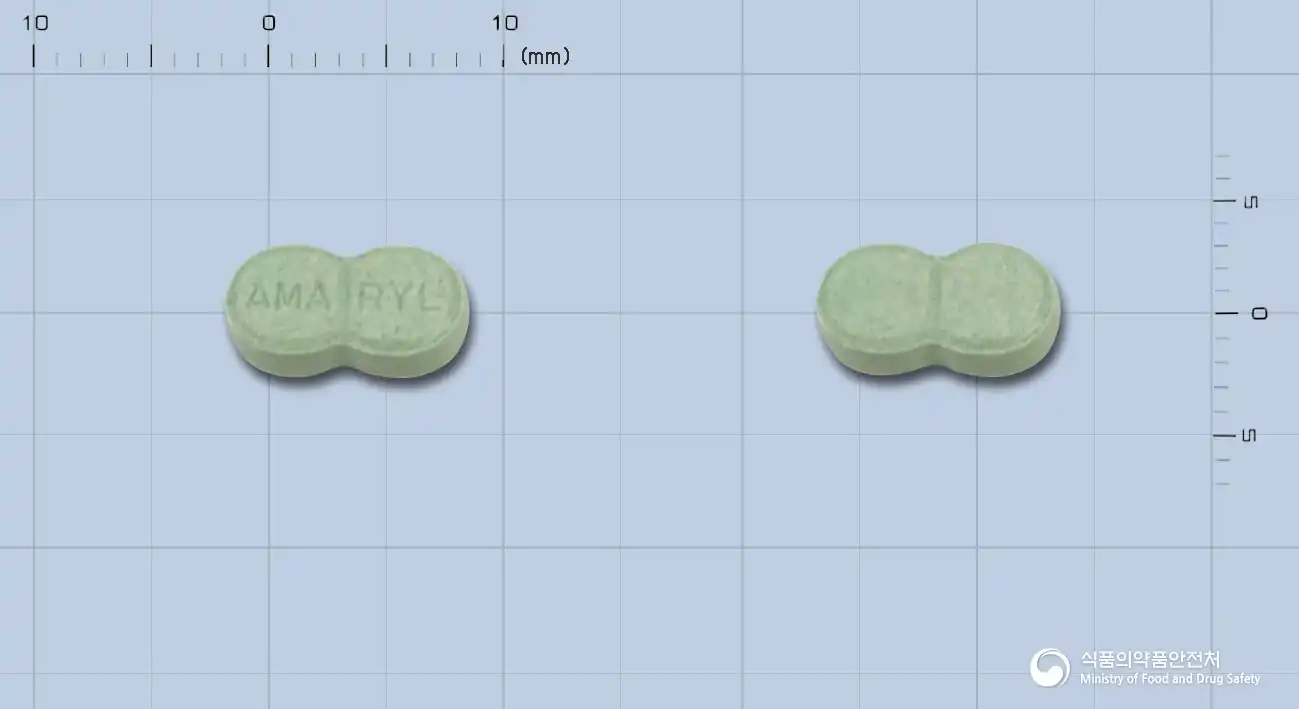
Glimepiride 2mg
Tablet · Prescription medication
Handok Co., Ltd.
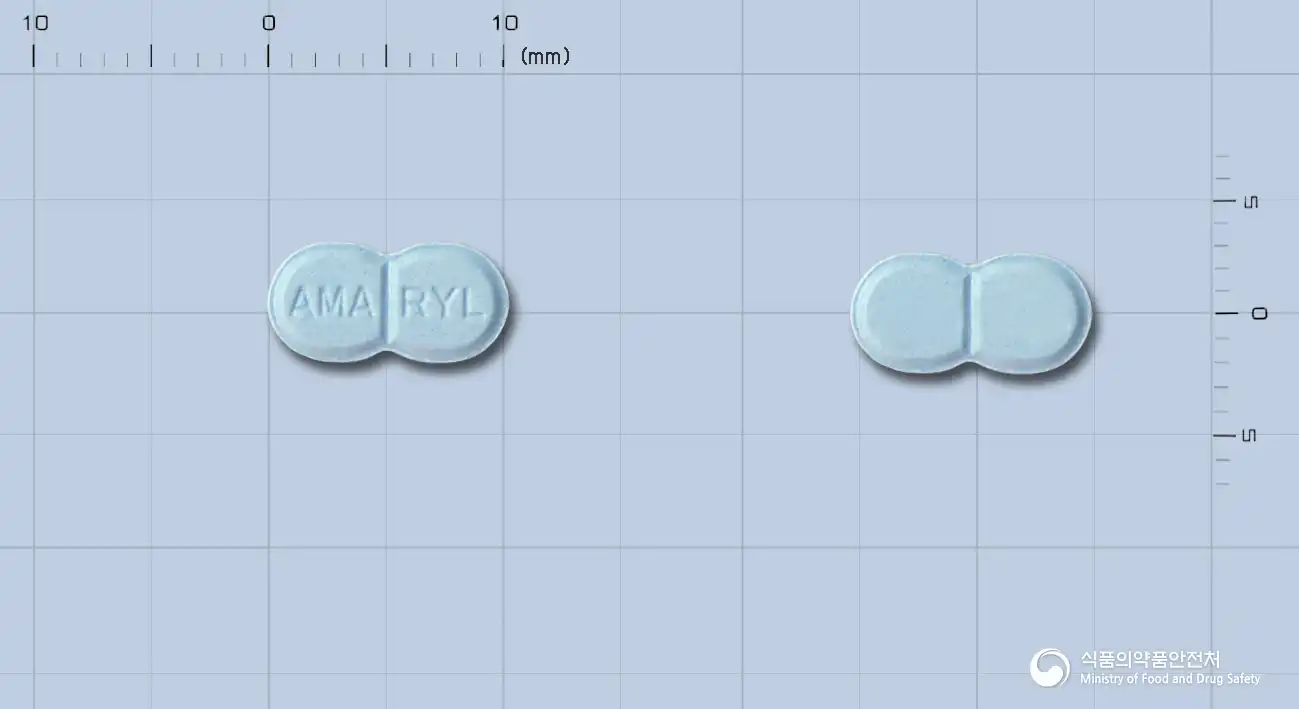
Glimepiride 4mg
Tablet · Prescription medication
(Hanmi Pharmaceutical Co., Ltd.)
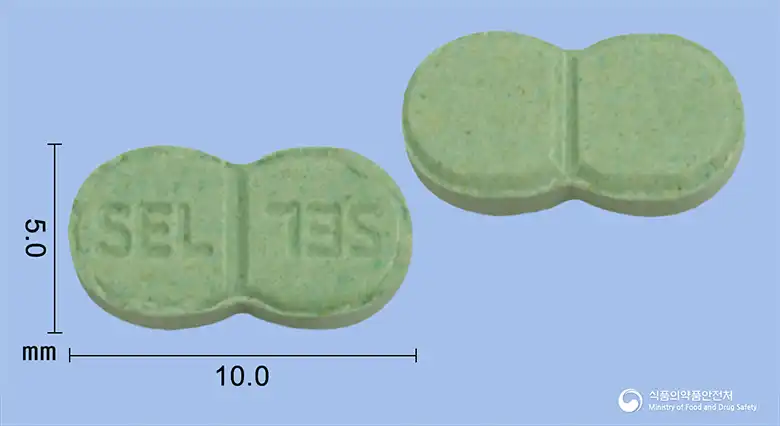
Glimepiride 2mg
Tablet · Prescription medication
Seoul Pharmaceutical Co., Ltd.
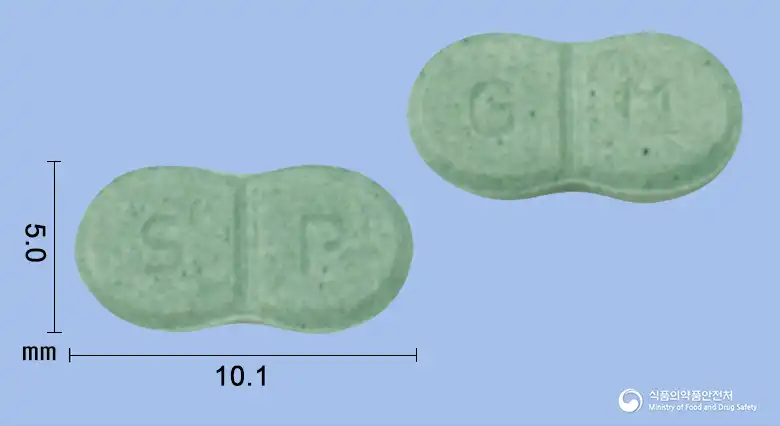
Glimepiride 2mg
Tablet · Prescription medication
Shinpoong Pharmaceutical Co., Ltd.
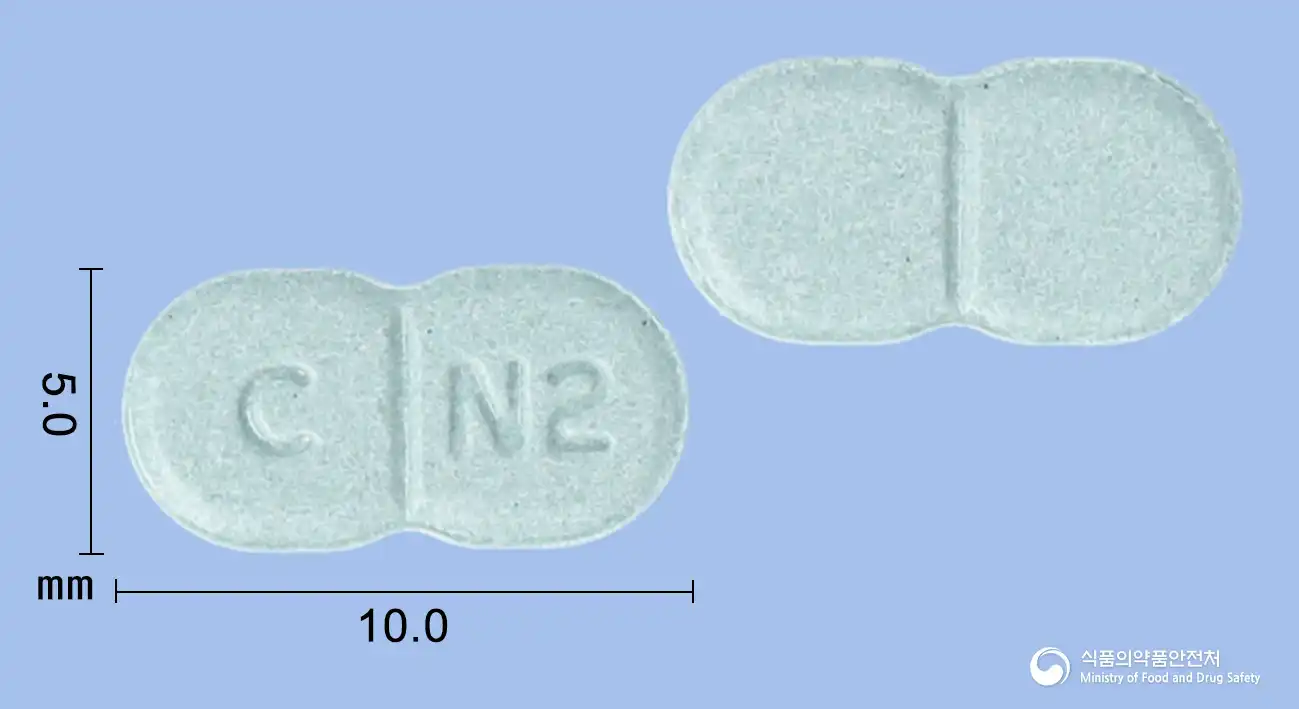
Glimepiride 2mg
Tablet · Prescription medication
Jongkundang Co., Ltd.
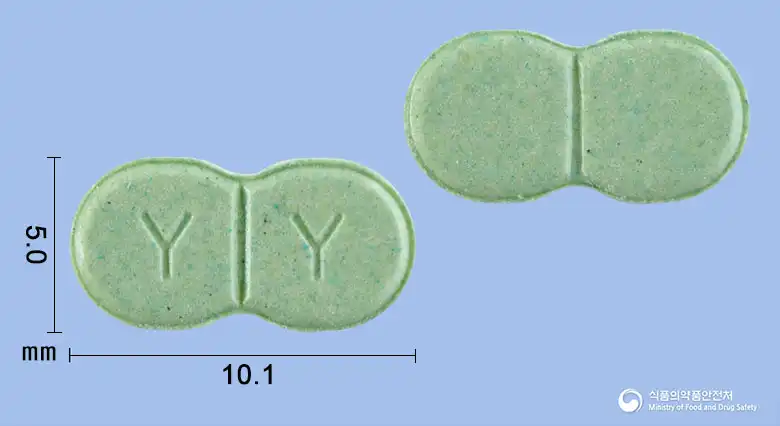
Glimepiride 2mg
Tablet · Prescription medication
IYun Pharmaceuticals Co., Ltd.
Even with the same ingredient, the dose and directions can differ by strength and dosage form. Talk to a doctor or pharmacist before switching from a medication you are already taking.
No questions yet.
For anything that needs medical judgment, consult a doctor or pharmacist.
This drug information is based on data provided by the Korea Ministry of Food and Drug Safety.
Consult a doctor or pharmacist for accurate dosage, administration, and usage instructions.