
 한국어
 English
 日本語
 中文(简体)
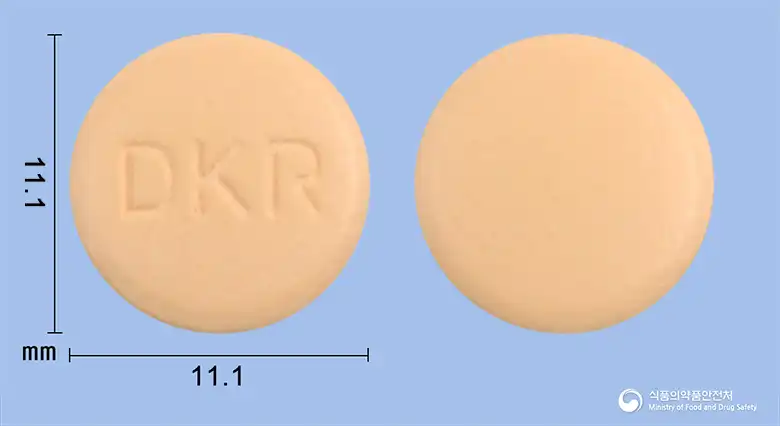 Viewing now
Limite Tablet (Talniflumate)
Talniflumate 370mg
Tablet · Prescription medication
Dongku Bio Pharmaceutical Co., Ltd.
MFDS item code 200401478 · Notified 2004.05.11 · Insurance code 657301400
Treatment of arthritis (rheumatoid arthritis, etc.)
This medicine is used to alleviate pain and inflammation associated with rheumatoid arthritis and osteoarthritis, or degenerative arthritis.
Administer 370 mg of talniflumate orally per dose, 3 times daily. For severe cases, administer 740 mg per dose. The dosage may be adjusted according to the patient's age and symptoms.
This medication may cause gastrointestinal bleeding in individuals who regularly consume more than three glasses of alcohol a day, so it is essential to consult a doctor or pharmacist. This medication may present a risk to the cardiovascular system, with potential serious thrombotic reactions such as myocardial infarction or stroke, thus patients with a history of cardiovascular disease or risk factors should exercise caution. This medication can cause serious adverse reactions such as gastrointestinal bleeding, ulcers, and perforations, so special care should be taken with the elderly or patients with a history of gastrointestinal disease. It should not be administered to patients with a history of peptic ulcers or allergies to the drug's components, those with severe liver, kidney, or heart disease, pregnant women or those who might become pregnant, nursing mothers, and children under 12 years of age. Occasional gastrointestinal symptoms such as nausea, vomiting, diarrhea, abdominal pain, as well as skin rashes, hives, and photosensitivity reactions may occur, and any unusual symptoms should prompt immediate consultation with medical personnel. This medication may elevate blood pressure or exacerbate existing hypertension, so patients with high blood pressure should monitor their blood pressure frequently while taking this medication. Caution is necessary for patients with heart failure or edema, as fluid retention may worsen. This drug may affect kidney function, so patients with kidney disease or those taking diuretics should closely monitor their kidney function. Regular liver and kidney function tests should be conducted during prolonged use, and if any abnormal findings occur, administration should be immediately stopped. Interactions may occur when combined with other non-steroidal anti-inflammatory drugs or specific medications (such as ACE inhibitors, aspirin, diuretics, lithium, methotrexate, warfarin, etc.), so these should be reported to medical personnel. During pregnancy, especially in the third trimester, it may harm the fetus, thus pregnant women or those who may become pregnant should not use it, and nursing mothers should consult medical personnel before use. This medication should only be administered to children aged 12 years and older, and in the elderly, the minimum dosage should be used with careful monitoring for adverse reactions. This medication should be kept out of reach of children and should not be transferred to other containers.
Not everyone experiences these, and they can vary from person to person.
This medication should be stored in a tightly sealed container to prevent air from entering and should ideally be kept at a temperature between 1 degree and 30 degrees Celsius. By storing it this way, the medication's effectiveness can be maintained and degradation prevented.
Yellow round film-coated tablet
30 tablets/bottle, 500 tablets/bottle
Even with the same ingredient, strength, dosage form and how it is taken can differ.
Viewing nowTalniflumate 370mg
Tablet · Prescription medication
Dongku Bio Pharmaceutical Co., Ltd.
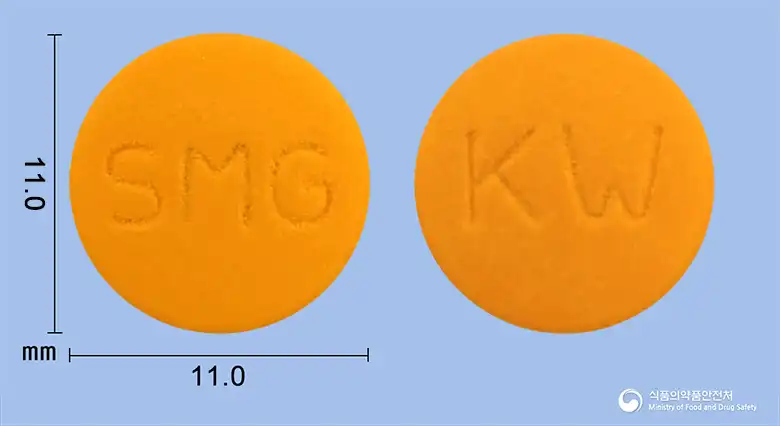
Talniflumate 370mg
Tablet · Prescription medication
Albozen Korea Co., Ltd.

Talniflumate 370mg
Tablet · Prescription medication
Dongsung Pharm Co., Ltd.
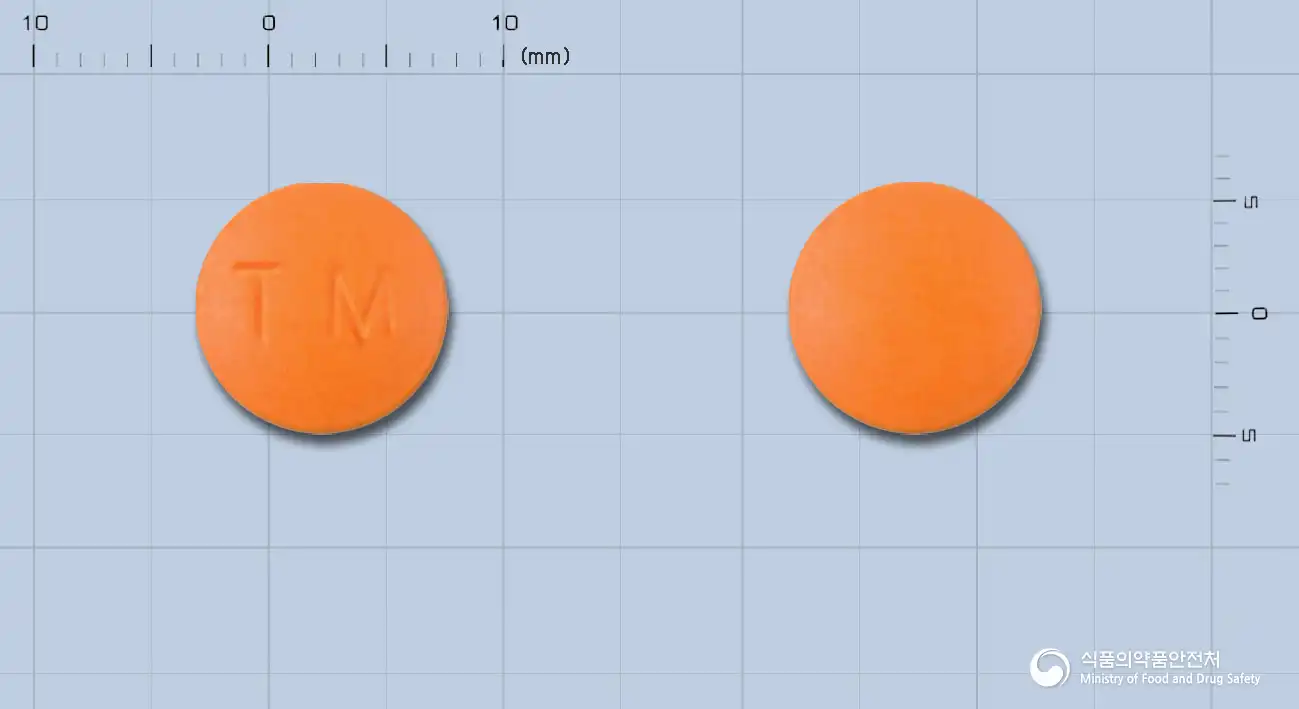
Talniflumate 370mg
Tablet · Prescription medication
Daewoo Pharmaceutical Co., Ltd.
Talniflumate 370mg
Tablet · Prescription medication
Samchundang Pharmaceutical Co., Ltd.
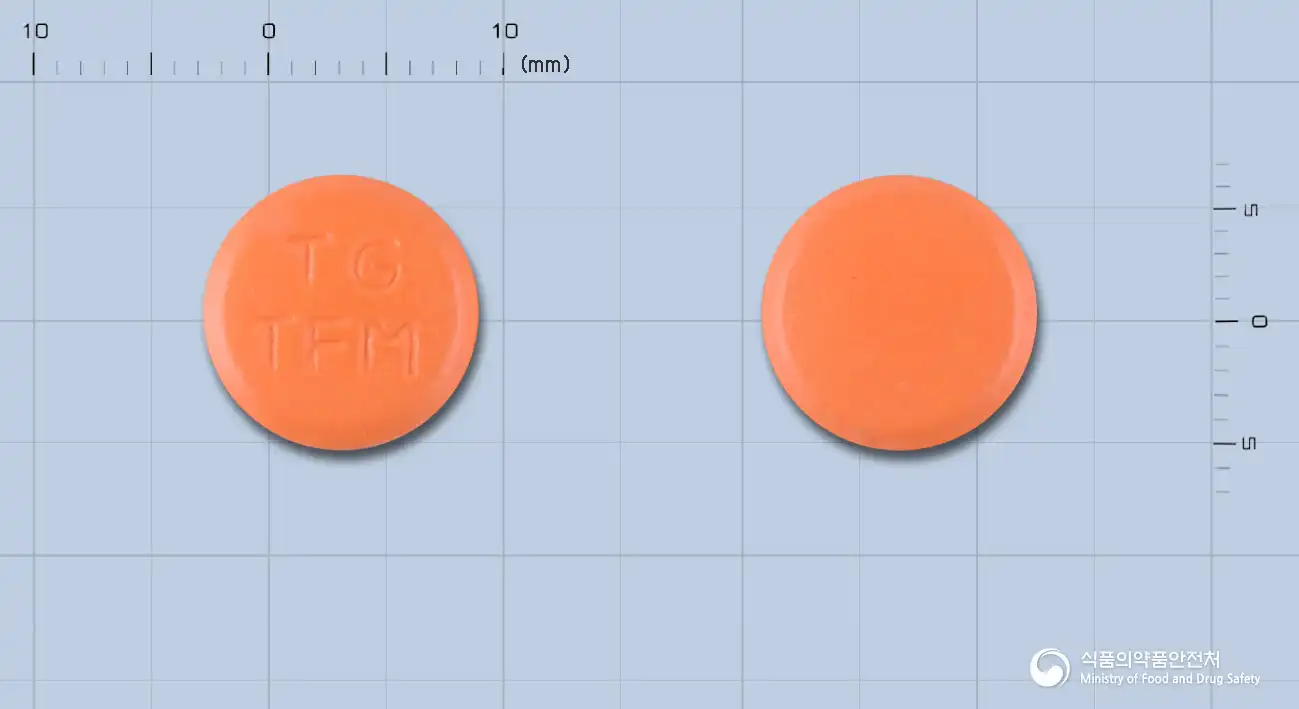
Talniflumate 370mg
Tablet · Prescription medication
Taegeuk Pharmaceutical Co., Ltd.

Talniflumate 370mg
Tablet · Prescription medication
Samjin Pharmaceutical Co., Ltd.
Talniflumate 370mg
Tablet · Prescription medication
Daehwa Pharmaceutical Co., Ltd.
Even with the same ingredient, the dose and directions can differ by strength and dosage form. Talk to a doctor or pharmacist before switching from a medication you are already taking.
No questions yet.
For anything that needs medical judgment, consult a doctor or pharmacist.
This drug information is based on data provided by the Korea Ministry of Food and Drug Safety.
Consult a doctor or pharmacist for accurate dosage, administration, and usage instructions.