
 한국어
 English
 日本語
 中文(简体)
 Viewing now
Senatone Tablets (Nabumetone)
Nabumetone 500mg
Tablet · Prescription medication
Korea PMG Pharmaceutical Co., Ltd.
MFDS item code 200401454 · Notified 2004.09.23 · Insurance code 697100100
Relief of pain and inflammation associated with arthritis (osteoarthritis, etc.)
This medication reduces inflammation and pain caused by arthritis, such as osteoarthritis and rheumatoid arthritis, alleviating the discomfort experienced in daily life. It particularly improves swelling and stiffness in joints, aiding in smoother movement. This supports maintaining joint functionality more effectively. Through its anti-inflammatory and analgesic effects, it helps patients experience rapid recovery and relief from pain. Therefore, this medication effectively improves symptoms of inflammation and pain related to arthritis.
This medicine is for oral use; swallow without chewing (tablets only). ○ Adults : Administer nabumetone 1 g orally once a day at bedtime. If symptoms are severe or persistent, or worsen rapidly, administer an additional 500 mg∼1 g of this medicine orally in the morning. ○ Older adults : As with many other medicines, older patients may have higher blood concentrations. Do not exceed a maximum of 1 g per day; in some cases, 500 mg may provide satisfactory symptom relief.
○ Children : Clinical data on the use of this preparation in children are not yet available.
This medication can increase the risk of gastrointestinal bleeding if taken regularly by individuals who consume more than three alcoholic drinks per day, so it is essential to consult a doctor or pharmacist. This medication can increase the risk of cardiovascular diseases, so patients at risk of heart disease or stroke should be particularly cautious, and if cardiovascular symptoms appear, they should immediately seek medical attention. This medication may cause serious gastrointestinal adverse reactions such as gastrointestinal bleeding, ulcers, and perforation, so elderly patients or those with a history of gastrointestinal diseases should start with the lowest dose and report any adverse symptoms immediately. Patients with peptic ulcers, severe liver, kidney, or heart disorders, hypersensitivity to aspirin or non-steroidal anti-inflammatory drugs, pregnant or breastfeeding women, and children and adolescents under 15 years old should not take this medication. Patients with blood disorders, liver disorders, kidney disorders, heart disorders, or a history of allergic reactions, as well as chronic respiratory disease patients and the elderly, must be observed more carefully when administered this medication. This medication can rarely cause severe allergic reactions such as shock or anaphylaxis, so if symptoms such as difficulty breathing, hives, or low blood pressure occur, administration must be stopped immediately, and treatment should be sought. Various adverse reactions such as dyspepsia, abdominal pain, nausea, vomiting, diarrhea, headache, dizziness, liver dysfunction, reduced kidney function, skin rash, etc., can occur, so when symptoms arise, they should be reported to the medical staff. This medication may interact with other non-steroidal anti-inflammatory drugs, anticoagulants, diuretics, and blood pressure medications, so caution is needed when taking them together, and any current medications must be disclosed to the doctor. During pregnancy, it should not be used as it poses a risk to the fetus, and during breastfeeding, it should also be avoided since it can be transmitted through breast milk and cause adverse reactions in infants. The safety of this medication has not been established in children or adolescents under 15 years old, so it should not be administered. Elderly patients have a higher risk of gastrointestinal bleeding, so they should start with the lowest dose and monitor for symptoms of gastrointestinal bleeding carefully. In case of overdose, symptoms such as headache, vomiting, gastrointestinal bleeding, and coma may occur, and immediate treatment should be sought at a medical facility. This medication must be kept out of reach of children, and transferring it to other containers is not advised as it may compromise its quality.
Not everyone experiences these, and they can vary from person to person.
This medication should be stored in a tightly sealed container that is well-ventilated, and it is recommended to keep it at room temperature between 1 degree and 30 degrees Celsius. Storing it this way helps maintain the medication's efficacy and prevents degradation.
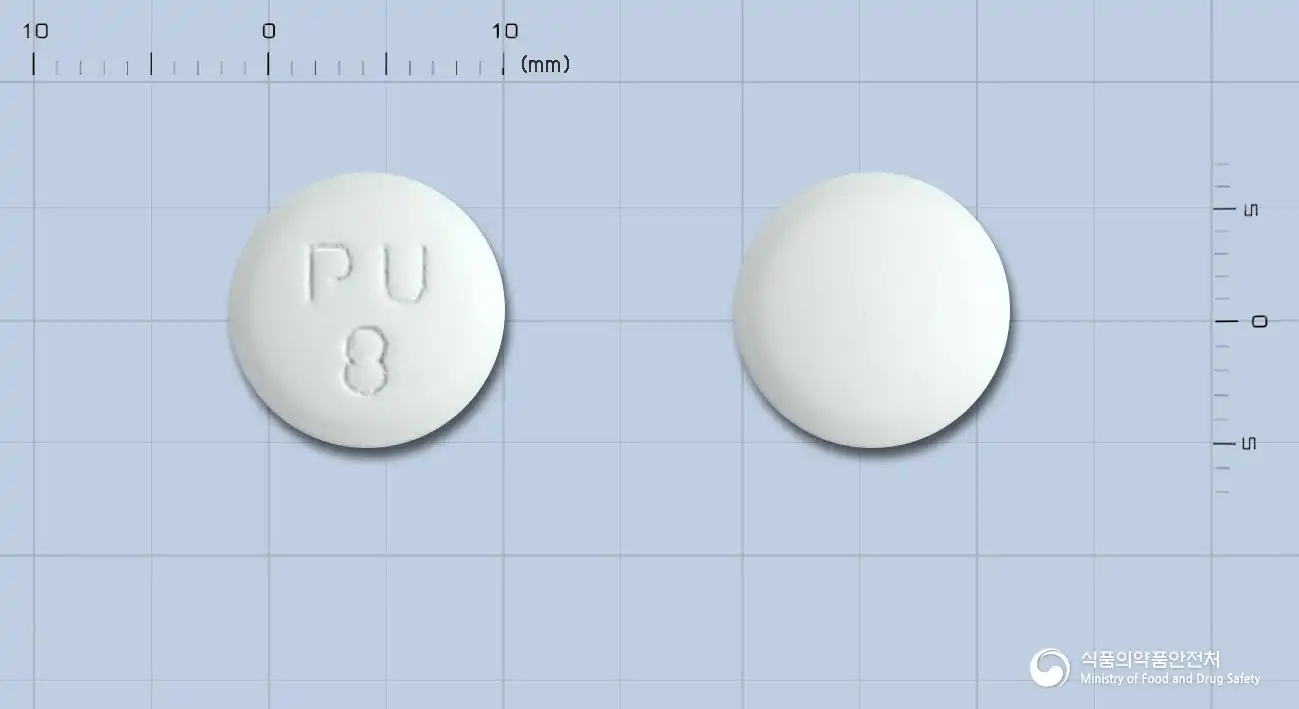
Domestic use) White round film-coated tablet Export use) White oblong film-coated tablet
Domestic use) 30 tablets/bottle, 300 tablets/bottle Export use) 100 tablets/box (10 tablets/PTP × 10)
Even with the same ingredient, strength, dosage form and how it is taken can differ.
Viewing nowNabumetone 500mg
Tablet · Prescription medication
Korea PMG Pharmaceutical Co., Ltd.
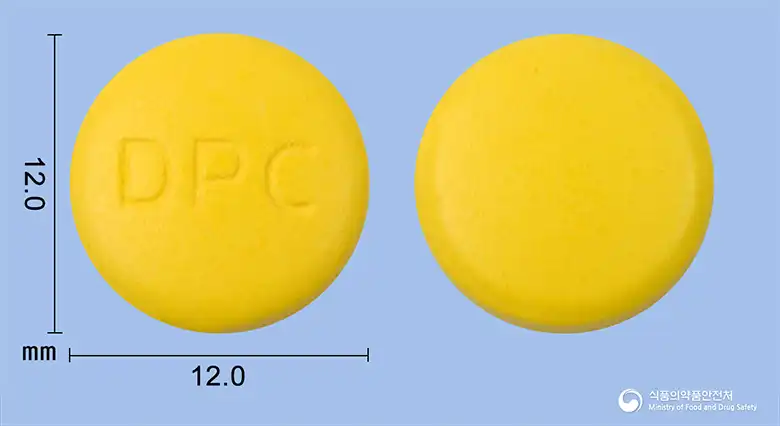
Nabumetone 500mg
Tablet · Prescription medication
Donggwang Pharmaceutical Co., Ltd.
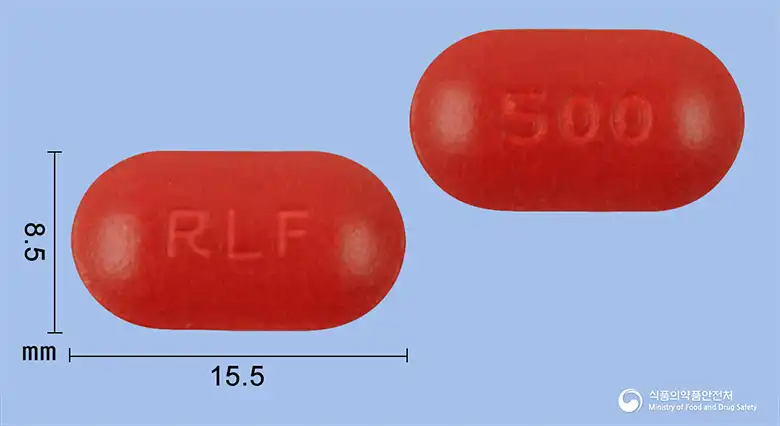
Nabumetone 500mg
Tablet · Prescription medication
(Co., Ltd.) Handok
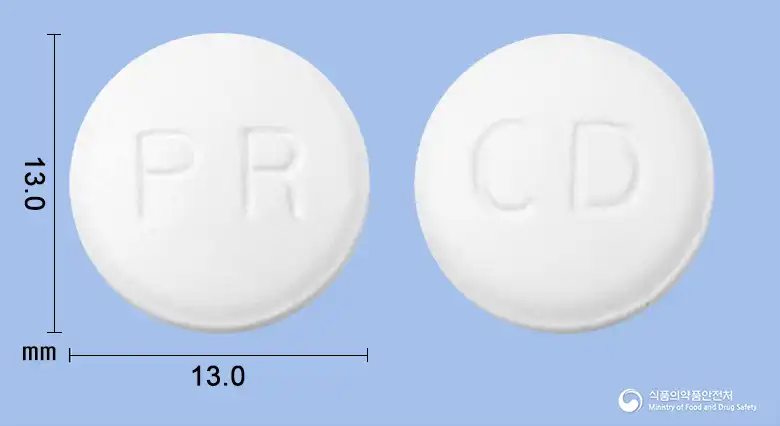
Nabumetone 500mg
Tablet · Prescription medication
Chodang Pharmaceutical Co., Ltd.
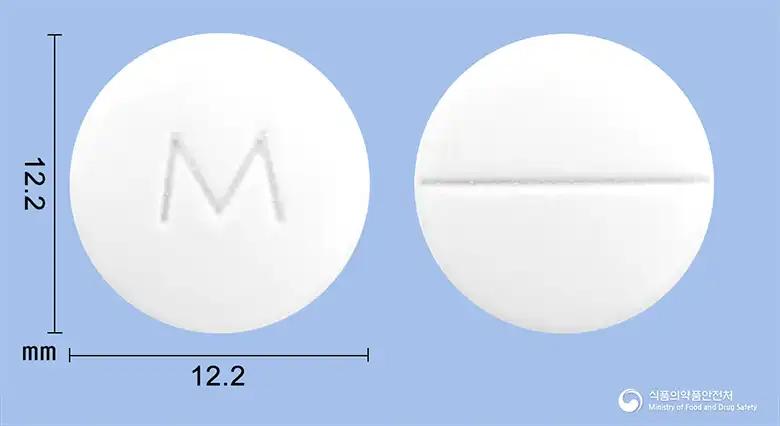
Nabumetone 500mg
Tablet · Prescription medication
(Co., Ltd.) Medica Korea
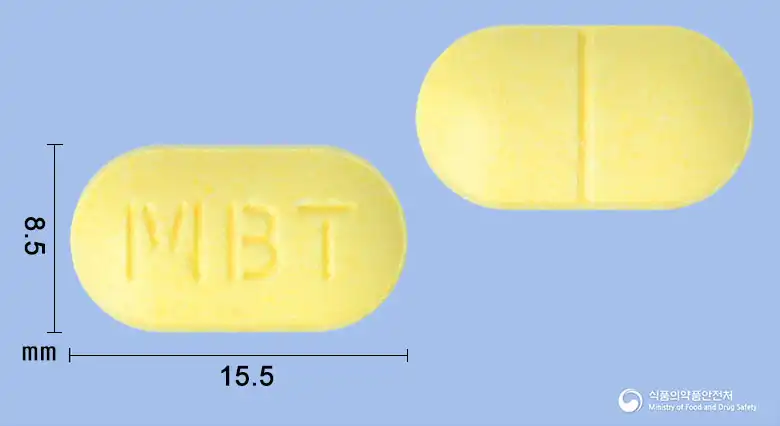
Nabumetone 500mg
Tablet · Prescription medication
Hallym Pharmaceuticals Co., Ltd.
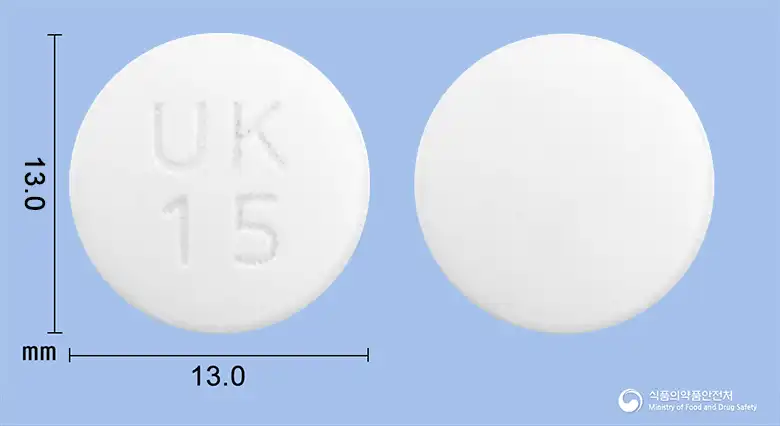
Nabumetone 500mg
Tablet · Prescription medication
Korea Union Pharm Co., Ltd.
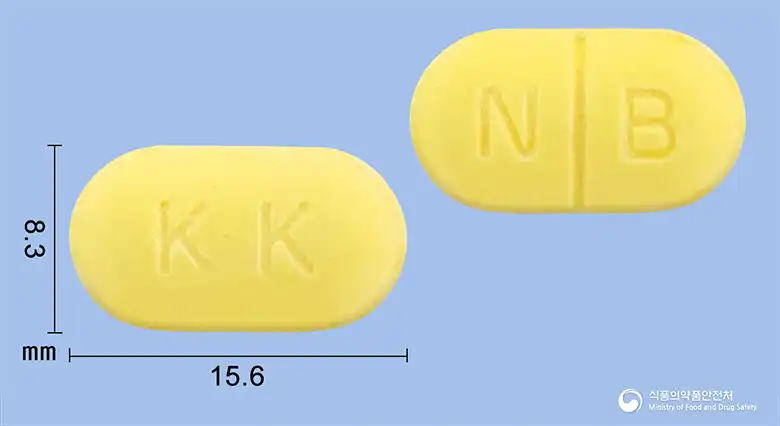
Nabumetone 500mg
Tablet · Prescription medication
Genewon Science Co., Ltd.
Even with the same ingredient, the dose and directions can differ by strength and dosage form. Talk to a doctor or pharmacist before switching from a medication you are already taking.
No questions yet.
For anything that needs medical judgment, consult a doctor or pharmacist.
This drug information is based on data provided by the Korea Ministry of Food and Drug Safety.
Consult a doctor or pharmacist for accurate dosage, administration, and usage instructions.