
 한국어
한국어 English
 日本語
日本語 中文(简体)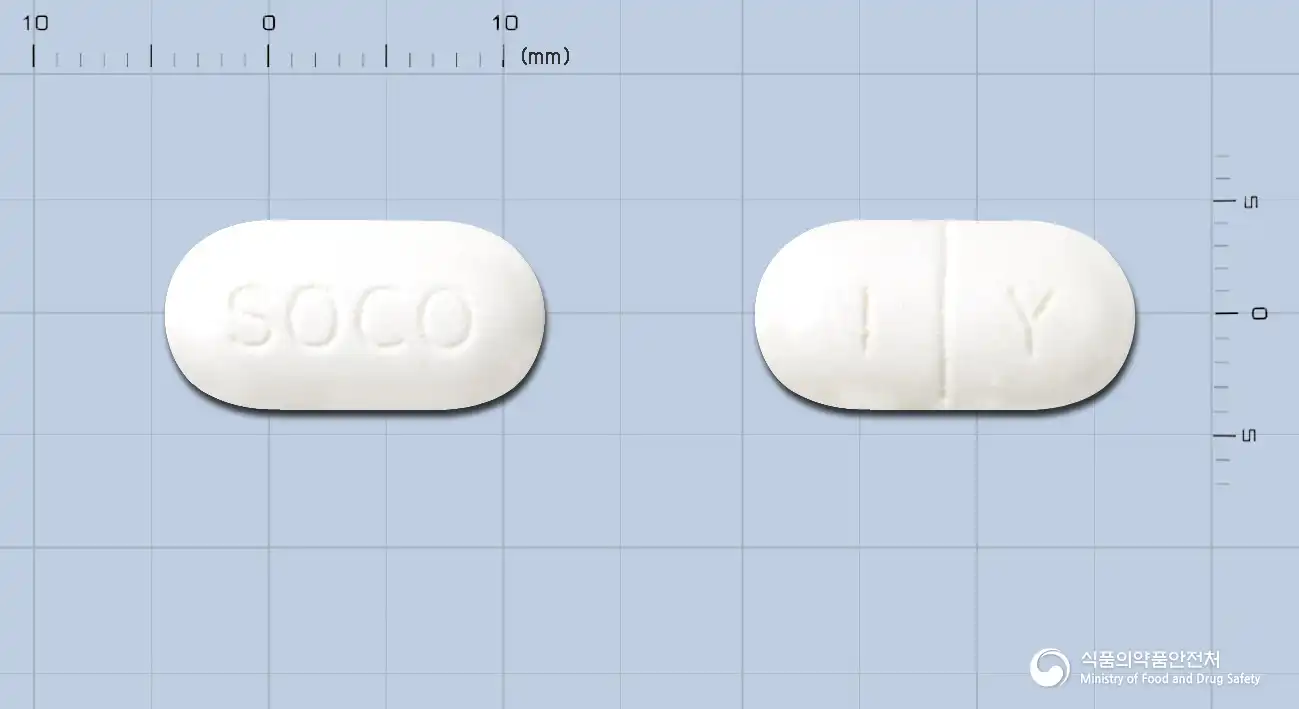
Summary
- Main use
- Relief of symptoms of cold and sinusitis (congestion, runny nose)
- Who takes it
- Adults
- Adult dose
- 1 tablet every 6 hours. Do not exceed 3 tablets within 24 hours. For patients with kidney impairment, particularly those with severe renal impairment (creatinine clearance < 10 mL/min), a minimum interval of 8 hours between doses is recommended.
Ingredients
- Acetaminophen500mg / 1 tablet
- Pseudoephedrine Hydrochloride60mg / 1 tablet
- Triprolidine Hydrochloride Hydrate2.5mg / 1 tablet
- Manufacturer
- 일양약품(주)
Efficacy & effects
Relief of symptoms of cold and sinusitis (congestion, runny nose)
- Nasal congestion
- runny nose
- headache
- fever
View approved original textHide original text
This medication is used to relieve symptoms such as nasal congestion (stuffy nose), runny nose, headache, and fever caused by colds and acute or subacute sinusitis.
How to take
Adult dose
1 tablet every 6 hours. Do not exceed 3 tablets within 24 hours. For patients with kidney impairment, particularly those with severe renal impairment (creatinine clearance < 10 mL/min), a minimum interval of 8 hours between doses is recommended.
Precautions
This medication contains pseudoephedrine, which may rarely cause a serious skin adverse reaction known as acute generalized exanthematous pustulosis. If symptoms of fever, skin redness, or numerous small blisters occur, discontinue use immediately and consult a doctor or pharmacist. This medication is contraindicated in individuals with certain medications or medical conditions. For example, those allergic to this medication or similar ingredients, those currently taking or recently discontinued MAO inhibitors, individuals with severe liver or kidney dysfunction, severe hypertension or cardiac diseases, individuals with urination issues, those with hyperactive thyroid function, diabetic patients, glaucoma patients, pregnant or nursing women, children under 15 years of age, those with a history of stroke or risk factors, and those with a history of seizures should not take this medication. It is recommended not to take this medication together with central nervous system depressants such as alcohol, sleeping pills, or tranquilizers. Additionally, do not use it with decongestants, appetite suppressants, sympathomimetics, or MAO inhibitors as this may elevate blood pressure. The pseudoephedrine in this medication may interfere with the effects of antihypertensive drugs, so caution should be taken not to use them together. Due to the presence of acetaminophen, care should be taken not to exceed the maximum dosage when taking it with other acetaminophen-containing products to avoid liver damage. Drowsiness may occur while taking this medication, so it is safer to avoid driving or operating dangerous machinery. If breastfeeding, the ingredients may be passed into breast milk, so it is advisable to consult a professional before use. Consult a doctor or pharmacist before use if there are specific conditions such as prostate enlargement, hypertension, cardiac disease, asthma, dizziness, constipation, etc. If symptoms such as palpitations, rapid pulse, dizziness, anxiety, skin rash, difficulty urinating, visual disturbances, insomnia, or hypertension occur, discontinue use immediately and consult a professional. Overdose may cause severe poisoning symptoms or liver damage, so caution is advised, especially for children and the elderly. Store this medication out of reach of children, away from direct sunlight, in a cool and dry place, sealed in the original container for safety.
Side effects and when to seek care immediately
Serious side effects
- Acute generalized exanthematous pustulosis (AGEP), fever, erythema, severe skin reactions such as multiple small pustules.
- Facial pallor.
- Cardiovascular collapse accompanied by palpitations, tachycardia, arrhythmias, and hypotension.
- Angle-closure glaucoma.
- Severe skin reactions such as acute generalized exanthematous pustulosis, fever, erythema, and multiple small pustules.
- Hypertension.
- Acute abdominal pain, rectal bleeding, ischemic colitis.
- Palpitations, loss of consciousness, hallucinations, seizures.
- Severe liver damage.
Mild side effects
- Sedation, drowsiness, migraine, headache, dizziness, anxiety, tension, sweating, weakness, insomnia, hallucinations, constipation, nausea, vomiting, digestive disorders, thirst, sweating (excessive sweating), etc.
- Caution for acetaminophen overdose in the elderly and children.
Not everyone experiences these, and they can vary from person to person.
Interactions
Drug interactions
This medication should not be used in combination with MAO inhibitors, sleeping pills, tranquilizers, antipsychotic medications, or central nervous system depressant antihistamines, decongestants, appetite suppressants, or sympathomimetics similar to amphetamines. Also, do not use with medications that suppress sympathetic nervous activity, including bretylium, betanidine, guanethidine, debrisoquin, methyl dopa, or beta or alpha-adrenergic blockers.
Food interactions
Avoid alcoholic beverages while taking this medication.
Storage
This medication should be stored in a sealed container to prevent exposure to air, ideally at room temperature between 1 and 30 degrees Celsius. This will help maintain the effectiveness of the medication for a longer period.
Appearance and packaging
Appearance
White oblong film-coated tablet
Package unit
10 tablets/box [(10 tablets/PPT×1)]
Questions about this medicine
No questions yet.
For anything that needs medical judgment, consult a doctor or pharmacist.