
 한국어
한국어 English
 日本語
日本語 中文(简体)
 Viewing now
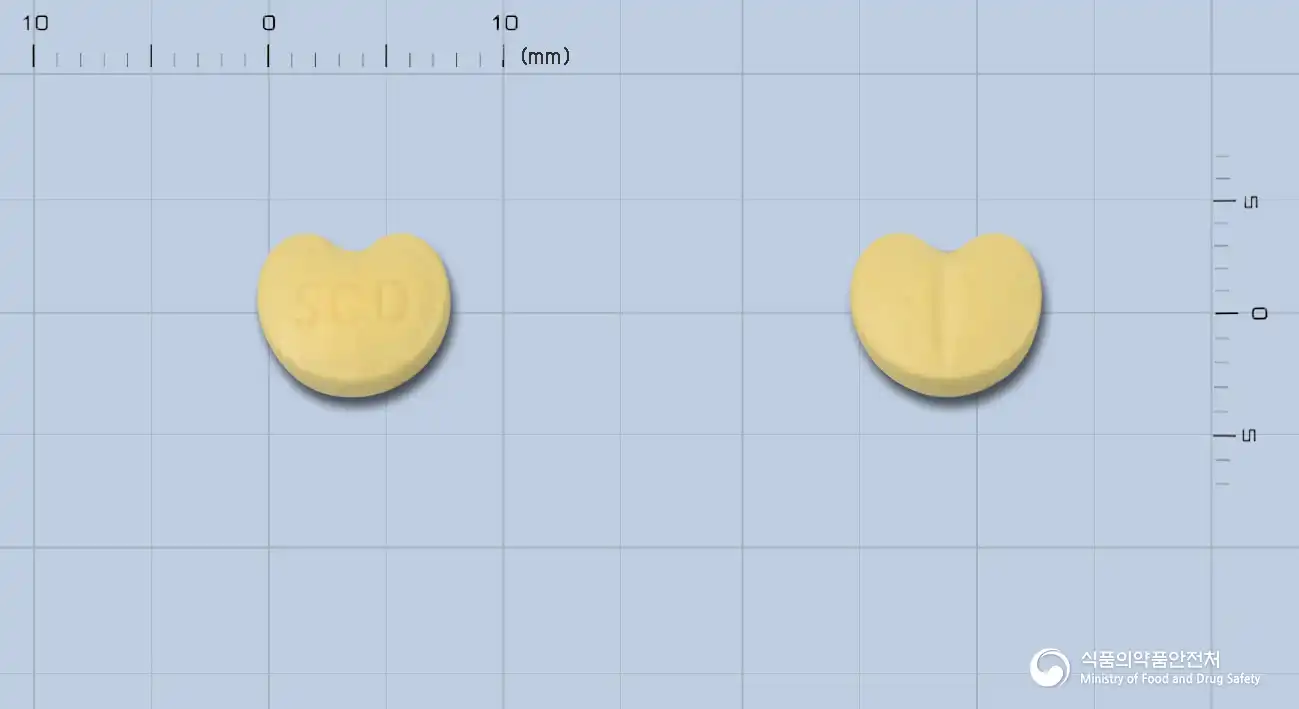
Hemiprol 5 mg Tablet (Bisoprolol Fumarate)
Bisoprolol Fumarate 5mg
Tablet · Prescription medication
Samchundang Pharmaceutical Co., Ltd.
MFDS item code 200401088 · Notified 2004.08.23 · Insurance code 651202230
Improvement of hypertension and angina, treatment of stable chronic heart failure.
1. Used for typical cardiovascular diseases such as hypertension and angina. 2. This drug is used in patients with stable chronic heart failure who have impaired left ventricular function, in combination with ACE inhibitors and diuretics, and may be used with cardiac glycosides as needed to enhance the therapeutic effect. This improves cardiac function and alleviates symptoms of chronic heart failure.
Administer 5-10 mg orally once daily, either in the morning on an empty stomach or with breakfast, without chewing, using a beverage. In mild cases, take 5 mg, and in severe cases, take 10 mg. In special cases, it may be increased to a maximum of 20 mg daily. For stable chronic heart failure, the initial dose is 1.25 mg once daily, with intervals of over 2 weeks, followed by 2.5 mg, 3.75 mg, 5 mg, 7.5 mg, and 10 mg.
There is no experience using this drug in children, so its use is not recommended.
This drug should be used with caution as there is insufficient experience in patients with various heart-related diseases. Particularly, use should be cautious in patients with insulin-dependent diabetes, severe renal or liver dysfunction, and certain heart diseases. Patients with bronchial asthma or chronic obstructive pulmonary disease should use this drug with a bronchodilator, and in asthma patients, airway resistance may increase, necessitating dosage adjustments. This drug can cause allergic reactions, and adrenaline may not always be effective in treating allergies. In patients with psoriasis or a history of psoriasis, the risks versus benefits of using this drug must be carefully considered. Patients with hyperthyroidism should be cautious, as this drug may mask symptoms. Regular health assessments are necessary when starting treatment. Abrupt discontinuation of this drug may worsen cardiac conditions, so it must be tapered off according to the physician's instructions. It should not be used in patients with severe conditions such as diabetic ketoacidosis, severe bradycardia, cardiogenic shock, or acute heart failure. Pregnant women or women of childbearing potential, as well as patients with severe asthma, should not take this drug. Special caution is needed for patients with bronchial asthma or respiratory obstruction, and patients at risk for heart failure should be closely monitored. Diabetic patients should manage blood sugar carefully, as hypoglycemic symptoms may be masked. Long-term use of this drug requires regular checks on cardiac function, blood pressure, liver, and kidney function. There are many interactions with other drugs, so all medications being taken should be disclosed to healthcare providers, especially when combined with certain antihypertensives, antiarrhythmics, and antidepressants. This drug can be harmful to the fetus and newborn, so use should be avoided during pregnancy or breastfeeding, or done under expert consultation. Safety in children has not been established, so its use is not recommended. Elderly patients should start with a low dose and adjust according to kidney and liver function. This drug may affect driving or machinery operation, so caution is advised, particularly when starting treatment or changing doses. In case of overdose, symptoms may include decreased heart rate, hypotension, and bronchospasm, necessitating immediate medical attention. This drug should be kept out of reach of children and stored in its original container to maintain quality.
Severe allergic reactions (hives, severe swelling, chest tightness, difficulty breathing, cold sweat, paleness), severe skin reactions (severe rash with fever, blisters, peeling skin, mouth/eye mucosal pain), breathing difficulties (shortness of breath or difficulty breathing, asthma attacks, coughing with fever), liver abnormalities (jaundice, yellowing of skin or eyes, generalized fatigue), severe neurological symptoms (sudden
Not everyone experiences these, and they can vary from person to person.
This drug should be stored in a tightly closed container to prevent exposure to air and moisture, at room temperature between 1 to 30 degrees Celsius. Storing it this way will help maintain its effectiveness for a longer time.
A light yellow, film-coated tablet shaped like a heart with a convex surface and a break line on one side.
30 tablets/bottle, 300 tablets/bottle
Even with the same ingredient, strength, dosage form and how it is taken can differ.
Viewing nowBisoprolol Fumarate 5mg
Tablet · Prescription medication
Samchundang Pharmaceutical Co., Ltd.
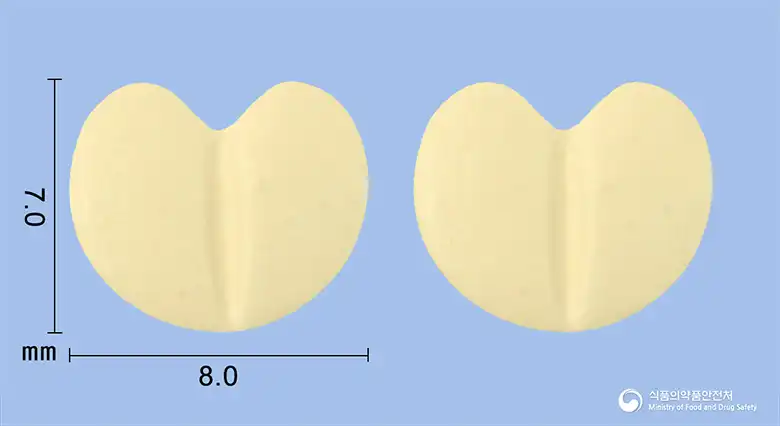
Bisoprolol Fumarate 5mg
Tablet · Prescription medication
Merck Co., Ltd.
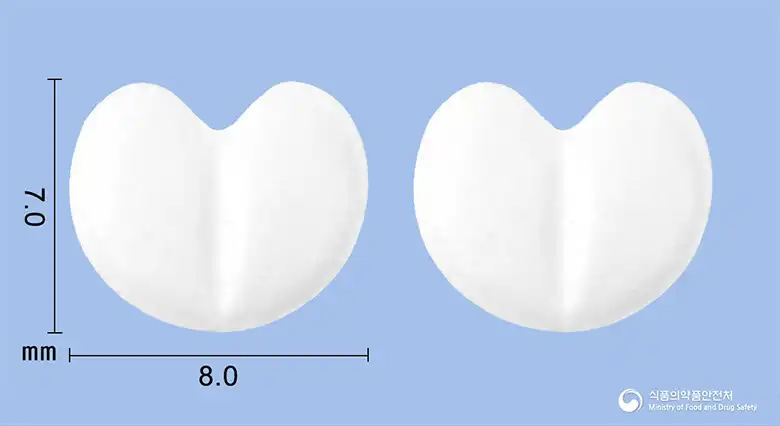
Bisoprolol Fumarate 2.5mg
Tablet · Prescription medication
Merck Co., Ltd.
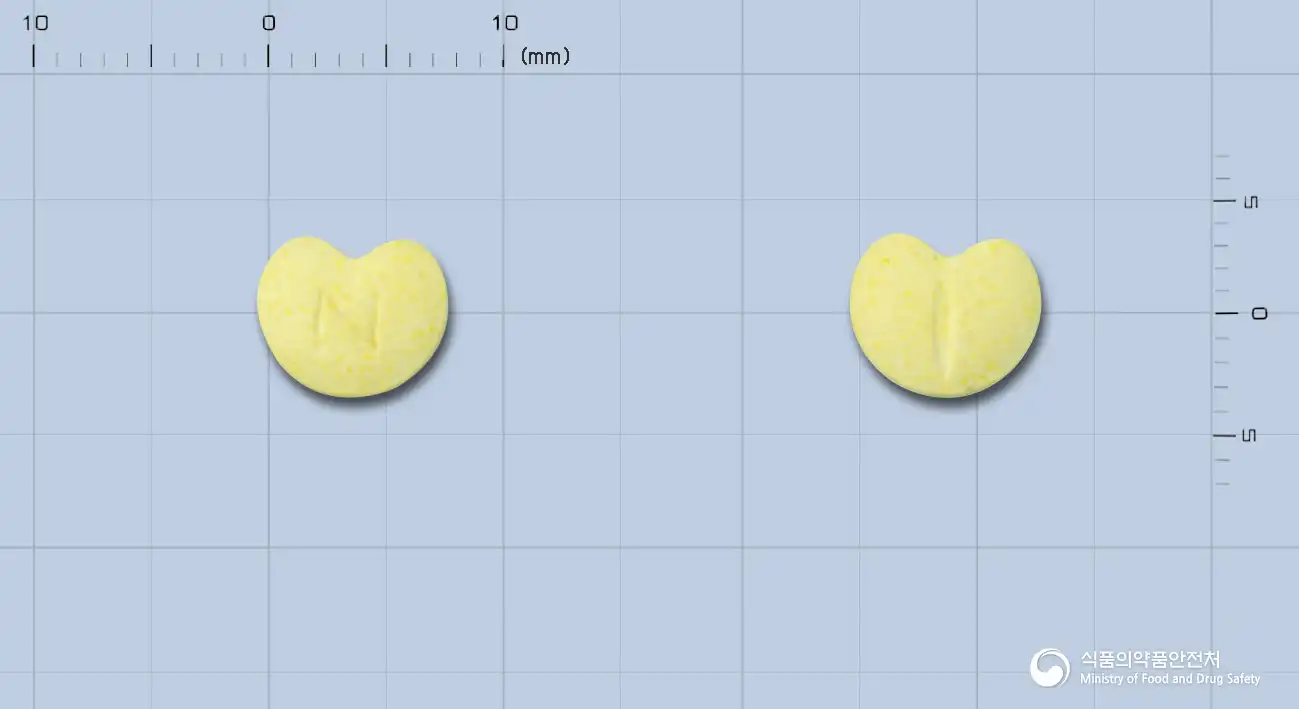
Bisoprolol Fumarate 5mg
Tablet · Prescription medication
Celix Co., Ltd.
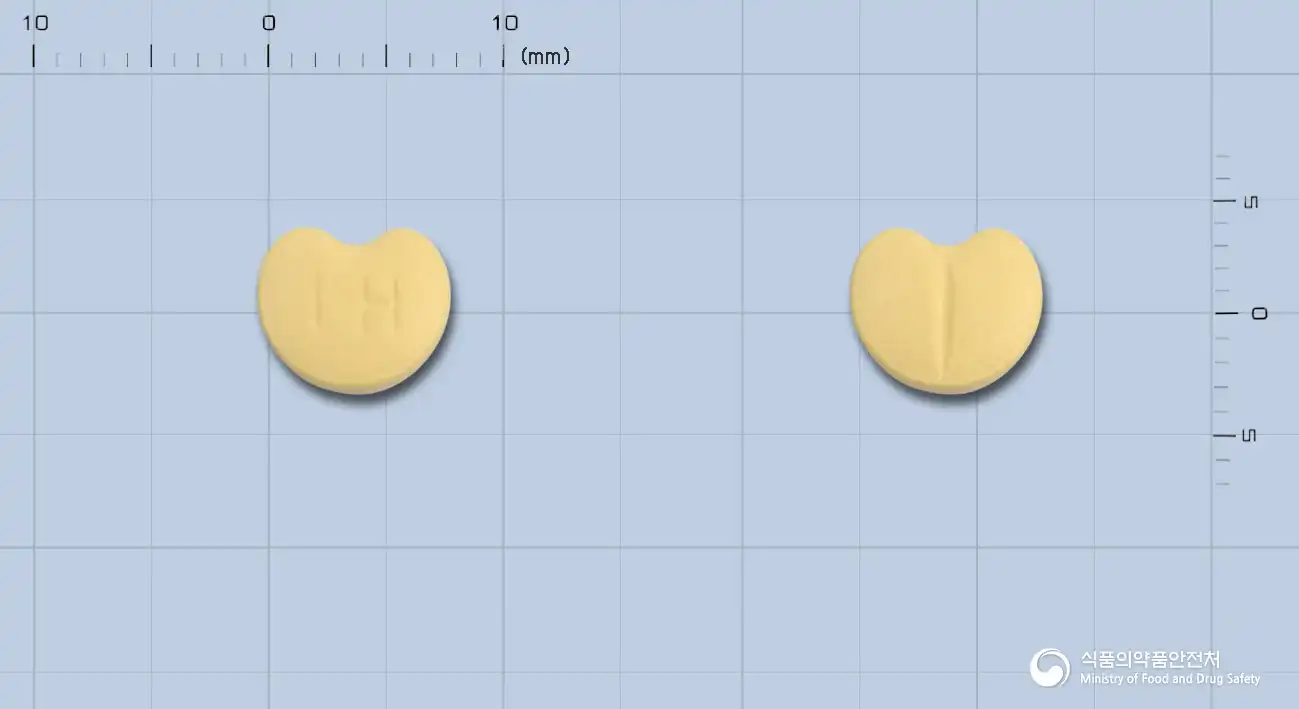
Bisoprolol Fumarate 5mg
Tablet · Prescription medication
Ilhwa Co., Ltd.
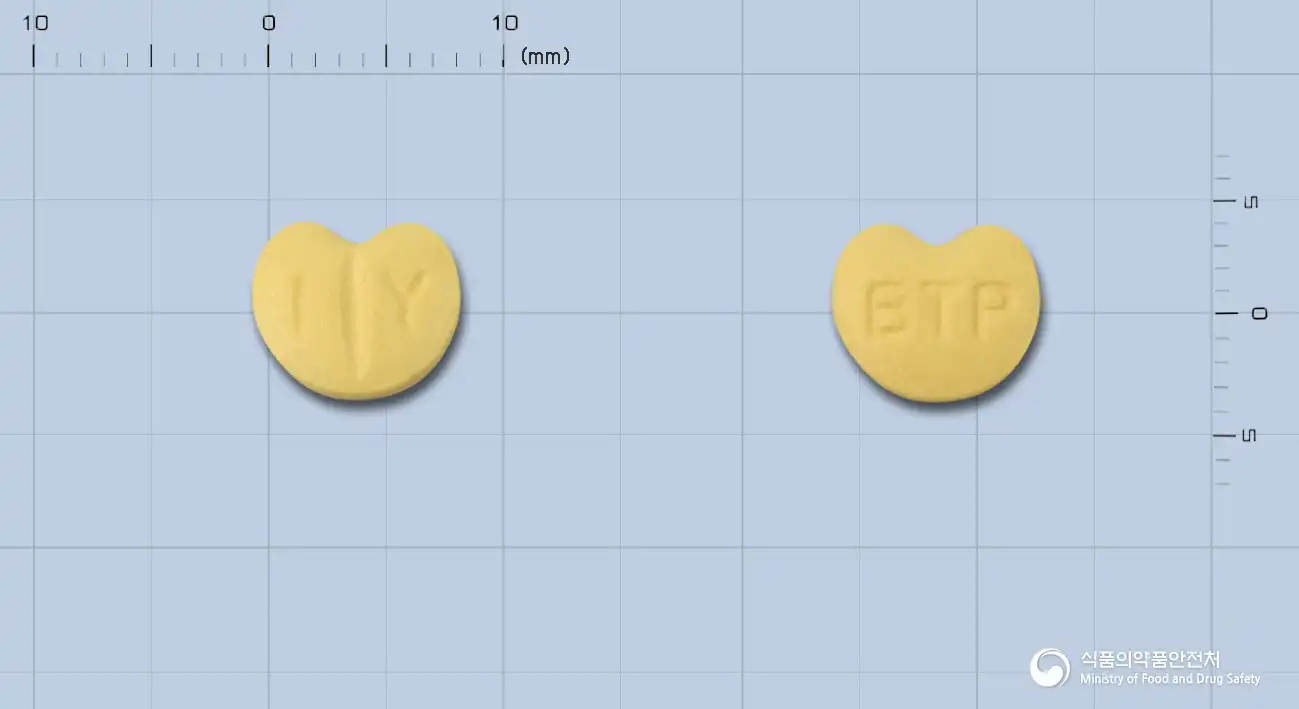
Bisoprolol Fumarate 5mg
Tablet · Prescription medication
Il Yang Pharmaceutical Co., Ltd.
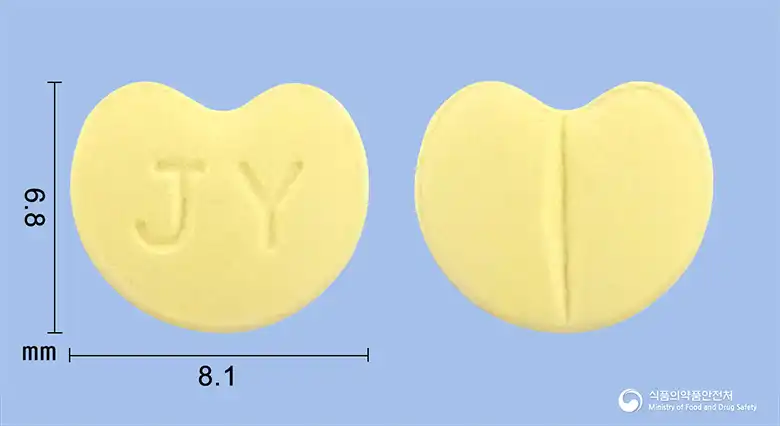
Bisoprolol Fumarate 5mg
Tablet · Prescription medication
Jinyang Pharmaceutical Co., Ltd.
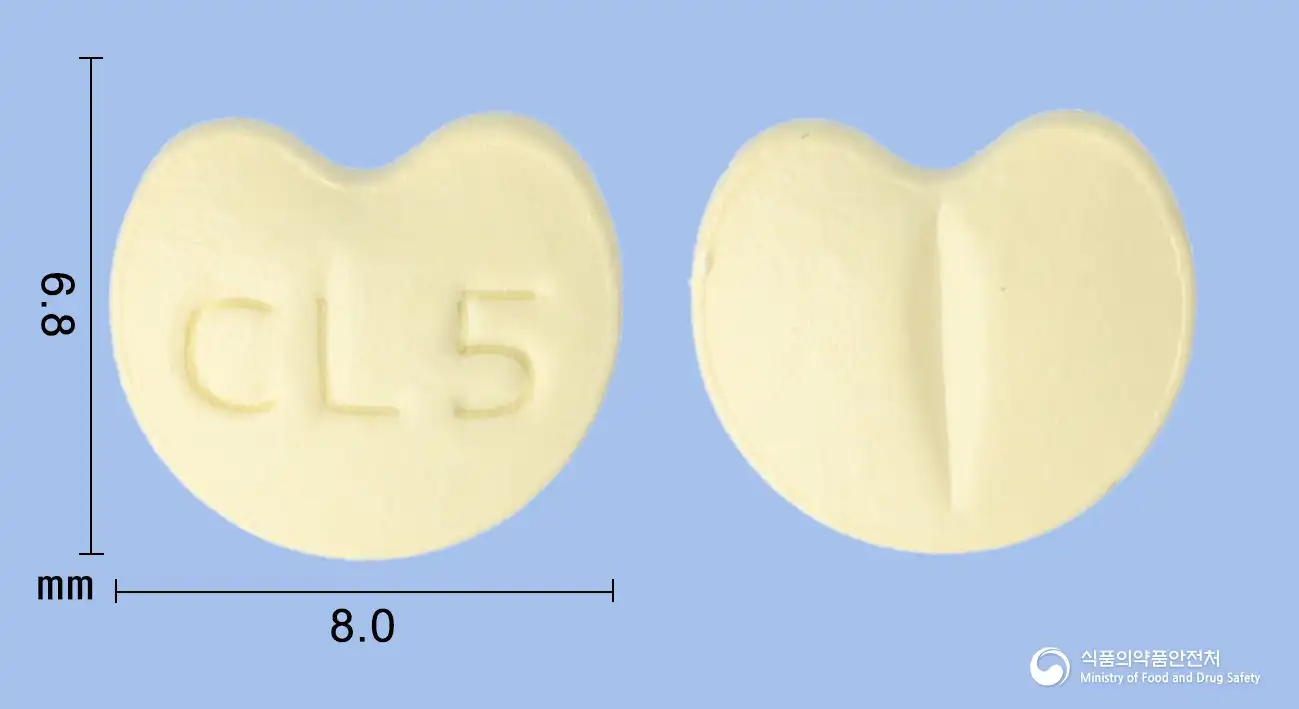
Bisoprolol Fumarate 5mg
Tablet · Prescription medication
Ellison Pharmaceuticals Co., Ltd.
Even with the same ingredient, the dose and directions can differ by strength and dosage form. Talk to a doctor or pharmacist before switching from a medication you are already taking.
No questions yet.
For anything that needs medical judgment, consult a doctor or pharmacist.
This drug information is based on data provided by the Korea Ministry of Food and Drug Safety.
Consult a doctor or pharmacist for accurate dosage, administration, and usage instructions.