
 한국어
 English
 日本語
 中文(简体)
 Viewing now
Acebrocapsule 100mg (Acebrophylline)
Acebrophylline 100mg
Hard capsule · Prescription medication
Youngjin Pharmaceutical Co., Ltd.
MFDS item code 200400914 · Approved 2004.09.03 · Insurance code 642400580
Treatment of respiratory diseases (bronchitis, bronchial asthma, sinusitis, etc.)
This medication is used for acute and chronic respiratory diseases caused by airway obstruction and mucus secretion disorders. It is effective for respiratory issues such as acute and chronic bronchitis, bronchial asthma, sinusitis, and allergic rhinitis. This drug helps alleviate inflammation of the airways and excessive mucus secretion, facilitating breathing and improving symptoms. Patients can maintain respiratory health and reduce discomfort with this medication. Thus, this drug is used for the treatment of acute and chronic respiratory diseases.
Adults: Administer 100 mg of acebrophylline orally twice daily.
This medication should not be used in certain patients. Patients who are allergic to this drug or its components, or have hypersensitivity to ambroxol, should not take this medication. Furthermore, patients with acute myocardial infarction, hypotension, severe liver or kidney impairment, and women who are breastfeeding should also avoid this medication. Since this drug contains lactose, those with lactose intolerance or related genetic issues should refrain from taking it. Caution is advised for patients with heart disease, obesity, a history of epilepsy, peptic ulcer, hyperthyroidism, the elderly, children, hypertension, severe hypoxemia, chronic obstructive pulmonary disease, liver impairment, and renal impairment, as well as pregnant women or those likely to be pregnant. Additionally, caution is needed for patients allergic to Tartrazine included in this medication. When taking this medication, adverse reactions such as nausea, dizziness, gastrointestinal discomfort, diarrhea, constipation, vomiting, heartburn, rash, hives, and difficulty breathing may arise. If such symptoms occur, discontinue use immediately and consult a physician. Xanthine drugs can exhibit toxicity when blood levels are elevated, so particular attention is necessary for the elderly, alcoholics, and patients with heart and lung diseases or impaired liver or kidney function. This medication may interact with other drugs; therefore, consult with a physician or pharmacist when taking it with erythromycin, antibiotics, anticoagulants, diuretics, barbiturates, or while smoking. It is advisable to avoid taking this medication during pregnancy, except in special cases, and it is safest for breastfeeding women not to take this drug. Elderly individuals and children require dosage adjustments and careful monitoring when taking this medication. In cases of overdose, serious symptoms such as seizures or cardiac arrhythmias may occur, necessitating immediate emergency treatment, with subsequent treatment starting at a lower dose. This medication should be stored out of reach of children, and transferring it to another container is not advisable for quality maintenance and safety.
Not everyone experiences these, and they can vary from person to person.
This medication should be stored in a tightly closed container to prevent air or moisture entry, ideally at room temperature between 1 to 30 degrees Celsius. Proper storage will help maintain the efficacy of the medication over time.
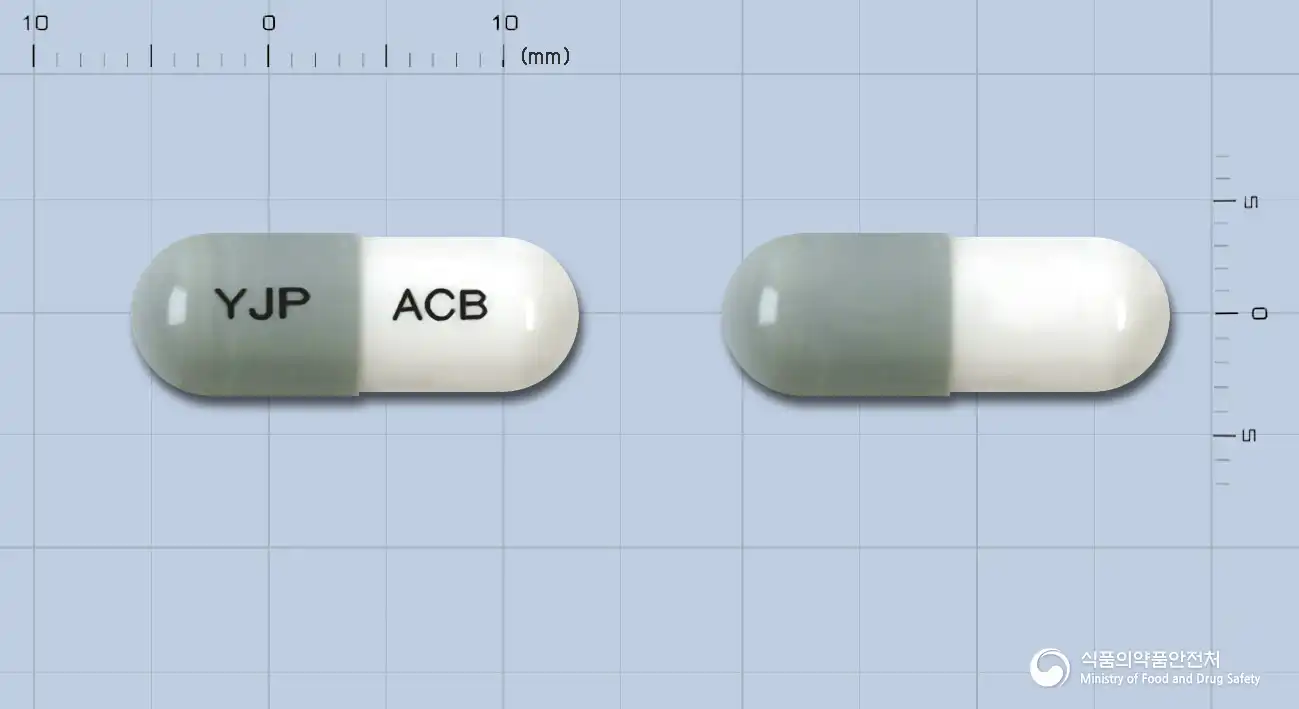
A capsule filled with white to off-white powder, with a gray upper part and a white lower part.
30 capsules/bottle, 100 capsules/bottle
Even with the same ingredient, strength, dosage form and how it is taken can differ.
Viewing nowAcebrophylline 100mg
Hard capsule · Prescription medication
Youngjin Pharmaceutical Co., Ltd.
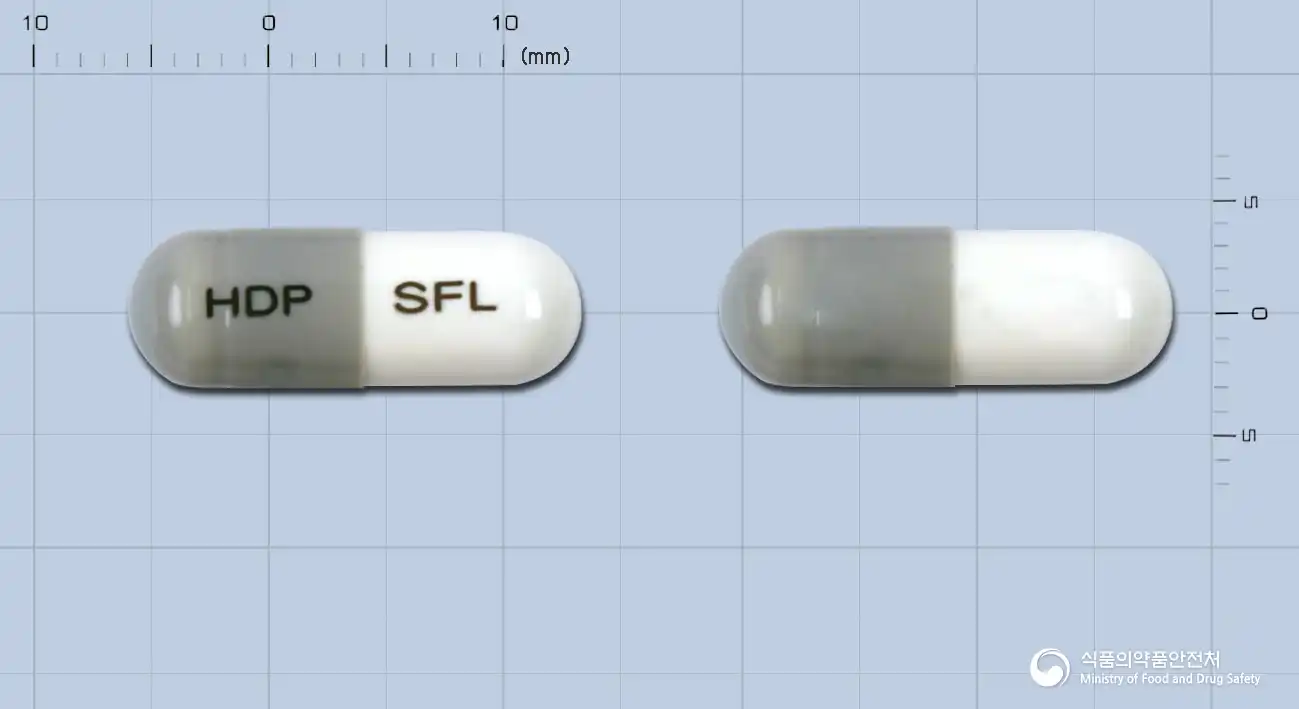
Acebrophylline 100mg
Hard capsule · Prescription medication
HyunDae Pharmaceutical Co., Ltd.
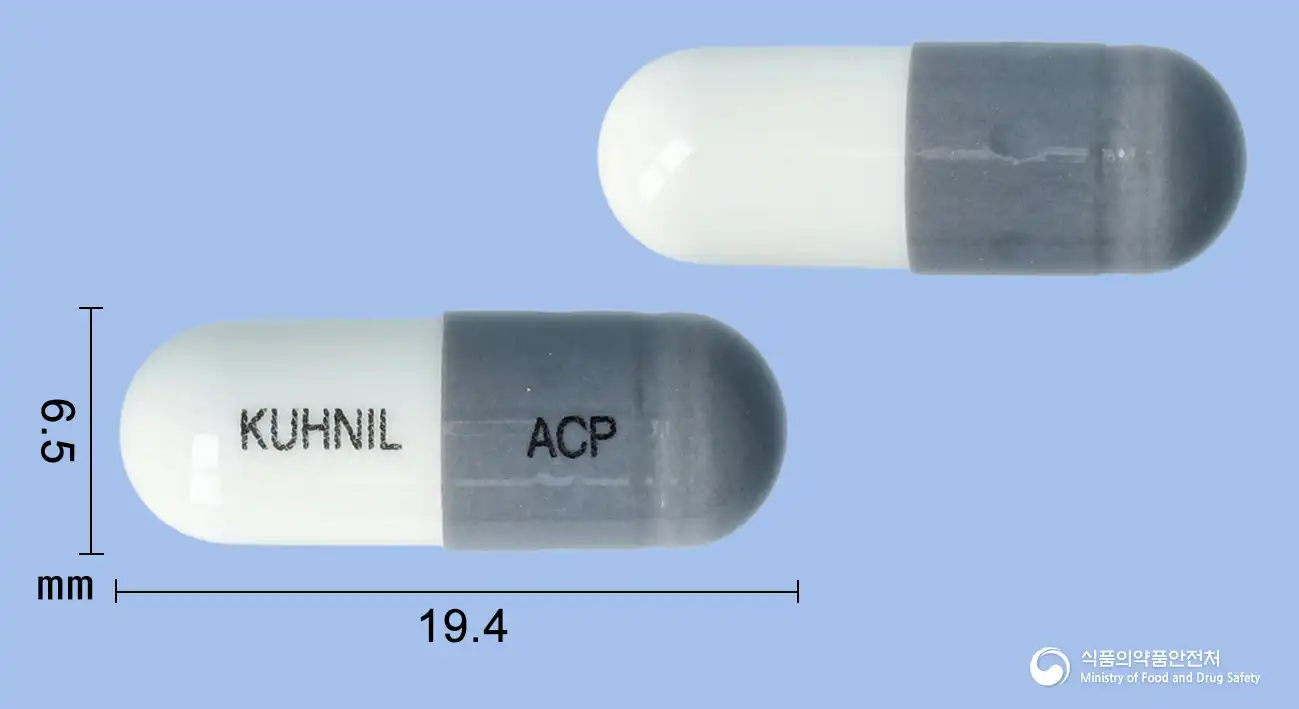
Acebrophylline 100mg
Hard capsule · Prescription medication
Gunil Pharmaceutical Co., Ltd.
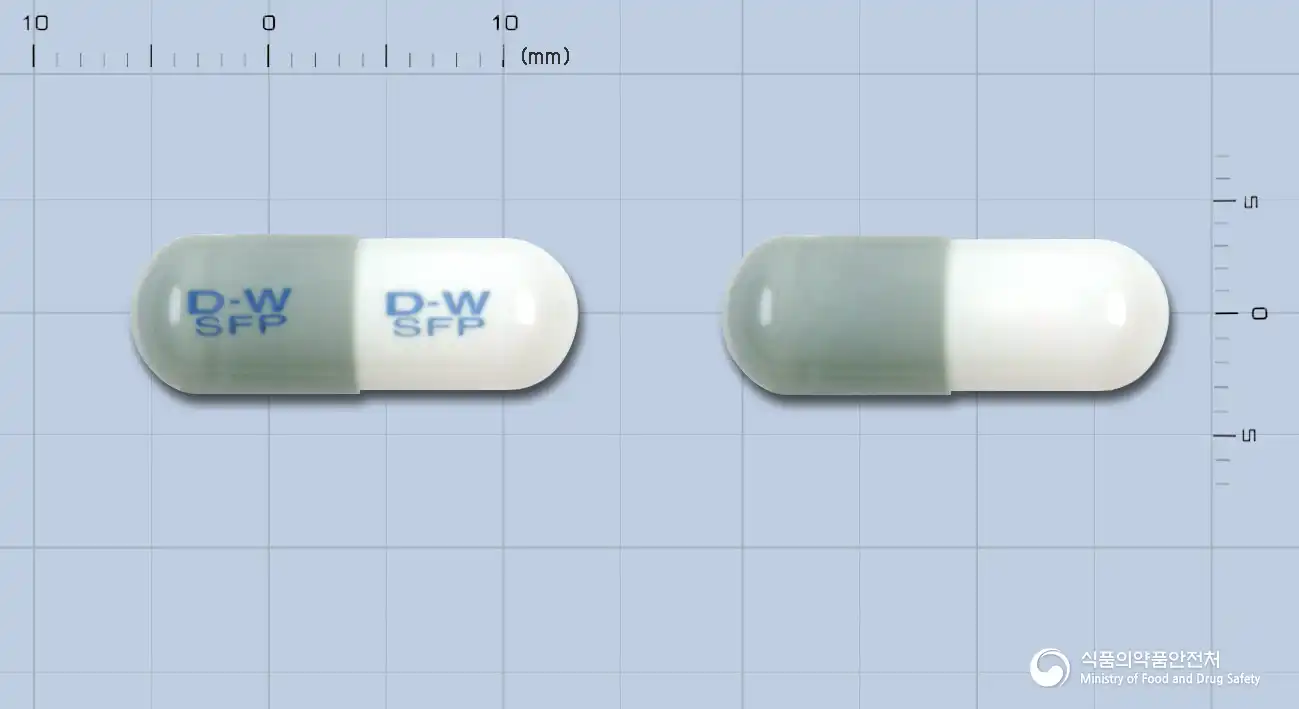
Acebrophylline 100mg
Hard capsule · Prescription medication
Donghwa Pharmaceutical Co., Ltd.
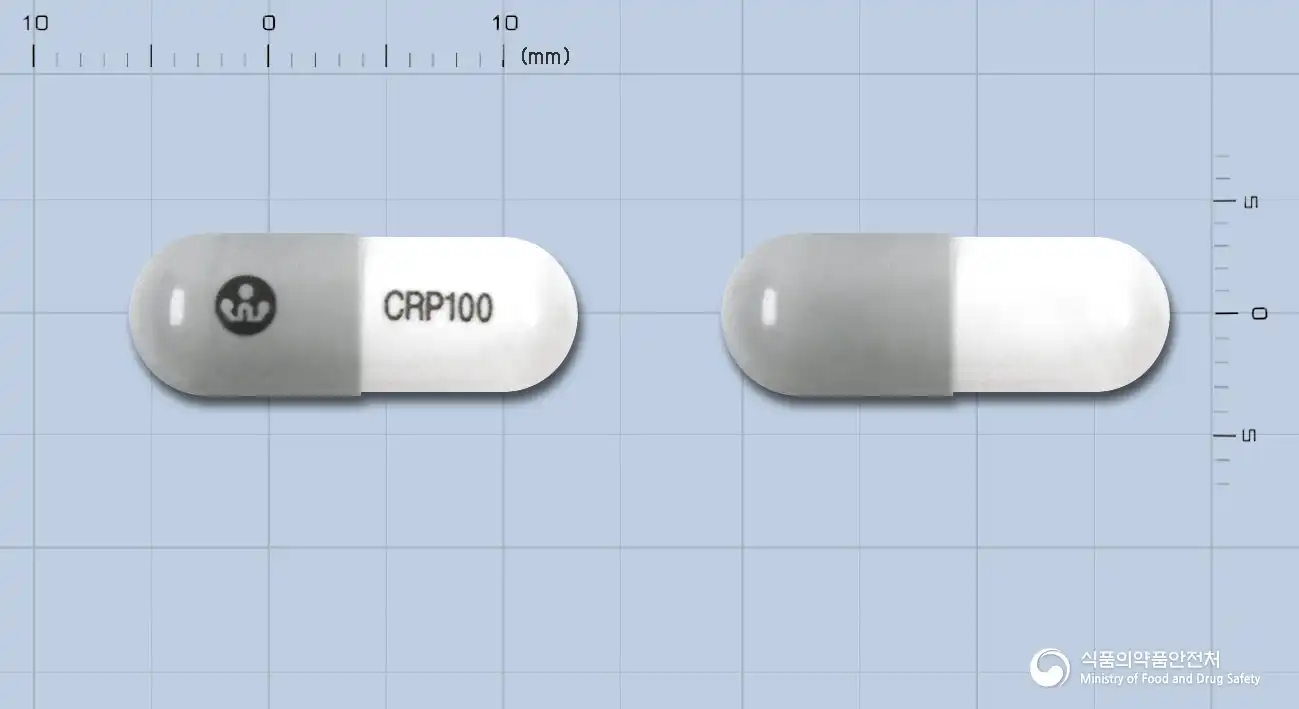
Acebrophylline 100mg
Hard capsule · Prescription medication
Hanin Pharmaceutical Co., Ltd.
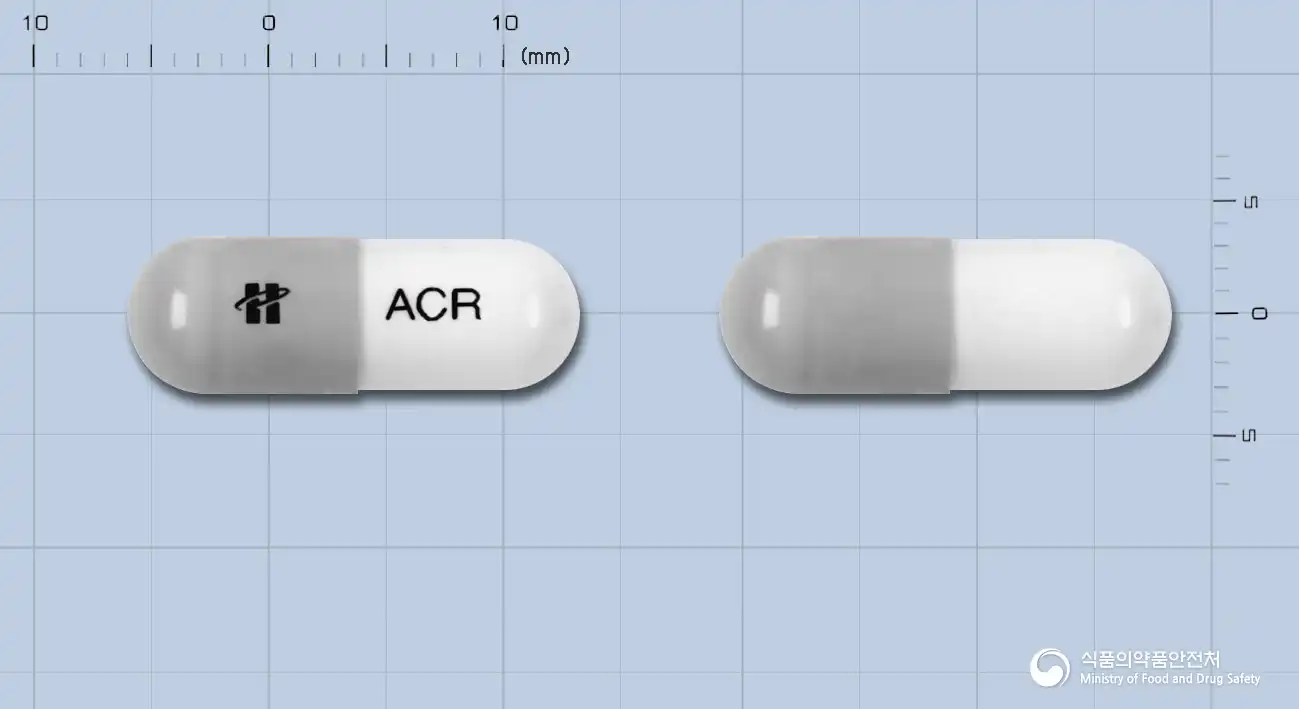
Acebrophylline 100mg
Hard capsule · Prescription medication
(Ltd.) Huons
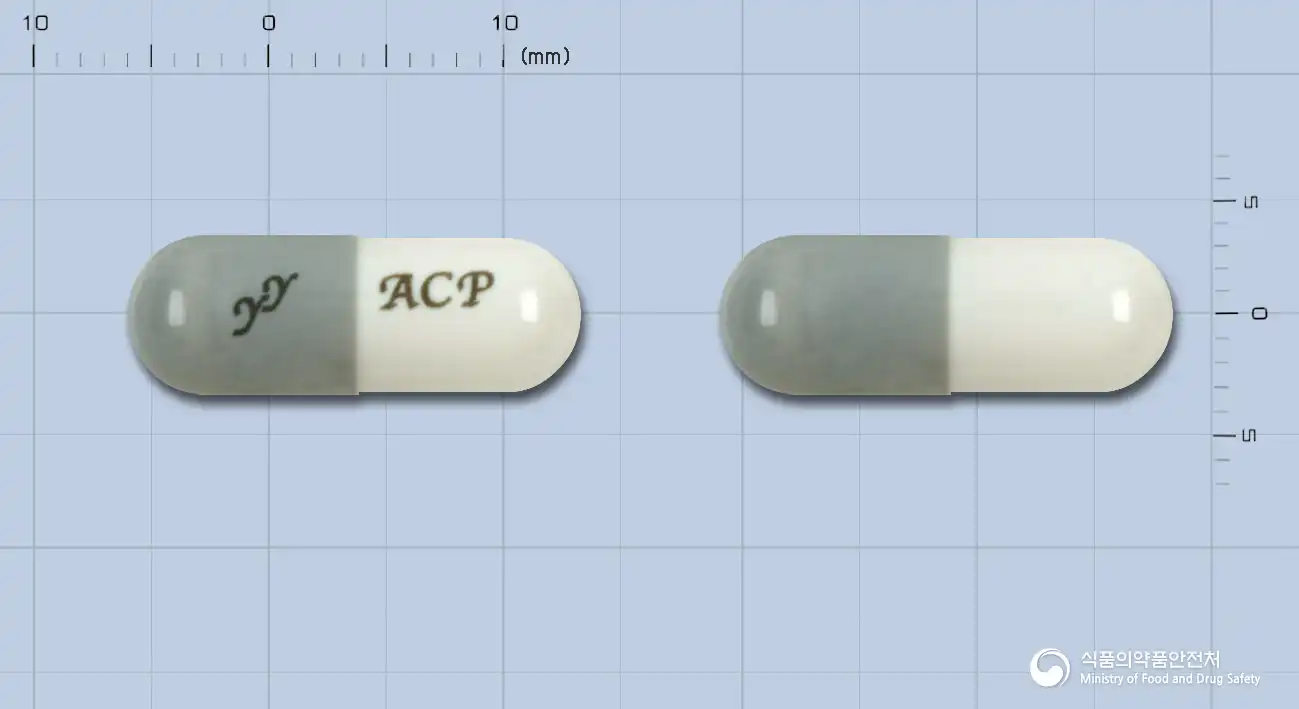
Acebrophylline 100mg
Hard capsule · Prescription medication
(Ltd.) Yuyoung Pharmaceutical
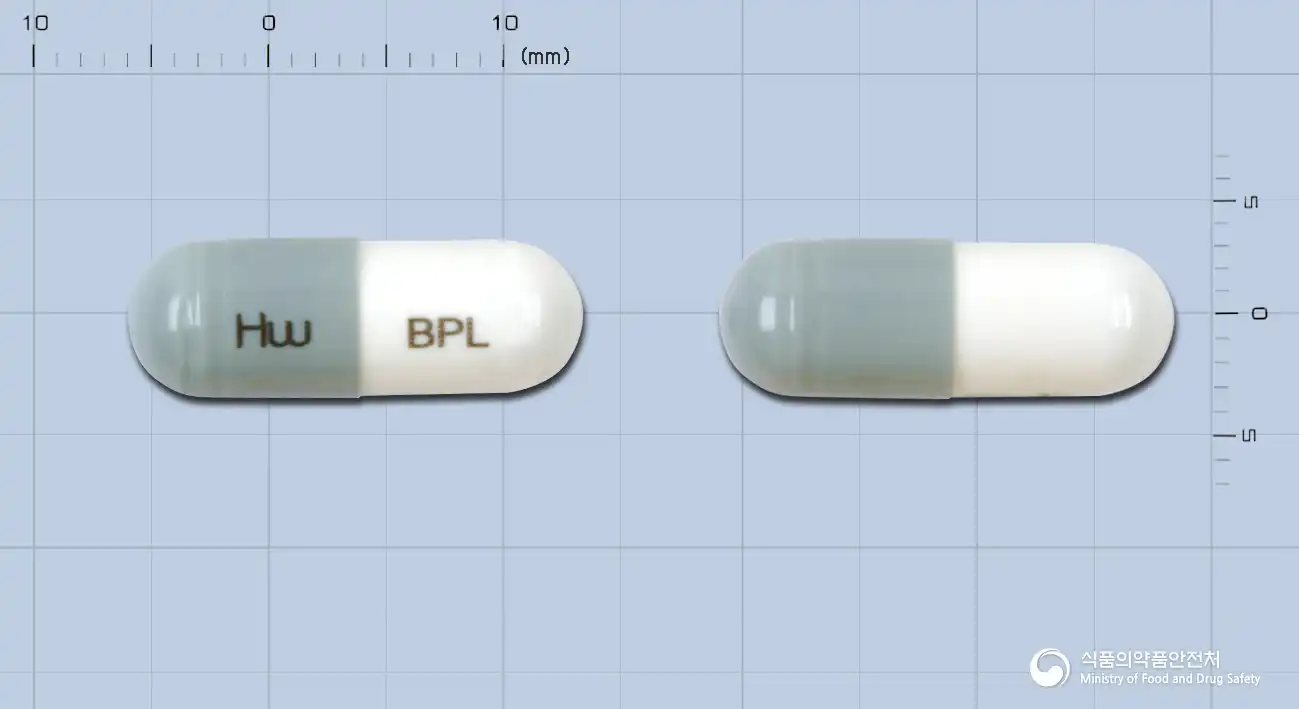
Acebrophylline 100mg
Hard capsule · Prescription medication
Albozen Korea Co., Ltd.
Even with the same ingredient, the dose and directions can differ by strength and dosage form. Talk to a doctor or pharmacist before switching from a medication you are already taking.
No questions yet.
For anything that needs medical judgment, consult a doctor or pharmacist.
This drug information is based on data provided by the Korea Ministry of Food and Drug Safety.
Consult a doctor or pharmacist for accurate dosage, administration, and usage instructions.