
 한국어
한국어 English
 日本語
日本語 中文(简体)
 Viewing now
Betadren Tablets (Bisoprolol Fumarate)
Bisoprolol Fumarate 5mg
Tablet · Prescription medication
Ilhwa Co., Ltd.
MFDS item code 200400825 · Notified 2004.11.04 · Insurance code 640900430
Improvement of hypertension and angina, treatment of stable chronic heart failure with decreased left ventricular contractility.
This medication is used for hypertension and angina. It lowers blood pressure and improves the heart's blood flow, alleviating symptoms. Additionally, it helps to reduce the heart's workload and improve function when used with ACE inhibitors and diuretics in the treatment of stable chronic heart failure with decreased left ventricular contractility. This medication is effective in maintaining heart health and relieving symptoms of heart failure.
Take 5-10mg orally once daily, without chewing, along with a drink either on an empty stomach in the morning or at breakfast. In mild cases, 5mg is sufficient, while in severe cases, 10mg is administered. In special cases, up to a maximum of 20mg may be administered daily. For stable chronic heart failure, the initial dose is 1.25mg once daily, with an interval of at least 2 weeks before increasing to 2.5mg, 3.75mg, 5mg, 7.5mg, or 10mg.
This medication is not recommended for use in children due to a lack of experience.
This medication has not been used in patients with certain diseases or conditions among heart failure patients, so caution is necessary. Particularly, patients with asthma or chronic pulmonary disease should use it along with bronchodilators and may need dosage adjustments due to possible increased airway resistance. It may increase sensitivity to allergens, so allergic reactions can occur, and adrenaline treatment may not be effective. If you have psoriasis or a history of psoriasis, you should carefully consider the risks and benefits of taking this medication. Patients with chromaffin cell tumors should use this medication after α-blockers, and symptoms of hyperthyroidism may be masked by this medication. Regular health status checks are required when starting this medication, and stopping abruptly may worsen heart conditions, so it should be tapered off gradually. Diabetic ketoacidosis, severe bradycardia, cardiogenic shock, and acute heart failure are contraindications for this medication. Pregnant women or women who could become pregnant should not take this medication as it may harm the fetus and newborn. If breastfeeding, one should avoid taking it or cease breastfeeding. Safety in children has not been established, so it is not administered to children. Elderly patients should start at a low dose and be monitored carefully, and dose adjustments may be necessary in cases of severe kidney or liver dysfunction. This medication interacts with many other drugs, so it's essential to inform the doctor of any other medications being taken. Caution is needed when used with calcium channel blockers, central nervous system drugs, etc. Caution is advised when driving or operating machinery due to individual variations in response, especially during the initial treatment phase or when changing medications. Overdose may cause symptoms such as bradycardia, hypotension, bronchospasm, worsening heart failure, or hypoglycemia, necessitating immediate medical treatment. This medication should be stored out of reach of children, and it should not be transferred to other containers from the original packaging.
Not everyone experiences these, and they can vary from person to person.
This medication may be sensitive to air or moisture, so it must be stored in a tightly sealed container. The recommended storage temperature is between 1°C and 30°C at room temperature to maintain its effectiveness.
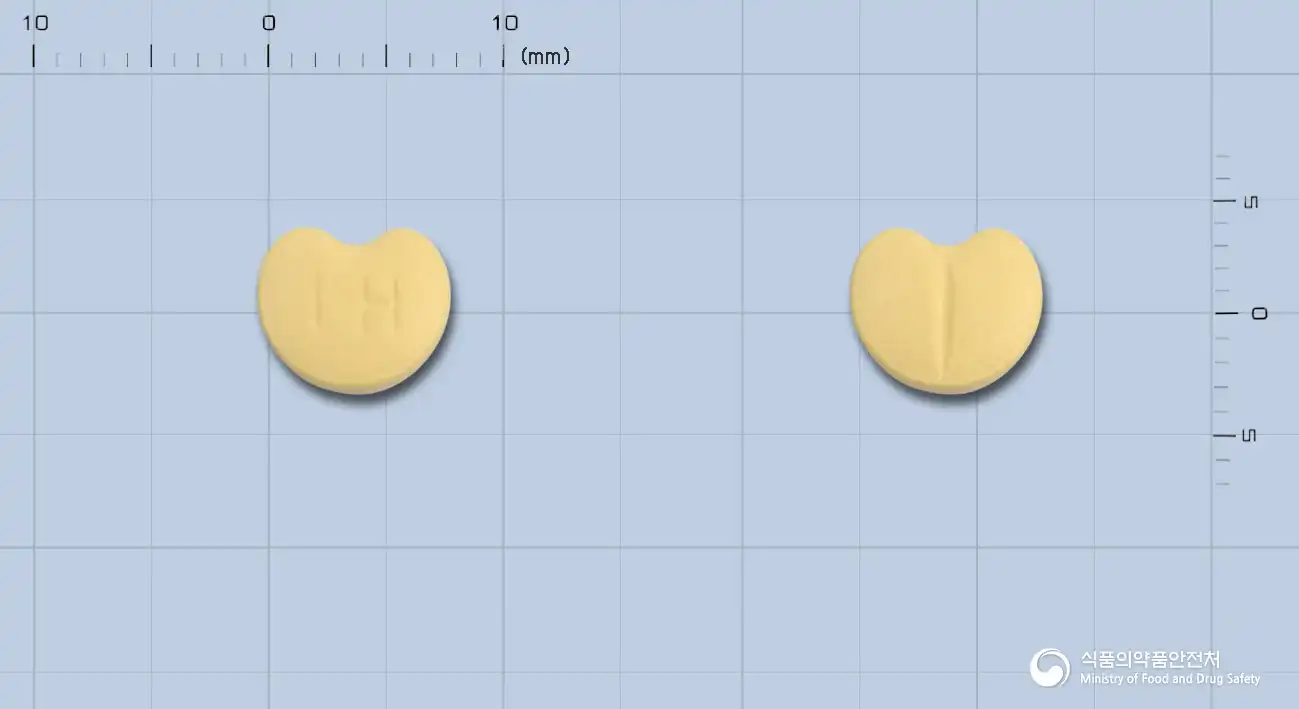
A heart-shaped, yellowish film-coated tablet that is convex on both sides with a break line on one side.
30 tablets/bottle, 100 tablets/bottle
Even with the same ingredient, strength, dosage form and how it is taken can differ.
Viewing nowBisoprolol Fumarate 5mg
Tablet · Prescription medication
Ilhwa Co., Ltd.
Bisoprolol Fumarate 5mg
Tablet · Prescription medication
Merck Co., Ltd.
Bisoprolol Fumarate 2.5mg
Tablet · Prescription medication
Merck Co., Ltd.
Bisoprolol Fumarate 5mg
Tablet · Prescription medication
Celix Co., Ltd.
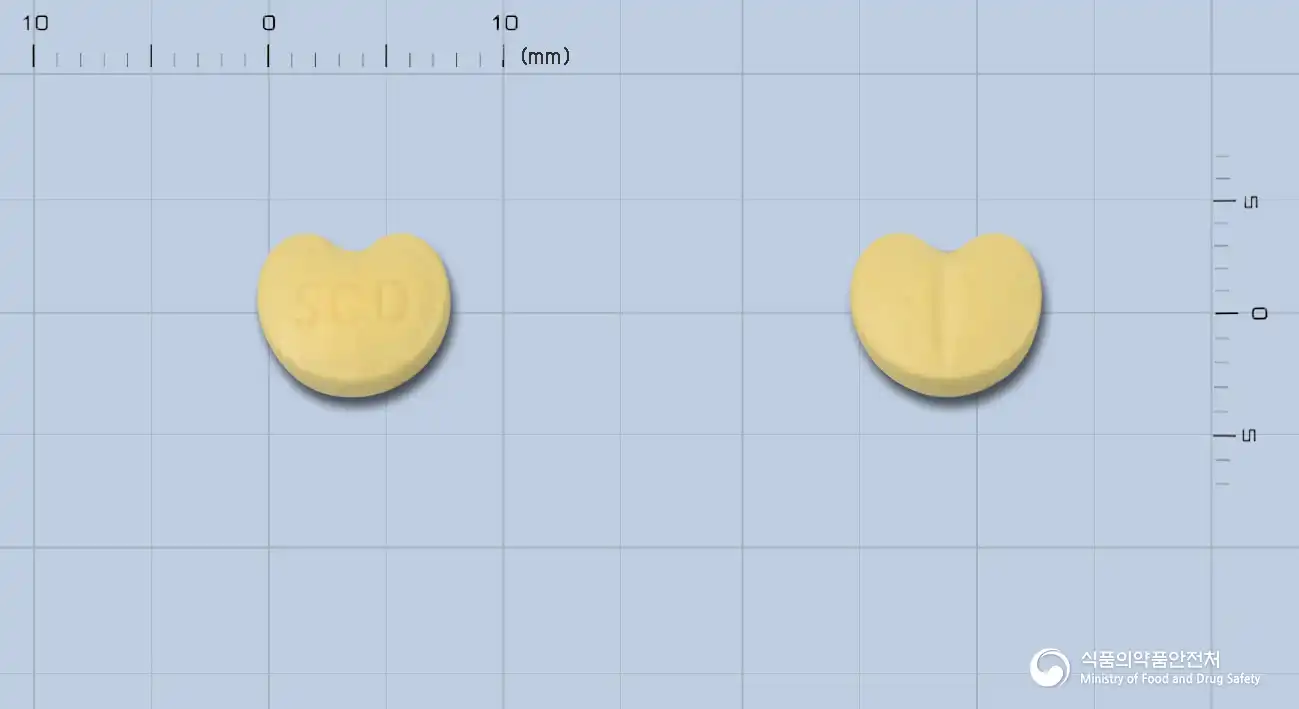
Bisoprolol Fumarate 5mg
Tablet · Prescription medication
Samchundang Pharmaceutical Co., Ltd.
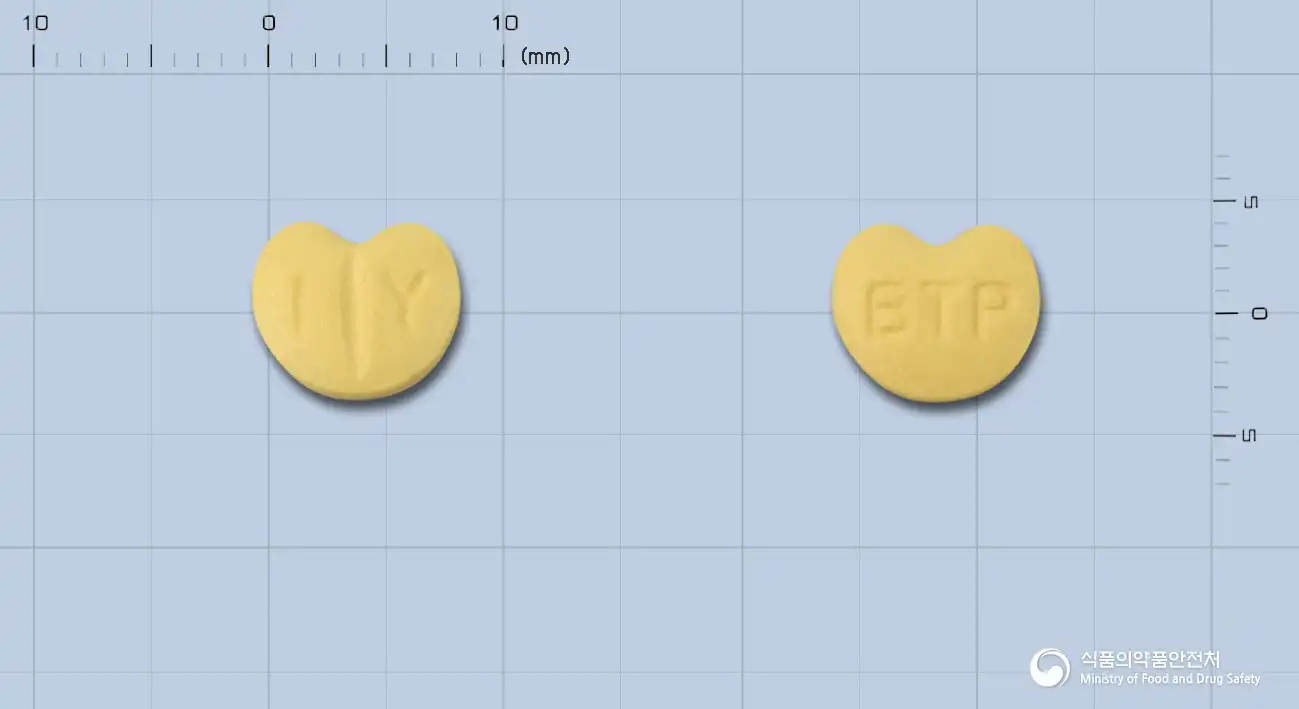
Bisoprolol Fumarate 5mg
Tablet · Prescription medication
Il Yang Pharmaceutical Co., Ltd.
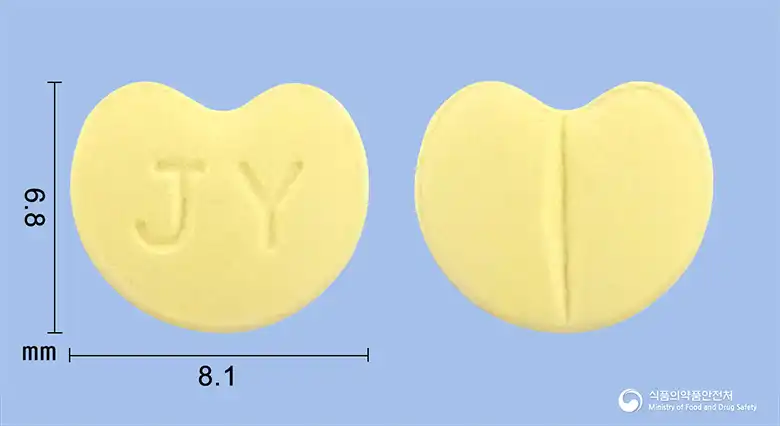
Bisoprolol Fumarate 5mg
Tablet · Prescription medication
Jinyang Pharmaceutical Co., Ltd.
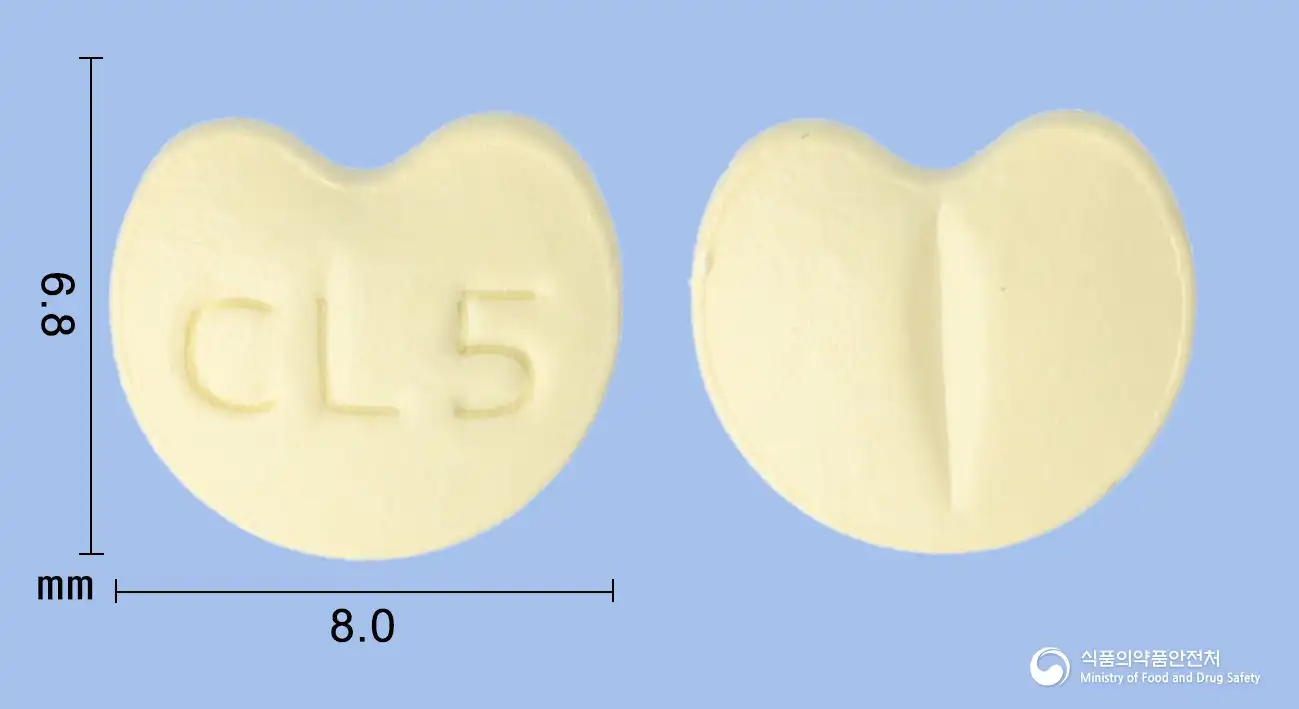
Bisoprolol Fumarate 5mg
Tablet · Prescription medication
Ellison Pharmaceuticals Co., Ltd.
Even with the same ingredient, the dose and directions can differ by strength and dosage form. Talk to a doctor or pharmacist before switching from a medication you are already taking.
No questions yet.
For anything that needs medical judgment, consult a doctor or pharmacist.
This drug information is based on data provided by the Korea Ministry of Food and Drug Safety.
Consult a doctor or pharmacist for accurate dosage, administration, and usage instructions.