
 한국어
한국어 English
 日本語
日本語 中文(简体)
 Viewing now
Tebafine Tablet (Terbinafine Hydrochloride)
Terbinafine Hydrochloride 140.625mg
Tablet · Prescription medication
Ilhwa Co., Ltd.
MFDS item code 200400802 · Notified 2004.09.14 · Insurance code 640901180
Treatment of dermatophyte infections (tinea pedis, tinea corporis, etc.) and onychomycosis caused by skin fungi
This medication is used to treat tinea pedis, tinea corporis, and tinea cruris caused by dermatophytes in adults. It is also effective for fungal infections affecting the nails. In children, it can help treat tinea capitis. In conclusion, this drug is used to treat various skin and nail fungal infections.
As terbinafine, 125 mg once or twice daily or 250 mg once daily. The duration of treatment depends on the disease. 1) Dermatophyte infections - Tinea pedis (interdigital type, plantar/moccasin type): 2-6 weeks - Tinea corporis: 2-4 weeks - Tinea cruris: 2-4 weeks 2) Onychomycosis - Usually administered for 6 weeks to 3 months; shorter treatment may be needed for infections of the fingernails or small toe or in younger patients.
For children over 2 years of age. Tinea capitis: 4 weeks of treatment. 1) For weight under 20 kg (under 5 years old): 62.5 mg once daily. - Due to insufficient experience in administration, treatment benefits...
This medication is not recommended for patients with chronic liver disease or active liver disease. Regular liver function tests should be conducted before and during treatment to check for liver function issues. If liver function deteriorates or symptoms of liver dysfunction (persistent nausea, loss of appetite, fatigue, vomiting, upper right abdominal pain, jaundice, etc.) appear, it is crucial to inform a doctor immediately and discontinue use. Although this medication is used to treat onychomycosis, serious liver failure can occur rarely, so liver health should be monitored carefully. Those allergic to this medication, individuals with chronic liver disease, blood disorders, severe renal failure, infants under 2 years of age, nursing mothers, and those with hereditary lactose intolerance should not take it. Patients with impaired kidney function, elderly patients, and children weighing less than 20 kg should use this medication with caution, and if severe skin reactions occur, they should stop taking it immediately. Common side effects may include skin rash or itching, joint pain, muscle aches, dyspepsia, headaches, taste disorders, and depression, and if symptoms are severe, consultation with a doctor is advisable. This medication may cause dizziness when driving or operating machinery, so caution is required. There may also be interactions with other medications, so it is essential to inform a doctor or pharmacist about any other medications being taken, especially when used with drugs metabolized by the liver. Pregnant women or women who may become pregnant should consult with a doctor and carefully decide on the use of this drug, and breastfeeding should be discontinued if applying this medication. In cases of overdose, symptoms such as headaches, nausea, abdominal pain, and dizziness may occur, and immediate medical treatment should be sought. This medication should be kept out of reach of children and stored at room temperature away from direct sunlight.
Hepatobiliary failure, hepatitis, cholestasis, jaundice, neutropenia, pancytopenia, agranulocytosis, thrombocytopenia, Stevens-Johnson syndrome, toxic epidermal necrolysis (Lyell's syndrome), acute generalized exanthematous pustulosis, anaphylactic reactions (angioedema, superficial and generalized lupus erythematosus), severe allergic reactions, severe skin adverse reactions, respiratory distress, rhabdomyolysis, seizures, altered consciousness, paralysis, neurological effects
Rash, itching, photosensitivity reactions, acute generalized exanthematous pustulosis, erythema multiforme, toxic skin eruptions, exfoliative dermatitis, blistering dermatitis, psoriatic rash, worsening of psoriasis, hair loss, musculoskeletal reactions (joint pain, muscle pain), muscle pain, weakness, hypotension, erythema, facial edema, lymphadenopathy, gastrointestinal symptoms (abdominal bloating, loss of appetite, dyspepsia, nausea, mild abdominal pain, diarrhea), discomfort in the upper abdomen, thirst, vomiting, glossitis, depression,
Not everyone experiences these, and they can vary from person to person.
This medication should be stored in a tightly sealed container to prevent air from entering, and it is recommended to keep it at a temperature between 1 and 30 degrees Celsius. Proper storage will help maintain the medication's effectiveness for a longer period.
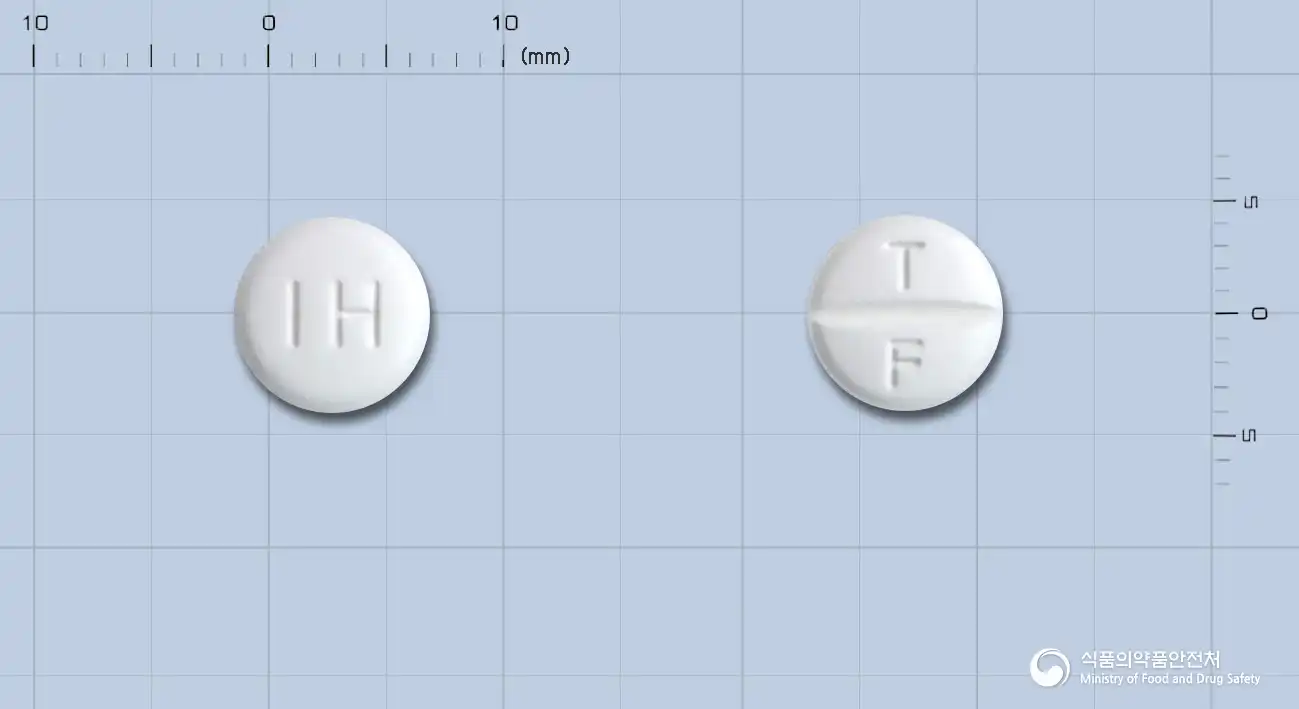
White round tablet
30 tablets/bottle, 100 tablets/bottle
Even with the same ingredient, strength, dosage form and how it is taken can differ.
Viewing nowTerbinafine Hydrochloride 140.625mg
Tablet · Prescription medication
Ilhwa Co., Ltd.
Terbinafine Hydrochloride 10mg
Cream · OTC medication
GP Therapeutics Korea Co., Ltd.
Terbinafine Hydrochloride 10mg
Cream · OTC medication
Korea Hutex Pharmaceutical Co., Ltd.
Terbinafine Hydrochloride 10mg
Cream · OTC medication
Anguk Pharmaceutical Co., Ltd.
Terbinafine Hydrochloride 10mg
Cream · OTC medication
Medica Korea Co., Ltd.
Terbinafine Hydrochloride 10mg
Cream · OTC medication
Gyeongnam Pharmaceutical Co., Ltd.
Terbinafine Hydrochloride 10mg
Cream · OTC medication
Daehwa Pharmaceutical Co., Ltd.
Terbinafine Hydrochloride 10mg
Cream · OTC medication
Korea Pharmaceutical Co., Ltd.
Even with the same ingredient, the dose and directions can differ by strength and dosage form. Talk to a doctor or pharmacist before switching from a medication you are already taking.
No questions yet.
For anything that needs medical judgment, consult a doctor or pharmacist.
This drug information is based on data provided by the Korea Ministry of Food and Drug Safety.
Consult a doctor or pharmacist for accurate dosage, administration, and usage instructions.