
 한국어
 English
 日本語
 中文(简体)
 Viewing now
Camodex Suspension Tablets 250 milligrams (Amoxicillin - Clavulanate Potassium (4:1))
Amoxicillin·Clavulanate Potassium 250mg
Tablet · Prescription medication
Sama Pharmaceutical Co., Ltd.
MFDS item code 200400791 · Notified 2004.11.11 · Insurance code 645701090
Treatment of respiratory infections, genitourinary infections, and skin, bone, and dental infections
This medication is effective against various bacteria and is used for the treatment of respiratory infections such as acute and chronic bronchitis, pneumonia, empyema, lung abscess, tonsillitis, sinusitis, otitis media. It is also effective for urinary tract infections such as cystitis, urethritis, and pyelonephritis, as well as for pelvic infections and gonorrhea. Additionally, it is used in the treatment of boils, abscesses, soft tissue infections, wound infections, osteomyelitis, and dental infections. Due to its broad therapeutic effect against various bacterial infections, it helps improve patient symptoms.
Reduce the dose appropriately in patients with renal impairment. To minimize potential gastrointestinal intolerance, administer at the beginning of a meal. Absorption of amoxicillin-clavulanate is optimized when administered at the beginning of a meal. <How to take this medicine> Do not swallow or split this medicine; dissolve it in a small amount of water before taking it. Place a small amount of water (about 5 mL) in a spoon, add 1 tablet of this medicine, and wait about 1 minute for the tablet to disintegrate. Stir and take promptly.
7 ~ 11 years: Administer 250 mg per dose (equivalent to 200 mg of amoxicillin) orally 3 times daily, every 8 hours. For severe infections, the dose may be increased to 375 mg per dose (equivalent to 300 mg of amoxicillin). 3 ~ 6 years: Administer 156.25 mg per dose (equivalent to 125 mg of amoxicillin) orally 3 times daily, every 8 hours. For severe infections, the dose may be increased to 312.5 mg per dose (equivalent to 250 mg of amoxicillin). 9 months ~ 2 years: Administer 78.125 mg per dose (equivalent to 62.5 mg of amoxicillin) orally 3 times daily, every 8 hours.
This medication, as a penicillin-class antibiotic, should not be used in patients who have exhibited hypersensitivity to beta-lactam drugs. It is particularly contraindicated in cases of severe allergic reactions such as anaphylaxis or Stevens-Johnson syndrome. Additionally, caution is needed for patients with viral infections such as infectious mononucleosis or lymphocytic leukemia, as the risk of rash may increase. Patients with a history of liver dysfunction or jaundice should not use this medication due to the risk of recurrence. This medication contains lactose and should not be given to patients with genetic metabolic abnormalities such as lactose intolerance or galactose intolerance. Patients with poor liver function or moderate to severe kidney dysfunction may have increased drug concentrations, thus the dosing intervals should be adjusted or used with caution. Patients with allergies, elderly individuals, or those in poor general health should also be cautious due to the risk of side effects. Gastrointestinal symptoms may include diarrhea, vomiting, and abdominal pain, which in severe cases can develop into serious issues such as pseudomembranous colitis, so immediate consultation with a healthcare professional is required if symptoms occur. Symptoms of liver dysfunction such as hepatitis or cholestatic jaundice have been rarely reported, especially in males over 60 years of age, necessitating liver function tests with prolonged use. Dermatological reactions such as itching, rash, and in severe cases, serious skin disorders like Stevens-Johnson syndrome may occur, thus treatment should be discontinued immediately and a doctor's advice should be sought if any abnormal symptoms appear. Hematological abnormalities such as leukopenia, thrombocytopenia, and hemolytic anemia may rarely occur, so monitoring for signs of bleeding tendencies or symptoms of infection is important. Central nervous system side effects such as anxiety, dizziness, and seizures may occur rarely, so if these symptoms arise, healthcare providers should be notified immediately. Safety during pregnancy has not been established, so it is advisable to avoid use, particularly during the first trimester. Caution is also warranted during breastfeeding, as it may affect the infant. This medication may interact with other drugs; therefore, it's essential to inform healthcare providers of any other medications being taken, especially anticoagulants or other antibiotics. In cases of overdose, gastrointestinal symptoms and renal dysfunction may occur, and in severe cases, treatment should be halted and appropriate care received immediately. Storage should be in a dry container that prevents moisture, kept at room temperature between 1° and 30°. It is important to avoid prolonged exposure to direct sunlight or extreme temperatures. Although this medication is effective for treating infections, it should only be used for the necessary duration to prevent the emergence of resistant bacteria, and if symptoms worsen or abnormal reactions occur, immediate consultation with healthcare professionals is required.
Diarrhea, pseudomembranous colitis, dyspepsia, stomatitis, gastritis, glossitis, black hairy tongue, nausea, vomiting, loss of appetite, abdominal pain, abdominal bloating, constipation, colonic pain, hyperacidity, loose stool, xerostomia, acute pancreatitis, candidiasis, antibiotic-associated colitis, bloody stool, itching, erythema multiforme, skin and mucous membrane syndrome, toxic epidermal necrolysis, vesiculate exfoliative dermatitis, acute generalized exanthematous pustulosis, eosinophilia, angioedema, anaphylaxis, serum sickness syndrome, hypersensitivity vasculitis, bronchospasm, dyspnea, laryngeal edema, anaphylactic shock, leukopenia, thrombocytopenia, hemolytic anemia, anemia, thrombocytopenic purpura, eosinophilia, leukemia, agranulocytosis, lymphocytopenia, thrombocytosis, bone marrow suppression, prolonged bleeding time, prolonged prothrombin time, vaginal pruritus, vaginal burning, increased discharge, restlessness, anxiety, behavioral changes, confusion, drowsiness, insomnia, hyperactivity, dizziness, headache, seizures, aseptic meningitis, acute renal failure, interstitial nephritis, hematuria, crystalluria, vitamin K deficiency symptoms, vitamin B complex deficiency symptoms, tooth discoloration, linear IgA disease, taste disturbance, malaise, dermatitis, oral edema, gastric pain, fluid and electrolyte imbalance, rash, hyperactivity, drowsiness, renal failure, interstitial cerebral seizures, hypersensitivity shock
Not everyone experiences these, and they can vary from person to person.
This medication is stored in a tightly sealed container to prevent moisture and should be kept at room temperature between 1° and 30°. Therefore, it is important to avoid direct sunlight and extreme heat or cold.
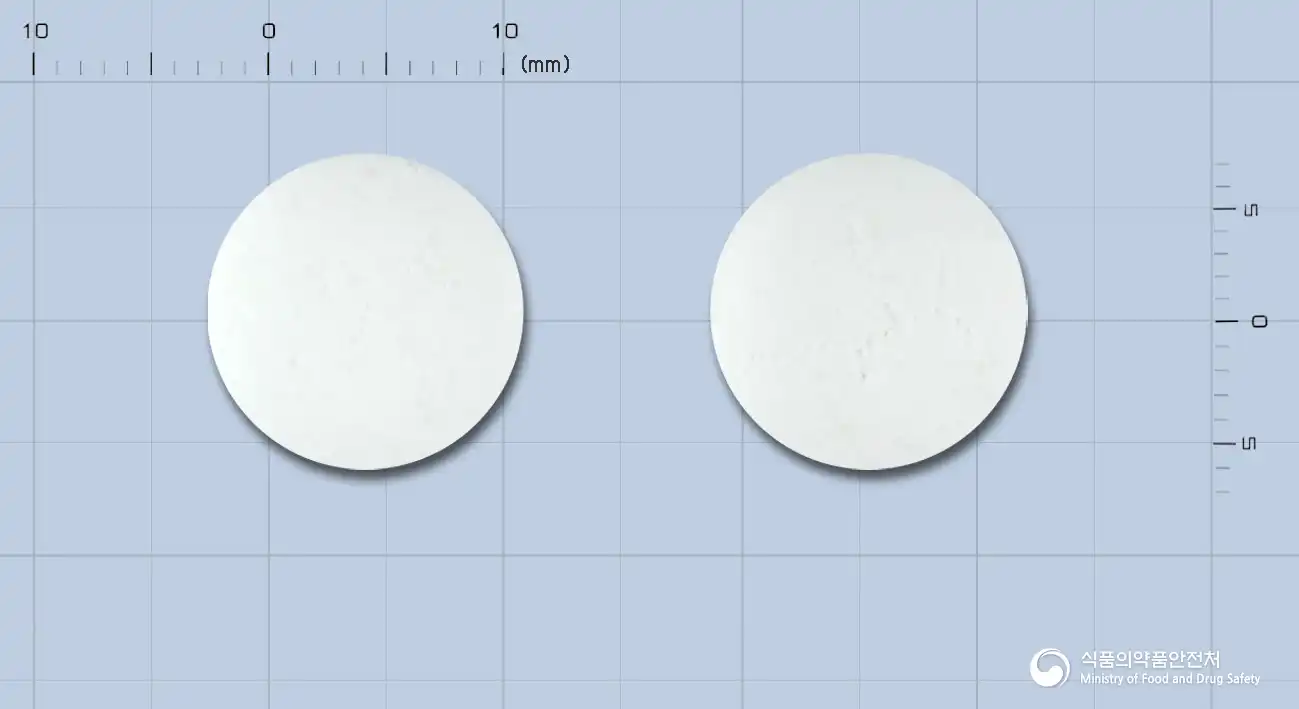
Round white or off-white tablet
60 tablets (6 tablets/Alu-Alu×10)
Even with the same ingredient, strength, dosage form and how it is taken can differ.
Viewing nowAmoxicillin·Clavulanate Potassium 250mg
Tablet · Prescription medication
Sama Pharmaceutical Co., Ltd.

Amoxicillin·Clavulanate Potassium 156.25mg
Tablet · Prescription medication
Sama Pharmaceutical Co., Ltd.
Even with the same ingredient, the dose and directions can differ by strength and dosage form. Talk to a doctor or pharmacist before switching from a medication you are already taking.
No questions yet.
For anything that needs medical judgment, consult a doctor or pharmacist.
This drug information is based on data provided by the Korea Ministry of Food and Drug Safety.
Consult a doctor or pharmacist for accurate dosage, administration, and usage instructions.