
 한국어
 English
 日本語
 中文(简体)
 Viewing now
Camodex Suspension Tablets 156.25 milligrams (Amoxicillin - Clavulanate Potassium (4:1))
Amoxicillin·Clavulanate Potassium 156.25mg
Tablet · Prescription medication
Sama Pharmaceutical Co., Ltd.
MFDS item code 200400790 · Notified 2004.11.11 · Insurance code 645701080
Treatment of respiratory and otolaryngologic infections, genitourinary infections, and skin, bone, and dental infections
This medication is used to treat infections caused by a variety of bacteria. It is effective for respiratory infections such as acute and chronic bronchitis, pneumonia, empyema, and lung abscess, as well as tonsillitis, sinusitis, and otitis media. Additionally, it helps treat urinary tract infections such as cystitis, urethritis, pyelonephritis, and pelvic infections including gonorrhea. It is also used for skin and bone-related infections such as boils, abscesses, soft tissue infections, wound infections, and osteomyelitis. It is applicable for the prevention and treatment of dental infections. This broad-spectrum effectiveness in treating bacterial infections makes it useful for improving various infectious diseases.
Reduce the dose appropriately in patients with renal impairment. To minimize potential gastrointestinal intolerance, administer at the beginning of a meal. Absorption of amoxicillin-clavulanate is optimized when administered at the beginning of a meal. <How to take this medicine> Do not swallow or split this medicine; dissolve it in a small amount of water before taking it. Place a small amount of water (about 5 mL) in a spoon, add 1 tablet of this medicine, and wait about 1 minute for the tablet to disintegrate. Stir and take promptly.
7 ~ 11 years: Administer 250 mg per dose (equivalent to 200 mg of amoxicillin) orally 3 times daily, every 8 hours. For severe infections, the dose may be increased to 375 mg per dose (equivalent to 300 mg of amoxicillin). 3 ~ 6 years: Administer 156.25 mg per dose (equivalent to 125 mg of amoxicillin) orally 3 times daily, every 8 hours. For severe infections, the dose may be increased to 312.5 mg per dose (equivalent to 250 mg of amoxicillin). 9 months ~ 2 years: Administer 78.125 mg per dose (equivalent to 62.5 mg of amoxicillin) orally 3 times daily, every 8 hours.
This medication is a penicillin-class antibiotic and should not be administered to certain patients. Firstly, patients who have had allergic reactions to the components of this medication or β-lactam antibiotics should be cautious as serious hypersensitivity reactions may occur. Furthermore, patients with viral diseases such as infectious mononucleosis or lymphocytic leukemia are at higher risk of developing rashes when using this medication, and should refrain from using it. Patients with liver function issues should also exercise caution, as liver functional disorders may recur after using this medication. This medication contains lactose, and therefore should not be used by patients with lactose intolerance or related genetic disorders. Patients with liver impairment or severe renal insufficiency should be careful when administering this medication as it may remain in the body longer and increase the risk of side effects. Patients with allergic conditions, asthma, elderly individuals, or those in poor general health should be cautious due to the risk of bleeding caused by vitamin K deficiency. Patients experiencing severe gastrointestinal symptoms such as vomiting or diarrhea may not absorb the medication adequately, so it is important to carefully assess their condition prior to administration. This medication contains potassium; therefore, caution is warranted for patients who require potassium intake restrictions. Diarrhea, abdominal pain, and vomiting may occur during administration, and in severe cases, serious enteritis such as pseudomembranous colitis may occur, so patients should consult a physician immediately if symptoms arise. Liver dysfunction may rarely occur, so it is important for men over 60 years of age or those taking it for a long time to regularly check their liver health. Skin rashes, itching, and in severe cases, serious skin reactions such as Stevens-Johnson syndrome may occur, necessitating immediate discontinuation of the medication if abnormal symptoms are observed. Blood tests may reveal abnormalities such as leukopenia, anemia, and thrombocytopenia, making it essential to monitor blood status during prolonged use. Rarely, renal dysfunction or central nervous system symptoms (dizziness, convulsions, etc.) may occur, and immediate consultation with a physician is necessary if symptoms arise. Antibiotic use may disrupt the normal bacterial balance in the body, leading to fungal infections such as candidiasis, so anomalies in the oral or vaginal areas should be closely monitored. Pregnant or breastfeeding women should consult a physician before using this medication, as it may impact the fetus or infant. Elderly individuals may experience side effects more easily due to decreased body function, so caution should be exercised in adjusting dosage and intervals. This medication may interact with other drugs, especially anticoagulants, anti-inflammatory drugs, and other antibiotics, so consultation with a doctor or pharmacist is recommended when using them together. In case of overdose, serious symptoms such as vomiting, diarrhea, renal failure, convulsions may occur, requiring immediate visit to a medical institution for appropriate treatment. Finally, this medication should be stored in a dry place between 15 and 25 degrees Celsius, and during prolonged use, should only be used for the minimum period as directed by a physician to reduce the risk of resistance and side effects.
Not everyone experiences these, and they can vary from person to person.
This medication should be stored in a tightly sealed container to prevent moisture, ideally at room temperature between 1 and 30 degrees Celsius. This helps maintain the medication's effectiveness over a longer period.
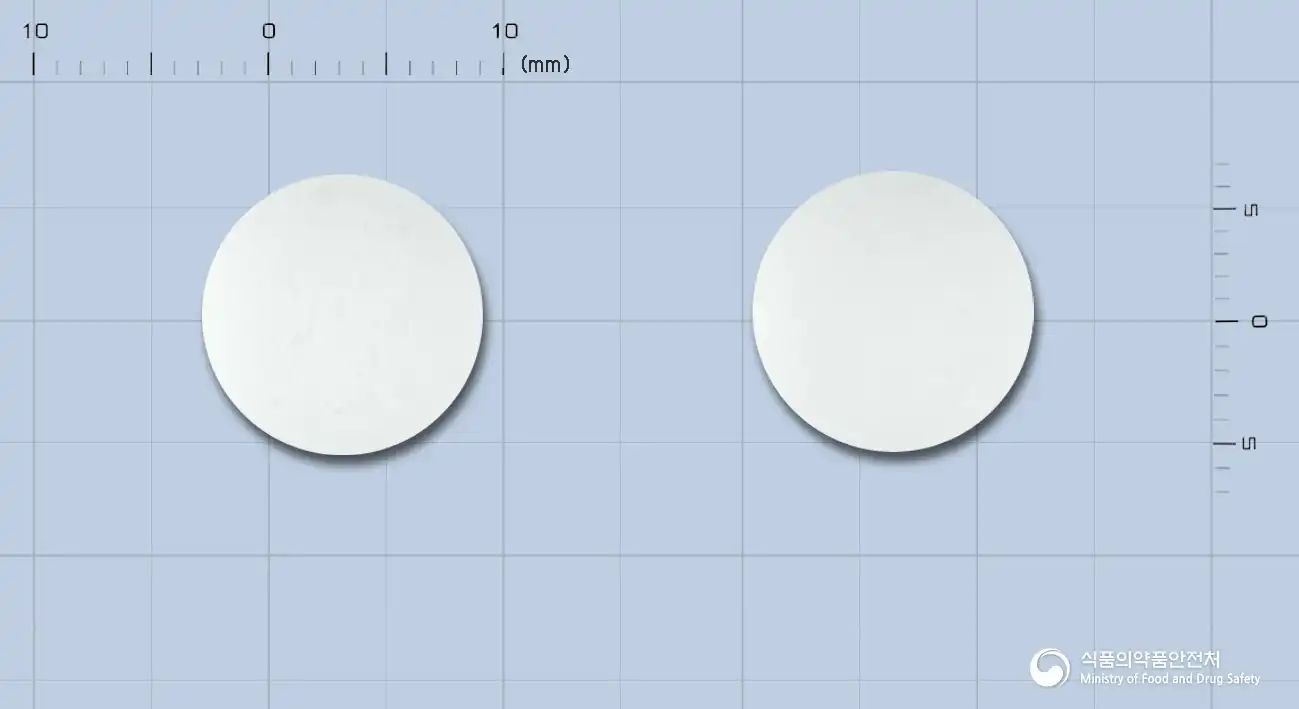
White or off-white round tablet
60 tablets (6 tablets/Alu-Alu×10)
Even with the same ingredient, strength, dosage form and how it is taken can differ.
Viewing nowAmoxicillin·Clavulanate Potassium 156.25mg
Tablet · Prescription medication
Sama Pharmaceutical Co., Ltd.
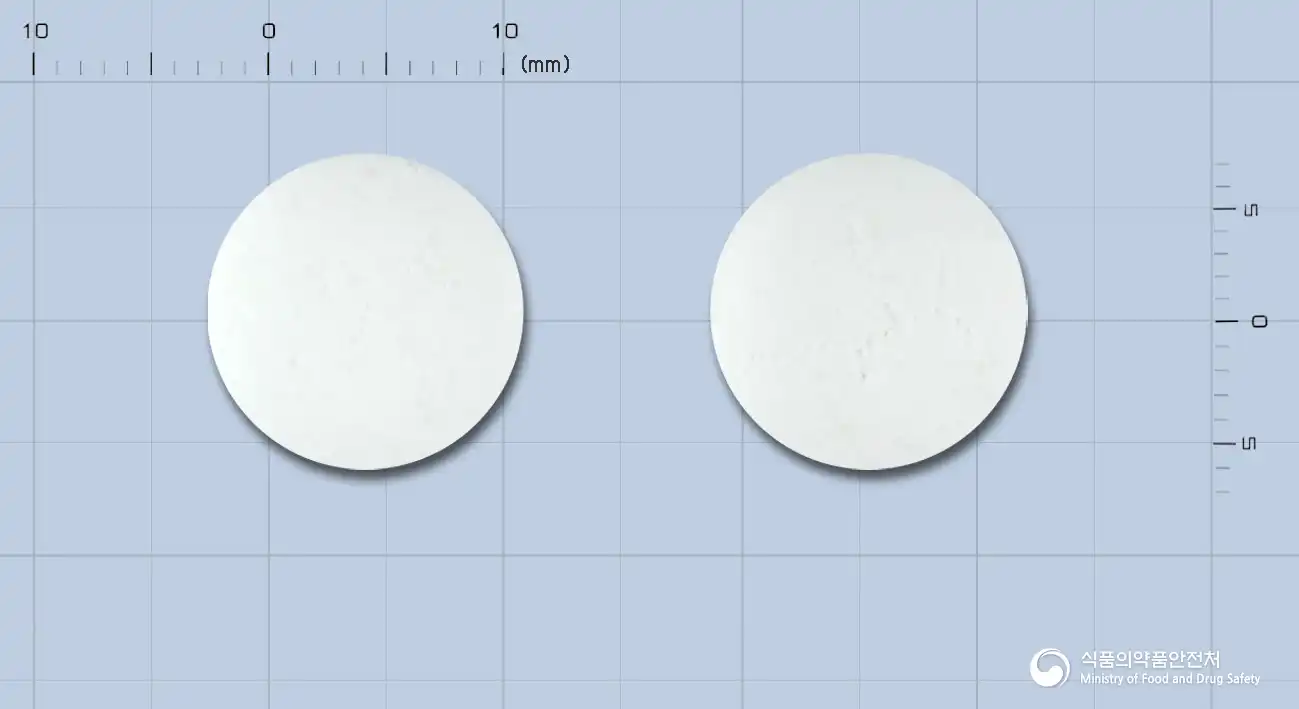
Amoxicillin·Clavulanate Potassium 250mg
Tablet · Prescription medication
Sama Pharmaceutical Co., Ltd.
Even with the same ingredient, the dose and directions can differ by strength and dosage form. Talk to a doctor or pharmacist before switching from a medication you are already taking.
No questions yet.
For anything that needs medical judgment, consult a doctor or pharmacist.
This drug information is based on data provided by the Korea Ministry of Food and Drug Safety.
Consult a doctor or pharmacist for accurate dosage, administration, and usage instructions.