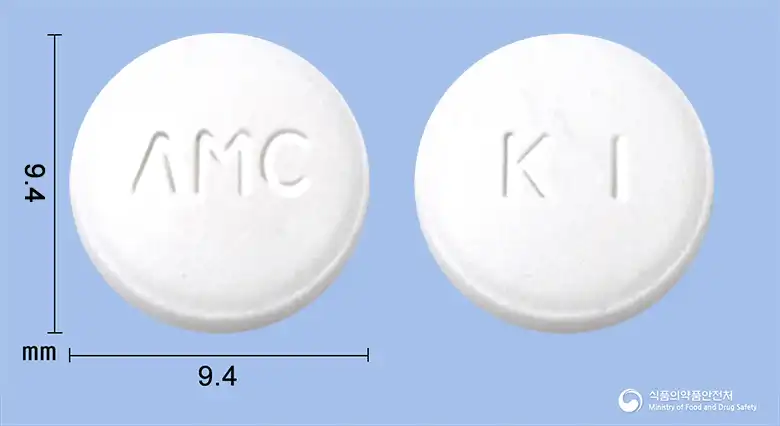
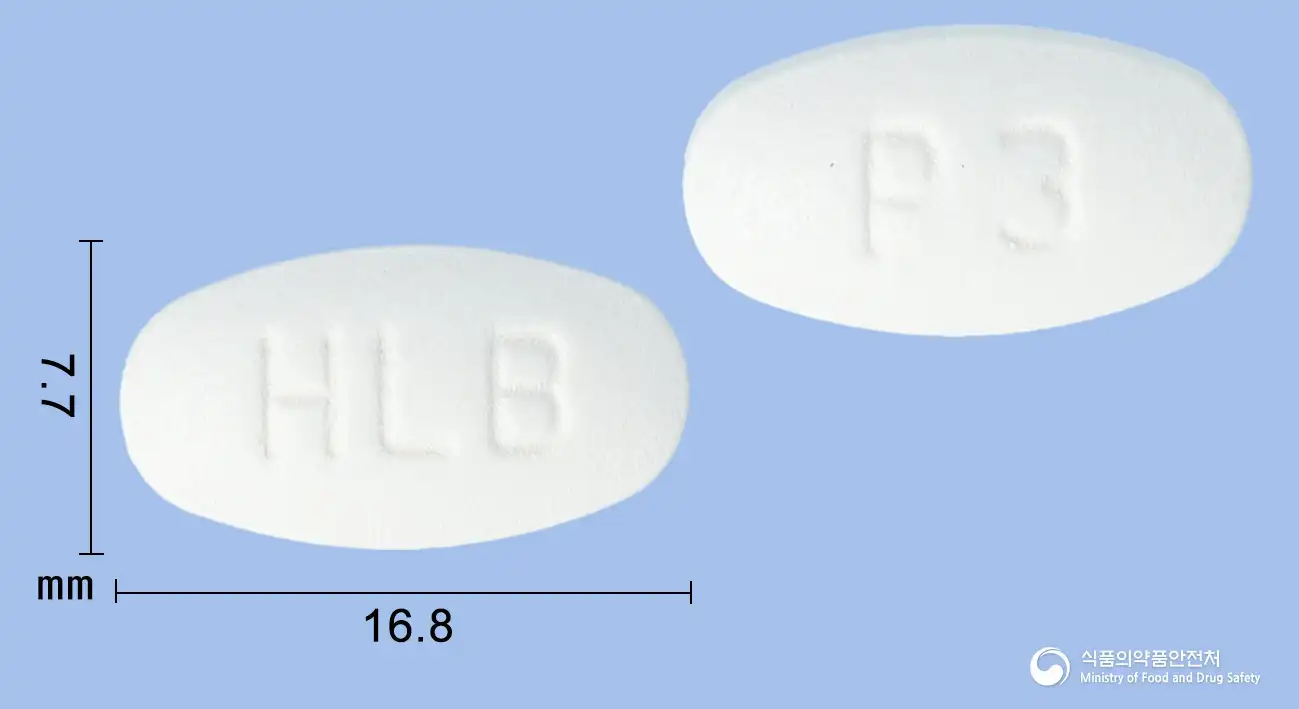
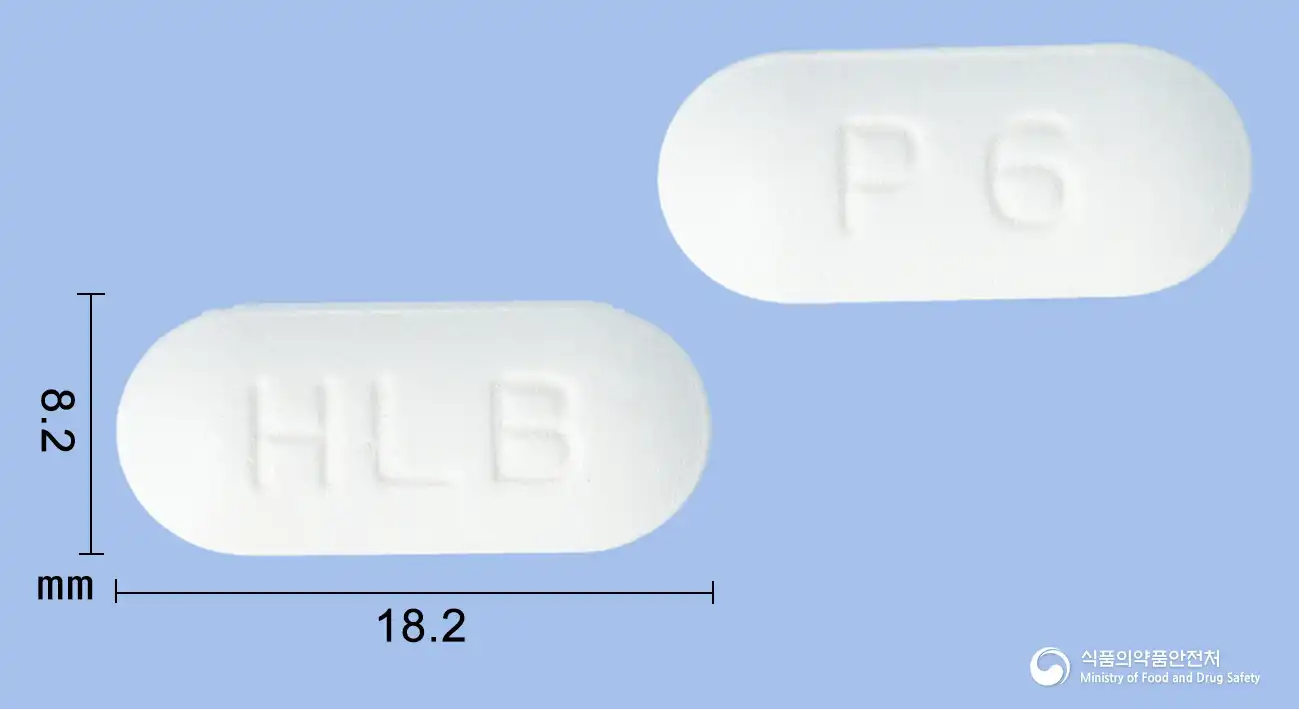
Treatment of respiratory infections (bronchitis, pneumonia) and urinary infections (cystitis, urethritis)
Who takes it
Adults · Children
Adult dose
For upper respiratory infections such as recurrent tonsillitis, lower respiratory infections, urinary infections, and mild to moderate skin and soft tissue infections, take 25 mg/3.6 mg per kg of body weight divided into two doses per day. For severe upper and lower respiratory infections such as otitis media and sinusitis, and severe urinary infections, take 45 mg/6.4 mg per kg of body weight divided into two doses per day. To minimize potential gastrointestinal intolerance,
Child dose
The 7:1 syrup is not suitable for children under 2 months of age. The 7:1 syrup is not appropriate for pediatric patients with renal failure.
Treatment of respiratory infections (bronchitis, pneumonia) and urinary infections (cystitis, urethritis)
Acute bronchitis
chronic bronchitis
lobar pneumonia
bronchopneumonia
empyema
lung abscess
tonsillitis
sinusitis
otitis media
cystitis
urethritis
pyelonephritis
View approved original textHide original text
This medication is effective against various bacteria, including Staphylococcus aureus, Streptococcus pneumoniae, and Escherichia coli. It is used to treat respiratory infections such as acute and chronic bronchitis, pneumonia, sinusitis, and otitis media, as well as urinary infections like cystitis, urethritis, and pyelonephritis. Additionally, it is effective in treating pelvic infections, gonorrhea, skin, and soft tissue infections such as boils or abscesses and wound infections. It is also used for the treatment of osteomyelitis and dental infections. In short, this medication is widely used to treat various bacterial infections.
How to take
Adult dose
For upper respiratory infections such as recurrent tonsillitis, lower respiratory infections, urinary infections, and mild to moderate skin and soft tissue infections, take 25 mg/3.6 mg per kg of body weight divided into two doses per day. For severe upper and lower respiratory infections such as otitis media and sinusitis, and severe urinary infections, take 45 mg/6.4 mg per kg of body weight divided into two doses per day. To minimize potential gastrointestinal intolerance,
Child dose
The 7:1 syrup is not suitable for children under 2 months of age. The 7:1 syrup is not appropriate for pediatric patients with renal failure.
Precautions
This medication should not be used in patients with hypersensitivity to specific ingredients or a history of allergy to beta-lactam antibiotics. Caution is necessary for patients with viral infections such as infectious mononucleosis or lymphocytic leukemia, as there may be an increased risk of rash. It is also not advisable for patients who have previously experienced liver dysfunction or jaundice from this medication or penicillin-related drugs. Patients with compromised liver or kidney function, those with allergic constitution, the elderly, and malnourished patients should use it cautiously. Patients with gastrointestinal diseases accompanied by vomiting or diarrhea may not absorb the medication properly, so caution is advised. This medication may cause gastrointestinal disturbances such as diarrhea, gastritis discomfort, vomiting, and abdominal pain; if symptoms are severe, consult a physician immediately. Abnormal liver function tests or symptoms of hepatitis and jaundice may rarely occur; thus, liver function should be monitored regularly during long-term use. Rarely, severe skin rashes and serious allergic reactions such as anaphylactic shock may occur; if any abnormal symptoms arise, treatment should be stopped immediately, and healthcare personnel must be informed. Abnormal blood tests, bleeding tendencies, and neurological symptoms have been reported, necessitating regular health status checks. Pregnant or breastfeeding women must consult a physician before use, particularly avoiding use during the first three months of pregnancy. The safety of the medication in children, especially newborns under 2 months, has not been established, so its use is not recommended. The elderly may have an increased risk of side effects due to decreased bodily function, so dosage and intervals should be adjusted and used cautiously. This medication may interact with other drugs, so if any other medications are being taken, healthcare personnel must be informed. Adequate hydration and monitoring are necessary during treatment, and if abnormal symptoms occur, immediate medical consultation is required. When storing, it should be kept in a dry place at or below 25 degrees Celsius and must be refrigerated after preparation and used within 7 days.
Side effects and when to seek care immediately
Serious side effects
Hives, severe swelling (edema), chest tightness, difficulty breathing, cold sweats, paleness, severe rash with high fever, blisters, skin peeling, pain in the mucous membranes of the mouth/eyes, shortness of breath or difficulty breathing, asthma attacks, respiratory distress with cough+fever, yellowing of the skin or eyes (jaundice), extreme lethargy, sudden and severe headache, lightning headache, seizures, confusion, visual disturbances, paralysis, urinary issues
Not everyone experiences these, and they can vary from person to person.
Storage
This medication may be sensitive to air or moisture, so it must be stored in a tightly sealed container. Furthermore, it’s important to maintain the medication's effectiveness by storing it in a cool, dry place at or below 25 degrees Celsius.
Appearance and packaging
Appearance
A syrup that is used after dissolving, in white or pale yellow powder form
Package unit
50ml/bottle
Same-ingredient medicines
Even with the same ingredient, strength, dosage form and how it is taken can differ.
Even with the same ingredient, the dose and directions can differ by strength and dosage form. Talk to a doctor or pharmacist before switching from a medication you are already taking.
Questions about this medicine
No questions yet.
For anything that needs medical judgment, consult a doctor or pharmacist.
This drug information is based on data provided by the Korea Ministry of Food and Drug Safety. Consult a doctor or pharmacist for accurate dosage, administration, and usage instructions.

 한국어
한국어 English
 日本語
日本語 中文(简体)