
 한국어
한국어 English
 日本語
日本語 中文(简体)
Dosage form image
Viewing nowLevocin Injection (Levofloxacin Hydrate)
Levofloxacin Hydrate 5.1246mg
Injections · Prescription medication
Kukje Pharmaceutical Co., Ltd.
MFDS item code 200400314 · Notified 2004.12.30 · Insurance code 643702623,643703752
Treatment of community-acquired pneumonia and complicated urinary tract infections
This medication acts effectively against various bacteria such as Enterococcus, Staphylococcus aureus, Streptococcus pneumoniae, etc. It is primarily used for treating community-acquired pneumonia, complicated urinary tract infections including acute pyelonephritis, complicated skin and soft tissue infections, acute sinusitis, and acute bacterial exacerbations of chronic bronchitis. However, in some indications, it is recommended to be used only when other treatment options are not available, necessitating caution for serious adverse reactions. This medication aids in the treatment of complex infections and contributes to the improvement of patient condition.
Administer by slow intravenous infusion 1 to 2 times a day. The dosage is determined based on the type of infection and its severity, as well as the susceptibility of the suspected causative bacteria. The duration of treatment varies depending on the extent of the disease's progression; however, administration should continue for at least 48 to 72 hours after a state of defervescence or evidence of sterilization is obtained. The method of administration is slow intravenous infusion once or twice a day, for a maximum of 14 days, with a minimum infusion time of
This medication is used as a fluoroquinolone antibiotic for the treatment of bacterial infections. It may cause tendon-related conditions such as tendinitis or tendon rupture, particularly affecting the Achilles tendon, so caution is advised. If peripheral neuropathy or central nervous system symptoms such as sensory abnormalities, headache, dizziness, seizures occur, usage should be immediately discontinued. This medication should not be administered to patients with myasthenia gravis as it may exacerbate symptoms. The medication should be administered slowly via intravenous injection, and if there is a sudden drop in blood pressure, it should be discontinued immediately. When used in conjunction with corticosteroids, the risk of tendon damage increases, so it is best to avoid combined use. This medication should not be given to adolescents under 18 years of age and to women who are pregnant or breastfeeding. Caution should be exercised when administering to patients with a history of seizures or central nervous system disorders as it may increase the risk of seizures. During treatment with this medication, exposure to sunlight or UV rays should be avoided, and if photosensitivity reactions occur, administration should be stopped immediately. Diabetes patients needing blood sugar control should carefully monitor blood sugar changes while taking this medication, and if hypoglycemic symptoms occur, immediate treatment should be sought. Patients with heart disease may experience serious side effects such as aortic aneurysm, aortic dissection, and cardiac valve regurgitation, requiring special caution. In cases of overdose, central nervous system symptoms and cardiac abnormalities may occur, so immediate medical attention is necessary. This medication can interact with other drugs, so inform healthcare providers of any other medications being taken. Caution should be exercised as dizziness or drowsiness may occur when driving or operating machinery. It is advisable to administer this medication only after accurate diagnosis and susceptibility testing of the infection site, and only for the minimum required duration.
Hives, angioedema (swelling of the tongue, larynx, throat, facial swelling, etc.), chest tightness, difficulty breathing, cold sweat, pallor, severe allergic reactions, severe skin reactions (e.g., Stevens-Johnson syndrome, toxic epidermal necrolysis, drug reaction with eosinophilia and systemic symptoms (DRESS)), asthma attacks, respiratory abnormalities accompanied by coughing and fever, shortness of breath, jaundice (yellowing of skin or eyes), extreme malaise, liver abnormalities (jaundice), sudden and severe
Not everyone experiences these, and they can vary from person to person.
This medication should be stored in a sealed container to protect it from air and light. It is best to keep it away from direct sunlight and in a dark place. Additionally, the storage temperature should be maintained at room temperature between 1 degree Celsius and 30 degrees Celsius.
A clear, yellow solution with a light green tint filled in a colorless, transparent plastic container for intravenous use.
100 milliliters/pack, 150 milliliters/pack
Even with the same ingredient, strength, dosage form and how it is taken can differ.
Levofloxacin Hydrate 5.1246mg
Injections · Prescription medication
Kukje Pharmaceutical Co., Ltd.
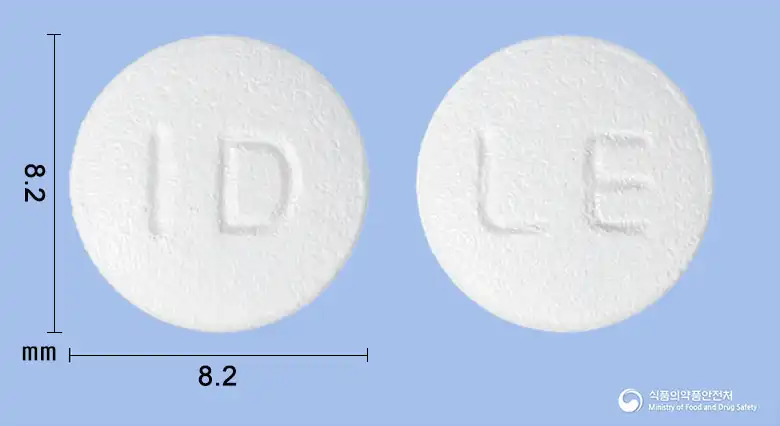
Levofloxacin Hydrate 100mg
Tablet · Prescription medication
Ildong Pharmaceutical Co., Ltd.
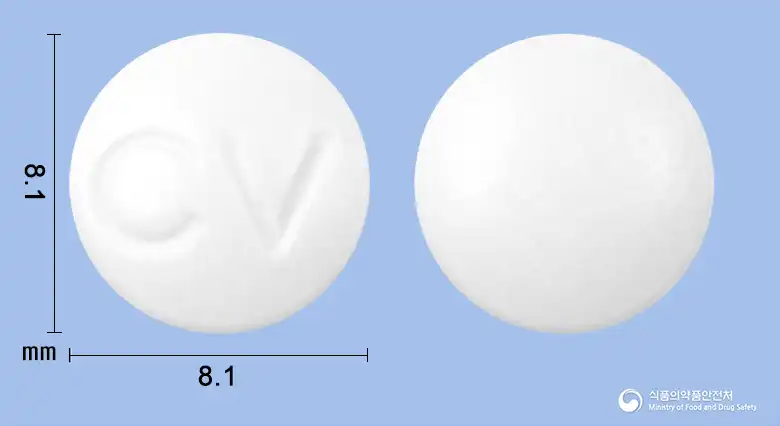
Levofloxacin 100mg
Tablet · Prescription medication
Jeil Pharmaceutical Co., Ltd.
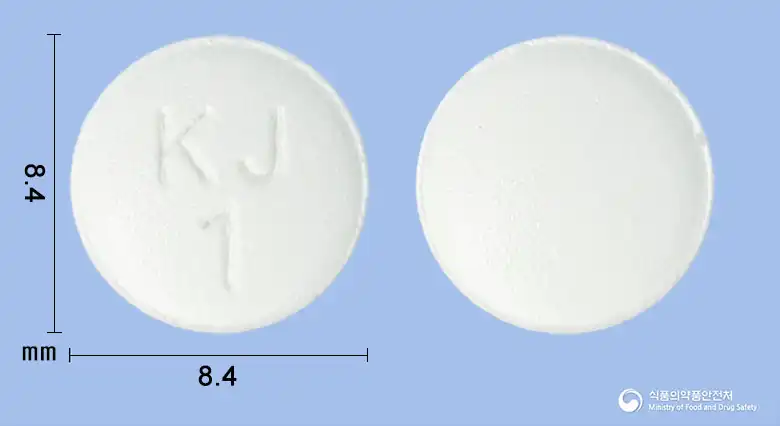
Levofloxacin Hydrate 100mg
Tablet · Prescription medication
International Pharmaceuticals Co., Ltd.
Levofloxacin 5.1246mg
Prescription medication
Jeil Pharmaceutical Co., Ltd.
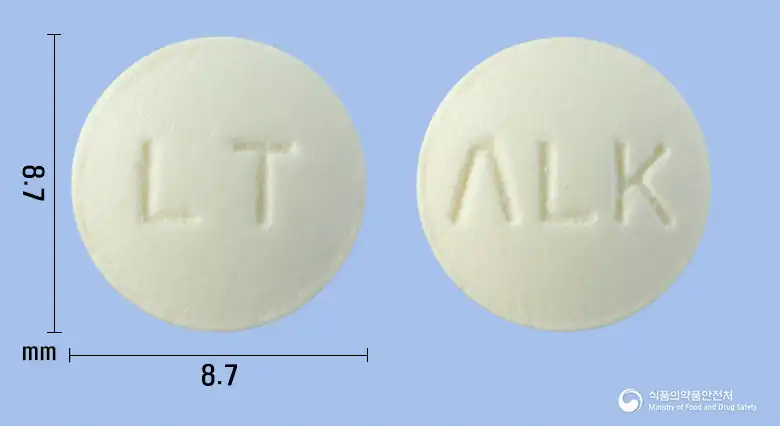
Levofloxacin Hydrate 100mg
Tablet · Prescription medication
SS Pharm Co., Ltd.
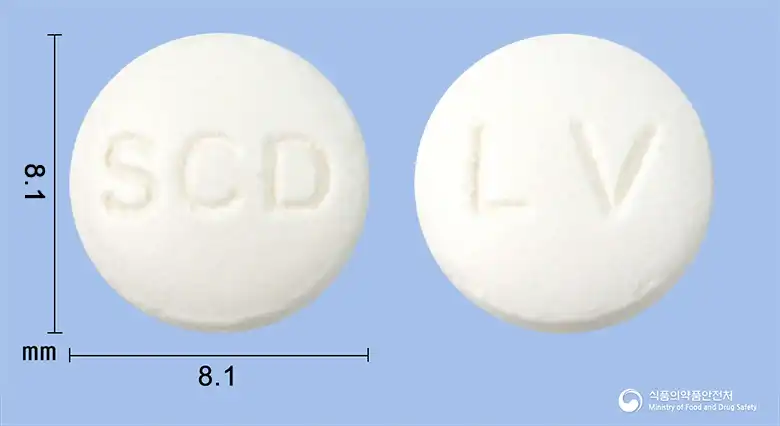
Levofloxacin Hydrate 102.49mg
Tablet · Prescription medication
Samchundang Pharmaceutical Co., Ltd.
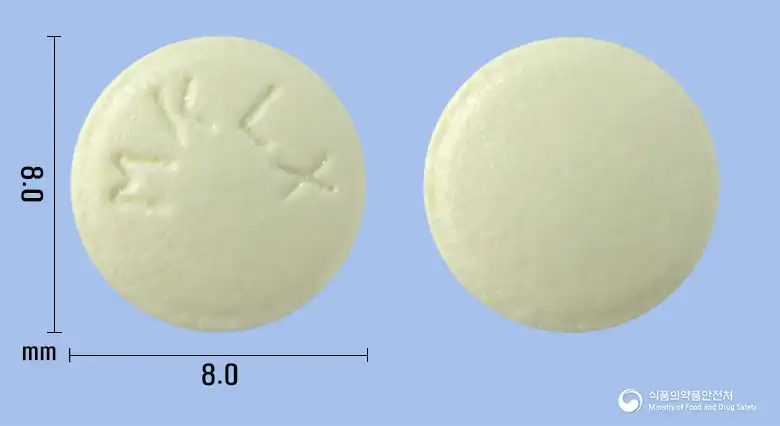
Levofloxacin Hydrate 100mg
Tablet · Prescription medication
Medica Korea Co., Ltd.
Even with the same ingredient, the dose and directions can differ by strength and dosage form. Talk to a doctor or pharmacist before switching from a medication you are already taking.
No questions yet.
For anything that needs medical judgment, consult a doctor or pharmacist.
This drug information is based on data provided by the Korea Ministry of Food and Drug Safety.
Consult a doctor or pharmacist for accurate dosage, administration, and usage instructions.