
 한국어
한국어 English
 日本語
日本語 中文(简体)
 Viewing now
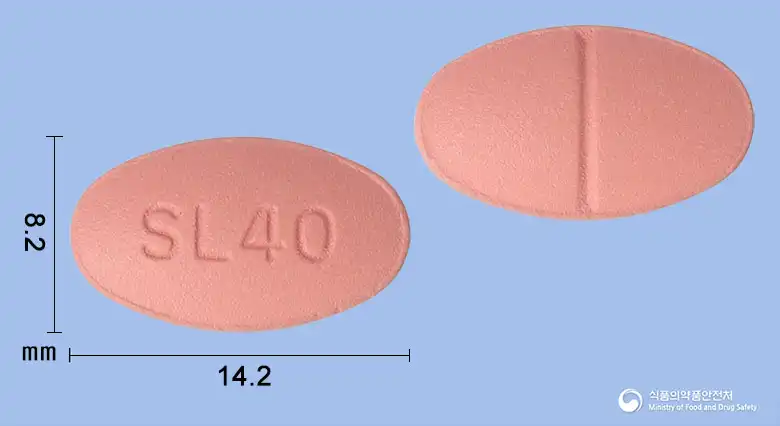
SimvaRoad Tablets 40 mg (Simvastatin)
Simvastatin 40mg
Tablet · Prescription medication
Jongkundang Co., Ltd.
MFDS item code 200400121 · Notified 2004.09.03 · Insurance code 643301490
Reduction of cardiovascular disease risk and improvement of hyperlipidemia
This medication is used to reduce the risk of cardiovascular disease. It is administered to adult patients at high risk for coronary events due to coronary heart disease, diabetes, peripheral vascular disease, or stroke, reducing the risk of mortality from coronary heart disease as well as the risks of non-fatal myocardial infarction and stroke. Additionally, it effectively lowers the risk of complications after vascular revascularization. As a treatment for hyperlipidemia, it lowers cholesterol and triglyceride levels in patients with primary hypercholesterolemia and mixed dyslipidemia while increasing the levels of good cholesterol, HDL. Furthermore, it is beneficial for pediatric patients with heterozygous familial hypercholesterolemia who have difficulties managing lipid levels through diet alone.
Patients undergoing treatment with this medication must adhere to a standard cholesterol-lowering diet before and during treatment. 1. To reduce the risk of cardiovascular disease for adult patients at high risk of coronary heart disease due to a history of coronary heart disease, diabetes, peripheral vascular disease, stroke, or other cerebrovascular diseases, the initial dosage should be 40 mg once daily. 2. For the treatment of hyperlipidemia, the typical starting dose...
Pediatric patients with heterozygous familial hypercholesterolemia (ages 10 to 17) should receive 10 mg once daily in the evening, with a recommended dosage range of 10 to 40 mg per day. The maximum dosage is 40 mg per day.
This medication can cause serious side effects such as myopathy or rhabdomyolysis, leading to muscle abnormalities. The risk is particularly higher with high doses, so patients taking high doses should be cautious of drug interactions. This medication should not be taken by patients with a known allergy to this drug or its components, severe liver dysfunction, or by women who are pregnant or breastfeeding. Additionally, it is contraindicated to use in combination with certain strong hepatic enzyme inhibitors and some other medications. Patients with liver dysfunction or those who consume large amounts of alcohol, individuals with poor kidney function, hypothyroidism, a history of muscle diseases, older adults, and women should use this medication with caution. If unexplained muscle pain or weakness occurs while taking this medication, the physician should be informed immediately, and the medication should be discontinued if necessary. It is vital to perform regular liver function tests before and during treatment as this medication can cause liver dysfunction. Moreover, this medication can interact with multiple drugs, potentially increasing blood concentration, therefore consulting a physician or pharmacist about other medications taken concurrently is essential. It should be avoided during pregnancy, and women of childbearing age should use contraception while taking this medication. Nursing mothers should discontinue breastfeeding if they take this medication. It is recommended not to prescribe this medication to children or adolescents, especially those under 10 years old or females before menarche. Older adults may experience higher blood concentration of this drug, hence dosage adjustment and careful monitoring is necessary. During treatment, symptoms related to muscles, liver function, allergic reactions, gastrointestinal symptoms, etc., should be closely observed, and if any abnormal symptoms occur, medical personnel must be notified immediately. In case of overdose, emergency care is required. Lastly, this medication should be kept out of the reach of children and stored safely in its original container.
Hives, severe swelling, chest tightness, difficulty breathing, cold sweat, pallor, severe rash with fever, blisters, skin peeling, oral/conjunctival mucosa pain, shortness of breath or respiratory distress, asthmatic attack, respiratory issues with cough and fever, yellowing of skin or eyes (jaundice), extreme lethargy, sudden and severe headache, thunderclap headache, seizure, confusion, visual disturbances, paralysis, reduced urine output
Abdominal pain, weakness, constipation, diarrhea, indigestion, bloating, nausea, headache, upper respiratory infection, edema, atrial fibrillation, gastritis, diabetes, myalgia, insomnia, dizziness, bronchitis, sinusitis, eczema, urinary tract infection, alopecia, pruritus, various skin changes, lichenoid drug rash, gynecomastia, decreased libido, sexual dysfunction, cataract progression, ocular muscle paralysis, anemia, thyroid dysfunction, and transient mild liver function abnormalities
Not everyone experiences these, and they can vary from person to person.
This medication must be stored in a tightly sealed container to prevent exposure to air or moisture. It is important to maintain a storage temperature between 1 to 30 degrees Celsius to preserve the medication's effectiveness and safety over time.
Red brick-colored rectangular film-coated tablet
30 tablets/bottle, 100 tablets/bottle
Even with the same ingredient, strength, dosage form and how it is taken can differ.
Viewing nowSimvastatin 40mg
Tablet · Prescription medication
Jongkundang Co., Ltd.
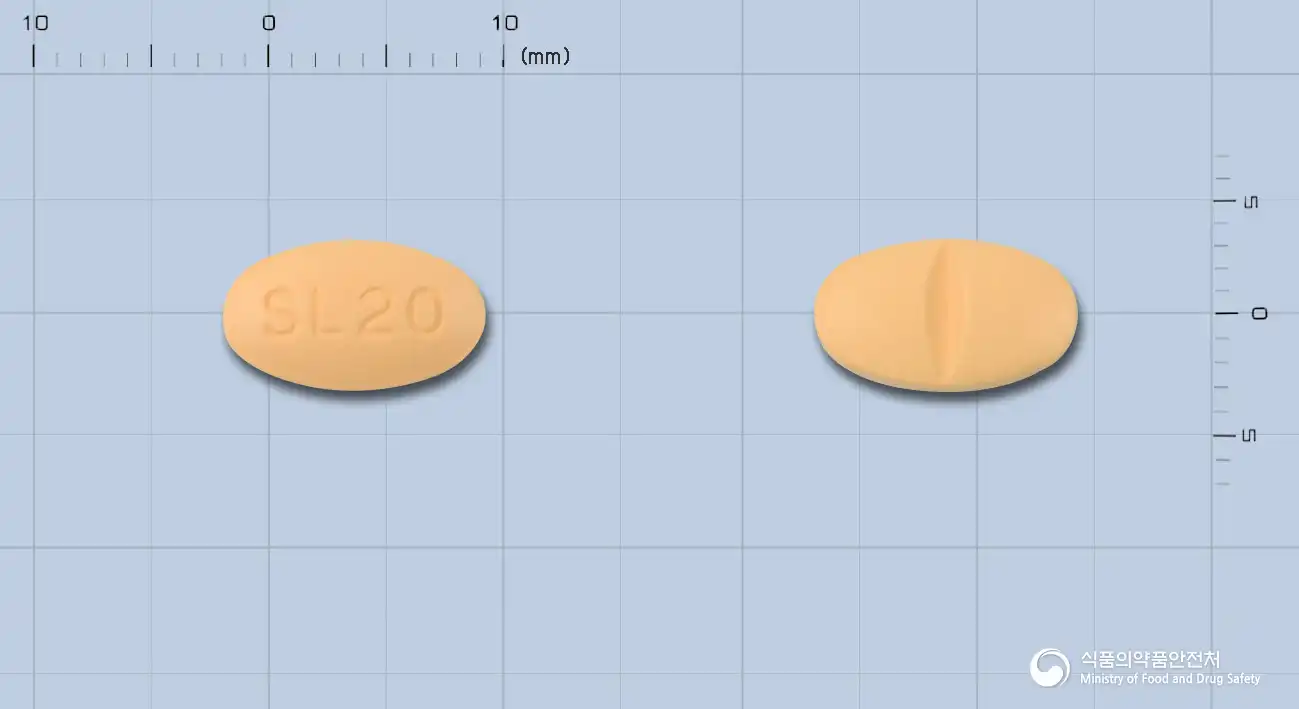
Simvastatin 20mg
Tablet · Prescription medication
Jongkundang Pharmaceutical Co., Ltd.
Simvastatin 20mg
Tablet · Prescription medication
Dong-A ST Co., Ltd.

Simvastatin 20mg
Tablet · Prescription medication
Korea Hutech Pharmaceutical Co., Ltd.
Simvastatin 20mg
Tablet · Prescription medication
Yuhan Corporation
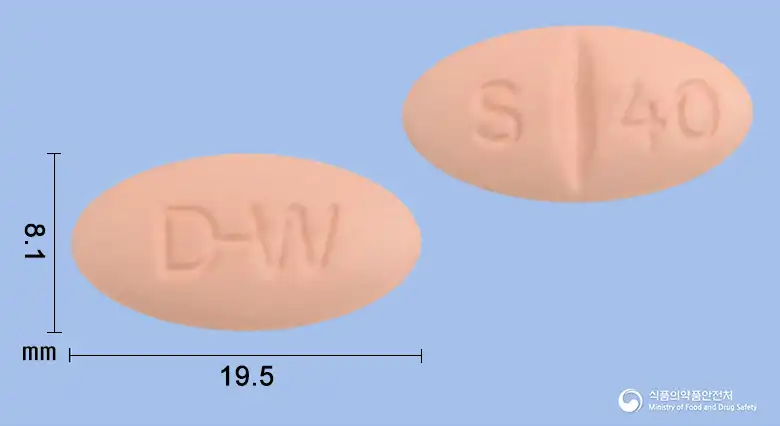
Simvastatin 40mg
Tablet · Prescription medication
Dongwha Pharmaceutical Co., Ltd.
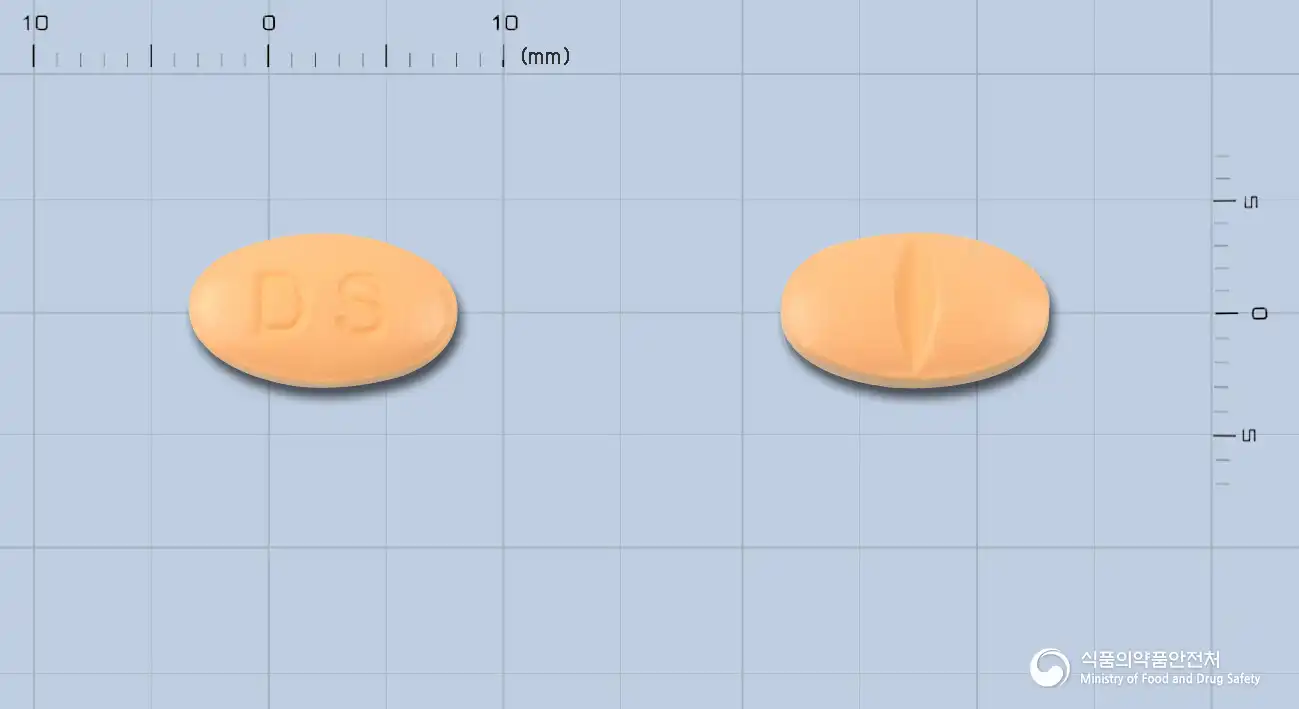
Simvastatin 20mg
Tablet · Prescription medication
Dongsung Pharmaceutical Co., Ltd.
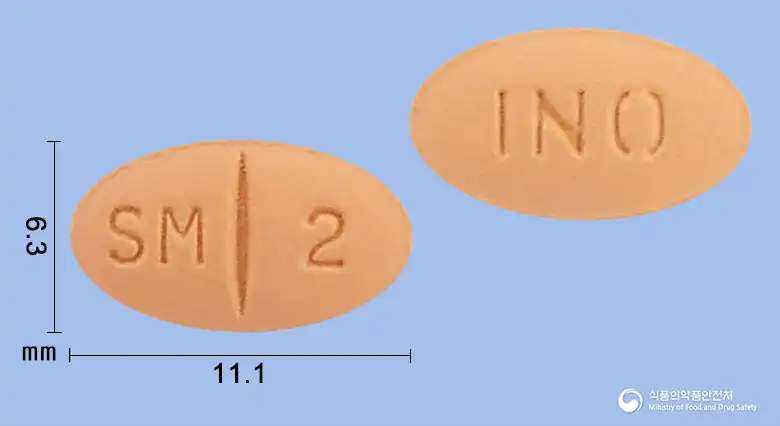
Simvastatin 20mg
Tablet · Prescription medication
HK inno.N Co., Ltd.
Even with the same ingredient, the dose and directions can differ by strength and dosage form. Talk to a doctor or pharmacist before switching from a medication you are already taking.
No questions yet.
For anything that needs medical judgment, consult a doctor or pharmacist.
This drug information is based on data provided by the Korea Ministry of Food and Drug Safety.
Consult a doctor or pharmacist for accurate dosage, administration, and usage instructions.