
 한국어
한국어 English
 日本語
日本語 中文(简体)
Dosage form image
Viewing nowEvisca (Memantine Hydrochloride)
Memantine Hydrochloride 1g
Solution · Prescription medication
Lundbeck Korea Co., Ltd.
MFDS item code 200308323 · Approved 2003.08.18 · Insurance code 668000031
Treatment of moderate to severe Alzheimer's disease
This medication is used for the treatment of moderate to severe Alzheimer's disease. Alzheimer's disease is a condition characterized by progressive deterioration of memory and cognitive function, and this medication helps to slow the worsening of symptoms and improve quality of life. If patients take it consistently, they can expect a positive effect on the maintenance of cognitive function.
Administer once daily orally, at the same time every day. It may be possible to administer twice daily if needed. The liquid formulation should not be poured directly into the mouth from the bottle or pump, but must be drawn using the provided pump into a spoon or cup for administration. Dosage increment method: - First week (days 1-7): 0.5 mL (5 mg) per day - Second week (days 8-14): 1 mL (10 mg) per day
This medication should not be used in patients who exhibit allergic reactions to its components. It is also not safe to administer to patients with severe liver dysfunction. Patients with severe renal dysfunction, especially those with a creatinine clearance of less than 5 mL/min, should not receive this medication. Since this medication contains sorbitol, it should not be used in patients with fructose intolerance, a rare genetic disorder. Patients with epilepsy or those who have experienced seizures in the past, or who have a predisposition to seizures, should use this medication with caution. It is advisable not to use this medication in combination with NMDA receptor antagonists such as amantadine, ketamine, or dextromethorphan as central nervous system side effects may increase. Patients who have factors that may increase urinary pH, such as dietary changes or certain kidney diseases, and urinary tract infections should be carefully monitored when this medication is administered. There is insufficient data regarding the use of this medication in patients with recent myocardial infarction, congestive heart failure, or uncontrolled hypertension, so caution is warranted. When taking this medication, side effects such as dizziness, headache, constipation, drowsiness, and hypertension may occur, most of which are mild to moderate. Rarely, psychiatric-related adverse reactions such as confusion, hallucinations, and psychotic reactions have been reported, so if any unusual symptoms occur, the patient should consult a physician immediately. This medication may increase the effects of drugs such as levodopa, dopamine agonists, and anticholinergics, and may impact the efficacy of some antipsychotic medications or skeletal muscle relaxants. Notably, co-administration with NMDA receptor antagonists raises the risk of severe central nervous system side effects, so they should not be taken together. Additionally, when used with drugs that affect blood coagulation such as warfarin, regular blood testing is required to monitor the condition. The safety of this medication during pregnancy has not been established, and animal studies suggest the potential for affecting fetal growth, so women who are pregnant or planning to become pregnant should use it with caution. Nursing mothers are recommended to discontinue breastfeeding while taking this medication, as it may pass into breast milk. The safety and efficacy of this medication in children and adolescents under 18 years have not been established and should therefore be avoided in this age group. In cases of overdose, symptoms such as drowsiness, confusion, hallucinations, seizures, vomiting, and diarrhea may occur, and in severe cases, it can lead to coma, necessitating immediate treatment. There is no specific antidote for overdose, and symptomatic treatment such as gastric lavage, drug adsorbent administration, and forced diuresis should be employed. This medication is administered to patients with severe Alzheimer's disease and may impair the patient's reaction time; caution is advised when driving or operating machinery. When using for the first time, the accompanying dosing pump should be accurately installed, and once installed, should not be opened arbitrarily.
Not everyone experiences these, and they can vary from person to person.
This medication should be stored in a tightly closed container to protect it from exposure to air or moisture, and it is advisable to store it at room temperature between 1 and 30 degrees Celsius. By storing it this way, the efficacy of the medication can be maintained for a long time.
A colorless to slightly yellow transparent solution in a brown bottle
50g/bottle
Even with the same ingredient, strength, dosage form and how it is taken can differ.
Memantine Hydrochloride 1g
Solution · Prescription medication
Lundbeck Korea Co., Ltd.
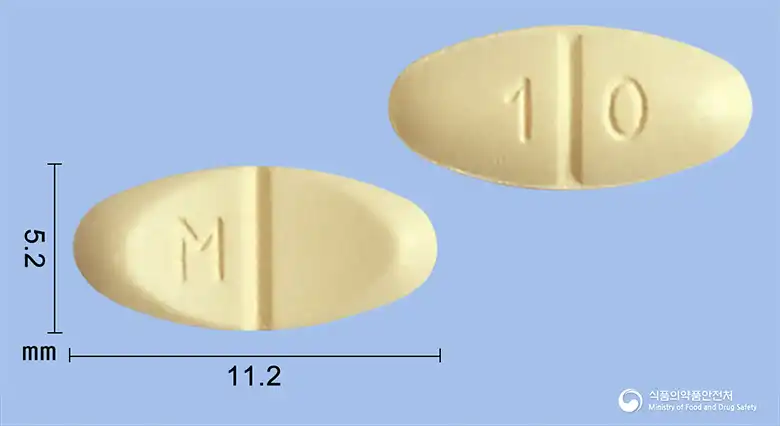
Memantine Hydrochloride 10mg
Tablet · Prescription medication
Lundbeck Korea Co., Ltd.
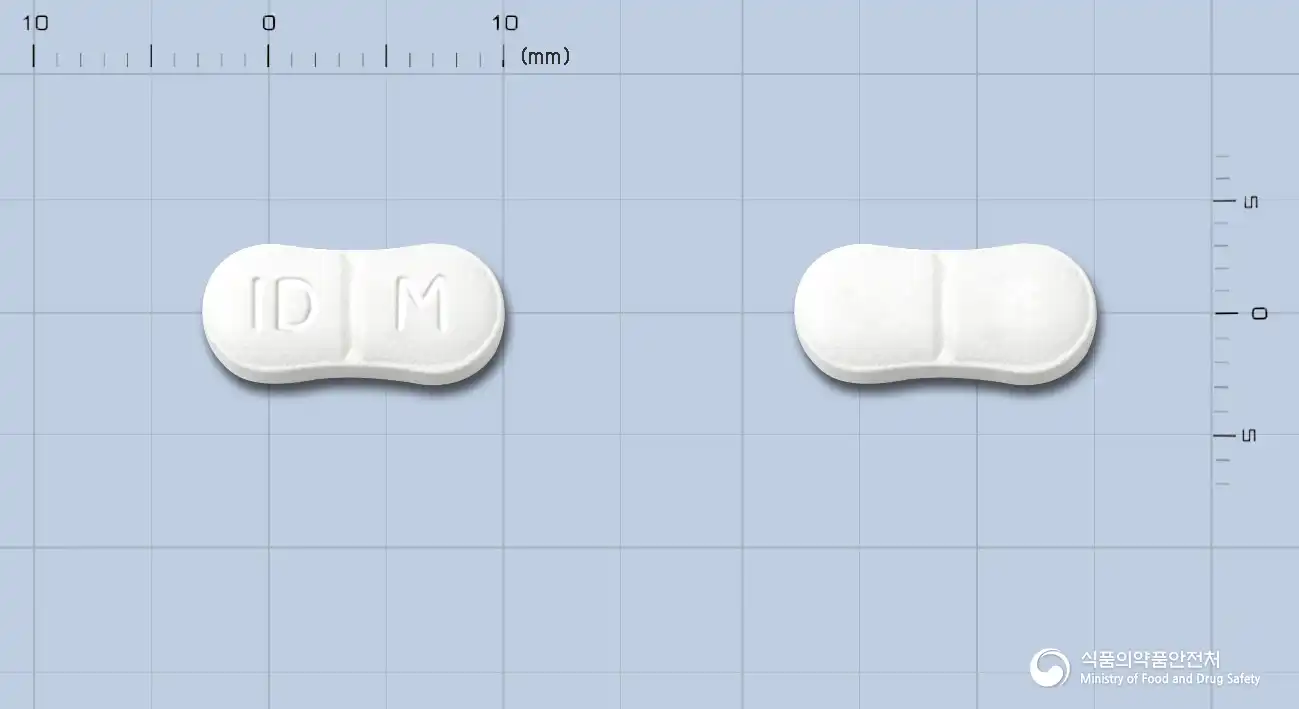
Memantine Hydrochloride 10mg
Tablet · Prescription medication
Ildong Pharmaceutical Co., Ltd.
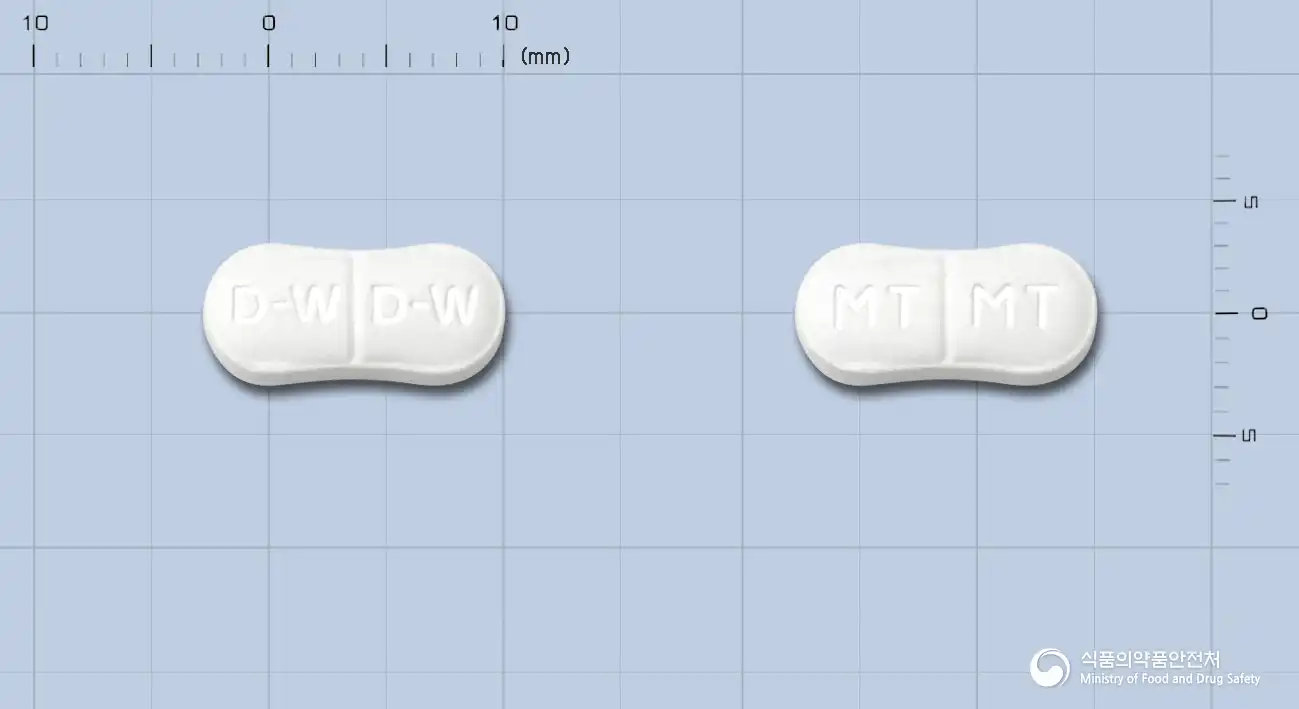
Memantine Hydrochloride 10mg
Tablet · Prescription medication
Donghwa Pharmaceutical Co., Ltd.
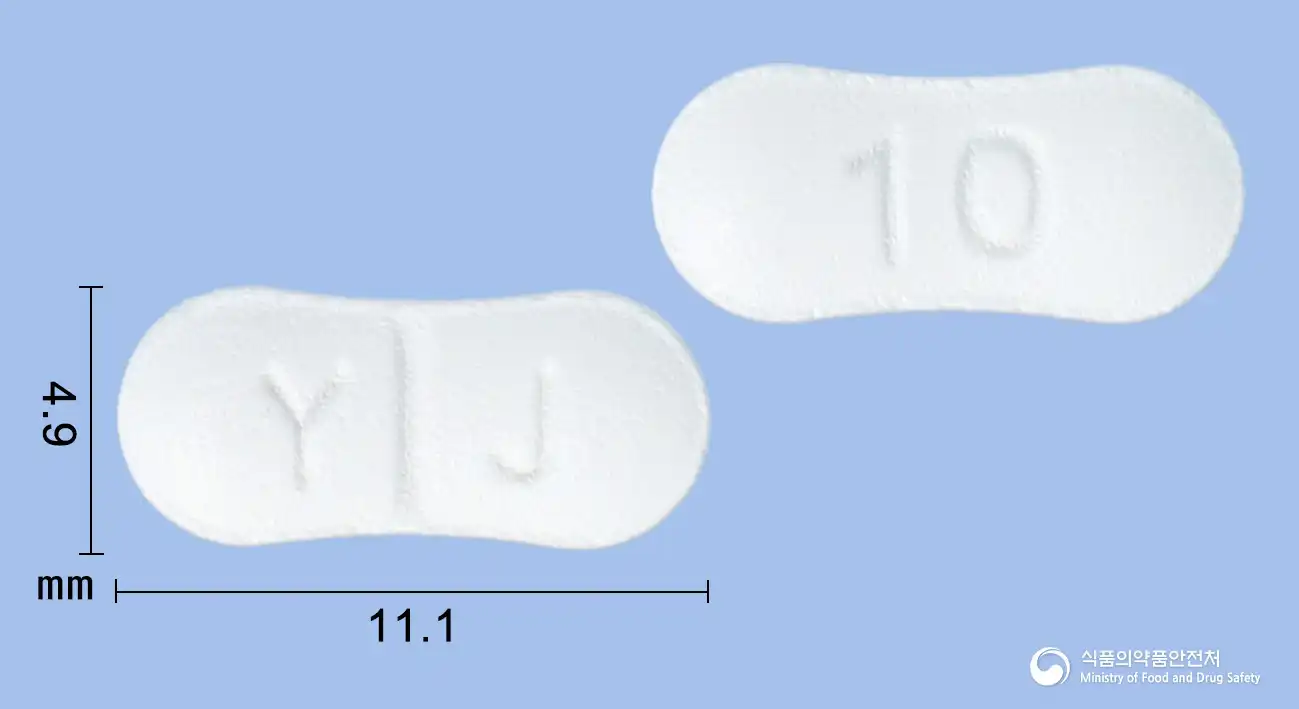
Memantine Hydrochloride 10mg
Tablet · Prescription medication
Youngjin Pharmaceutical Co., Ltd.
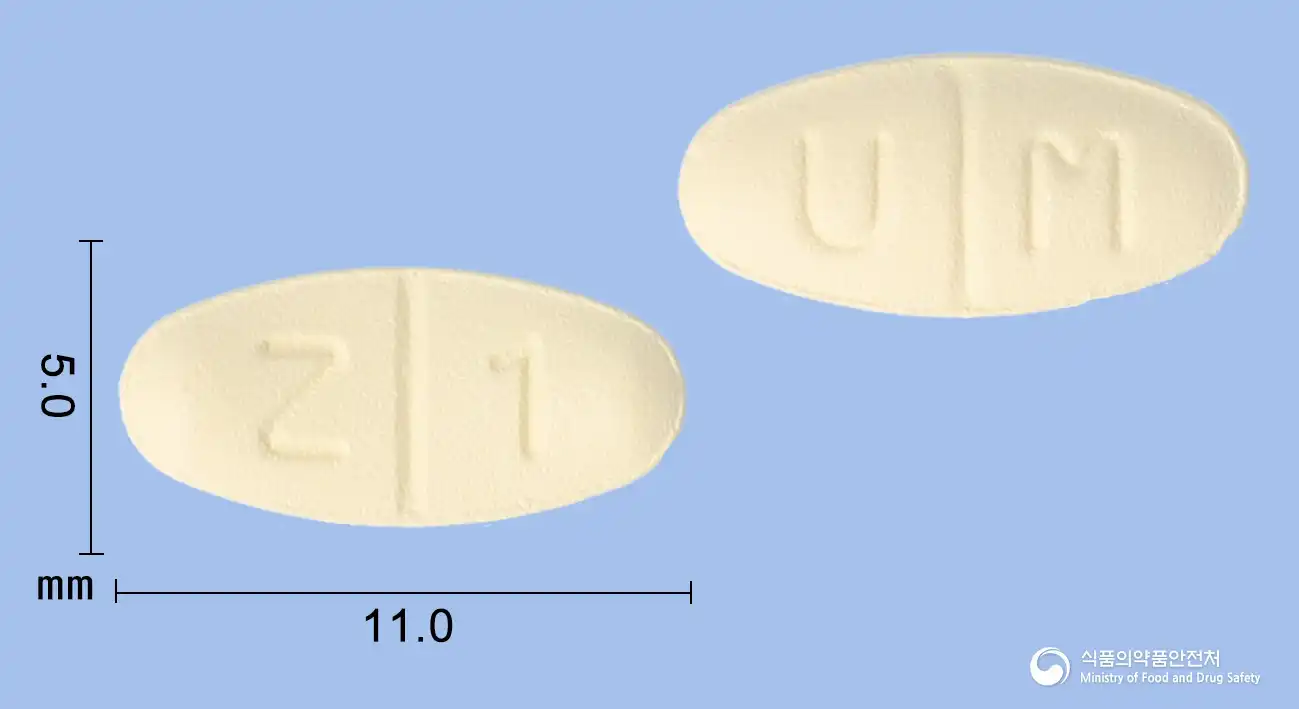
Memantine Hydrochloride 10mg
Tablet · Prescription medication
Unimed Pharmaceutical Co., Ltd.
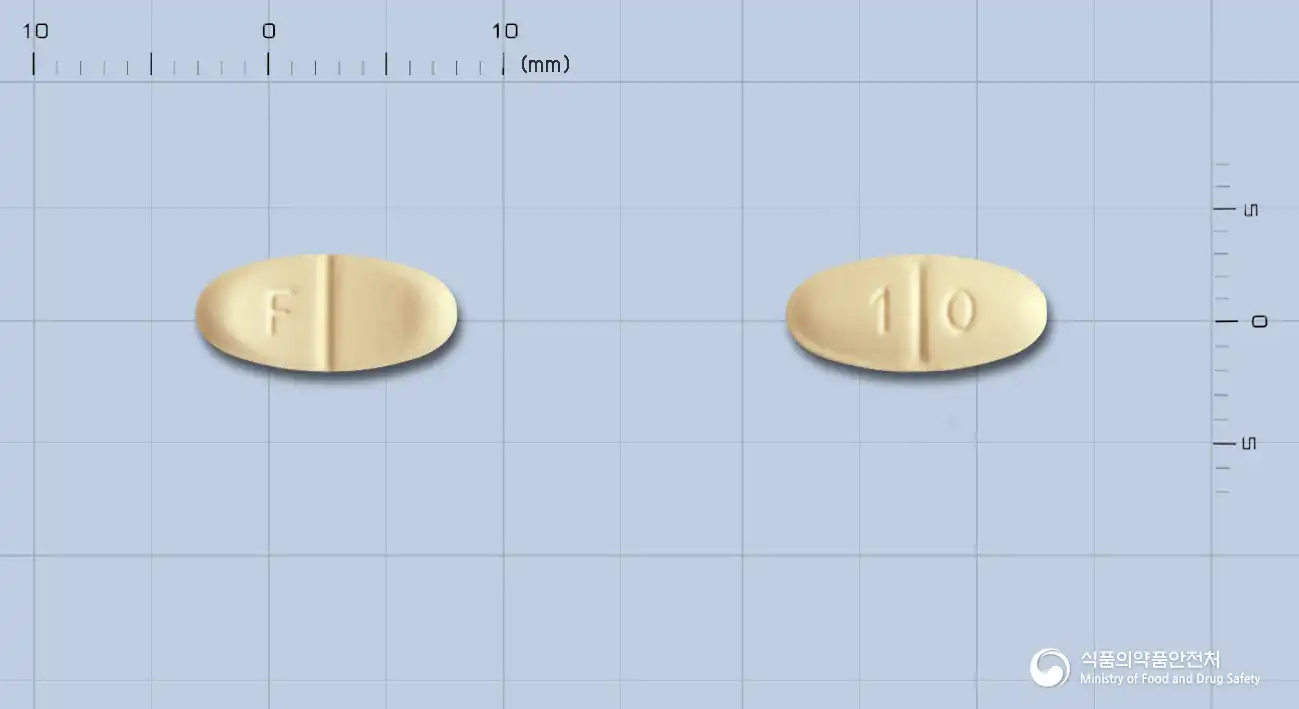
Memantine Hydrochloride 10mg
Tablet · Prescription medication
Myongin Pharmaceutical Co., Ltd.
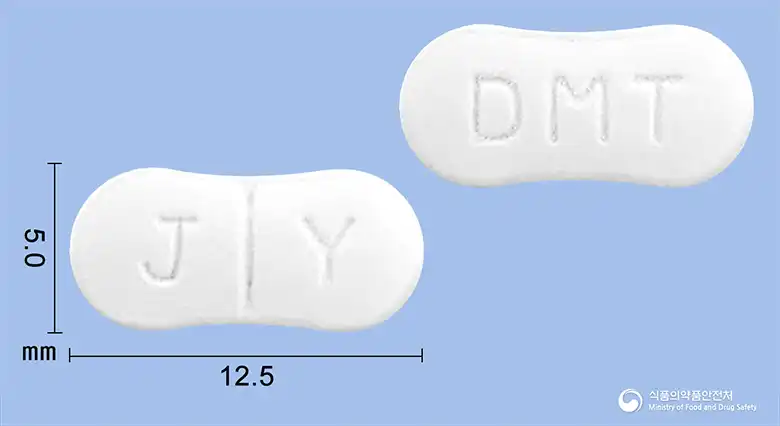
Memantine Hydrochloride 10mg
Tablet · Prescription medication
Jinyang Pharmaceutical Co., Ltd.
Even with the same ingredient, the dose and directions can differ by strength and dosage form. Talk to a doctor or pharmacist before switching from a medication you are already taking.
No questions yet.
For anything that needs medical judgment, consult a doctor or pharmacist.
This drug information is based on data provided by the Korea Ministry of Food and Drug Safety.
Consult a doctor or pharmacist for accurate dosage, administration, and usage instructions.