
 한국어
한국어 English
 日本語
日本語 中文(简体)
 Viewing now
Lamisil Tablet 125 mg (Terbinafine Hydrochloride)
Terbinafine Hydrochloride 140.625mg
Tablet · Prescription medication
Novartis Korea Co., Ltd.
MFDS item code 200307812 · Notified 2003.03.03 · Insurance code 653600250
Treatment of dermatophyte infections (tinea pedis, tinea corporis, etc.) and onychomycosis
This medication is used in adults for the treatment of tinea pedis, tinea corporis, tinea cruris, and onychomycosis caused by dermatophytes. It is also effective for the treatment of tinea capitis in children. It helps improve skin and nail infections caused by fungi.
As terbinafine: 125 mg once, twice daily, or 250 mg once daily. The duration of administration according to illness is as follows: 1) Dermatophyte infections Tinea pedis (interdigital type, plantar/moccasin type): 2–6 weeks Tinea corporis: 2–4 weeks Tinea cruris (jock itch): 2–4 weeks 2) Onychomycosis Typically administered for 6 weeks to 3 months. If infected nails or smaller toes are involved, or if the patient is younger, the treatment duration may be shortened to less than 3 months. Treatment duration for nail infections is usually sufficient at 3 months, but in some patients, it may take 6 months or longer. In patients with slow nail growth, treatment duration may be extended.
Administer to children over the age of 2. Tinea capitis: 4 weeks 1) Weighing less than 20 kg (under 5 years old): 62.5 mg once daily. Due to insufficient dosing experience, the benefits and risks of treatment must be considered before administration.
This medication should not be used in patients with chronic or active liver disease with poor liver function. Before taking this medication, it is essential to check the history of liver disease or the current condition of the liver. Liver damage can occur regardless of a history of liver disease, so it is advisable to undergo liver function tests before starting this medication. Regular liver function tests should be done every 4-6 weeks during treatment, and if test values worsen, the medication should be discontinued immediately. If symptoms such as unexplained nausea, decreased appetite, fatigue, vomiting, pain in the upper right abdomen, jaundice, dark urine, diarrhea, etc. occur, inform a doctor immediately. If these symptoms occur, the medication should be stopped, and liver function tests should be done. Serious liver damage such as liver failure has been reported rarely, so if signs of liver damage appear during medication, it should be stopped immediately, and liver function should be tested. Individuals with allergies to this medication, blood disorders, severe renal failure, children under the age of 2, and breastfeeding women should not take this medication. Patients with lactose intolerance should avoid this medication due to the lactose contained in it. Patients with impaired renal function, the elderly, and children weighing less than 20 kg should use this medication with caution. Severe skin reactions can occur rarely, so if a rash or unusual symptoms develop, stop taking the medication immediately. Dizziness may occur when driving or operating machinery, so caution is advised. This medication can interact with other drugs, so be sure to inform your doctor or pharmacist of any other medications you may be taking. Pregnant women or those who may become pregnant should carefully weigh the benefits and risks of taking this medication, and if breastfeeding, should stop nursing. In case of overdose, symptoms such as headache, nausea, abdominal pain, and dizziness may occur, and immediate medical treatment should be sought. This medication should be kept out of the reach of children and stored at room temperature away from direct sunlight.
Urticaria, severe swelling (edema), chest tightness, difficulty breathing, cold sweat, paleness, severe rash accompanied by high fever, blisters, skin peeling, pain in oral/ocular mucosa, shortness of breath or difficulty breathing, asthma attacks, respiratory distress accompanied by cough and fever, yellowing of skin or eyes (jaundice), extreme lethargy, sudden and very severe headache, thunderclap headache, seizures, confusion of consciousness, visual impairment, paralysis, urinary changes.
Headache, taste disturbance, dizziness, drowsiness, paresthesia, sensory loss, decreased attention, insomnia, visual disturbances, tinnitus, abdominal distension, decreased appetite, dyspepsia, nausea, mild abdominal pain, diarrhea, discomfort in the stomach, thirst, vomiting, glossitis, rash, itching, photosensitivity reactions, musculoskeletal reactions (arthralgia, myalgia), fever, fatigue, weight loss, urticaria, erythema, facial swelling, lymphadenopathy, elevated BUN, polyuria, blood cholesterol.
Not everyone experiences these, and they can vary from person to person.
This medication should be stored in a tightly closed container to protect it from air and light. It should also be stored at room temperature between 1°C and 30°C and away from direct sunlight.
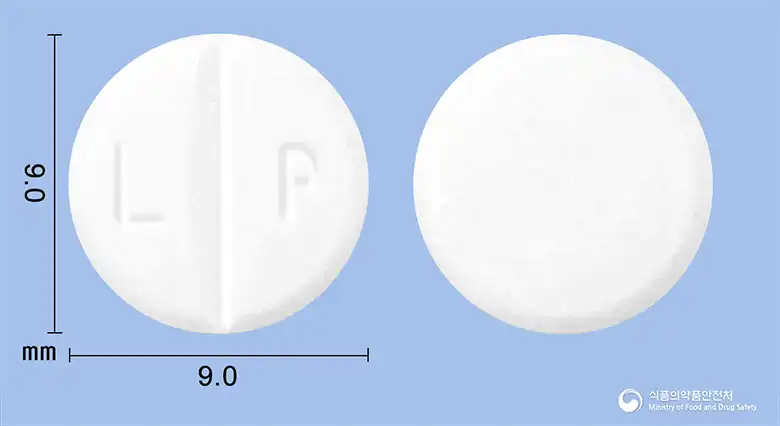
White to pale yellow round tablets
98 tablets (14 tablets/PTP packaging x 7)
Even with the same ingredient, strength, dosage form and how it is taken can differ.
Viewing nowTerbinafine Hydrochloride 140.625mg
Tablet · Prescription medication
Novartis Korea Co., Ltd.
Terbinafine Hydrochloride 10mg
Cream · OTC medication
GP Therapeutics Korea Co., Ltd.
Terbinafine Hydrochloride 10mg
Cream · OTC medication
Korea Hutex Pharmaceutical Co., Ltd.
Terbinafine Hydrochloride 10mg
Cream · OTC medication
Anguk Pharmaceutical Co., Ltd.
Terbinafine Hydrochloride 10mg
Cream · OTC medication
Medica Korea Co., Ltd.
Terbinafine Hydrochloride 10mg
Cream · OTC medication
Gyeongnam Pharmaceutical Co., Ltd.
Terbinafine Hydrochloride 10mg
Cream · OTC medication
Daehwa Pharmaceutical Co., Ltd.
Terbinafine Hydrochloride 10mg
Cream · OTC medication
Korea Pharmaceutical Co., Ltd.
Even with the same ingredient, the dose and directions can differ by strength and dosage form. Talk to a doctor or pharmacist before switching from a medication you are already taking.
No questions yet.
For anything that needs medical judgment, consult a doctor or pharmacist.
This drug information is based on data provided by the Korea Ministry of Food and Drug Safety.
Consult a doctor or pharmacist for accurate dosage, administration, and usage instructions.