한국어
 English
 日本語
 中文(简体)
 Viewing now
Myfortic Extended-Release Tablets 360 mg (Mycophenolate Sodium)
Mycophenolate Sodium 384.8mg
Tablet · Prescription medication
Novartis Korea Ltd.
MFDS item code 200307806 · Notified 2003.08.23 · Insurance code 653600410
Prevention of acute organ rejection in patients with an allogeneic kidney transplant
This medication is used to prevent acute organ rejection in patients undergoing kidney transplantation. It is especially effective when used in conjunction with cyclosporine (microemulsion) and corticosteroids. This combination therapy protects the function of the transplanted kidney and reduces rejection. It plays a crucial role in maintaining the patient's health.
This medicine should be started as soon as possible after transplantation in patients who have recently received a kidney transplant. ○ Adults: Administer 720 mg of mycophenolic acid orally twice daily (total daily dose 1,440 mg), without chewing. This medicine may be taken with or without food, but should be taken either on an empty stomach (1 hour before a meal) or 2 hours after a meal; continue to take it at the selected time. ○ Older adults: No dosage adjustment is necessary in older adults. However, the risk of adverse reactions may generally be increased in these patients. The risk of adverse reactions may also be increased in patients receiving this medicine concomitantly with other immunosuppressants. ○ Patients with renal failure: No dosage adjustment is necessary in patients with delayed graft function after transplantation. Patients with severe chronic renal failure (glomerular filtration rate < 25 mL/min/1.73 ㎡) should be monitored carefully. Do not exceed 1,440 mg daily in these patients. ○ Patients with hepatic failure: No dosage adjustment is necessary in kidney transplant patients with severe hepatic parenchymal disease. ○ Treatment during rejection episodes: Kidney transplant rejection does not alter the pharmacokinetics of mycophenolic acid. Discontinuation or dose reduction of this medicine is not necessary.
The safety and efficacy in patients under 18 years of age have not been established.
Women of childbearing potential must use contraception while taking this medication, as taking it during pregnancy may increase the risk of miscarriage or congenital malformations. This medication should not be used during breastfeeding, and pregnant or nursing women should not take it. Because it suppresses immune function, patients may become more susceptible to infections, and there is an increased risk of lymphoma or other malignancies. Management of this medication should be by a physician experienced in the use of immunosuppressants, and patients should receive treatment at facilities with appropriate testing and treatment capabilities. Patients with allergies to this medication or its components should not take it. Patients with certain genetic disorders, severe renal insufficiency, or severe gastrointestinal diseases should use this medication with caution. While taking this medication, various side effects such as leukopenia, infections, diarrhea, nausea, headache, fever, and hypertension may occur, so any symptoms should be reported to a healthcare professional immediately. This medication can interact with other drugs, so if taking other medications, it is essential to inform a doctor or pharmacist. Regular blood tests and liver function tests should be conducted while on this medication, and if abnormalities are found, dose adjustment or discontinuation may be necessary. Women planning a pregnancy or who are of childbearing potential should take a pregnancy test before starting the medication, and effective contraception should be maintained during and for 6 weeks after treatment. Men should also use contraception during and for some time after treatment, and it is advisable to consult a doctor regarding its effects on fertility. This medication requires caution when used in children and the elderly, as the elderly are at a higher risk of side effects due to decreased kidney or liver function. In cases of overdose, excessive immune suppression may lead to a serious risk of infection, hence it should be taken according to medical advice and healthcare professionals should be contacted immediately if any abnormal symptoms appear. This medication should not be crushed and should be taken whole, and care should be taken to avoid skin or mucosal contact if crushed.
Viral infections, bacterial infections, fungal infections, urinary tract infections, herpes zoster, oral candidiasis, sinusitis, upper respiratory infections, gastroenteritis, herpes simplex, nasopharyngitis, pneumonia, wound infections, sepsis, osteomyelitis, leukopenia, anemia, thrombocytopenia, lymphangioma, lymphocytopenia, neutropenia, lymphadenopathy, dizziness, headache, tremor, insomnia, cough, shortness of breath, exertional dyspnea, interstitial lung disease, pulmonary congestion, wheezing, diarrhea, nausea, dyspepsia, vomiting, constipation, abdominal pain, abdominal distension, flatulence, loose stools, gastritis, intestinal air retention, abdominal tenderness, pancreatitis, belching, halitosis, intestinal obstruction, esophagitis, peptic ulcer, lower intestinal obstruction, tongue discoloration, gastrointestinal bleeding, dry mouth, cheilitis, parotid duct obstruction, gastroesophageal reflux disease, gingival hyperplasia, peritonitis, fever, fatigue, peripheral edema, influenza-like illness, lower limb edema, pain, chills, thirst, weakness, hypocalcemia, hypokalemia, hyperuricemia, hyperkalemia, hypomagnesemia, loss of appetite, hyperlipidemia, diabetes, hypercholesterolemia, hypophosphatemia, alopecia, contusion, acne, abnormal liver function tests, tachycardia, pulmonary edema, ventricular ectopic contractions, hypertension, exacerbation of hypertension, hypotension, conjunctivitis, visual blurring, arthralgia, weakness, myalgia, arthritis, back pain, muscle rigidity, skin papilloma, basal cell carcinoma, Kaposi's sarcoma, lymphoproliferative disorders, squamous cell carcinoma, anxiety, abnormal dreams, hallucinations, increased serum creatinine, hematuria, renal tubular necrosis, urethral stricture, erectile dysfunction, Cushing's syndrome, hirsutism, increased blood pressure, muscle cramps, anaphylaxis, rash, new purine synthesis inhibitor-related acute inflammatory syndrome, cold, genital herpes, thrombosis, increased heart rate, itching, liver failure due to reactivation of hepatitis B
Not everyone experiences these, and they can vary from person to person.
This medication must be stored in a tightly sealed container to prevent exposure to air or moisture. Additionally, it is important to maintain a room temperature between 1 and 30 degrees Celsius when storing the medication. This helps preserve the efficacy and safety of the medication for a longer period.
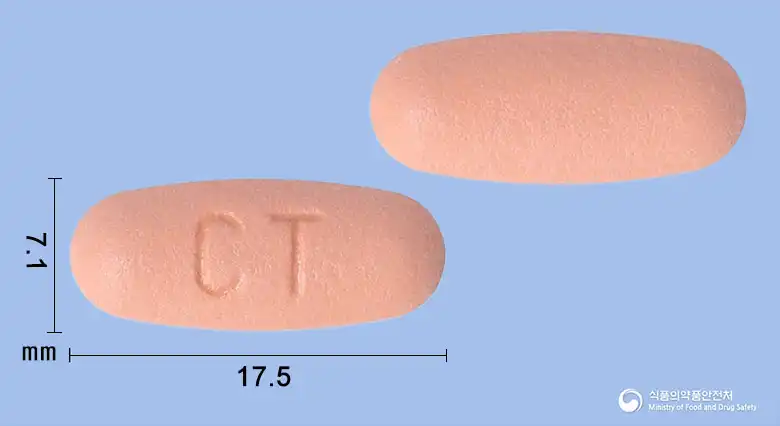
Light orange - red oval film-coated tablet
50 tablets (10 tablets/PTP packaging x 5)
Even with the same ingredient, strength, dosage form and how it is taken can differ.
Even with the same ingredient, the dose and directions can differ by strength and dosage form. Talk to a doctor or pharmacist before switching from a medication you are already taking.
No questions yet.
For anything that needs medical judgment, consult a doctor or pharmacist.
This drug information is based on data provided by the Korea Ministry of Food and Drug Safety.
Consult a doctor or pharmacist for accurate dosage, administration, and usage instructions.