
 한국어
 English
 日本語
 中文(简体)
 Viewing now
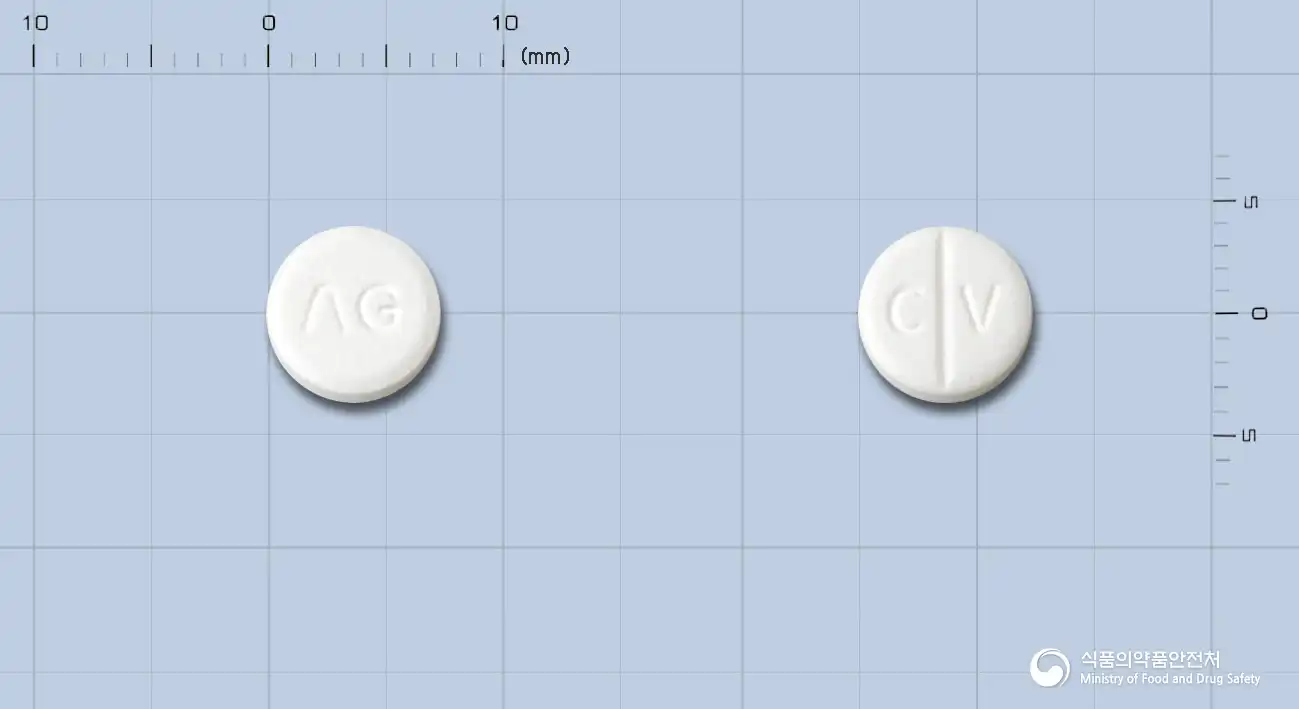
Anguk Carvedilol Tablets 25 mg
Carvedilol 25mg
Tablet · Prescription medication
Anguk Pharmaceutical Co., Ltd.
MFDS item code 200300800 · Notified 2003.11.19 · Insurance code 650201470
Essential hypertension, chronic stable angina, and adjunctive treatment of congestive heart failure
This medication is used for essential hypertension, chronic stable angina, and congestive heart failure. It is particularly helpful as an adjunct treatment in conjunction with diuretics, digitalis preparations, ACE inhibitors, or other vasodilators to support heart and vascular health. It is effectively used to alleviate symptoms and improve management of these conditions.
Do not increase the dose or stop taking this medicine without your doctor's instructions. 1. Essential hypertension 1) Adults (1) For the first 2 days, administer 12.5 mg of carvedilol orally once daily, then administer 25 mg orally once daily. (2) The usual dose is 25 mg orally once daily for 2 weeks. If a dose increase is needed, increase to 25 mg twice daily. The maximum dose is 25 mg per dose and 50 mg per day. 2) Elderly patients In some elderly patients, 12.5 mg once daily may be sufficient. However, if the effect is inadequate after 2 weeks of treatment, the dose may be increased. 2. Chronic stable angina 1) For the first 2 days, administer 12.5 mg of this medicine orally twice daily, then administer 25 mg orally twice daily. 2) The usual dose is 25 mg twice daily for 2 weeks. If a dose increase is needed (excluding elderly patients), the dose may be increased to 50 mg twice daily. 3. Congestive heart failure Before starting treatment with this medicine, the standard treatment regimen already being administered (conventional treatment for chronic heart failure with an ACE inhibitor, diuretic, and usually a digitalis preparation) should be stable. Fluid retention should also be minimized before starting treatment with this medicine. 1) The usual initial dose is 3.125 mg of this medicine orally twice daily for 2 weeks. If the patient tolerates this treatment well, increase the dose to 6.25 mg twice daily for 2 weeks, then to 12.5 mg twice daily for 2 weeks, and then to 25 mg twice daily. 2) Increase the dose gradually after taking each dose level for at least 2 weeks, up to the dose tolerated by the patient. 3) The minimum effective dose is 6.25 mg twice daily. The maximum dose is 25 mg twice daily for patients weighing 85 kg or less and 50 mg twice daily for patients weighing more than 85 kg. 4) To control the rate of absorption, it is recommended that the medicine be taken with meals in the morning and evening. Taking it with meals slows absorption and may reduce the incidence of orthostatic hypotension.
This medication should not be used in patients with certain diseases or conditions. For example, patients who have had an allergic reaction to this drug or its components, patients with cardiogenic shock, patients with severe cardiac conduction disorders, patients with pulmonary heart disease, patients with diabetic ketoacidosis, patients with severely impaired heart function, and patients with asthma or chronic obstructive pulmonary disease. Additionally, this medication should be administered with caution in patients with diabetes, those with a history of allergic hypersensitivity, patients with severe renal or hepatic impairment, elderly patients, patients with low blood pressure, and patients with certain heart conditions. These patients may experience side effects or worsening of symptoms when taking this medication, and careful monitoring by a physician is necessary. While taking this medication, central nervous system symptoms such as dizziness, headaches, and fatigue may occur, as well as cardiovascular adverse reactions such as reduced heart rate, decreased blood pressure, and worsening heart failure. Gastrointestinal symptoms like nausea, diarrhea, and abdominal pain may also appear, and skin rashes or allergic reactions have been reported occasionally. Long-term users should undergo regular assessments of heart function and tests for blood pressure, pulse, liver, and kidney function, and abrupt cessation should be avoided. Stopping suddenly may risk worsening angina or myocardial infarction, hence tapering off as directed by a physician is advised. This medication can interact with several drugs, so if you are taking other medications, be sure to inform your doctor or pharmacist. Special caution is required when used in conjunction with antihypertensives, antiarrhythmics, hypoglycemics, sedatives, and anesthetics. Women who are pregnant or may become pregnant and nursing mothers should not take this medication, as it may cause serious side effects in the fetus or newborn. The use of this medication is not recommended in children and adolescents under 18 years of age due to lack of established safety and efficacy. In elderly patients, the blood concentration of this medication may increase due to impaired liver function, so treatment should begin with a lower dose and should be administered with caution. In cases of overdose, symptoms may include lowered blood pressure, decreased heart rate, heart failure, and altered consciousness, and immediate medical attention is necessary for appropriate treatment. This medication is sensitive to light and should be stored in a light-resistant container, out of reach of children. Additionally, it should not be transferred to another container.
Not everyone experiences these, and they can vary from person to person.
This medication is sensitive to light and must be stored in a sealed container that blocks light. It is important to maintain a storage temperature between 1 degree and 30 degrees Celsius. Proper storage will help maintain the effectiveness of the medication.
White round tablet
100 tablets/PTP (10 tablets/PTP × 10)
Even with the same ingredient, strength, dosage form and how it is taken can differ.
Viewing nowCarvedilol 25mg
Tablet · Prescription medication
Anguk Pharmaceutical Co., Ltd.
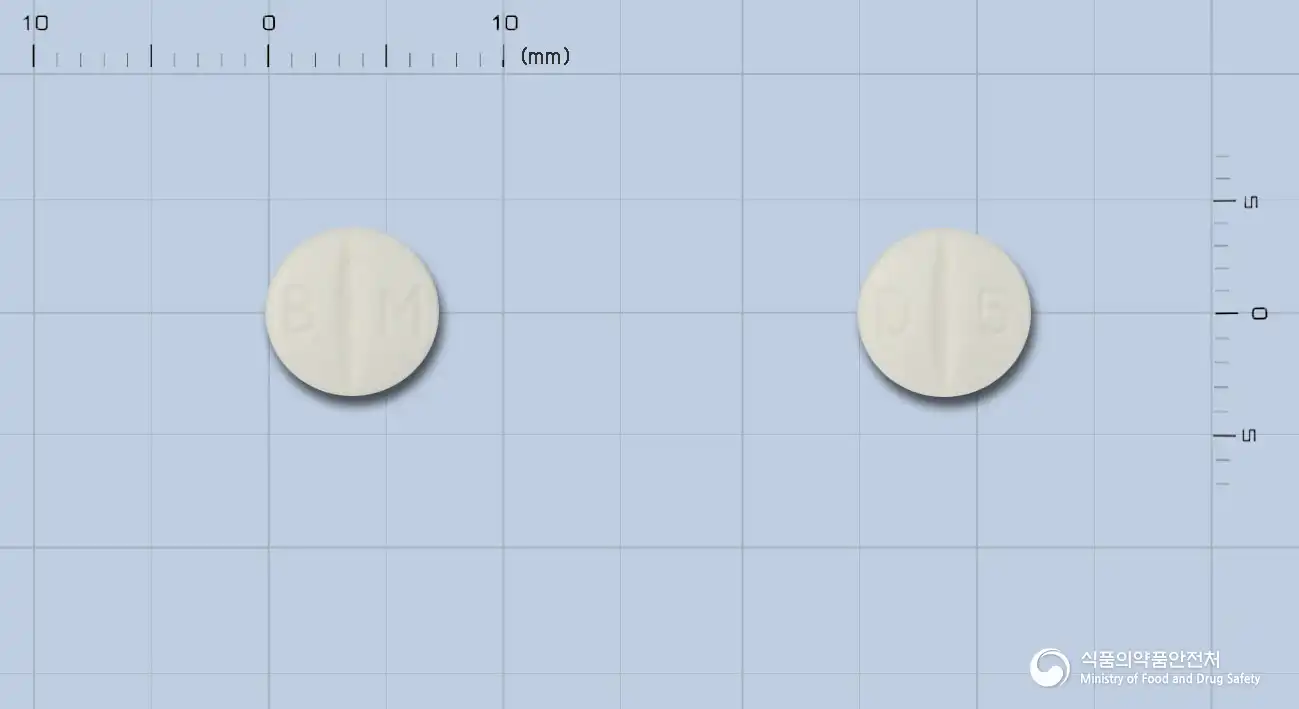
Carvedilol 25mg
Tablet · Prescription medication
Jongkun Dang Co., Ltd.
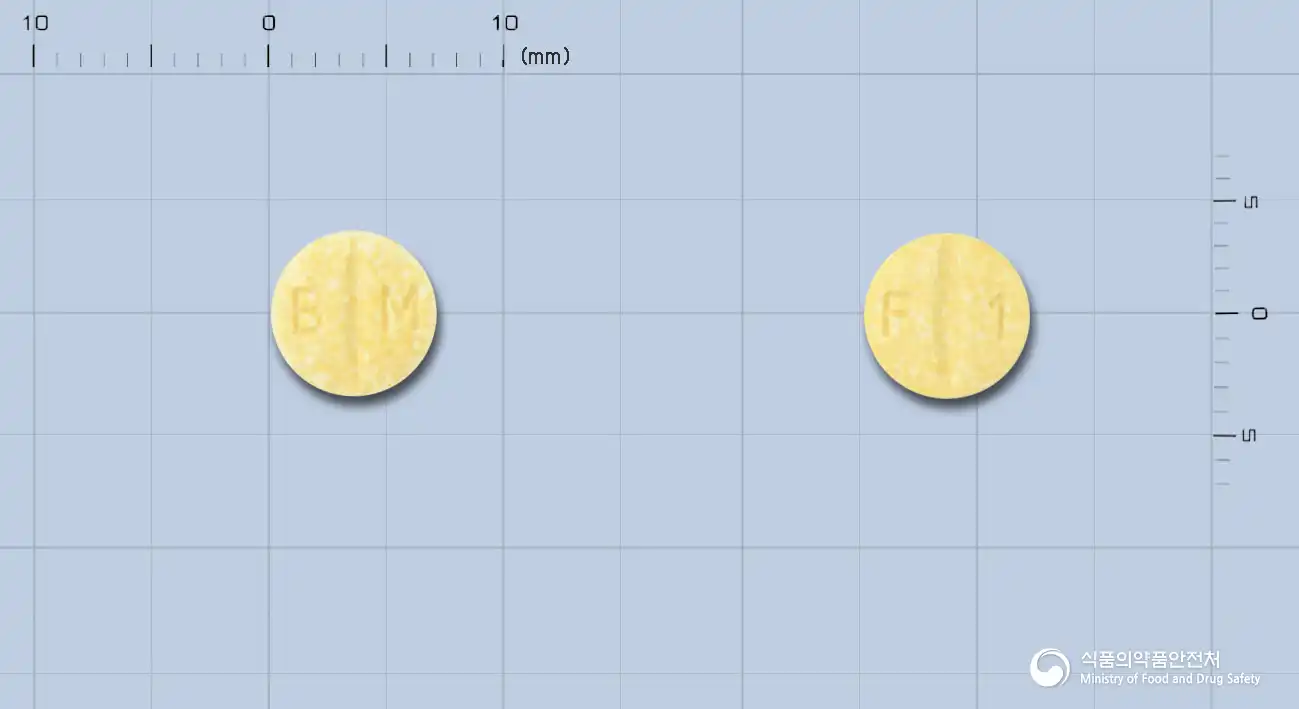
Carvedilol 6.25mg
Tablet · Prescription medication
Jongkundang Co., Ltd.
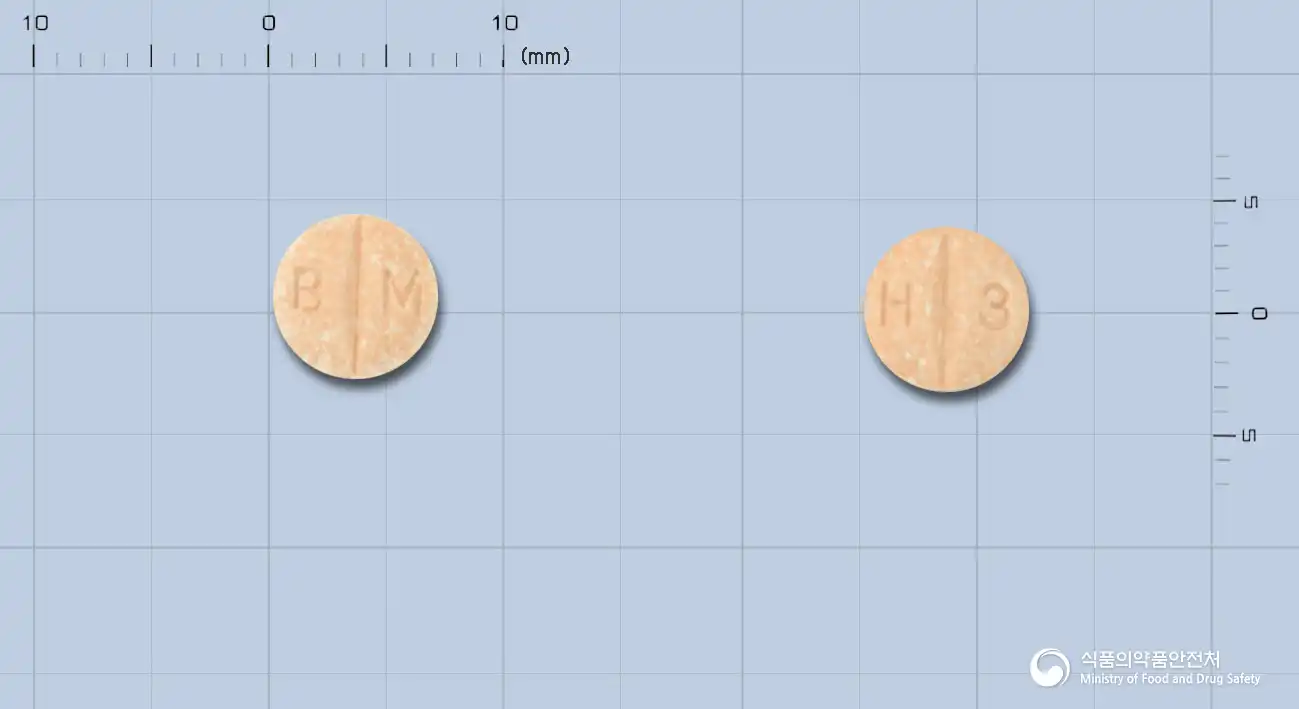
Carvedilol 12.5mg
Tablet · Prescription medication
Jongkundang Co., Ltd.
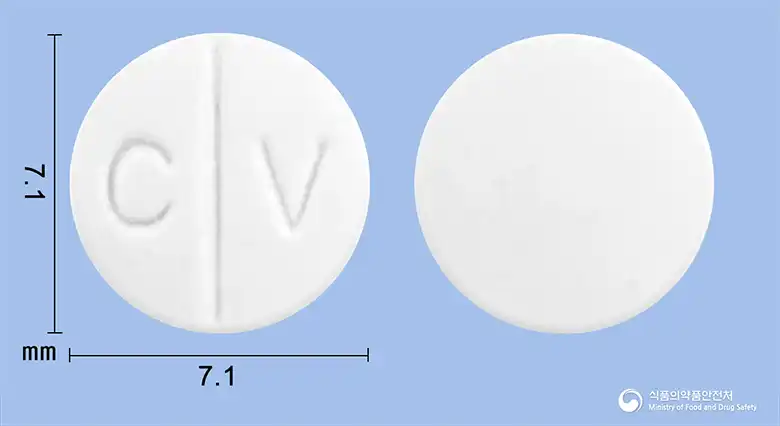
Carvedilol 25mg
Tablet · Prescription medication
Hanmi Pharmaceutical Co., Ltd.
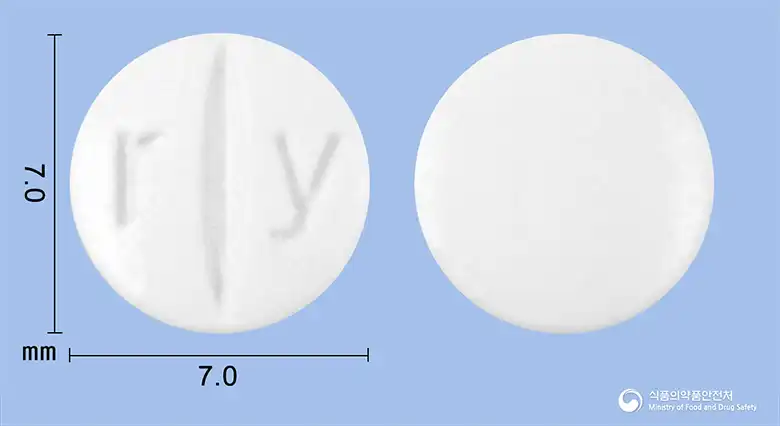
Carvedilol 25mg
Tablet · Prescription medication
Lee Yeon Pharmaceuticals Co., Ltd.
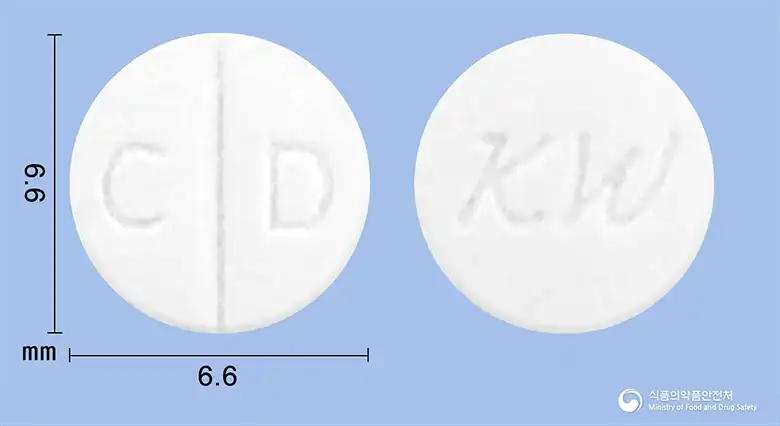
Carvedilol 25mg
Tablet · Prescription medication
Albozen Korea Co., Ltd.
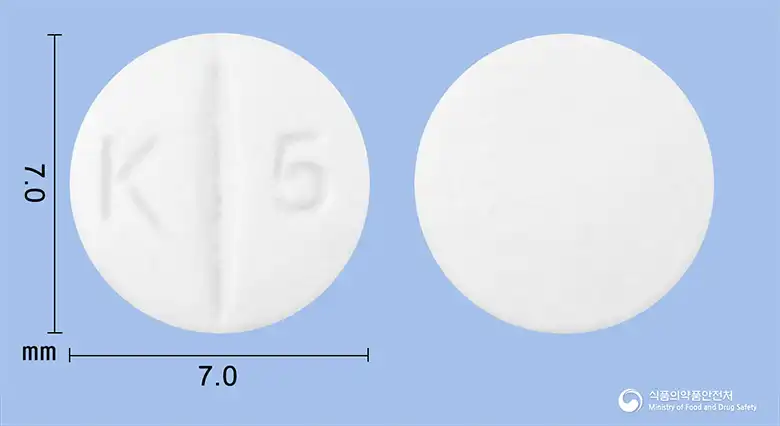
Carvedilol 25mg
Tablet · Prescription medication
Myungin Pharmaceutical Co., Ltd.
Even with the same ingredient, the dose and directions can differ by strength and dosage form. Talk to a doctor or pharmacist before switching from a medication you are already taking.
No questions yet.
For anything that needs medical judgment, consult a doctor or pharmacist.
This drug information is based on data provided by the Korea Ministry of Food and Drug Safety.
Consult a doctor or pharmacist for accurate dosage, administration, and usage instructions.