
 한국어
 English
 日本語
 中文(简体)
 Viewing now
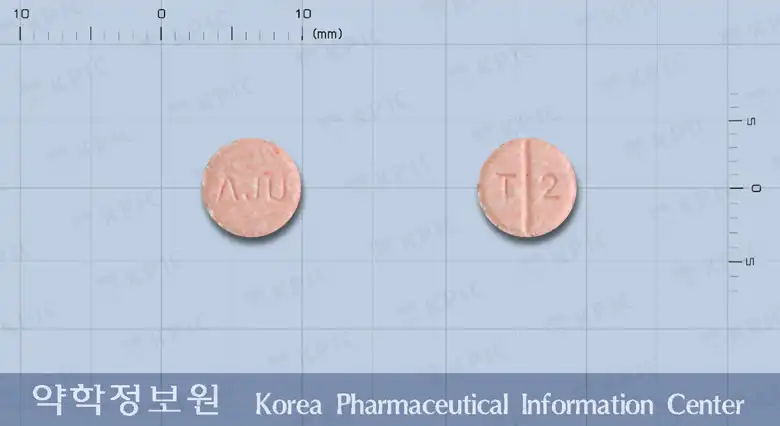
Terazol Tablet 2 mg (Terazosin Hydrochloride)
Terazosin Hydrochloride Hydrate 2.374mg
Tablet · Prescription medication
Aju Pharmaceutical Co., Ltd.
MFDS item code 200300708 · Notified 2003.10.16 · Insurance code 654003960
Improvement of urinary symptoms due to benign prostatic hyperplasia; treatment of mild to moderate hypertension
This medication is used in the treatment of urinary disorders caused by benign prostatic hyperplasia and mild to moderate hypertension.
This medicine may be administered alone or in combination with a thiazide diuretic or other antihypertensive agents when other medicines are inappropriate or ineffective. Food has little or no effect on the bioavailability of this medicine, so it may be taken with or without food. Adjust the dose as appropriate according to age and symptoms. 1. Voiding difficulties due to benign prostatic hyperplasia ○ Adults 1) Initial dose Administer 1 mg of terazosin hydrochloride orally at bedtime as the initial dose; do not exceed this dose. Carefully monitor the patient after the initial dose to minimize the possibility of acute hypotension following the first administration. 2) Maintenance dose Gradually increase the dose until symptoms improve. Administer 5-10mg orally once daily as the maintenance dose. 3) Concomitant administration with a thiazide diuretic or other antihypertensive agents: When this medicine is administered concomitantly with a thiazide diuretic or other antihypertensive agents, reduce the dose of this medicine and increase it if necessary. Carefully monitor the patient, as hypotension may occur with this combination therapy. 2. Hypertension Adjust the dose according to the patient's blood pressure response. ○ Adults 1) Initial dose Administer 1 mg of terazosin hydrochloride orally at bedtime as the initial dose; do not exceed this dose. Carefully monitor the patient after the initial dose to minimize the possibility of acute hypotension following the first administration. 2) Maintenance dose ① Monotherapy: Administer 2-10mg once daily as the maintenance dose, in the morning or evening; preferably administer it at the same time each day. The dose may be doubled at 1-week intervals to achieve the desired blood pressure response. Doses above 20mg do not produce greater effects, and studies have not been conducted on doses above 40mg. ② Concomitant administration with a thiazide diuretic or other antihypertensive agents: When this medicine is administered concomitantly with a thiazide diuretic or other antihypertensive agents, reduce the dose of this medicine and increase it if necessary. Carefully monitor the patient, as hypotension may occur with this combination therapy.
This medication should not be used in patients with an allergy or hypersensitivity to certain alpha-blockers. It should not be administered to children under the age of 12. This medication contains lactose; therefore, it should not be given to patients with lactose intolerance or specific genetic metabolic disorders. Patients with severely impaired liver or kidney function need to be cautious when using this medication. Patients with certain conditions such as orthostatic hypotension, heart disease, cerebrovascular disease, or diabetes should use this medication carefully. Caution is also necessary if allergic to Yellow No. 4 (tartrazine) included in this product. This medication may cause side effects such as dizziness, drowsiness, headache, and palpitations, and particular care should be taken when starting or changing the dosage. There may be a risk of fainting due to orthostatic hypotension, so movements should be slow when getting up suddenly after taking the medication. It is advisable to avoid driving or operating heavy machinery when initially taking this medication or changing the dosage. This medication is used for the treatment of prostate hypertrophy but must confirm the absence of cancer before treatment to differentiate from prostate cancer. Patients planning cataract surgery should inform their ophthalmologist of their use of this medication. There are generally few interactions with other drugs, but caution should be exercised when taken with antihypertensive agents as it may lower blood pressure excessively. Women who are pregnant or may become pregnant should use this medication carefully, and nursing mothers are advised to avoid taking it or to stop breastfeeding. For the elderly, start with a low dose and observe their condition before administering further. In case of overdose, acute hypotension may occur; immediate medical attention is required as dialysis is ineffective. This medication should be kept out of reach of children and should not be transferred to another container.
Not everyone experiences these, and they can vary from person to person.
This medication must be stored in a tightly sealed container to prevent exposure to air or moisture. It is important to maintain the storage temperature between 1 and 30 degrees Celsius. Doing so will help preserve the effectiveness and safety of the medication.
Light orange round tablet
30 tablets/bottle, 100 tablets/bottle
Even with the same ingredient, strength, dosage form and how it is taken can differ.
Viewing nowTerazosin Hydrochloride Hydrate 2.374mg
Tablet · Prescription medication
Aju Pharmaceutical Co., Ltd.
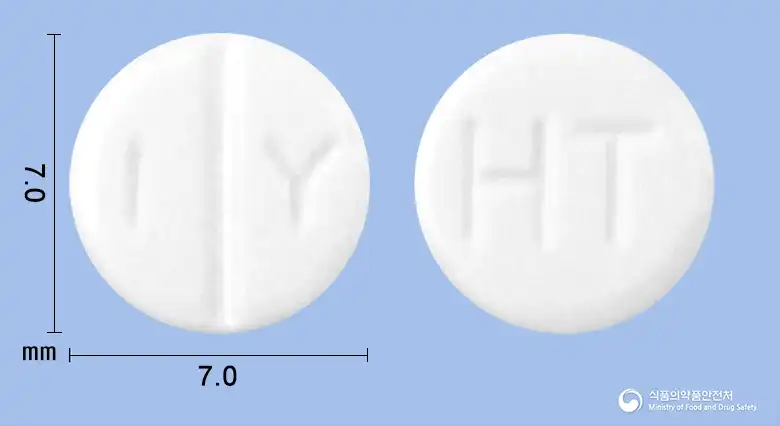
Terazosin Hydrochloride Hydrate 1.187mg
Tablet · Prescription medication
Il Yang Pharmaceutical Co., Ltd.
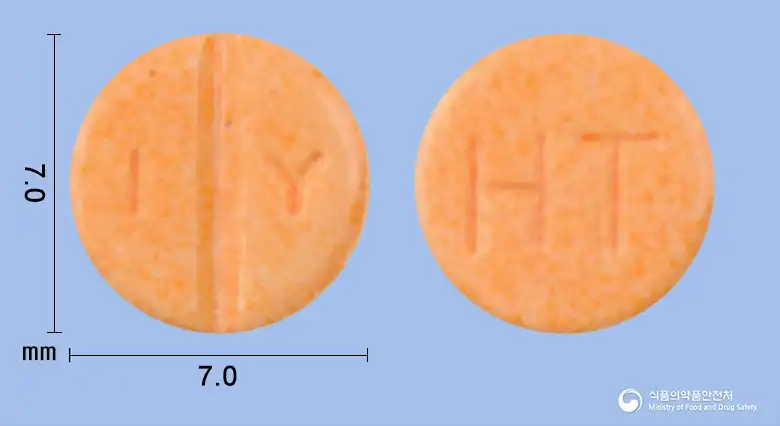
Terazosin Hydrochloride Hydrate 2.374mg
Tablet · Prescription medication
Il Yang Pharmaceutical Co., Ltd.
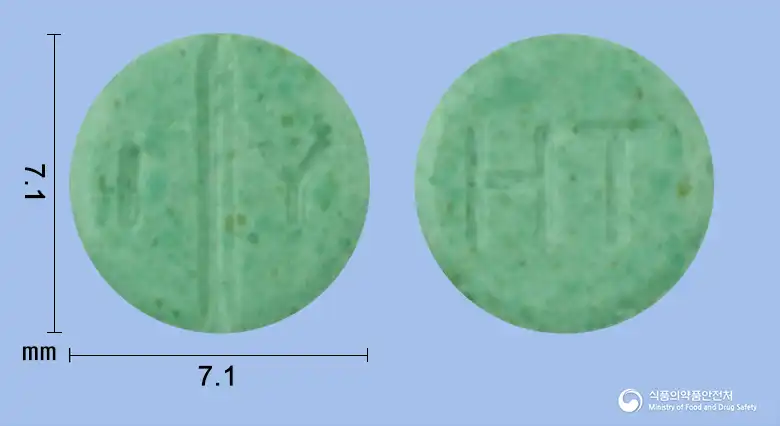
Terazosin Hydrochloride Hydrate 5.935mg
Tablet · Prescription medication
Il Yang Pharmaceutical Co., Ltd.
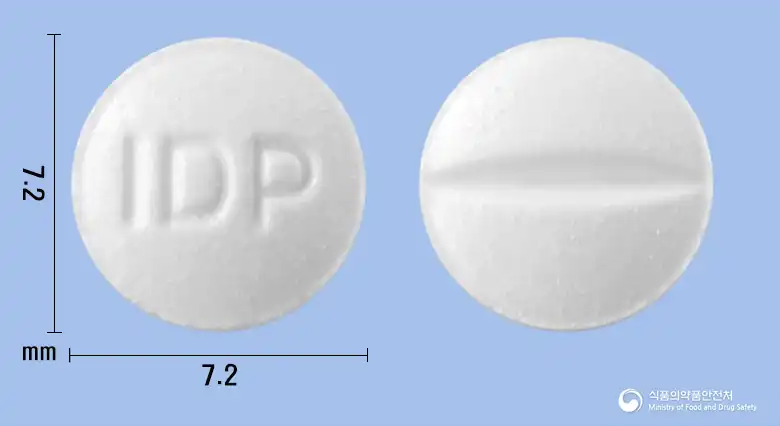
Terazosin Hydrochloride Hydrate 2.374mg
Tablet · Prescription medication
Il Dong Pharmaceutical Co., Ltd.
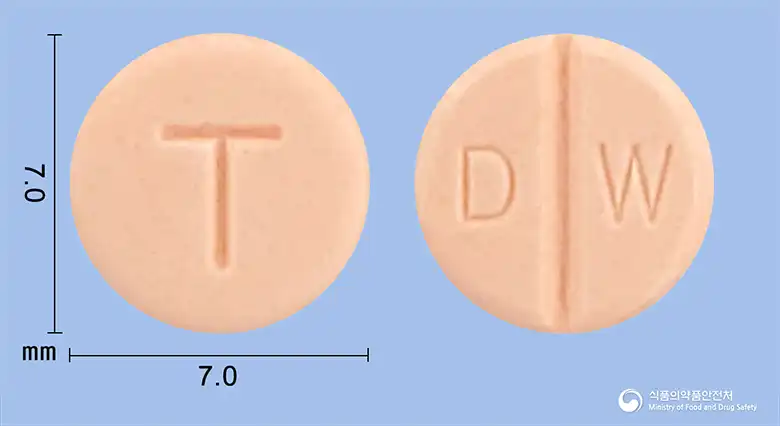
Terazosin Hydrochloride Hydrate 2.374mg
Tablet · Prescription medication
Daewon Pharmaceutical Co., Ltd.
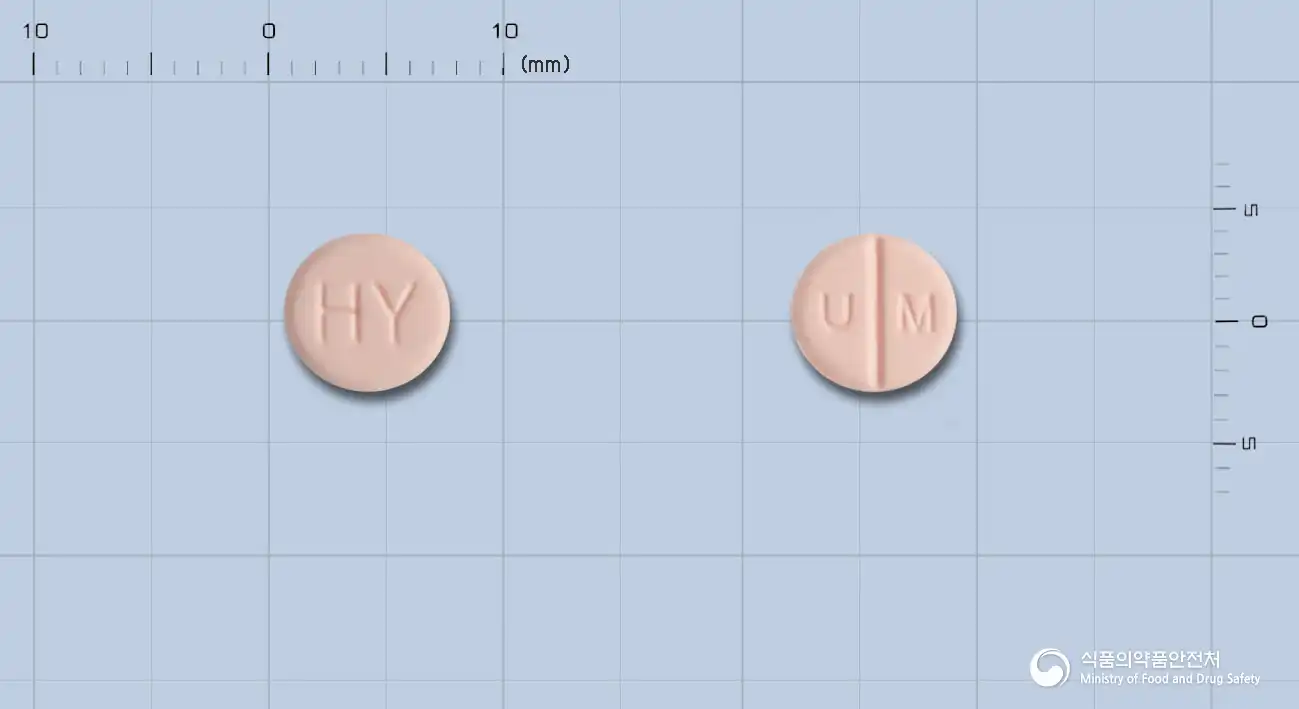
Terazosin Hydrochloride Hydrate 2.374mg
Tablet · Prescription medication
Unimed Pharmaceutical Co., Ltd.
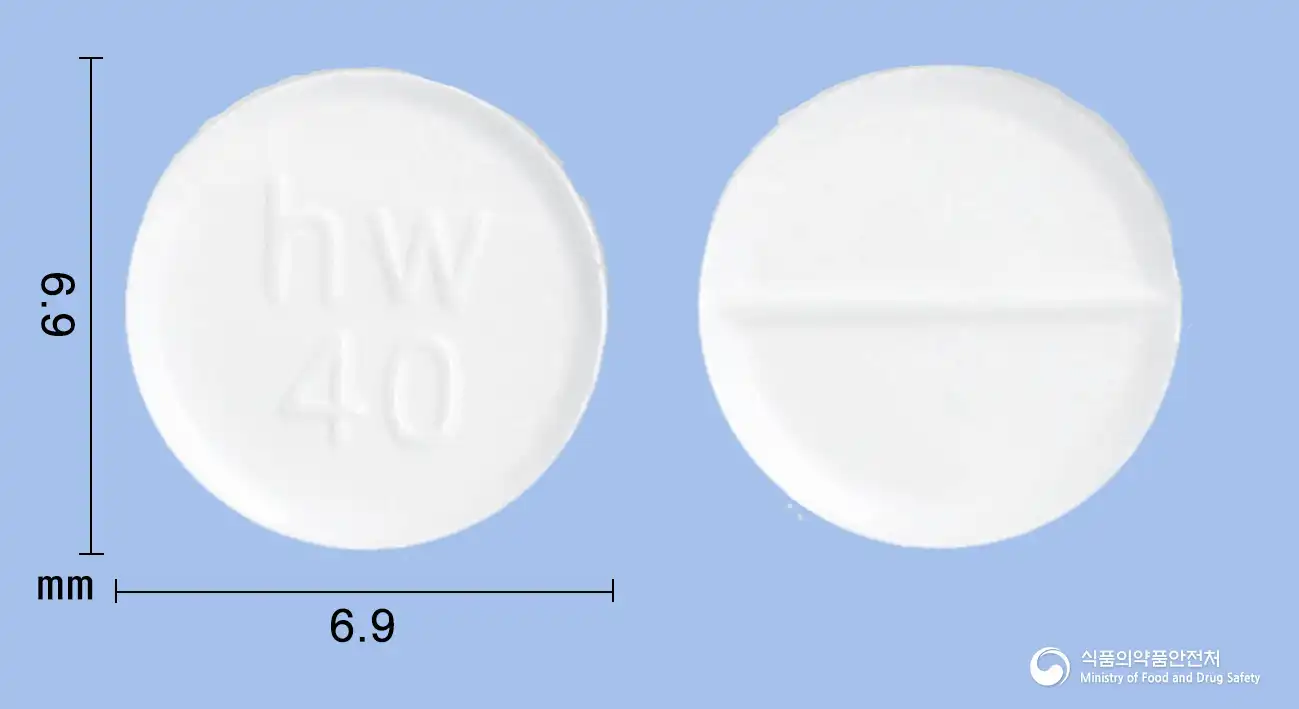
Terazosin Hydrochloride Hydrate 2.374mg
Tablet · Prescription medication
(Hawon Pharmaceutical Co., Ltd.)
Even with the same ingredient, the dose and directions can differ by strength and dosage form. Talk to a doctor or pharmacist before switching from a medication you are already taking.
No questions yet.
For anything that needs medical judgment, consult a doctor or pharmacist.
This drug information is based on data provided by the Korea Ministry of Food and Drug Safety.
Consult a doctor or pharmacist for accurate dosage, administration, and usage instructions.