
 한국어
 English
 日本語
 中文(简体)
Dosage form image
Viewing nowBantine Dry Syrup 50 mg (Potency) / 5 mL (Cefpodoxime Proxetil)
Cefpodoxime Proxetil 5000mg
Prescription medication
Geonil Pharmaceutical Co., Ltd.
MFDS item code 200300534 · Notified 2003.02.04 · Insurance code 646802742
Treatment of respiratory and ear, nose, and throat infections, skin and systemic infections (such as scarlet fever), and urinary tract infections
This medication is effective against various bacteria including Staphylococcus, Streptococcus, Streptococcus pneumoniae, and Escherichia coli, and is used to treat skin infections such as furunculosis, carbuncles, and impetigo, as well as soft tissue infections, lymphangitis, and subcutaneous abscesses. It is also effective for respiratory infections like pharyngitis, tonsillitis, acute bronchitis, and pneumonia. It is used for urinary tract infections such as pyelonephritis and cystitis, and for ear and sinus infections such as otitis media and sinusitis. Ultimately, it is also used for the treatment of scarlet fever, making this medication widely applicable for various bacterial infectious diseases. This medication helps improve several infectious diseases.
○ Infants and children: Suspend for use and administer cefpodoxime orally at 3mg (potency) per kg of body weight per dose, 2~3 times daily. For severe cases or cases considered to have an insufficient response, administer 4.5mg (potency) per kg of body weight per dose orally 3 times daily. Adjust the dose as appropriate according to age, symptoms, etc.
This medication contains the artificial sweetener aspartame, which is broken down into phenylalanine in the body. Therefore, patients with the hereditary condition phenylketonuria should not take this medication. The daily intake of aspartame should be limited to below the recommended amount by the World Health Organization, and adults should be cautious not to exceed 2.4g per day. This medication should not be administered to patients who have previously experienced shock due to this medication. Additionally, as it contains lactose monohydrate, it is safer not to use this medication in patients with galactose intolerance or certain genetic disorders. Patients with allergies to this medication's ingredients or cephalosporin antibiotics, as well as those with hypersensitivity to penicillin antibiotics or asthma or allergic constitutions should exercise caution before administration. Patients with severely impaired kidney function may require dosage adjustment and monitoring as excretion of this medication may be delayed. Patients unable to take oral medications, elderly patients, or patients in poor general health may also exhibit symptoms of vitamin K deficiency and should be cautious. This medication can rarely cause severe allergic reactions, such as shock and anaphylaxis, so if symptoms occur, administration must be discontinued immediately. Allergic reactions such as skin rash, urticaria, or itching should receive appropriate treatment, and gastrointestinal symptoms like nausea, vomiting, or diarrhea should also be monitored. Respiratory problems or pneumonia symptoms may appear, so if there is difficulty breathing or worsening cough, administration should be halted and treatment sought. Abnormalities may appear in blood tests, so regular monitoring is necessary for long-term use. Also, neurological symptoms or severe skin reactions may occur, so careful observation of skin condition and neurological symptoms is essential. This medication may affect liver and kidney function; therefore, it is important to regularly check liver and kidney function. Infections such as stomatitis or candidiasis may occur during treatment, so oral status should be inspected as well. Vitamin K and vitamin B deficiency symptoms may manifest, thus nutritional status should also be monitored closely. Dizziness may occur when driving or operating machinery, so caution is necessary. For those using this medication for more than 10 days, it is advisable to check white blood cell counts through blood tests. Patients with decreased kidney function will require dosage adjustment, as central nervous system side effects such as seizures may occur; therefore, it is essential to be attentive. Severe skin reactions have been reported; any abnormal symptoms on the skin must be discussed with healthcare professionals immediately. Caution is warranted if using concurrently with other diuretics or certain antibiotics, as this may strain the kidneys; close monitoring is necessary. Women who are pregnant or may become pregnant should only use this medication cautiously, as its safety has not been established; it is recommended to discontinue breastfeeding while using this medication. It is advisable not to use this medication in neonates or infants under 2 months of age, as safety has not been confirmed. Elderly patients may experience adverse reactions more easily due to decreased bodily functions; thus, careful observation and adjustment of dosage and administration intervals are required.
Shock
Not everyone experiences these, and they can vary from person to person.
This medication should be stored in a tightly sealed container to protect it from air and moisture, and the storage temperature should be between 1 to 30 degrees Celsius at room temperature. By storing it this way, the efficacy of the medication can be maintained for a longer period.
This medication is a granule with a reddish-yellow to orange color.
40g/200mL
Even with the same ingredient, strength, dosage form and how it is taken can differ.
Cefpodoxime Proxetil 5000mg
Prescription medication
Geonil Pharmaceutical Co., Ltd.

Cefpodoxime Proxetil 100mg
Tablet · Prescription medication
HK inno.N Co., Ltd.
Cefpodoxime Proxetil 5000mg
Prescription medication
HK inno.N Co., Ltd.
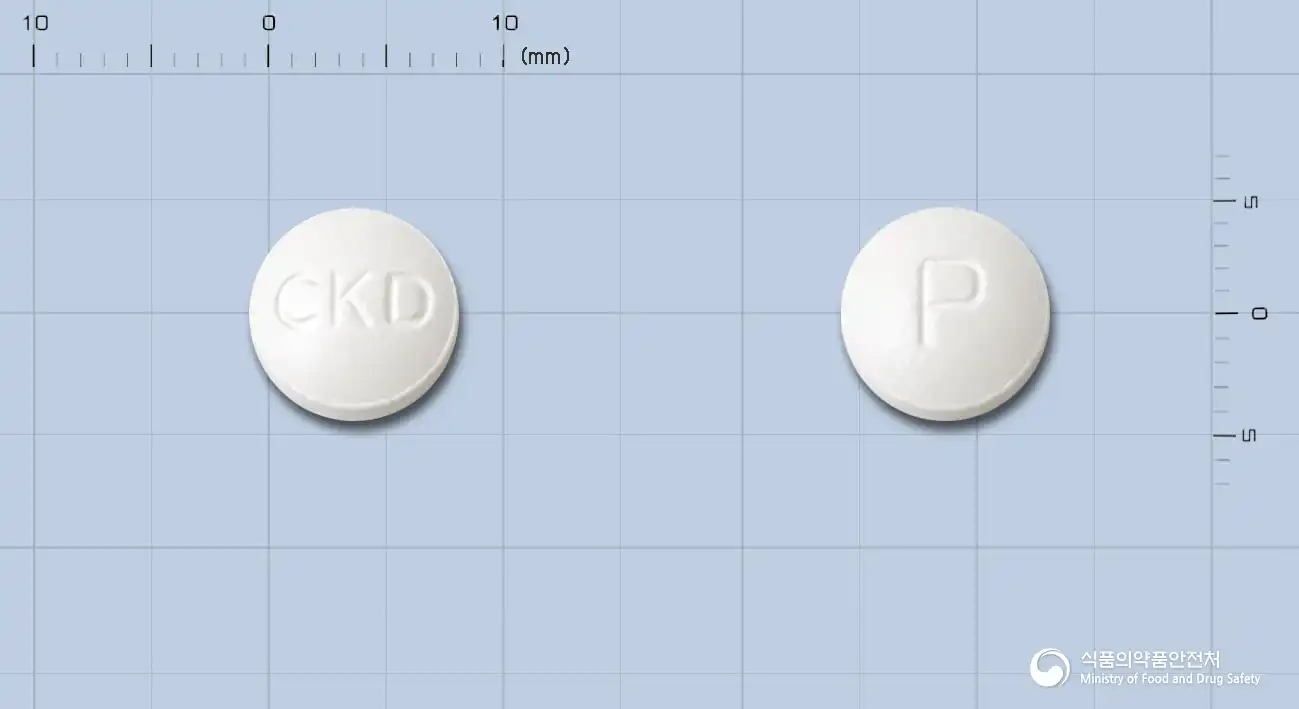
Cefpodoxime Proxetil 100mg
Tablet · Prescription medication
Jongkundang Co., Ltd.

Cefpodoxime Proxetil 100mg
Tablet · Prescription medication
Youngjin Pharmaceutical Co., Ltd.

Cefpodoxime Proxetil 130mg
Tablet · Prescription medication
Hanmi Pharmaceutical Co., Ltd.
Cefpodoxime Proxetil 5000mg
Prescription medication
Jongkundang Co., Ltd.
Cefpodoxime Proxetil
Prescription medication
SK Chemicals Co., Ltd.
Even with the same ingredient, the dose and directions can differ by strength and dosage form. Talk to a doctor or pharmacist before switching from a medication you are already taking.
No questions yet.
For anything that needs medical judgment, consult a doctor or pharmacist.
This drug information is based on data provided by the Korea Ministry of Food and Drug Safety.
Consult a doctor or pharmacist for accurate dosage, administration, and usage instructions.