
 한국어
 English
 日本語
 中文(简体)
 Viewing nowCombination
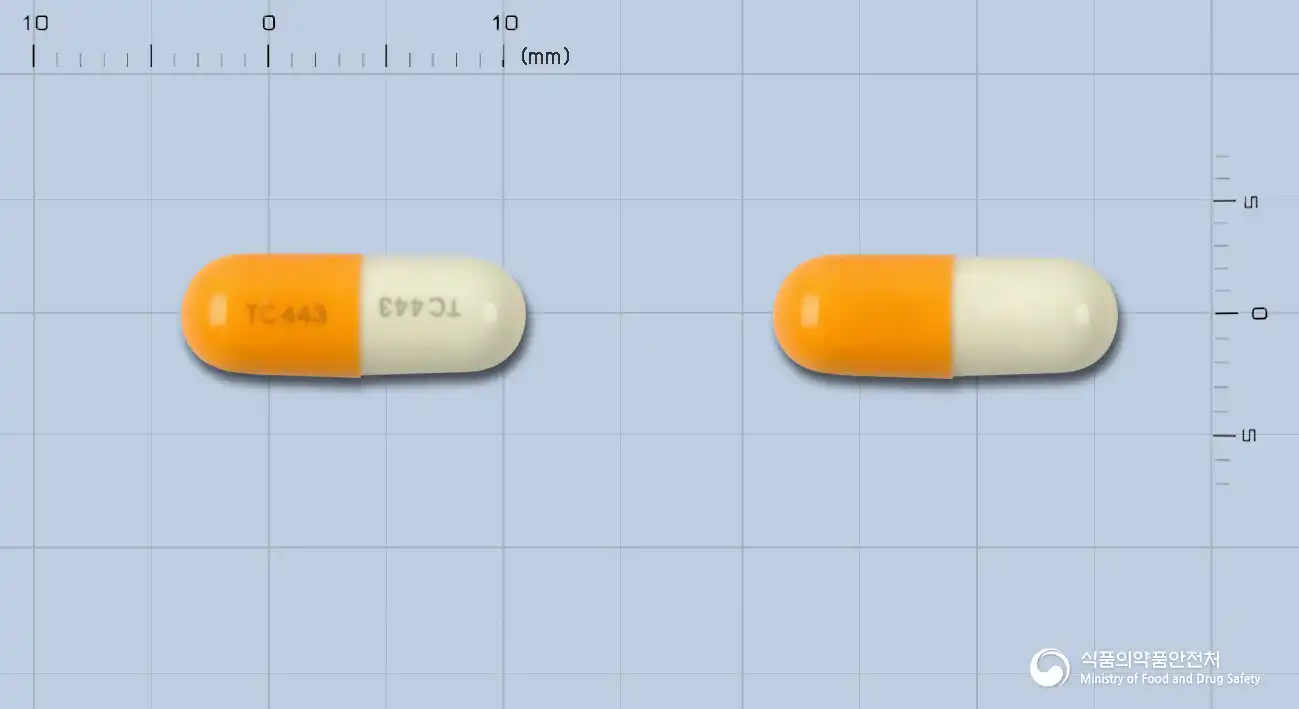
TS One Capsule 20, 25
Tegafur 25mg · Gimeracil 7.25mg +1 more
Hard capsule · Prescription medication · Combination
Jeil Pharmaceutical Co., Ltd.
MFDS item code 200300393 · Approved 2003.07.29 · Insurance code 645401930,645401940
Treatment of cancer (stomach cancer, head and neck cancer, pancreatic cancer, etc.)
This medication is used for the treatment of various solid tumors such as gastric cancer, head and neck cancer, pancreatic cancer, and non-small cell lung cancer. In gastric cancer, it is used for the treatment of advanced, metastatic, or recurrent gastric cancer, and for adjuvant chemotherapy after surgery. It is also used in combination with preoperative adjuvant therapy for resectable locally advanced gastric cancer. In head and neck cancer, it is used for treatment in the case of advanced or recurrent status. In pancreatic cancer, it is used for the treatment of locally advanced or metastatic pancreatic cancer, and in non-small cell lung cancer, it is used for patients with advanced or metastatic conditions who have previously received platinum-based chemotherapy. It plays a role in effectively improving cancer treatment across various types of cancer.
1. Except for preoperative adjuvant therapy for resectable locally advanced gastric cancer, the usual initial dose (dose per administration) for adults is determined based on body surface area and administered orally twice daily, after breakfast and dinner, for 28 consecutive days, followed by a 14-day rest period. This constitutes 1 cycle, and treatment is repeated. However, if no abnormal clinical laboratory values (hematologic tests, liver and renal function tests) or gastrointestinal symptoms considered attributable to this drug occur and there are no safety concerns, the rest period may be shortened; even in that case, the rest period must be at least 7 days. The dose may be adjusted as appropriate according to the patient's condition. Dose adjustment steps are 40,50,60,75mg per dose. If dose escalation is considered possible without safety concerns, as described above, the dose may be increased by up to one step from the initial dose, to a maximum of 75mg per dose. Dose reductions are usually made one step at a time, and the minimum dose is 40mg per dose. * In general, when the dose is adjusted according to the patient's condition, refer to the following doses. However, dose escalation should be performed once per cycle and stopped after one step. 2. Preoperative adjuvant therapy for resectable locally advanced gastric cancer in combination with docetaxel and oxaliplatin On Day 1, infuse approximately 50 mg/m2 of docetaxel intravenously over at least 1 hour, followed by an intravenous infusion of 100 mg/m2 of oxaliplatin over at least 2 hours. In combination, administer 40 mg/m2 of this drug orally twice daily from Day 1 through Day 14. This constitutes 1 cycle; administer every 3 weeks, and this combination therapy is given for 3 cycles before surgery. For dose adjustment (dose reduction) according to the patient's condition, refer to item 1 and the prescribing information for docetaxel and oxaliplatin.
This drug is an anticancer agent used in cancer treatment, and to ensure safe administration, it must be used under the guidance of a physician with sufficient knowledge and experience in cancer chemotherapy in a medical facility capable of managing emergencies. Before administration, the effects and risks of the treatment should be thoroughly explained to the patient and family, and consent must be obtained. During administration, clinical tests such as blood tests and liver function tests must be conducted frequently to closely monitor for adverse effects. In particular, this drug may cause bone marrow suppression; therefore, it should not be administered to patients with impaired bone marrow function or severe liver or kidney disorders, and caution should be exercised when administering to such patients. Additionally, serious side effects may occur when used in combination with other specific anticancer agents or antifungals, so such combinations should be avoided, and careful monitoring for drug interactions is essential during administration. This drug should not be administered to women who are pregnant or may become pregnant, and breastfeeding should be halted if the patient is nursing. This medication contains lactose, so it should not be used in patients with lactose intolerance or related genetic conditions. It is advisable to take this medication after meals, and patients should be cautious to take it out of the packaged sheet and not swallow the packing sheet. Serious side effects such as bone marrow suppression, hepatitis, kidney damage, interstitial pneumonia, heart problems, severe stomatitis, gastrointestinal bleeding and perforation, and skin and mucosal syndrome may occur; therefore, if abnormal symptoms appear, administration should be immediately discontinued, and a healthcare professional should be consulted. During administration, careful observation for symptoms of infection, bleeding, dehydration, etc., should be conducted, and appropriate actions taken as necessary. For the elderly, administration should be conducted with caution considering the decline in physical function, and safety for children and newborns has not been established, requiring special attention. This drug may reactivate the hepatitis B virus in carriers; hence, infection status should be checked before administration, and liver function should be continuously monitored during use. Patients with DPD deficiency may experience severe toxicity from this drug; therefore, testing for DPD enzyme activity is recommended before administration, and it should not be administered if a deficiency is confirmed. Regular monitoring including blood tests, liver and kidney function tests, and observation of respiratory symptoms is required after the administration of this drug, and if adverse reactions are confirmed, administration should be discontinued, and appropriate treatment should be provided. Finally, this drug must be used strictly adhering to the dosage and administration guidelines provided by a physician, taking into consideration the patient's condition and concomitant medications.
Not everyone experiences these, and they can vary from person to person.
This medication should be stored at room temperature between 1 and 30 degrees Celsius, in a sealed container to prevent air ingress. This will help maintain the drug's efficacy for a longer duration.
TS One Capsule 20: It is an opaque hard capsule containing white powder and particles.
42 capsules (14 capsules/PTP X 3), 56 capsules (14 capsules/PTP X 4)
Even with the same ingredient, strength, dosage form and how it is taken can differ.
Viewing nowCombinationTegafur 25mg · Gimeracil 7.25mg +1 more
Hard capsule · Prescription medication · Combination
Jeil Pharmaceutical Co., Ltd.
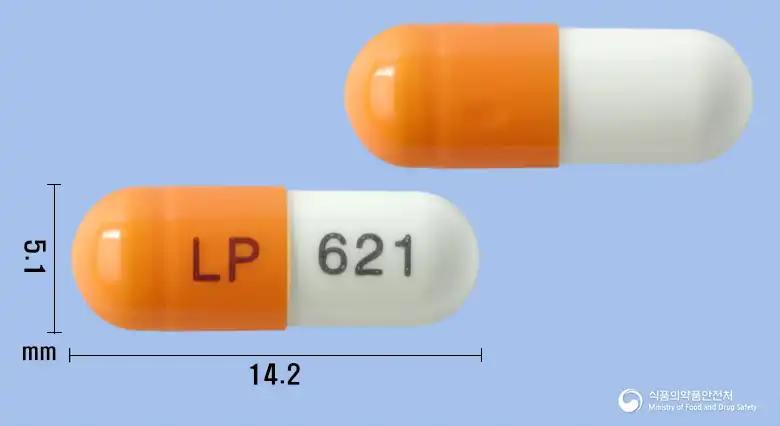 Combination
Tegafur 25mg · Gimeracil 7.25mg +1 more
Hard capsule · Prescription medication · Combination
Myeongmun Pharmaceutical Co., Ltd.
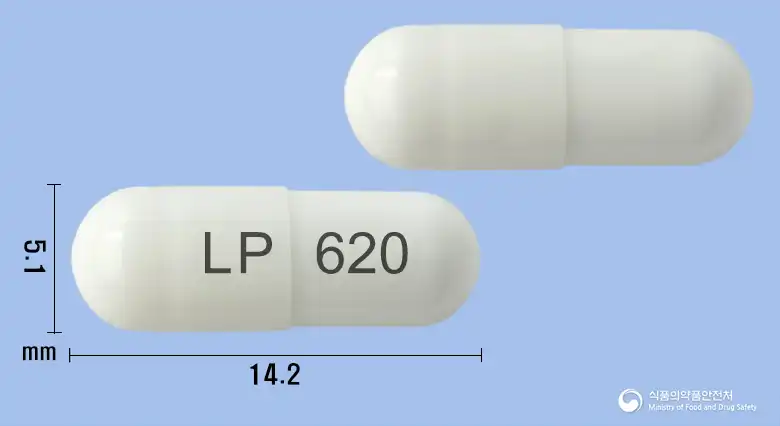 Combination
Tegafur 20mg · Gimeracil 5.8mg +1 more
Hard capsule · Prescription medication · Combination
Myeongmun Pharmaceutical Co., Ltd.
Even with the same ingredient, the dose and directions can differ by strength and dosage form. Talk to a doctor or pharmacist before switching from a medication you are already taking.
No questions yet.
For anything that needs medical judgment, consult a doctor or pharmacist.
This drug information is based on data provided by the Korea Ministry of Food and Drug Safety.
Consult a doctor or pharmacist for accurate dosage, administration, and usage instructions.