
 한국어
 English
 日本語
 中文(简体)
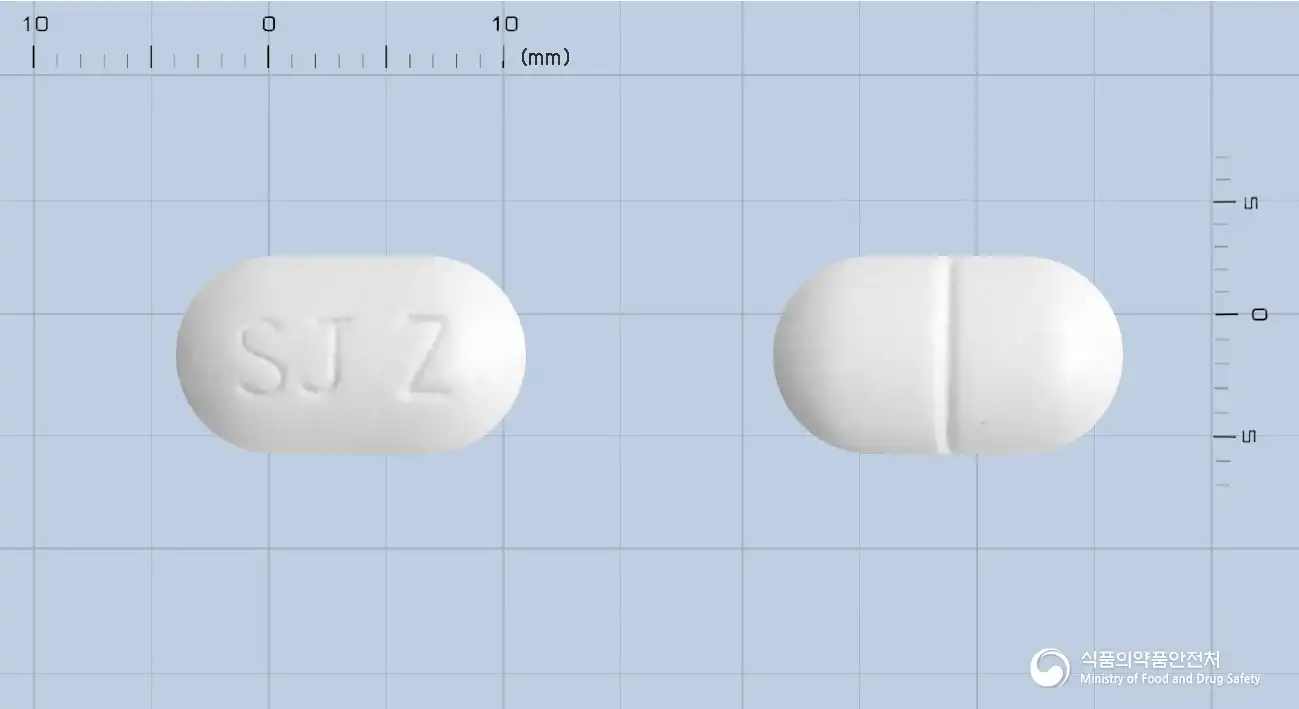
Dosage form image
Viewing nowCombinationHwakol Nose Tablet
Acetaminophen 500mg · Pseudoephedrine Hydrochloride 30mg +1 more
Tablet · OTC medication · Combination
JW Pharmaceutical Co., Ltd.
MFDS item code 200300189 · Notified 2003.05.01
This product's status changed to Expired on 2024.01.01. It may no longer be sold, so consult a doctor or pharmacist before taking it.
Relief of cold symptoms (e.g., runny nose, nasal congestion, and sneezing)
This medication helps relieve typical symptoms of the common cold, such as runny nose, nasal congestion, sneezing, sore throat, chills, fever, headache, joint pain, and muscle aches. It reduces discomfort caused by colds to help patients quickly return to their daily activities. It is effectively used to relieve various symptoms of the common cold.
Adults: Take 1 ∼ 2 tablets per dose every 4 ∼ 6 hours. Do not take more than 8 tablets in 1 day.
This medication should be discussed with a doctor or pharmacist before use by anyone who regularly consumes more than three glasses of alcohol daily, as it may cause liver damage in individuals who drink frequently. This medication contains pseudoephedrine, which may cause serious skin reactions such as acute generalized exanthematous pustulosis. If symptoms such as fever, skin rash, or small blisters occur, discontinue use immediately and consult a specialist. This medication should not be used by individuals with a history of hypersensitivity, those with specific health conditions, or those taking certain medications. For example, individuals with a history of asthma attacks or severe liver, kidney, or heart disease, and those with peptic ulcers may face risks when taking this medication. While taking this medication, do not use other medications containing acetaminophen. Exceeding the daily maximum dosage may cause liver damage. Additionally, taking it with cough suppressants, other cold medications, antipyretics, antihistamines, sedatives, or tranquilizers may increase the risk of side effects. Avoid alcohol consumption during treatment, as drowsiness may occur, and refrain from driving or operating machinery. The sedative effects may be intensified when taken with alcohol or sedatives. Individuals with specific physical conditions or diseases, pregnant women, nursing mothers, the elderly, and children should discuss this with a specialist before use. It is also important to consult with a doctor or pharmacist if taking other medications. If symptoms do not improve after taking this medication or if unusual symptoms such as rash, vomiting, dizziness, or difficulty breathing occur, discontinue use immediately and consult a specialist. This medication requires regular blood tests and liver function tests for long-term use, and it is advisable to avoid use in infants under three months of age. Lastly, store this medication out of the reach of children, avoid direct sunlight, and keep it in a cool, dry place. It should be stored in its original container to maintain safety and prevent quality deterioration.
Liver damage, acute generalized exanthematous pustulosis, fever, erythema, numerous small pustules, rash, redness, itching, swelling, nausea, vomiting, loss of appetite, constipation, difficulty urinating, thirst, dizziness, anxiety, tremors, insomnia, wheezing, shock, anaphylaxis-like symptoms, dyspnea, angioedema, urticaria, asthma attack, chest tightness, pallor, cold extremities, cold sweat, shortness of breath, thrombocytopenia, granulocytopenia, hemolytic anemia, methemoglobinemia, impaired platelet function, cyanosis, facial edema, sweating, hypotension, gastrointestinal bleeding, peptic ulcer, perforation, ischemic colitis, allergic reaction, mucocutaneous syndrome, Stevens-Johnson syndrome, toxic epidermal necrolysis, high fever, burn-like blisters, chronic liver necrosis, chronic hepatitis, interstitial pneumonia, cough, suffocation, acute pancreatitis, nephrotoxicity, liver necrosis, renal necrosis, myocardial necrosis, anaphylactic reaction, urticaria, elevated AST, elevated ALT, fixed rash
Not everyone experiences these, and they can vary from person to person.
This medication may be sensitive to air or moisture, so it should be stored in a tightly closed container. It is advisable to maintain storage at room temperature between 1 and 30 degrees Celsius. This will help keep the medication effective.
White oblong film-coated tablet
10 tablets (10 tablets/PTP x 1)
Even with the same ingredient, strength, dosage form and how it is taken can differ.
Acetaminophen 500mg · Pseudoephedrine Hydrochloride 30mg +1 more
Tablet · OTC medication · Combination
JW Pharmaceutical Co., Ltd.
 Combination
Acetaminophen 500mg · Pseudoephedrine Hydrochloride 30mg +1 more
Tablet · OTC medication · Combination
Samjin Pharmaceutical Co., Ltd.
Acetaminophen 500mg · Pseudoephedrine Hydrochloride 30mg +1 more
Tablet · OTC medication · Combination
Korea Pavis Pharmaceutical Co., Ltd.
Acetaminophen 500mg · Pseudoephedrine Hydrochloride 30mg +1 more
Tablet · OTC medication · Combination
Austin Pharmaceutical Co., Ltd.
Acetaminophen 500mg · Pseudoephedrine Hydrochloride 30mg +1 more
Tablet · OTC medication · Combination
Highple Life Sciences Co., Ltd.
Acetaminophen 500mg · Pseudoephedrine Hydrochloride 30mg +1 more
Tablet · OTC medication · Combination
Huons Life Science Co., Ltd.
Acetaminophen 500mg · Pseudoephedrine Hydrochloride 30mg +1 more
Tablet · OTC medication · Combination
Samik Pharmaceutical Co., Ltd.
Acetaminophen 500mg · Pseudoephedrine Hydrochloride 30mg +1 more
Tablet · OTC medication · Combination
Boryung Co., Ltd.
Even with the same ingredient, the dose and directions can differ by strength and dosage form. Talk to a doctor or pharmacist before switching from a medication you are already taking.
No questions yet.
For anything that needs medical judgment, consult a doctor or pharmacist.
This drug information is based on data provided by the Korea Ministry of Food and Drug Safety.
Consult a doctor or pharmacist for accurate dosage, administration, and usage instructions.