
 한국어
 English
 日本語
 中文(简体)
 Viewing now
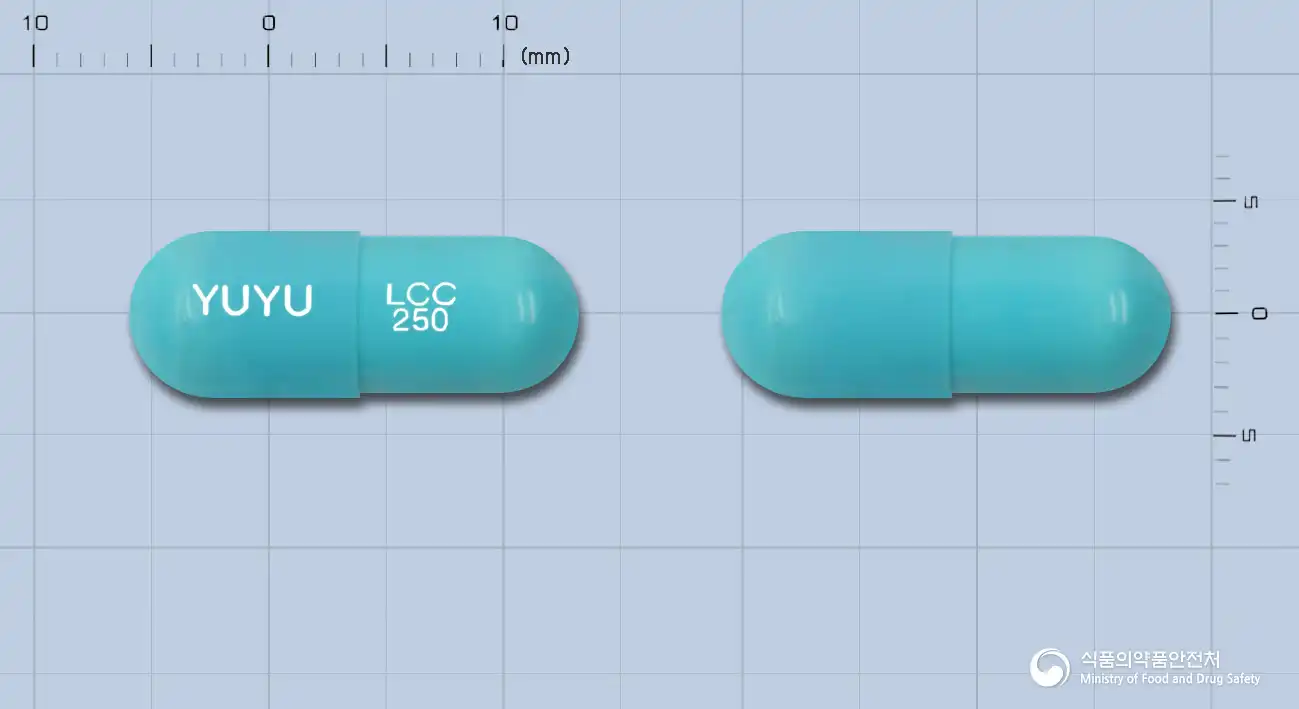
Lincocin Capsules (Lincosamide Hydrochloride Monohydrate)
Lincomycin Hydrochloride Hydrate 250mg
Hard capsule · Prescription medication
YuYu Pharmaceutical Co., Ltd.
MFDS item code 200300167 · Notified 2003.09.18 · Insurance code 644500190
Treatment of skin and soft tissue infections, respiratory and otorhinolaryngologic infections, and other infections (e.g., osteomyelitis and dysentery)
This drug works well against Staphylococcus, Streptococcus, Streptococcus pneumoniae, and Shigella species that are sensitive to lincosamine. It is primarily used for skin and soft tissue infections such as boils, soft tissue inflammation, skin abscesses, furuncles, and lymphadenitis. Additionally, it is effective for treating respiratory infections such as bronchitis, pneumonia, tonsillitis, and pharyngitis. It can also be applied to deep tissue infections such as osteomyelitis and mastitis, and it helps treat systemic infections like scarlet fever and bacterial dysentery. This drug is also used for infections in the ear and nasal areas, such as otitis media and sinusitis. In summary, this drug is widely used for the treatment of various bacterial infections.
Adults: For severe infections, administer lincomycin 500 mg (potency) orally every 8 hours; for very severe infections, administer 500 mg (potency) every 6 hours. Adjust the dose appropriately according to age and symptoms.
Children (28 days and older): For severe infections, administer 30 mg (potency)/kg body weight daily in 3 ∼ 4 divided doses.
This drug is used for severe infections and may occasionally cause life-threatening colitis, so it should be used only when treatment with other antibiotics is not possible. When colitis occurs, severe diarrhea, abdominal pain, and fever may appear, and it can be confirmed as membranous colitis via endoscopic examination. If abdominal pain or diarrhea is severe, the medication should be discontinued, or if necessary, continue administration under close observation. It is not used for non-bacterial upper respiratory tract infections or mild bacterial infections, and it is not suitable for the treatment of meningitis as it does not penetrate well into the cerebrospinal fluid. Patients allergic to this drug, its components, or similar medications should not use it, and it is not administered to patients with colitis, severe gastrointestinal disorders, bacterial meningitis, or nursing mothers. Caution is advised for the elderly, patients with liver or kidney disorders, patients with a history of allergies, patients with esophageal pain and obstruction, and patients with myasthenia gravis. Various side effects such as shock, severe allergic reactions, membranous colitis, interstitial pneumonia, blood abnormalities, skin rashes may occur during use, and if any abnormal symptoms occur, administration should be immediately stopped and appropriate treatment should be sought. To prevent the emergence of resistant bacteria, it is important to conduct susceptibility testing and administer for the necessary minimum duration. For long-term use, regular blood, liver, and kidney function tests should be conducted. Care should be taken when using with anti-diarrheal medications as it may interfere with diarrhea treatment. If used with other antibiotics that have neuromuscular blocking effects or specific drugs, there is a risk of respiratory paralysis, so concomitant use should be avoided. It is preferable not to use in pregnant women or women who may become pregnant, as well as in newborns or premature infants, and breastfeeding should be discontinued as the drug can pass into breast milk. In cases of overdose, gastrointestinal symptoms may appear, and measures such as gastric lavage may be necessary. Keep out of reach of children, and do not transfer to other containers for safety.
Not everyone experiences these, and they can vary from person to person.
This drug should be stored in a tightly sealed container to prevent exposure to air or moisture. It is important to maintain storage temperature between 1 to 30 degrees Celsius at room temperature. This ensures the safe effectiveness of the drug.
A hard capsule containing white crystalline or crystalline powder with a sky blue upper and lower part.
30 capsules/bottle, 100 capsules/bottle
Even with the same ingredient, strength, dosage form and how it is taken can differ.
Viewing nowLincomycin Hydrochloride Hydrate 250mg
Hard capsule · Prescription medication
YuYu Pharmaceutical Co., Ltd.
Lincomycin Hydrochloride Hydrate
Prescription medication
International Pharmaceutical Co., Ltd.
Lincomycin Hydrochloride Hydrate 300mg
Solution · Prescription medication
Dongkwang Pharmaceutical Co., Ltd.
Lincomycin Hydrochloride Hydrate
Prescription medication
Celix Co., Ltd.
Lincomycin Hydrochloride 300mg
Injections · Prescription medication
Yuyu Pharmaceutical Co., Ltd.
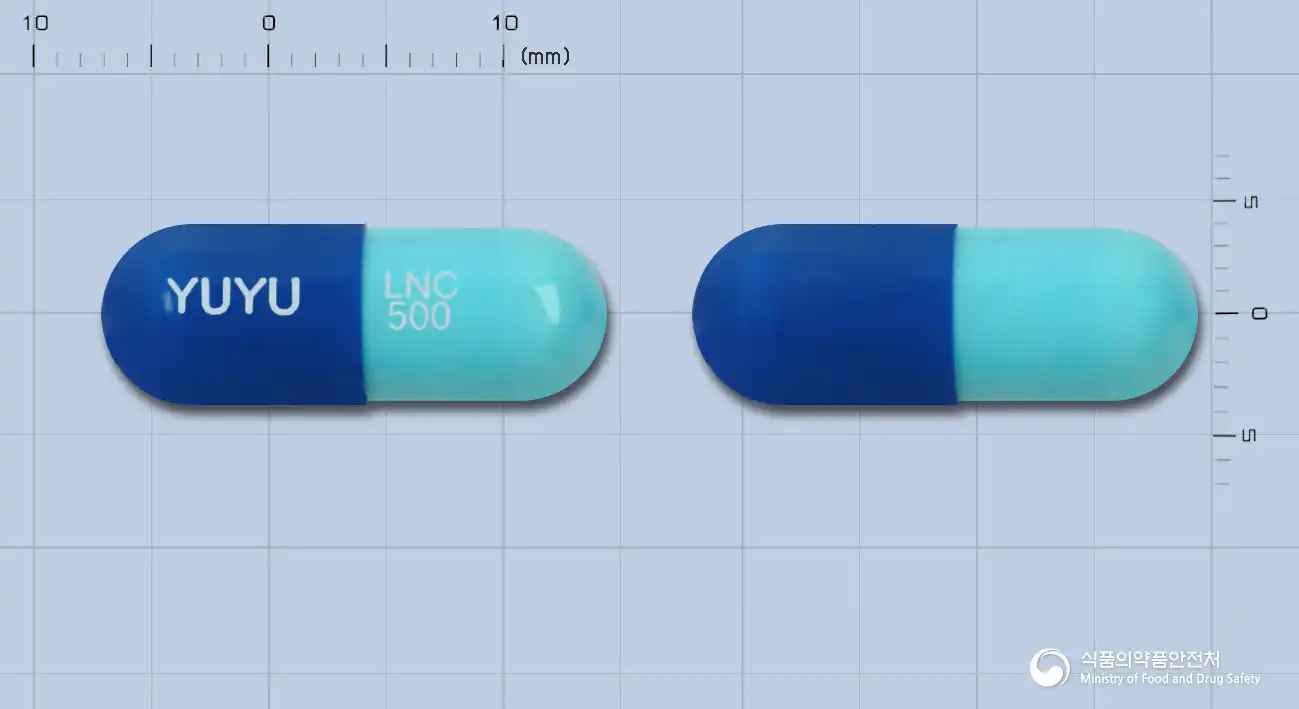
Lincomycin Hydrochloride Hydrate 500mg
Hard capsule · Prescription medication
YuYu Pharmaceutical Co., Ltd.
Lincomycin Hydrochloride Hydrate
Prescription medication
Huons Life Science Co., Ltd.
Lincomycin Hydrochloride 300mg
Injections · Prescription medication
Humedics Co., Ltd.
Even with the same ingredient, the dose and directions can differ by strength and dosage form. Talk to a doctor or pharmacist before switching from a medication you are already taking.
No questions yet.
For anything that needs medical judgment, consult a doctor or pharmacist.
This drug information is based on data provided by the Korea Ministry of Food and Drug Safety.
Consult a doctor or pharmacist for accurate dosage, administration, and usage instructions.