
 한국어
한국어 English
 日本語
日本語 中文(简体)
 Viewing now
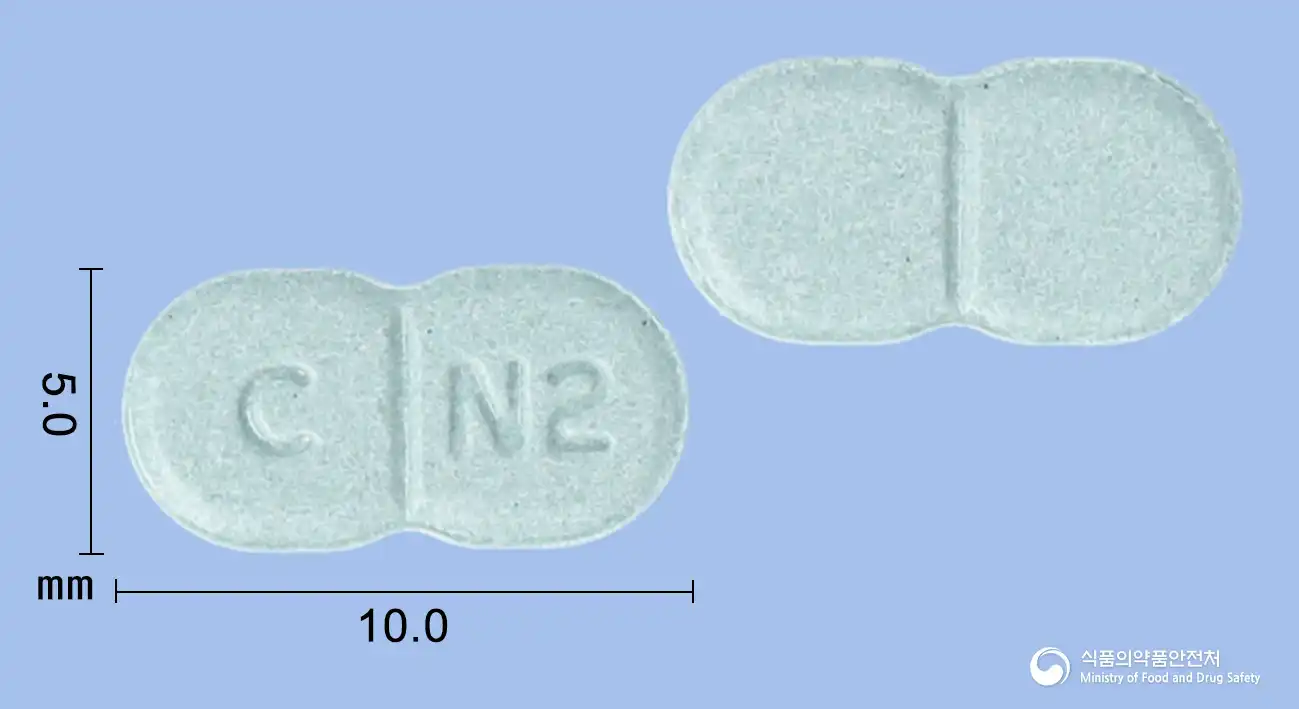
Neomaril Tablet 2 mg (Glimepiride)
Glimepiride 2mg
Tablet · Prescription medication
Jongkundang Co., Ltd.
MFDS item code 200300104 · Notified 2003.11.13 · Insurance code 643300150
Improvement of blood sugar control in type 2 diabetes
This medication is used to improve blood sugar control in patients with type 2 diabetes. It can be administered alone or in combination with other medications, alongside dietary and exercise therapy. This helps in effectively managing blood sugar levels.
Adjust individually for each patient. This medication is taken orally once daily and should be swallowed whole with more than 1/2 cup of water. It should be taken before breakfast or right before the first meal, and it is very important not to skip meals after taking it. Initial dosage for monotherapy starts at 1 mg of Glimepiride once daily, and can be increased by 1 mg at intervals of 1–2 weeks. Generally, when doses of 4 mg or more are given, additional effects are minimal, but some patients may show better metabolic control with doses of up to 6 mg (or 8 mg). If 4 mg per day is ineffective, consider switching to insulin therapy first, otherwise consider combining with insulin or other oral antidiabetic medications.
This medication should not be used in patients with insulin-dependent diabetes or diabetic ketoacidosis, or in patients who are in a coma. It should also not be given to people who are allergic to this medication or sulfonylurea drugs, or in patients with severe liver or kidney dysfunction. Pregnant or breastfeeding women should not use this medication. In patients with severe infections, post-operative conditions, or severe trauma, insulin treatment is recommended, and this medication should be avoided. Patients with gastrointestinal disorders should be cautious as food absorption may be unstable, increasing the risk of hypoglycemia. This medication contains lactose, so it should not be taken by patients with lactose intolerance or galactose absorption disorders. During initial dosing, there is a high risk of hypoglycemia, so special caution is necessary in cases of irregular meals, poor nutritional status, alcohol consumption, kidney or liver dysfunction, or in elderly patients. Symptoms of hypoglycemia include headache, severe hunger, nausea, fatigue, anxiety, confusion, dizziness, drowsiness, and loss of consciousness, and immediate action should be taken if these symptoms occur. While taking this medication, blurred vision, dyspepsia, abnormal liver function, blood abnormalities, and allergic reactions may occur, so any unusual symptoms should be reported to a doctor. It is very important to combine dietary and exercise therapy for blood sugar control, and to immediately consume sugar if hypoglycemia occurs. If taken with other drugs, interactions may occur, so be sure to inform your doctor or pharmacist of any medications being taken. If pregnant or breastfeeding, it is advisable to switch to insulin therapy as this medication may be harmful to the fetus or newborn. In the case of overdose, hypoglycemia may worsen, and immediate medical treatment should be sought. This medication should be stored out of reach of children.
Hives, severe swelling (edema), difficulty breathing, shortness of breath, hypotension, anaphylaxis, angioedema, Stevens-Johnson syndrome, abnormal liver function (bile secretion disorder, jaundice, hepatitis), severe hypoglycemia (including coma and loss of consciousness), thrombocytopenia, leukopenia, hemolytic anemia, erythrocytopenia, agranulocytosis, pancytopenia, allergic vasculitis, hyponatremia.
Not everyone experiences these, and they can vary from person to person.
This medication should be stored in a closed container to protect it from air or moisture. It is best to maintain storage temperatures between 1°C and 30°C.
Green oval tablet
30 tablets/bottle, 100 tablets/bottle
Even with the same ingredient, strength, dosage form and how it is taken can differ.
Viewing nowGlimepiride 2mg
Tablet · Prescription medication
Jongkundang Co., Ltd.
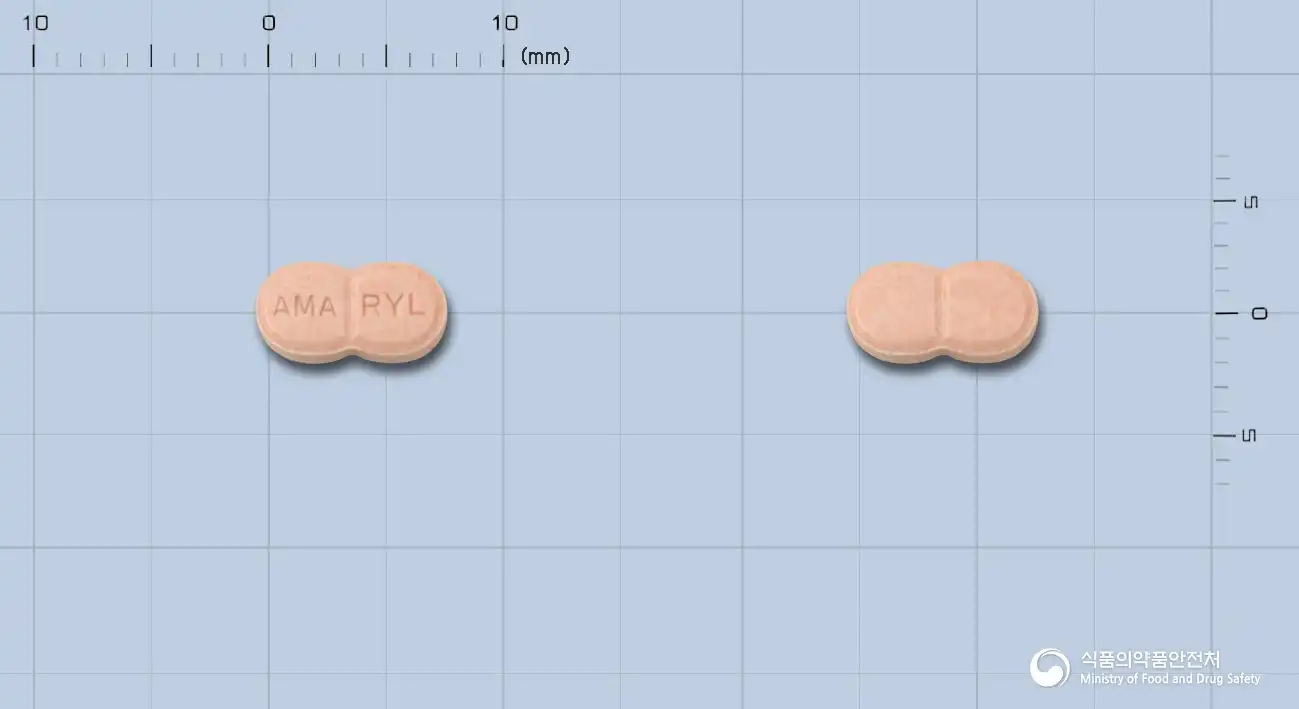
Glimepiride 1mg
Tablet · Prescription medication
Handok Co., Ltd.
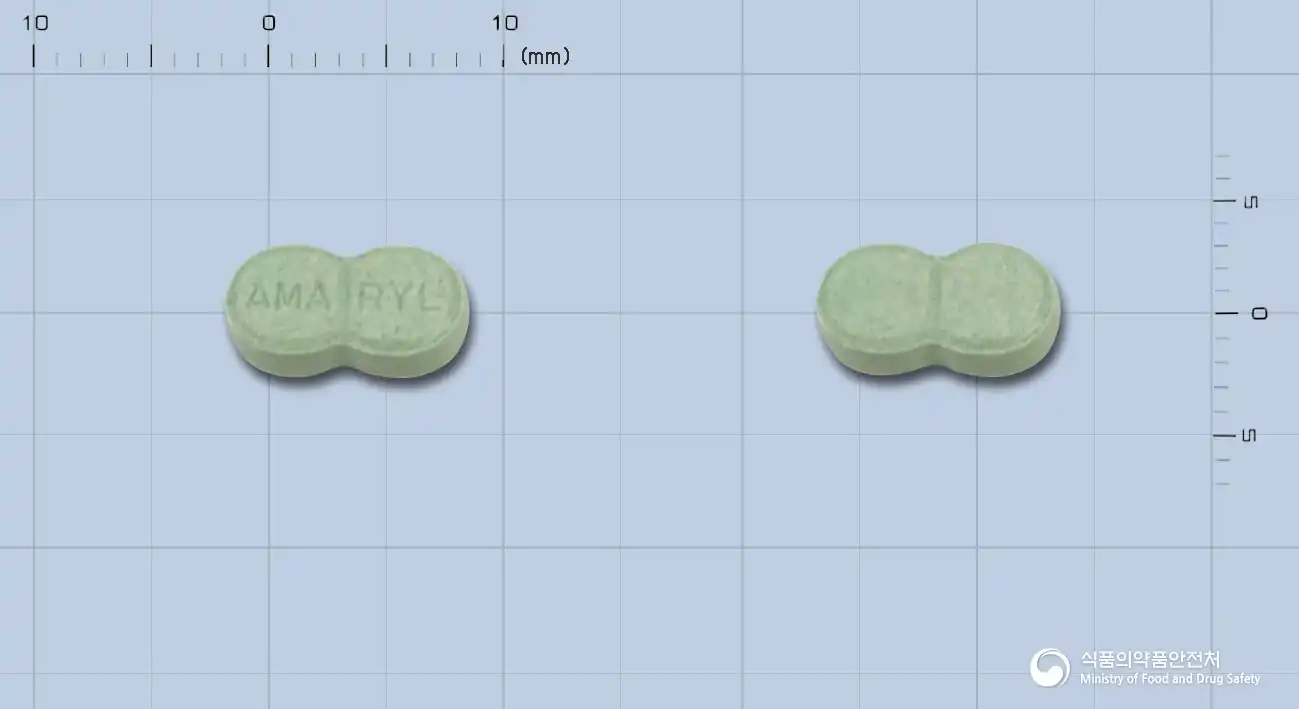
Glimepiride 2mg
Tablet · Prescription medication
Handok Co., Ltd.
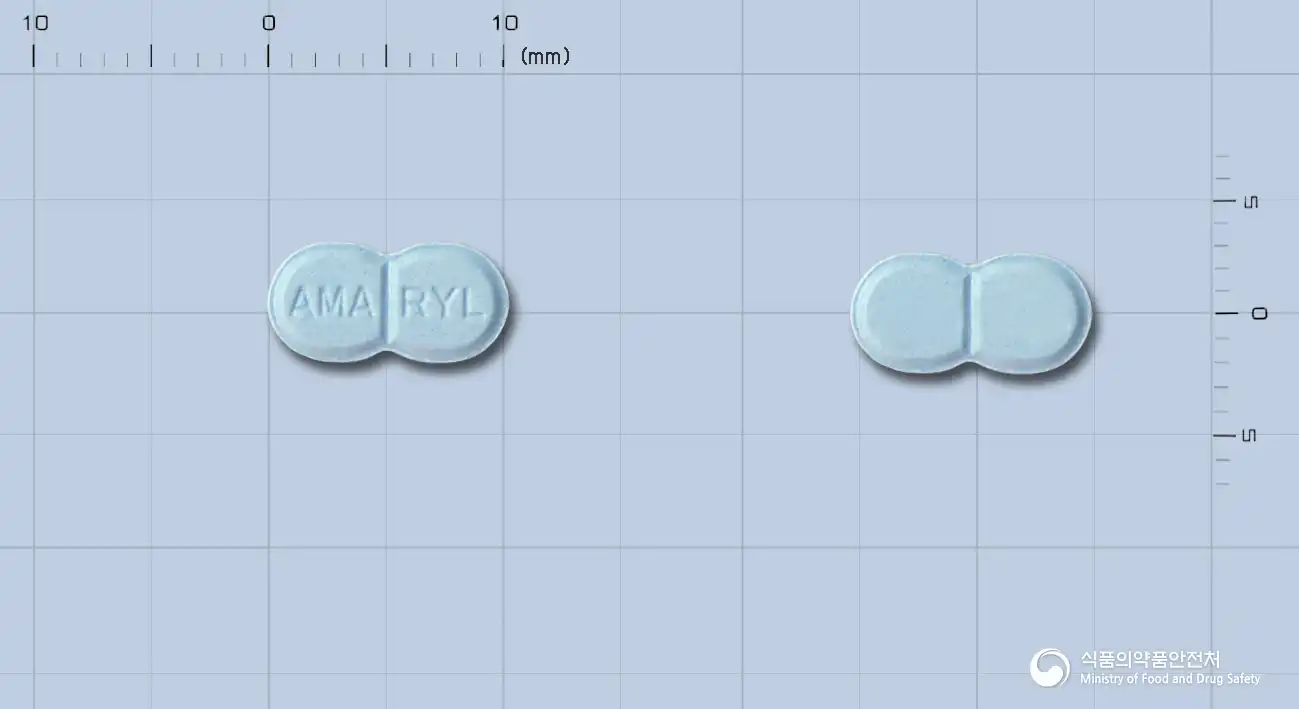
Glimepiride 4mg
Tablet · Prescription medication
(Hanmi Pharmaceutical Co., Ltd.)
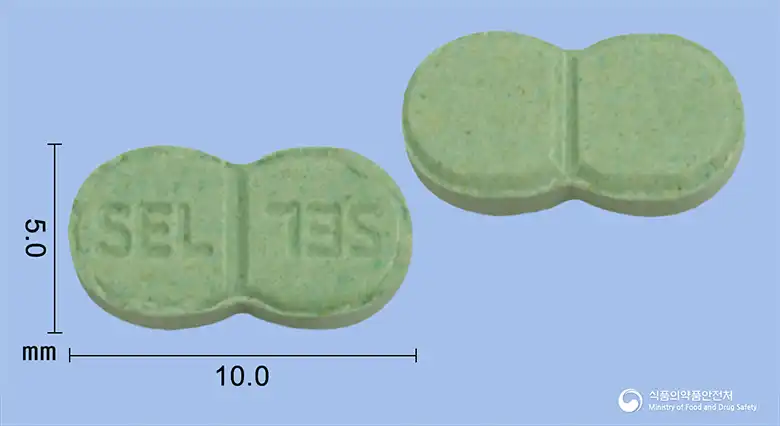
Glimepiride 2mg
Tablet · Prescription medication
Seoul Pharmaceutical Co., Ltd.
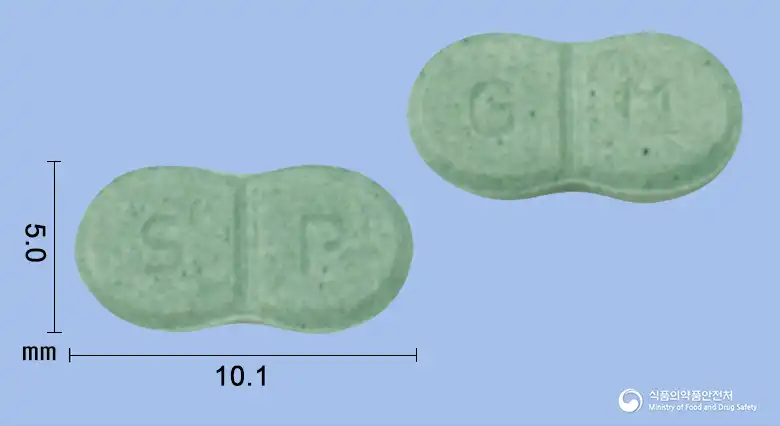
Glimepiride 2mg
Tablet · Prescription medication
Shinpoong Pharmaceutical Co., Ltd.
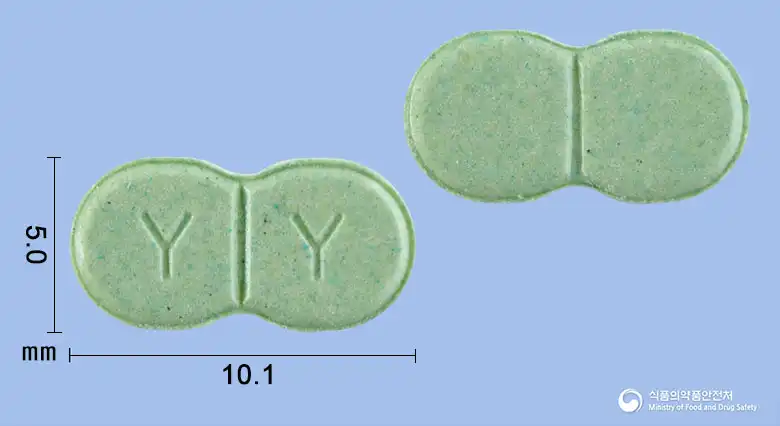
Glimepiride 2mg
Tablet · Prescription medication
IYun Pharmaceuticals Co., Ltd.
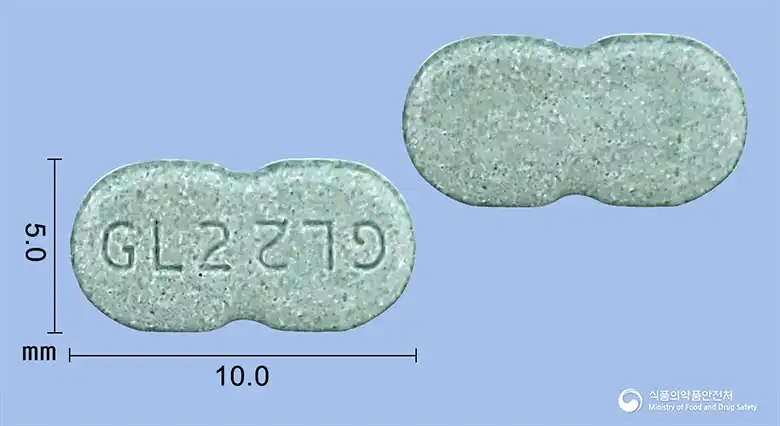
Glimepiride 2mg
Tablet · Prescription medication
Dong-A ST Co., Ltd.
Even with the same ingredient, the dose and directions can differ by strength and dosage form. Talk to a doctor or pharmacist before switching from a medication you are already taking.
No questions yet.
For anything that needs medical judgment, consult a doctor or pharmacist.
This drug information is based on data provided by the Korea Ministry of Food and Drug Safety.
Consult a doctor or pharmacist for accurate dosage, administration, and usage instructions.