
 한국어
 English
 日本語
 中文(简体)
Dosage form image
Viewing nowDilaudid Tablets 4 mg (Hydromorphone Hydrochloride)
Hydromorphone Hydrochloride
Prescription medication
Hana Pharmaceutical Co., Ltd.
MFDS item code 200210690 · Approved 2002.12.18
This product's status changed to Approval withdrawn on 2023.04.06. It may no longer be sold, so consult a doctor or pharmacist before taking it.
Relief of severe pain requiring opioid analgesics
This medication is used to relieve severe pain that requires narcotic analgesics.
(Tablets) * 2, 4 mg The initial dose is 2 mg of hydromorphone hydrochloride orally every 4 ∼ 6 hours, depending on pain severity. Adjust the dose as appropriate according to pain severity, patient response, and body size. For more severe pain, administer 4 mg or more every 4 ∼ 6 hours. If tolerance develops or pain worsens, gradual dose increases may be necessary. If pain becomes severe or immediate intervention is required, initially use an appropriate amount of an injectable product for pain control. Patients with renal impairment For patients with moderate (creatinine clearance 40 ~ 60 mL/min) or severe (creatinine clearance < 30 mL/min) renal impairment, use 1/4 ~ 1/2 of the usual hydromorphone hydrochloride dose (see section 10. Administration to patients with renal impairment under Precautions for Use). For patients with severe renal impairment, consider additionally increasing the dosing interval and monitor for opioid-related adverse reactions during maintenance treatment.
This medication is a powerful analgesic that acts on the central nervous system, and caution should be taken when used in combination with other central nervous system depressants or alcohol, as it may cause serious respiratory depression, coma, or even death. Patients with allergic reactions or certain conditions such as increased intracranial pressure, severe respiratory depression, chronic pulmonary disease, or asthma attacks should not take this medication. Elderly patients or those with impaired kidney function, hypothyroidism, or adrenal insufficiency may be more sensitive to the side effects of this medication, so caution is advised. Prolonged use of this medication may result in dependence, and abrupt discontinuation may lead to withdrawal symptoms; therefore, the dosage should be gradually reduced according to the doctor's instructions. As respiratory depression symptoms may occur, breathing status should be closely monitored, and professional treatment may be necessary if needed. Caution is required when performing activities that require mental or physical concentration, such as driving or operating machinery, as this medication may cause drowsiness or confusion. Pregnant women or those who might become pregnant should not take this medication, and breastfeeding should be discontinued if using this medication. The safety and efficacy of this medication in children have not been sufficiently confirmed, so it should be administered with caution in pediatric patients. In cases of overdose, severe respiratory depression and loss of consciousness may occur, so the dosage should be strictly adhered to, and medical attention should be sought immediately in case of overdose. This medication may interact with various drugs, so if other medications are being taken, it is essential to notify and consult with a doctor or pharmacist.
Yawning, sneezing, tearing, sweating, nausea, vomiting, diarrhea, abdominal pain, pupil dilation, headache, insomnia, anxiety, hallucinations, convulsions, tremors, pain in muscles and joints throughout the body, breathlessness, palpitations, difficulty breathing, slow breathing, irregular breathing, apnea, coma, confusion, delirium, head injury, low blood pressure, shock, intestinal obstruction, toxic megacolon, sedation, drowsiness, mental cloudiness, impairment of mental and physical performance, craving, fear, discomfort, psychological dependence, emotional changes, mental unrest, dizziness, weakness, agitation, muscular incoordination, muscle rigidity, abnormal sensations, muscle twitching, visual disturbances, nystagmus, miosis, diplopia, temporary hallucinations, flushing, euphoria, sweating, dry mouth, constipation, biliary colic, loss of appetite, gastric cramps, taste changes, coldness, tachycardia, bradycardia, hypertension, circulatory disorders, peripheral circulatory collapse, cardiac arrest, orthostatic hypotension, syncope, ureteral spasms, bladder sphincter spasms, urinary retention, bronchospasm, laryngeal spasm, itching, urticaria, skin rash, myoclonic seizures, skeletal muscle relaxation, cold skin, miosis, bradycardia, hypotension, apnea, cardiovascular collapse, cardiac arrest
Not everyone experiences these, and they can vary from person to person.
This medication is sensitive to light and should be stored in a container that does not allow light to enter. Additionally, it is best to store the medication at room temperature between 1 and 30 degrees Celsius. This will help maintain the effectiveness of the medication for a longer period.
Yellow round tablet
Proprietary packaging unit
Even with the same ingredient, strength, dosage form and how it is taken can differ.
Hydromorphone Hydrochloride
Prescription medication
Hana Pharmaceutical Co., Ltd.
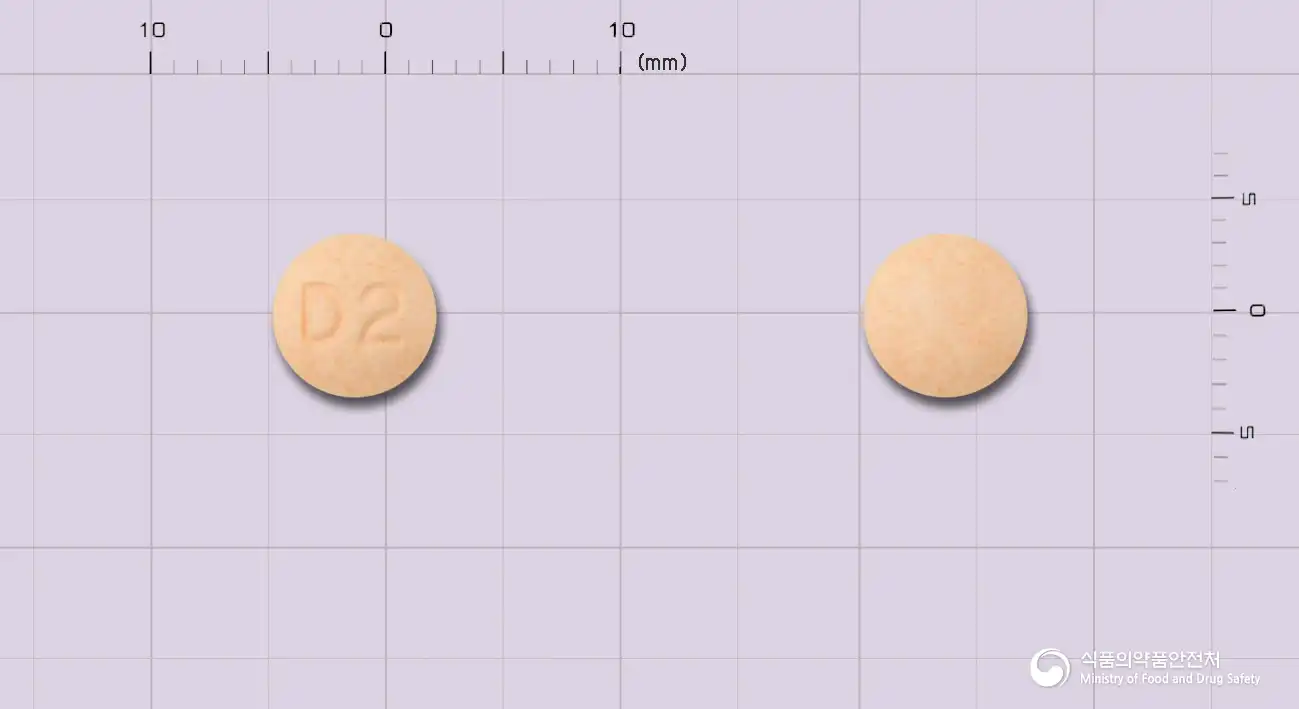
Hydromorphone Hydrochloride 2mg
Tablet · Prescription medication
Hana Pharmaceutical Co., Ltd.
Hydromorphone Hydrochloride
Prescription medication
Hana Pharmaceutical Co., Ltd.
Hydromorphone Hydrochloride 1mg
Solution · Prescription medication
Hana Pharmaceutical Co., Ltd.
Hydromorphone Hydrochloride 2mg
Solution · Prescription medication
Hana Pharmaceutical Co., Ltd.
Hydromorphone Hydrochloride
Prescription medication
Hana Pharmaceutical Co., Ltd.
Hydromorphone Hydrochloride
Prescription medication
Hana Pharmaceutical Co., Ltd.
Hydromorphone Hydrochloride
Prescription medication
Korea Janssen Co., Ltd.
Even with the same ingredient, the dose and directions can differ by strength and dosage form. Talk to a doctor or pharmacist before switching from a medication you are already taking.
No questions yet.
For anything that needs medical judgment, consult a doctor or pharmacist.
This drug information is based on data provided by the Korea Ministry of Food and Drug Safety.
Consult a doctor or pharmacist for accurate dosage, administration, and usage instructions.