
 한국어
 English
 日本語
 中文(简体)
 Viewing now
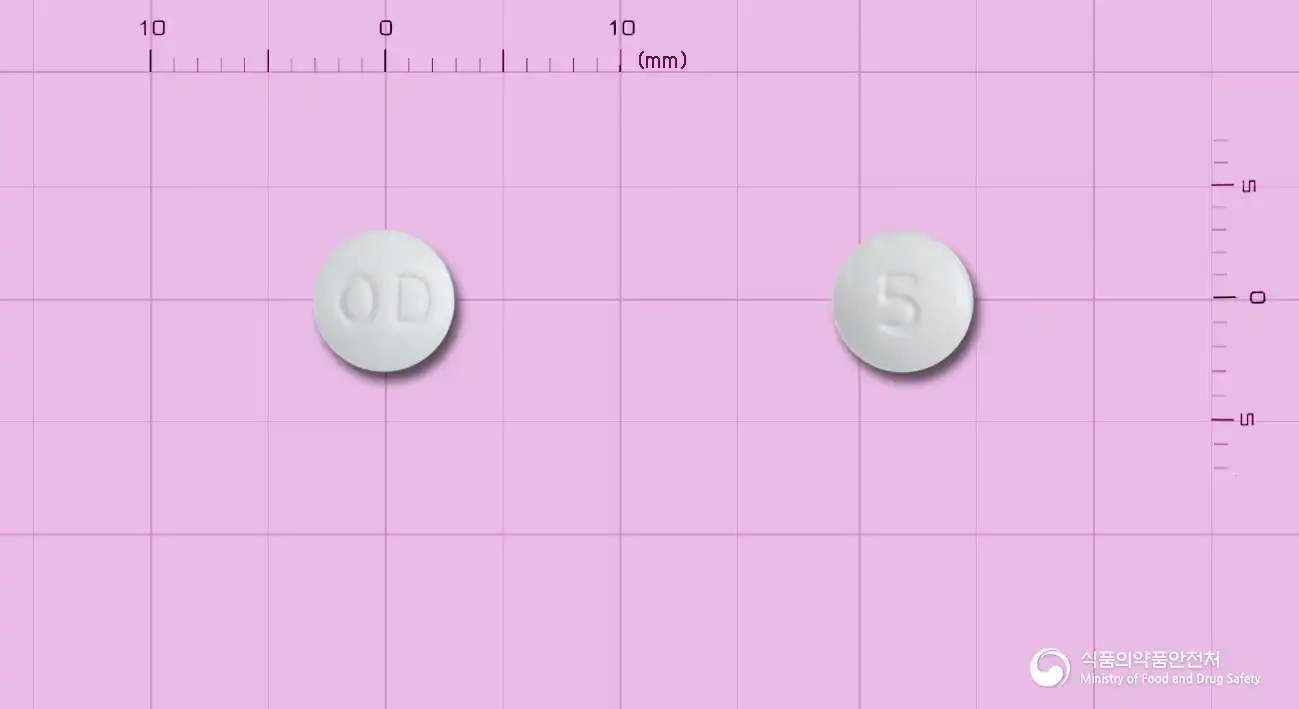
Oxycodone Hydrochloride 5 mg Tablets (Oxycodone Hydrochloride)
Oxycodone Hydrochloride 5mg
Tablet · Prescription medication
Hana Pharmaceutical Co., Ltd.
MFDS item code 200210687 · Approved 2002.10.29 · Insurance code 657801500
Relief of moderate to severe pain requiring opioid analgesics
This medication is used for the relief of moderate to severe pain. It is particularly effective in managing severe pain such as postoperative pain and cancer-related pain. Opioid analgesics help block pain signals, allowing patients to maintain a more comfortable daily life. When used at appropriate doses, this medication can greatly assist in pain management and improve the quality of life for patients. This drug plays a crucial role in pain control and is used to relieve moderate to severe pain.
This product is for adults aged 18 years and older. When used in patients with chronic pain, rather than administering it only when pain occurs, administer the lowest dose that prevents recurrence of pain and provides adequate analgesia at regular intervals (4~6 hours). Generally, initiate treatment with oxycodone hydrochloride hydrate 5 mg every 4~6 hours, and adjust the dose according to the individual patient's response to the initial dose and the severity of adverse reactions. 10 mg of this product is equivalent to 20 mg of oral morphine. Generally, while carefully monitoring for signs and symptoms of withdrawal, reduce the therapeutic dose by 25~50 % of the daily dose.
Do not administer to children or adolescents under 18 years of age.
This drug is an opioid analgesic that acts on the central nervous system, and using it with other CNS depressants or alcohol can lead to severe drowsiness, respiratory depression, coma, and even death. Therefore, when combined with such drugs, it should only be used at the minimum dose and for the shortest time necessary, with close monitoring of the patient's condition. Patients who are allergic to this drug or have severe respiratory issues, asthma attacks, paralytic ileus, heart failure, seizure disorders, acute alcohol intoxication, hemorrhagic colitis, increased intracranial pressure, severe liver or kidney disease, chronic constipation, certain genetic metabolic disorders, pregnant or breastfeeding women, children under 18 years old, or patients with acute abdominal conditions should not use this medicine. Caution is advised for patients with heart disease, hypotension, shock, liver or kidney dysfunction, hypothyroidism, adrenal insufficiency, a history of seizures, pancreatitis, gallbladder disease, severe inflammatory bowel disease, toxic psychosis, delirium tremens, and postoperative patients; especially elderly or frail patients should start at low doses and be administered carefully. Long-term use of this drug may lead to drug dependence or tolerance, and misuse can lead to serious side effects or death, so caution is needed. Drowsiness or dizziness may occur during administration, so driving or operation of hazardous machinery should be avoided, and care should be taken to prevent and treat constipation, which commonly occurs. This drug should not be administered to pregnant or breastfeeding women due to the risk of respiratory depression in newborns, and the safety and efficacy in children have not been established. In case of overdose, symptoms like respiratory depression, loss of consciousness, hypotension, and heart issues may occur, necessitating immediate emergency intervention, including the potential administration of opioid antagonists and respiratory support. Additionally, this drug may interact with several medications, so it is crucial to consult medical professionals if other medications are being taken. When taking this medication, it is essential to understand the dosage instructions, precautions, and storage methods accurately and to return it to a medical institution safely when no longer needed.
Yawning, sneezing, tearing, sweating, nausea, vomiting, diarrhea, abdominal pain, pupil dilation, headache, insomnia, anxiety, hallucination, convulsion, tremor, pain in the muscles and joints throughout the body, shortness of breath, palpitations, dyspnea, slow breathing, irregular breathing, apnea, head injury, hypotension, shock, confusion, decreased circulatory function, myocardial infarction, atelectasis, bronchospasm, laryngeal edema, paralytic ileus, toxic megacolon, anaphylactic reaction, nausea, constipation, vomiting, headache, itching, insomnia, dizziness, fatigue, drowsiness, rash, urticaria, itching, allergic reaction, phototoxic reaction, deep venous thrombosis, heart failure, bleeding, migraine, palpitations, tachycardia, arrhythmia, blood pressure fluctuations, hypotension, orthostatic hypotension, syncope, agitation, anxiety, mood changes, restlessness, dry mouth, excessive tension, sensory abnormalities, neuro-excitability, neuralgia, personality disorder, tremor, vasodilation, strange dreams, nightmares, numbness, heaviness in the head, drowsiness, insomnia, dizziness, hallucination, consciousness disturbance, muscle contraction, headache, visual disturbances, mydriasis, convulsion, tremor, memory loss, abnormal euphoria, hypersensitivity to pain, loss of appetite, diarrhea, dyspepsia, dysphagia, gingivitis, glossitis, nausea, vomiting, thirst, gastric discomfort, abdominal pain, abdominal distension, taste disorders, belching, hiccups, gastritis, constipation, nausea, vomiting, edema, peripheral edema, back pain, chills, fever, influenza-like syndrome, infection, neck pain, sepsis, anemia, iron deficiency anemia, leukopenia, arthralgia, arthritis, bone pain, myalgia, pathological fracture, bronchitis, increased coughing, dyspnea, epistaxis, laryngospasm, lung abnormalities, pharyngitis, rhinitis, sinusitis, central sleep apnea syndrome, herpes zoster, exfoliative dermatitis, dry skin, urinary tract infection, urination disorders, urine retention, dehydration, decreased libido, erectile dysfunction, amblyopia, fatigue, lethargy, chest tightness, amenorrhea, gout, hyperglycemia, respiratory depression, unconsciousness, coma, skeletal muscle relaxation, cool skin, mydriasis, bradycardia, hypotension, apnea, circulatory collapse, cardiac arrest
Not everyone experiences these, and they can vary from person to person.
This medication is sensitive to light and should be stored in a tightly sealed container that blocks light. Additionally, it is important to keep it at room temperature between 1 and 30 degrees Celsius to maintain its effectiveness.
White round tablets
100 tablets (10 tablets/PTP X 10)
Even with the same ingredient, strength, dosage form and how it is taken can differ.
Viewing nowOxycodone Hydrochloride 5mg
Tablet · Prescription medication
Hana Pharmaceutical Co., Ltd.
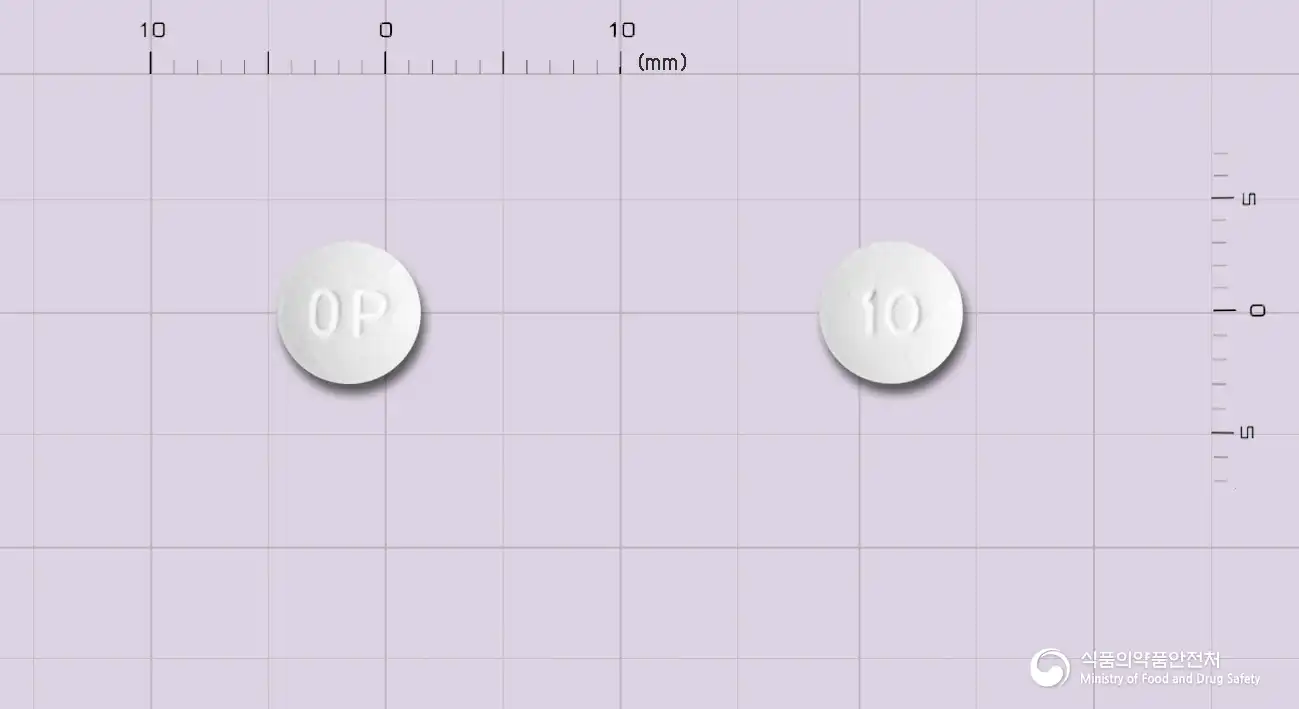
Oxycodone Hydrochloride 10mg
Tablet · Prescription medication
Hanmi Mundipharma Co., Ltd.
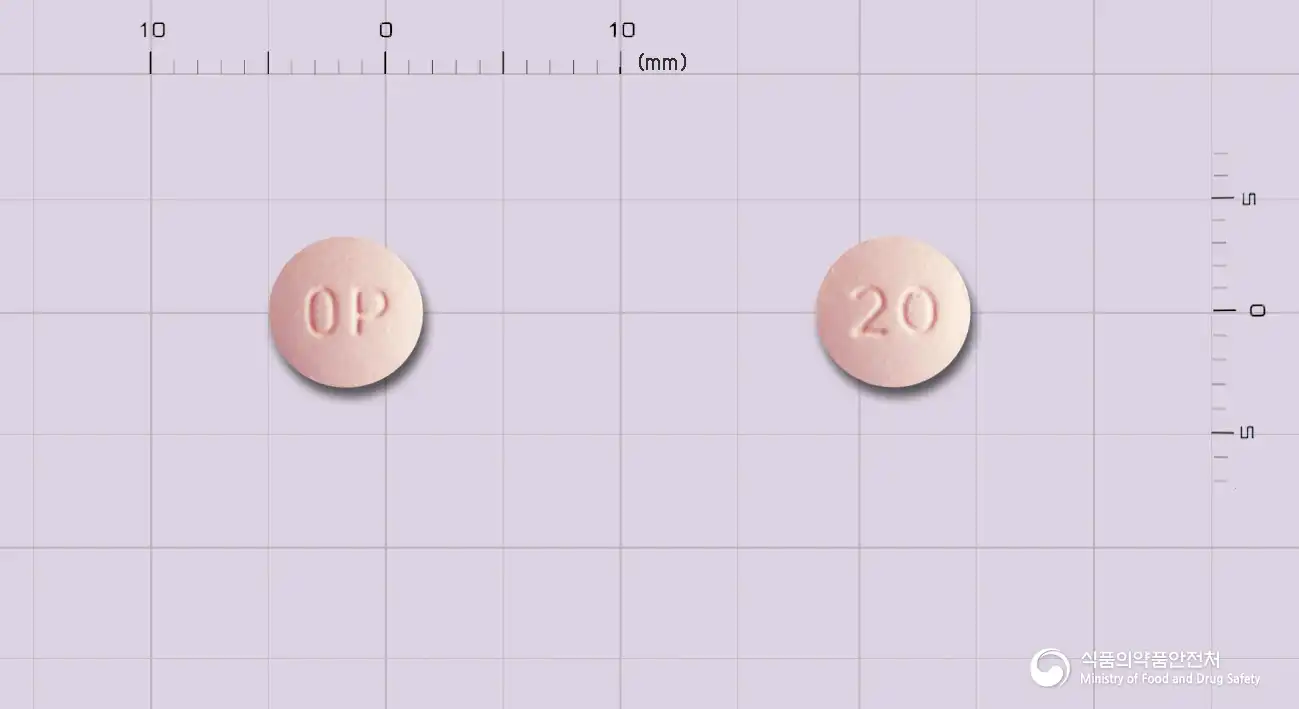
Oxycodone Hydrochloride 20mg
Tablet · Prescription medication
Korea Mundi Pharma Co., Ltd.
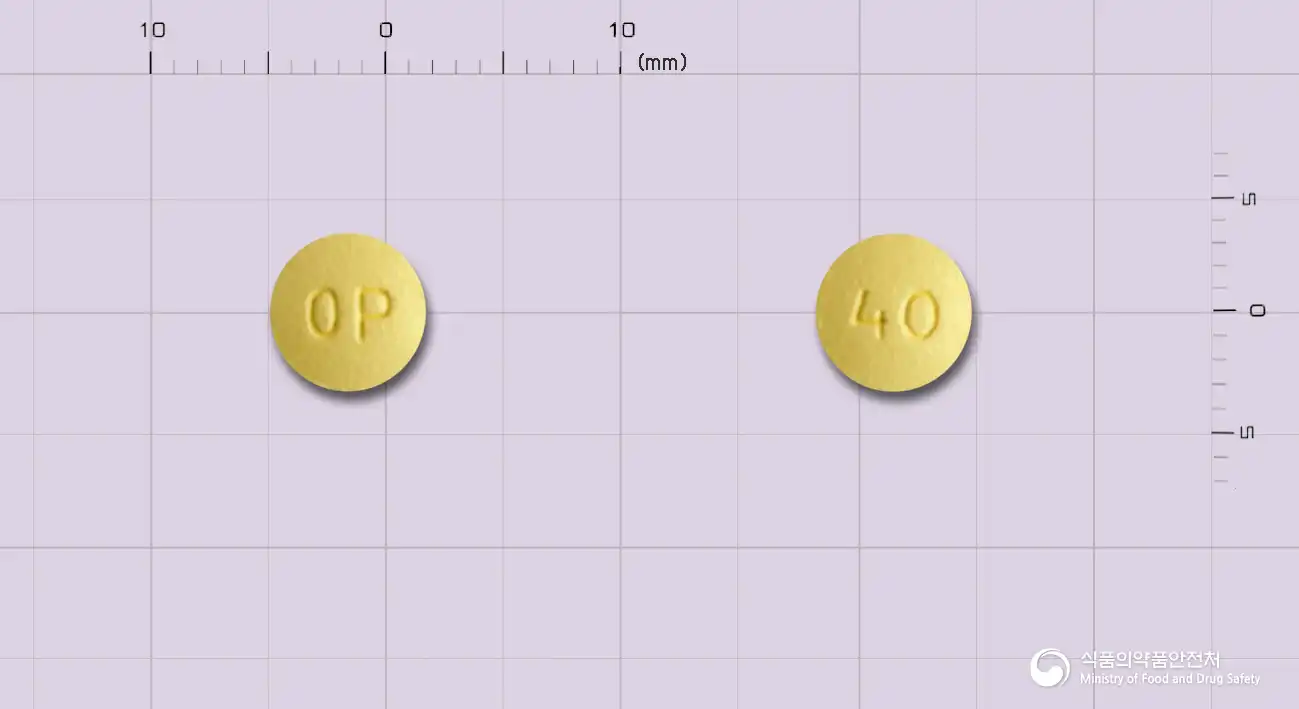
Oxycodone Hydrochloride 40mg
Tablet · Prescription medication
Korea Mundipharma Co., Ltd.
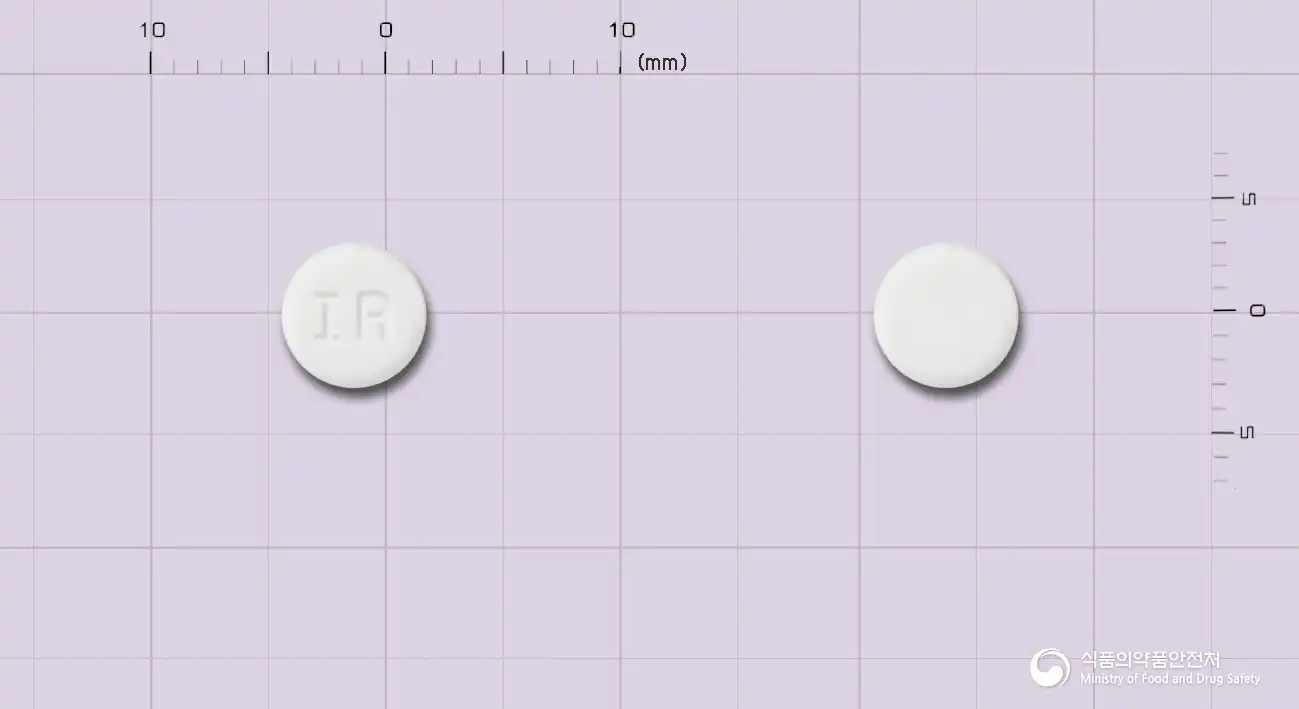
Oxycodone Hydrochloride 5mg
Tablet · Prescription medication
Unimed Pharmaceuticals Co., Ltd.
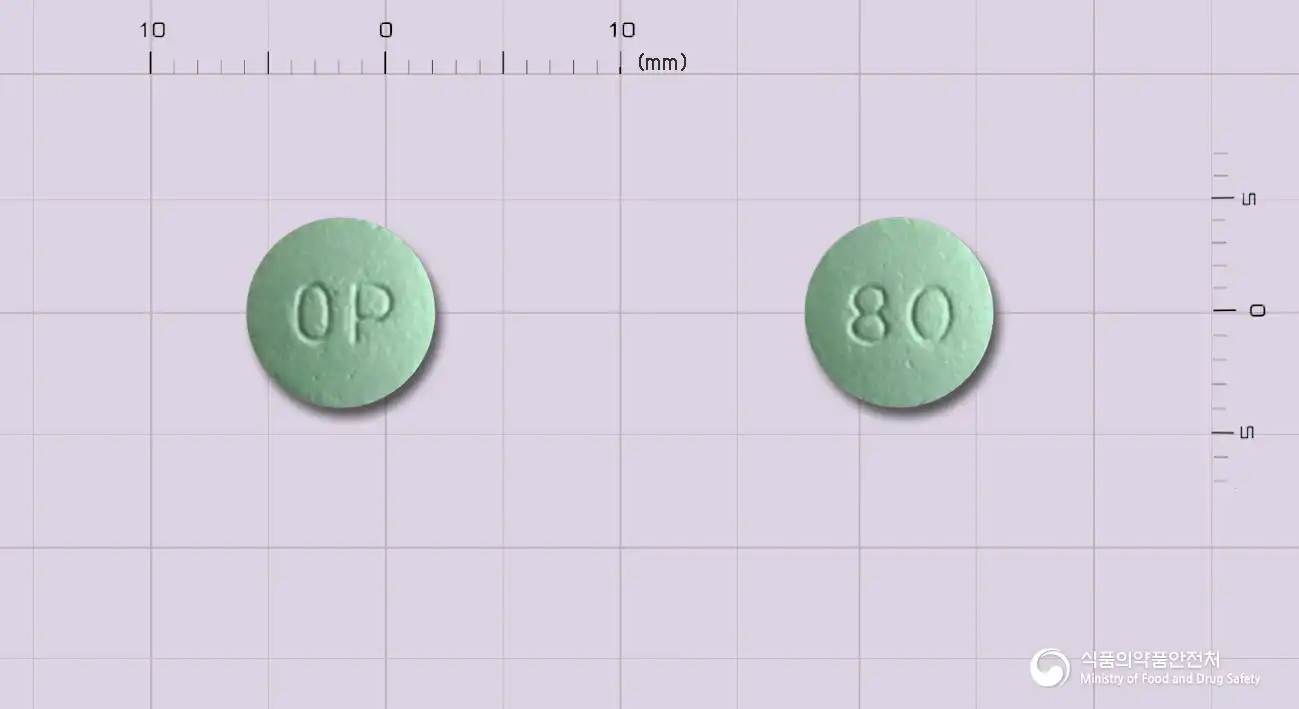
Oxycodone Hydrochloride 80mg
Tablet · Prescription medication
Korea Mundi Pharma Co., Ltd.
Oxycodone Hydrochloride 10mg
Solution · Prescription medication
Korea Mundipharma Co., Ltd.
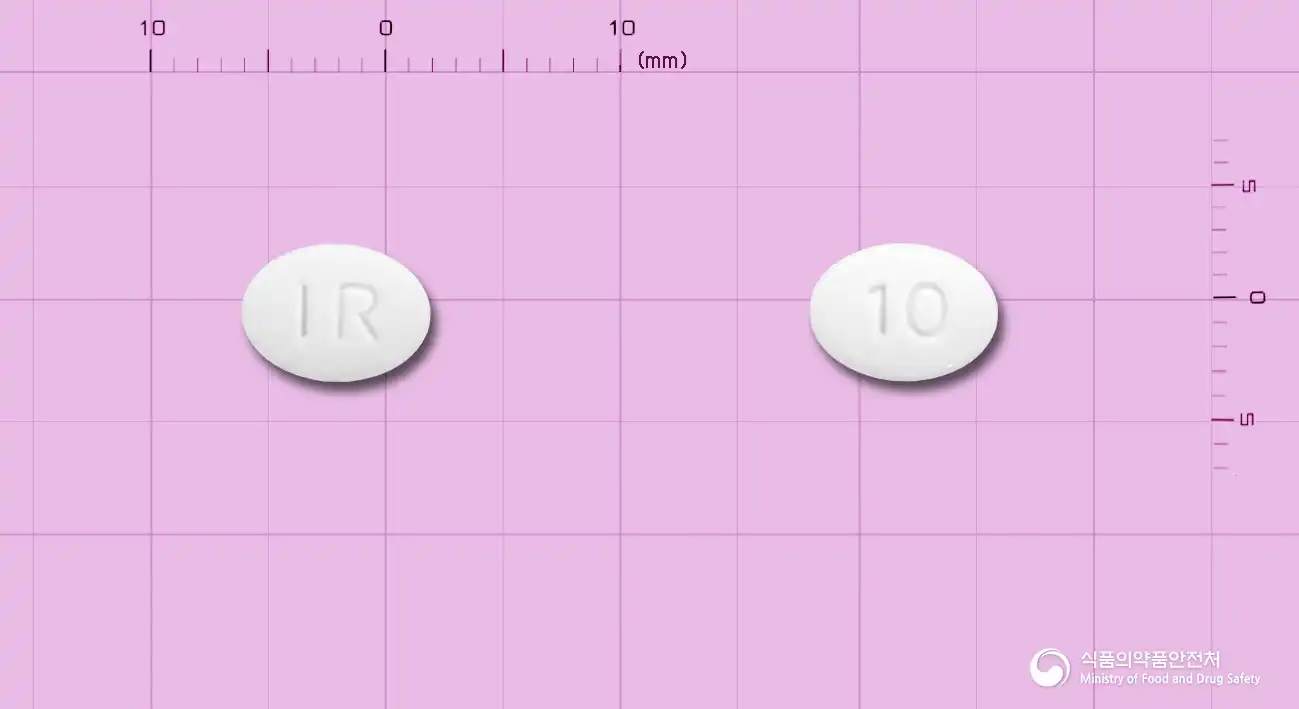
Oxycodone Hydrochloride 10mg
Tablet · Prescription medication
UNIMED PHARMACEUTICAL Co., Ltd.
Even with the same ingredient, the dose and directions can differ by strength and dosage form. Talk to a doctor or pharmacist before switching from a medication you are already taking.
No questions yet.
For anything that needs medical judgment, consult a doctor or pharmacist.
This drug information is based on data provided by the Korea Ministry of Food and Drug Safety.
Consult a doctor or pharmacist for accurate dosage, administration, and usage instructions.