
 한국어
 English
 日本語
 中文(简体)
 Viewing now
Depakote Extended Release 500 mg (Divalproex Sodium)
Divalproex Sodium 538.1mg
Tablet · Prescription medication
Abbott Korea, Co., Ltd.
MFDS item code 200209716 · Approved 2002.02.28 · Insurance code 644200090
Treatment of seizures (complex partial, absence, etc.) and mania; prevention of migraine
This medication is primarily used to treat various types of seizures in children aged 10 years and older and adults. It is particularly effective as monotherapy or adjunct therapy for complex partial seizures and simple or mixed absence seizures. Additionally, it can be used as adjunct therapy for multiple types of seizures. In adult patients, it helps prevent migraines but is not used for the acute treatment of migraines. Furthermore, this drug is used to treat acute mania associated with bipolar disorder, which may also apply in cases with psychotic features. However, during long-term use for mania, the patient's condition should be regularly assessed. It is effectively used for treating a variety of neurological disorders.
This medication is a once-daily dosage form. Do not crush or chew it; swallow the tablet whole. 1. Treatment of seizures 1) Complex partial seizures (1) Monotherapy (initial therapy) This medication has not been systematically studied as initial therapy. The likelihood of thrombocytopenia increases significantly when the total trough valproate blood concentration is 110㎍/mL or higher in women or 135㎍/mL or higher in men. The benefits of seizure control at higher doses should be weighed against the possibility of an increased incidence of adverse reactions. (2) Conversion to monotherapy Begin treatment according to the same daily dose and dosing schedule as for the monotherapy described above. The doses of other concomitant antiepileptic drugs are usually reduced by approximately 25% every 2 weeks. Because seizures may occur either concurrently with conversion to this medication or as a result of dose reduction, begin reducing the doses 1~2 weeks after starting this medication. The rate and duration of discontinuation of concomitant antiepileptic drugs may vary; therefore, carefully monitor the patient for an increase in seizure frequency during this period. (3) Adjunctive therapy This medication may be added to existing therapy according to the same daily dose and dosing schedule as for the monotherapy described above. In adjunctive therapy trials in patients with complex partial seizures receiving carbamazepine or phenytoin in addition to divalproex sodium delayed-release tablets, dose adjustment of carbamazepine or phenytoin was not necessary. Since valproate can interact with these two drugs, other drugs, and other concomitantly administered antiepileptic drugs, periodic measurement of the blood concentrations of concomitant antiepileptic drugs is recommended at the start of treatment. 2) Simple and complex absence seizures No significant correlation has been established between daily dose and blood concentration or therapeutic effect; however, the therapeutic blood concentration of valproate is 50~100㎍/mL in most patients. Some patients, however, achieve seizure control at lower or higher blood concentrations. As the dose of this medication is increased, it may affect the blood concentrations of phenobarbital and phenytoin. In patients receiving antiepileptic drugs to prevent major seizures, antiepileptic drugs should not be discontinued suddenly because this may lead to hypoxia and life-threatening status epilepticus. 3) Conversion from divalproex sodium delayed-release tablets to this medication When converting patients aged 10 years and older who previously received divalproex sodium delayed-release tablets for seizure treatment to this medication, administer this medication once daily at a dose 8~20% higher than the previous total daily dose of divalproex sodium delayed-release tablets (see table below). For patients who cannot be directly converted from their total daily dose of divalproex sodium delayed-release tablets, the physician may consider increasing the total daily dose of divalproex sodium delayed-release tablets to the next higher dose before converting to an appropriate total daily dose of this medication. There are insufficient data on dose conversion for patients receiving 3125mg or more of divalproex sodium delayed-release tablets per day. <Dose conversion> Total daily dose of divalproex sodium delayed-release tablets (mg) / Dose of this medication (mg) 500*-625 / 750 750*-875 / 1000 1000*-1125 / 1250 1250-1375 / 1500 1500-1625 / 1750 1750 / 2000 1875-2000 / 2250 2125-2250 / 2500 2375 / 2750 2500-2750 / 3000 2875 / 3250 3000-3125 / 3500 *: Patients receiving these total daily doses of divalproex sodium delayed-release tablets cannot be directly converted to this medication at a total daily dose 8-20% higher because this medication is not available in the required strengths. Before converting to an appropriate total daily dose of this medication, the physician may consider increasing the total daily dose of divalproex sodium delayed-release tablets to the next higher dose. The mean minimum blood valproate concentration (Cmin) with this medication is equivalent to that with divalproex sodium delayed-release tablets, but may vary among patients after conversion. If a satisfactory clinical response is not achieved, measure the blood concentration to determine whether it is within the generally accepted therapeutic blood concentration range (50-100㎍/mL). 2. Prevention of migraine The usual starting dose is 500mg once daily for 1 week, followed by an increase to 1000mg once daily. Doses other than 1000mg once daily of this medication have not been studied in patients with migraine; however, the effective dose range for divalproex sodium delayed-release tablets is 500mg~1000mg per day. As with other valproate formulations, dose adjustment may be necessary in some patients. If precise dose adjustment is required, use divalproex sodium delayed-release tablets. 3. Treatment of mania Increase the dose as rapidly as possible to the lowest therapeutic dose that achieves the desired clinical effect or blood concentration range. In placebo-controlled clinical trials in patients with acute mania or mixed episodes, a clinical response was observed at blood concentrations of 85~125㎍/mL. Information for use 1) Dosage in elderly patients The starting dose should be reduced because unbound valproate clearance may be decreased and sensitivity to somnolence may be increased in elderly patients. If the starting dose in an elderly patient is less than 250mg, administer divalproex sodium delayed-release tablets and increase the dose gradually while regularly monitoring fluid and nutritional intake, dehydration, somnolence, and other adverse reactions. In elderly patients with reduced fluid or food intake and excessive somnolence, consider reducing the dose or discontinuing the medication. The ultimate therapeutic dose should be based on tolerability and clinical response. 2) Dose-related adverse reactions The incidence of adverse reactions (particularly increased liver enzyme levels and thrombocytopenia) may be dose-related. The likelihood of thrombocytopenia appears to increase significantly when the total valproate blood concentration is 110㎍/mL or higher in women or 135㎍/mL or higher in men. The therapeutic benefits of higher doses should be evaluated against the possibility of a higher incidence of adverse reactions. 3) Gastrointestinal irritation For patients who experience gastrointestinal irritation, it is preferable to take the medication with food or to start with a low dose of divalproex sodium delayed-release tablets. 4) Adherence Instruct patients to take this medication once daily as prescribed. If a dose is missed, take it as soon as possible unless it is almost time for the next dose. If a dose is missed, do not take a double dose at the next scheduled dose.
May be administered to children 10 years of age and older and adults. Monotherapy for complex partial seizures (initial therapy): The initial dose is 10~15mg/kg of body weight per day, increased by 5~10mg/kg of body weight per week until the optimal clinical response is achieved. The optimal clinical response is generally achieved at doses of 60mg/kg of body weight per day or less. If a satisfactory clinical response is not achieved, measure the blood concentration to determine whether it is within the generally accepted therapeutic range (50~100㎍/mL). The safety of doses of valproic acid exceeding 60mg/kg of body weight per day has not been established; therefore, such doses are not recommended. Simple and complex absence seizures: The initial dose is 15mg/kg of body weight per day, increased by 5~10mg/kg of body weight per day at 1-week intervals until seizures are controlled or adverse effects occur that prevent further dose increases. The maximum recommended dose is 60mg/kg of body weight per day. Treatment of mania: The recommended initial dose is 25mg/kg of body weight per day, administered as a single dose. The maximum recommended dose is 60mg/kg per day.
This drug should not be given to pregnant women except in special cases. In particular, women of childbearing potential must strictly adhere to a pregnancy prevention program before taking this drug. The effectiveness of this drug may be reduced when taken with hormonal contraceptives containing estrogen; therefore, physicians should closely monitor the patient's condition at the start and end of use. Patients taking this drug should be carefully monitored for suicidal urges or behaviors, depressive symptoms, and should consult healthcare providers immediately if abnormal behaviors appear. Patients with liver function problems or at high risk for hepatotoxicity, especially children under 3 years old, must use this drug alone and undergo regular liver function tests. As there is a risk of pancreatitis, patients should inform healthcare providers immediately if symptoms of abdominal pain, nausea, vomiting, or loss of appetite appear, and discontinue the drug if pancreatitis is diagnosed. Patients with urea cycle disorders must be evaluated prior to taking this drug, and if symptoms of hyperammonemia appear, they should seek treatment immediately. Elderly patients should be cautious of side effects such as drowsiness and dehydration while taking this drug, and dose adjustments may be necessary. Thrombocytopenia may occur, so regular blood tests should be conducted, and any bleeding symptoms should be reported to healthcare providers immediately. Co-administration with carbapenem antibiotics is not recommended, and patients at risk for hypocarniitinemia should consider carnitine supplementation if symptoms arise during drug therapy. Males of reproductive potential should avoid sperm donation during and for 3 months after taking this drug, and consult with their physician when planning a pregnancy. This drug is used for epilepsy, mania, and migraine prevention, and regular liver function tests and blood tests are needed during treatment. While taking this medication, side effects such as drowsiness, dizziness, nausea, vomiting, weight changes, hair loss, and tremors may occur, so caution is advised. Women of childbearing potential should undergo a pregnancy test before taking this drug, use effective contraception, and consult their physician immediately if they become pregnant. Sudden discontinuation of this medication may worsen seizures, so the dosage should be reduced slowly according to the physician's instructions. Due to central nervous system depressant effects, drowsiness may occur, so patients should avoid driving or operating hazardous machinery during the initial phase of treatment. It is important to consult healthcare providers immediately if any unusual symptoms or side effects are suspected.
Headache, weakness, fever, nausea, vomiting, abdominal pain, diarrhea, loss of appetite, dyspepsia, constipation, drowsiness, tremor, dizziness, double vision, amblyopia/visual disturbance, ataxia, nystagmus, emotional instability, abnormal thoughts, forgetfulness, influenza-like syndrome, infection, bronchitis, rhinitis, alopecia, weight loss, thrombocytopenia, petechiae, weight gain, peripheral edema, insomnia, neurosis, depression, pharyngitis, dyspnea, tinnitus, low back pain, chest pain, fatigue, tachycardia, hypertension, palpitations, hyperphagia, abdominal distension, hematemesis, belching, pancreatitis, periodontal abscess, petechial hemorrhage, increased SGOT, increased SGPT, myalgia, single contraction, arthralgia, leg cramps, myasthenia, anxiety, confusion, speech disorder, abnormal gait, sensory disturbances, tension and excessive, coordination inability, abnormal dreams, personality disorders, sinusitis, increased cough, pneumonia, epistaxis, rash, pruritus, dry skin, taste disturbance, visual disturbance, ear abnormalities, deafness, otitis media, urinary incontinence, vaginitis, menstrual irregularities, amenorrhea, frequent urination, pain, accidental injury, fungal infection, hypotension, dry mouth, stomatitis, conjunctivitis, urinary tract infection, uterine bleeding, discoid lupus erythematosus, dry skin, furunculosis, papular rash, seborrhea, sweating, hair loss, primary carnitine deficiency, weakness, osteoporosis, osteopenia, prolonged bleeding time, bruising, hematoma formation, epistaxis, true hemorrhage, relative lymphocytosis, macrocytic anemia, hypofibrinogenemia, leukopenia, eosinophilia, folate deficiency, macrocytic anemia, bone marrow suppression, pancytopenia, aplastic anemia, agranulocytosis, acute intermittent porphyria, transaminase elevation, increased bilirubin concentration, irregular menstruation, secondary amenorrhea, cardiomegaly, galactorrhea, parotid gland swelling, hirsutism, feminization of females, acne, male-pattern baldness, androgen excess, polycystic ovarian disease, hyperammonemia, hyponatremia, inappropriate secretion of antidiuretic hormone, Fanconi syndrome, hyperglycinemia, insulin resistance, dyslipidemia, hypoketotic hypoglycemia, nocturnal enuresis, renal failure, renal interstitial nephritis, azoospermia, abnormal semen, reduced sperm count, abnormal sperm morphology, reduced sperm motility, reversible hearing loss, ear pain, allergic reaction, anaphylaxis, limb edema, lupus erythematosus, rhabdomyolysis, biotin deficiency, bone pain, increased cough, pneumonia, otitis media, bradycardia, cutaneous vasculitis, fever, hypothermia, multi-organ hypersensitivity, DRESS syndrome, lymphadenopathy, hepatitis, hematological abnormality, pruritus, nephritis, decreased urine output, liver-kidney syndrome, arthralgia, low back pain, chills, intermittent fever, cyst, neck pain, neck rigidity, arrhythmia, orthostatic hypotension, vasodilation, dysphagia, fecal incontinence, gastroenteritis, glossitis, gum bleeding, oral ulcer, anemia, increased bleeding time, bruising, thrombocytopenia, hypoproteinemia, weight loss, anxiety, amnesia, depression, stuttering, emotional instability, hallucination, decreased motor function, coordination disorders, psychosis, sleep disorders, tremor disorders, apnea, hiccups, discoid lupus erythematosus, erythema nodosum, papular rash, photophobia, taste disturbance, dysmenorrhea, urinary disorders, urinary incontinence, cystitis, menstrual disorders, suicidal impulse, suicidal behavior, depression, abnormal changes in mood and behavior
Not everyone experiences these, and they can vary from person to person.
This medication should be stored in a tightly closed container to prevent exposure to air or moisture, ideally at room temperature between 1°C and 30°C. Storing it this way helps maintain the medication's effectiveness and prevent degradation.
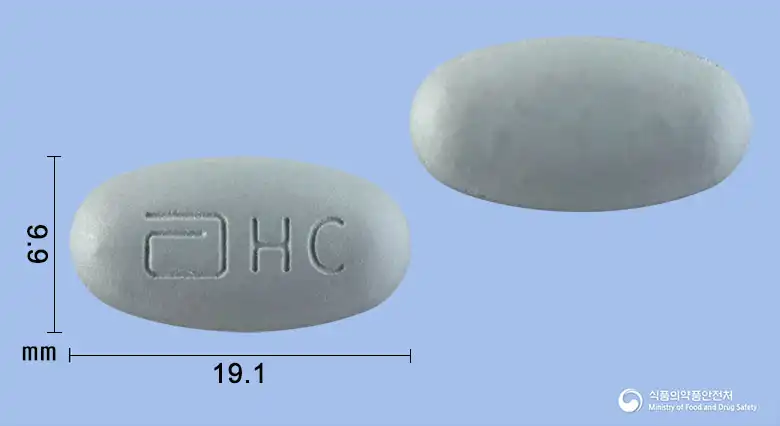
Gray oval-shaped extended-release tablet
30 tablets/bottle, 100 tablets/bottle
Even with the same ingredient, strength, dosage form and how it is taken can differ.
Viewing nowDivalproex Sodium 538.1mg
Tablet · Prescription medication
Abbott Korea, Co., Ltd.
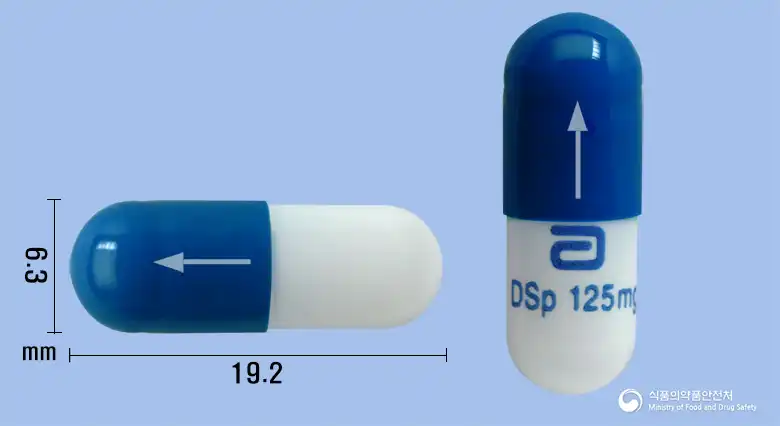
Divalproex Sodium 134.5mg
Hard capsule · Prescription medication
Abbott Korea LLC

Divalproex Sodium 269.1mg
Tablet · Prescription medication
Abbott Korea Co., Ltd.
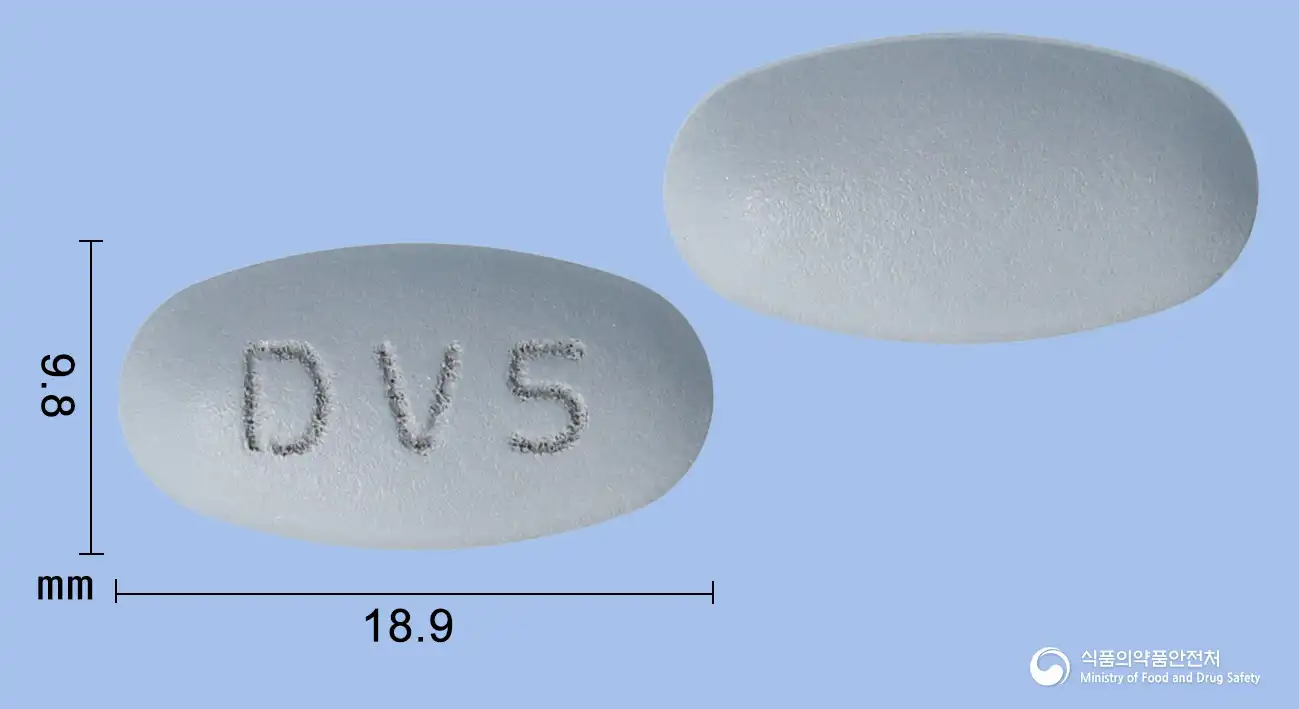
Divalproex Sodium 538.1mg
Tablet · Prescription medication
Korea Pharma Co., Ltd.
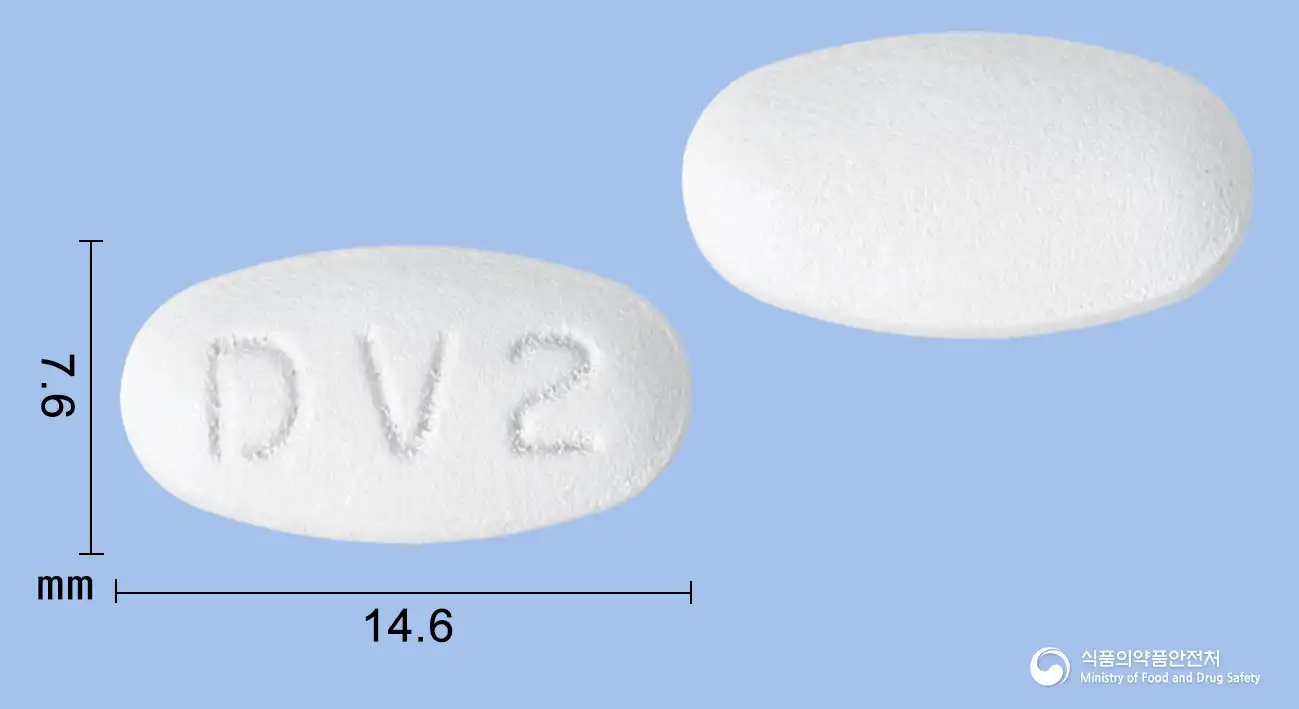
Divalproex Sodium 269.05mg
Tablet · Prescription medication
Korea Pharma Co., Ltd.
Divalproex Sodium 538.12mg
Tablet · Prescription medication
Mirae Bio Pharmaceutical Co., Ltd.
Divalproex Sodium 269.06mg
Tablet · Prescription medication
Mirebiopharma Co., Ltd.
Even with the same ingredient, the dose and directions can differ by strength and dosage form. Talk to a doctor or pharmacist before switching from a medication you are already taking.
No questions yet.
For anything that needs medical judgment, consult a doctor or pharmacist.
This drug information is based on data provided by the Korea Ministry of Food and Drug Safety.
Consult a doctor or pharmacist for accurate dosage, administration, and usage instructions.