
 한국어
한국어 English
 日本語
日本語 中文(简体)
Dosage form image
Viewing nowCombinationOmen Dry Syrup
Amoxicillin Hydrate 36.326g · Dilute Potassium Clavulanate 10.352g
Syrup · Prescription medication · Combination
Unimed Pharmaceutical Co., Ltd.
MFDS item code 200203006 · Notified 2002.02.25 · Insurance code 649501811
(Respiratory infections, urinary tract infections) treatment and (skin infections) improvement
This medication is used to treat infections caused by various types of bacteria. It is effective for respiratory infections such as acute and chronic bronchitis, pneumonia, sinusitis, and tonsillitis. It is also used for urinary tract infections such as cystitis, urethritis, and pyelonephritis, as well as treatments for sexually transmitted diseases like gonorrhea. It helps treat infections in various areas, including skin and soft tissue infections, osteomyelitis, and dental infections. It is suitable for treating a wide range of bacterial infections as it is effective against various beta-lactamase-producing strains. This medication improves complex bacterial infections.
For mild to moderate infections such as recurrent tonsillitis, upper respiratory infections, lower respiratory infections, urinary tract infections, and skin and soft tissue infections, take 25mg/3.6mg per kg of body weight per day in two divided doses. For upper respiratory infections such as otitis media and sinusitis, lower respiratory infections such as bronchopneumonia, and severe urinary tract infections, take 45mg/6.4mg per kg of body weight per day in two divided doses. To minimize potential gastrointestinal intolerance,
Not suitable for children under 7 months, and also not suitable for pediatric patients with renal impairment.
This medication should not be used in patients who are allergic to any components of this medication or have experienced hypersensitivity reactions to beta-lactam antibiotics. In particular, patients with viral infections like infectious mononucleosis or lymphocytic leukemia are at increased risk of rash and should be closely monitored. Patients with liver function issues or those who have experienced liver impairment due to this medication or penicillin-type drugs should also avoid administration. Additionally, this medication contains lactose, so patients with genetic issues such as galactose intolerance or lactase deficiency should not take it. Patients with impaired liver function or moderate to severe renal impairment may have increased drug concentrations; thus, dose adjustments and changes in dosing intervals are necessary. Patients with a history of allergies or those who have difficulty with oral intake, the elderly, and patients in poor general condition should use this medication with caution. Gastrointestinal symptoms such as diarrhea, abdominal pain, and vomiting may occur during medication use, and in severe cases, serious side effects such as pseudomembranous colitis may develop, thus needing immediate discontinuation of the medication and consultation with healthcare providers. Symptoms of liver dysfunction may also rarely appear, so regular liver function tests should be conducted with long-term use. Severe skin reactions, including anaphylaxis, Stevens-Johnson syndrome, or toxic epidermal necrolysis, may occur, and if such symptoms appear, medication should be discontinued immediately. Rare hematological abnormalities such as leukopenia and thrombocytopenia have been reported; therefore, tests are necessary if any unusual symptoms arise. Central nervous system symptoms, although rare, may include anxiety, confusion, or seizures, particularly in patients with poor renal function or those on high doses. This medication may interact with other drugs, so it's important to inform your doctor or pharmacist if you are taking anticoagulants, other antibiotics, or anti-inflammatory medications. Pregnant women or those who may become pregnant should avoid taking this medication, especially during the first three months, and nursing mothers should be cautious as it may affect the baby. It is not advisable to use this medication in premature infants or neonates under 2 months, as safety has not been established. Elderly patients should use this medication carefully due to the increased risk of side effects from declining renal and liver function, with careful dose and interval adjustments required. The medication should be shaken well before use, kept refrigerated after preparation, and used within 7 days. In cases of overdose, gastrointestinal symptoms, renal failure, seizures, allergic reactions, etc., may occur; immediate medical attention is necessary. It is important to administer this medication for the minimum duration necessary to prevent the development of resistant bacteria. If any unusual symptoms such as diarrhea, rash, or respiratory distress occur during or following treatment, discontinue use immediately and consult with medical staff.
Hives, severe swelling, chest tightness, breathing difficulties, cold sweat, pallor, anaphylaxis, mucous membrane syndrome, shock, severe skin reactions, angioedema, high fever with severe rash, blistering, skin peeling, pain in mucous membranes of the mouth/eyes, respiratory distress, asthma attacks, respiratory abnormalities accompanied by cough and fever, jaundice of the skin or eyes, generalized fatigue, sudden and severe headache, thunderclap headache, seizures, confusion of consciousness, visual
Diarrhea, pseudomembranous colitis, dyspepsia, stomatitis, gastritis, glossitis, nausea, vomiting, loss of appetite, abdominal pain, abdominal distension, constipation, colonic pain, hyperacidity, loose stools, dry mouth, variations in liver function tests, elevation of AST, elevation of ALT, elevation of ALP, elevation of LDH, elevation of serum bilirubin, itching, erythema multiforme, mucous membrane syndrome, toxic epidermal necrolysis, vesicular dermatitis, acute generalized exanthematous pustulosis, angioedema, blood
Not everyone experiences these, and they can vary from person to person.
This medication may be sensitive to air or humidity, so it should be stored in a tightly closed container. It is also advisable to keep it in a cool, dry place below 25 degrees Celsius. This way, the medication’s efficacy can be maintained over time.
A white or pale yellow powder that is dissolved before use as a syrup.
50mL (5.5057g) / bottle, 500mL (55.0570g) / bottle
Even with the same ingredient, strength, dosage form and how it is taken can differ.
Amoxicillin Hydrate 36.326g · Dilute Potassium Clavulanate 10.352g
Syrup · Prescription medication · Combination
Unimed Pharmaceutical Co., Ltd.
 Combination
Amoxicillin Hydrate 500mg · Dilute Potassium Clavulanate 215.52mg
Tablet · Prescription medication · Combination
Geonil Pharmaceutical Co., Ltd.
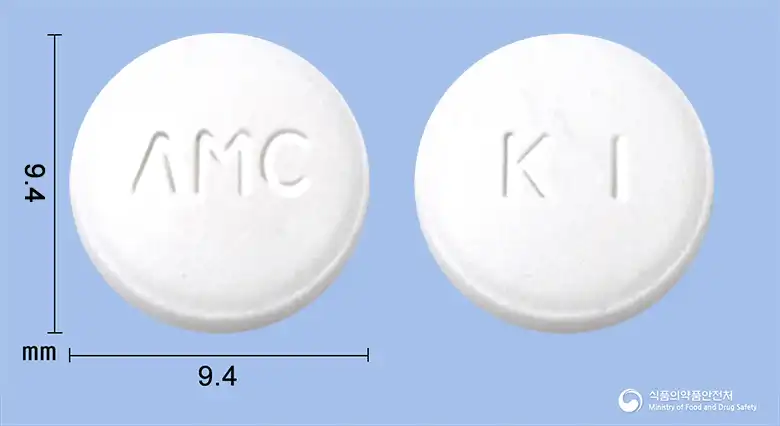 Combination
Amoxicillin Hydrate 125mg · Dilute Potassium Clavulanate 107.76mg
Tablet · Prescription medication · Combination
Geonil Pharmaceutical Co., Ltd.
 Combination
Amoxicillin Hydrate 250mg · Dilute Potassium Clavulanate 212.73mg
Tablet · Prescription medication · Combination
International Pharmaceutical Co., Ltd.
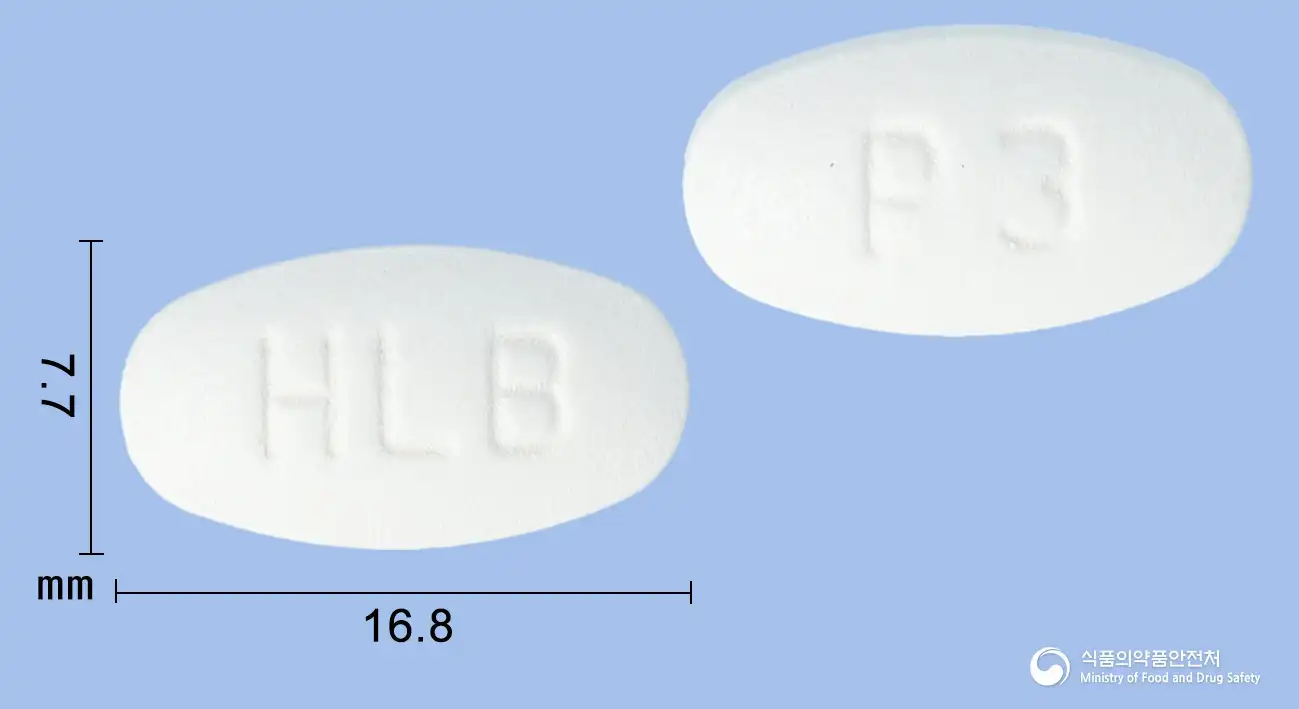 Combination
Amoxicillin Hydrate 250mg · Dilute Potassium Clavulanate 215.52mg
Tablet · Prescription medication · Combination
HLB Pharmaceutical Co., Ltd.
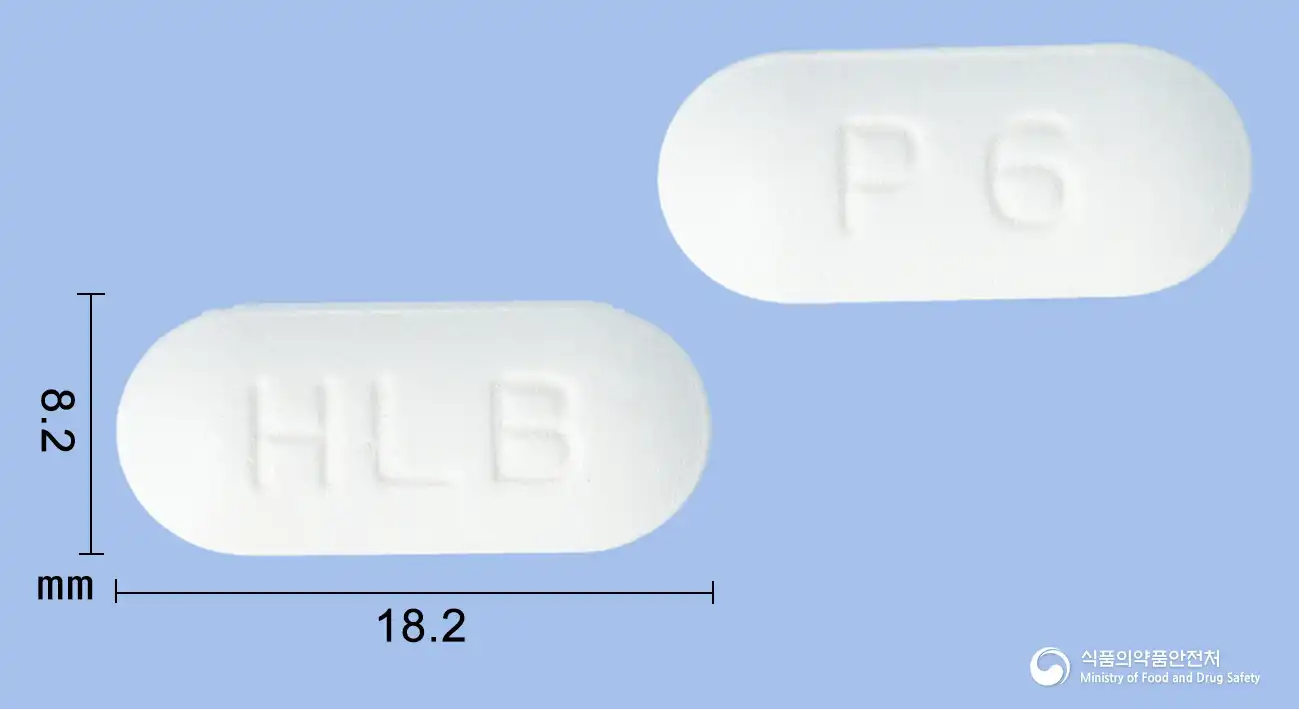 Combination
Amoxicillin Hydrate 500mg · Dilute Potassium Clavulanate 215.52mg
Tablet · Prescription medication · Combination
HLB Pharmaceuticals Co., Ltd.
 Combination
Amoxicillin Hydrate 250mg · Dilute Potassium Clavulanate 215.52mg
Tablet · Prescription medication · Combination
Dong Sung Pharmaceutical Co., Ltd.
 Combination
Amoxicillin Hydrate 250mg · Dilute Potassium Clavulanate 212.73mg
Tablet · Prescription medication · Combination
Youngjin Pharmaceutical Co., Ltd.
Even with the same ingredient, the dose and directions can differ by strength and dosage form. Talk to a doctor or pharmacist before switching from a medication you are already taking.
No questions yet.
For anything that needs medical judgment, consult a doctor or pharmacist.
This drug information is based on data provided by the Korea Ministry of Food and Drug Safety.
Consult a doctor or pharmacist for accurate dosage, administration, and usage instructions.