
 한국어
 English
 日本語
 中文(简体)
Dosage form image
Viewing nowPRD Suspension Syrup 0.3% (Prednisolone)
Prednisolone 300mg
Syrup · Prescription medication
Hanlim Pharmaceutical Co., Ltd.
MFDS item code 200202869 · Notified 2002.05.21
This product's status changed to Approval withdrawn on 2024.10.17. It may no longer be sold, so consult a doctor or pharmacist before taking it.
Treatment of immune and inflammatory diseases (such as allergies), endocrine and hematologic disorders, tumors, and edema
This medication is used for a variety of diseases. In the endocrine system, it is utilized for adrenal cortex insufficiency and thyroid-related disorders, and is effective in rheumatic disorders such as rheumatoid arthritis and ankylosing spondylitis. It is also employed in the treatment of systemic lupus erythematosus and dermatomyositis, as well as severe skin diseases such as pemphigus and psoriasis. For allergic conditions, it is used in severe asthma, atopy, and allergic rhinitis, and also helps in the treatment of inflammatory and allergic conditions in ophthalmic diseases. Additionally, it is applicable for inflammatory bowel diseases, respiratory infectious diseases, autoimmune blood disorders, and some neoplastic diseases. Furthermore, it is widely used in various fields including acute exacerbation of neurological disorders and alleviating nephrotic syndrome.
The usual adult dose is 5~60mg of prednisolone daily, administered orally in 1~4 divided doses. The dose may be adjusted as appropriate according to age and symptoms.
This medication has an immunosuppressive effect and should not be used in patients with infections or systemic fungal infections. Additionally, it should not be administered to patients with hypersensitivity to this medication or its components, or those with a history of such reactions. Its use is also prohibited in patients with herpes simplex, herpes zoster, or chickenpox. Patients who have received a live vaccine should not use this medication. Caution is warranted when using this drug in patients with glaucoma, tuberculous diseases, keratitis, posterior capsule cataracts, hypertension, electrolyte disturbances, thrombosis, recent bowel surgery, acute myocardial infarction, peptic ulcers, psychiatric disorders, and severe osteoporosis. Patients with infections, diabetes, renal failure and congestive heart failure, hypothyroidism, liver cirrhosis, fatty liver, fat embolism, severe myasthenia gravis, the elderly, epileptic patients, and those with a history of osteoporosis, hypertension, congestive heart failure, severe emotional disorders, diabetes, tuberculosis, glaucoma, liver dysfunction, renal failure, epilepsy, and peptic ulcers should also be cautious. Long-term use of this medication may result in endocrine abnormalities such as adrenal insufficiency, peptic ulcers, psychological changes, osteoporosis, fluid retention and electrolyte imbalance, ocular issues (such as glaucoma and cataracts), hematological abnormalities, cardiac issues, and skin changes, necessitating regular observation and tests. Particularly, abrupt discontinuation after prolonged administration can pose a risk of acute adrenal insufficiency, so the dosage should be reduced gradually, and in stressful situations such as infections, surgery, or trauma, the dose should be temporarily increased. Due to the immunosuppressive action, infections may worsen, requiring caution to avoid exposure to infections and live vaccinations. This medication may interact with various other drugs, so if other medications are being taken, consultation with a physician or pharmacist is necessary. Pregnant women or women of childbearing potential should use this medication only if the benefits outweigh the risks, and it is advisable not to use this drug during breastfeeding. Pediatric and adolescent patients should be monitored closely while using the minimum effective dose due to the risk of side effects such as growth retardation. Elderly patients have a higher risk of side effects, so this medication should be administered with greater caution and stored in a safe place, out of reach of children.
Induction of infections, exacerbation of infections, suppression of adrenocorticotropic hormone secretion, secondary adrenal cortex functional failure, diabetes, menstrual irregularities, Cushing's syndrome, buffalo hump, growth suppression in children, decreased glucose tolerance, peptic ulcers, pancreatitis, diarrhea, nausea, vomiting, abdominal pain, heartburn, abdominal distension, thirst, loss of appetite, increased appetite, mental disorders, depression, euphoria, insomnia, headache, dizziness, seizures, increased intracranial pressure with papilledema, osteoporosis, aseptic necrosis of the femoral and humeral epiphyses, myopathy, spinal compression fractures, muscle loss, pathological fractures of the iliac bone, myalgia, arthralgia, joint instability, tumors, worsening of tenderness, nitrogen balance, fatty liver, edema, fluid retention, sodium retention, potassium loss, calcium loss, congestive heart failure, increased blood pressure, hypokalemic alkalosis, increased intraocular pressure, glaucoma, posterior subcapsular cataract, central serous chorioretinopathy, multifocal posterior pigment epitheliopathy, retinal disorders, exophthalmos, blurred vision, leukocytosis, thrombosis, myocardial infarction, cerebral infarction, aneurysm, acne, hypertrichosis, hair loss, pigmentation, petechiae, purpura, subcutaneous hematoma, ecchymosis, urticaria, itching, abnormal sweating, facial erythema, delayed wound healing, thin and fragile skin, hypersensitivity symptoms, fever, fatigue, steroid-induced nephropathy, weight gain, changes in sperm count and motility, pneumonia, sepsis, acute hepatitis due to reactivation of hepatitis B, liver failure, excitement, muscle weakness, pain, arthralgia, muscle weakness, arthralgia, pain, increased tenderness, worsening of swelling, depression due to localized tissue atrophy
Not everyone experiences these, and they can vary from person to person.
This medication is sensitive to light, so it should be stored in a container that protects it from light. Additionally, it is important to store it at a cool temperature between 15 and 30 degrees Celsius to maintain its effectiveness.
Red syrup with an apple flavor
500mL/bottle
Even with the same ingredient, strength, dosage form and how it is taken can differ.
Prednisolone 300mg
Syrup · Prescription medication
Hanlim Pharmaceutical Co., Ltd.
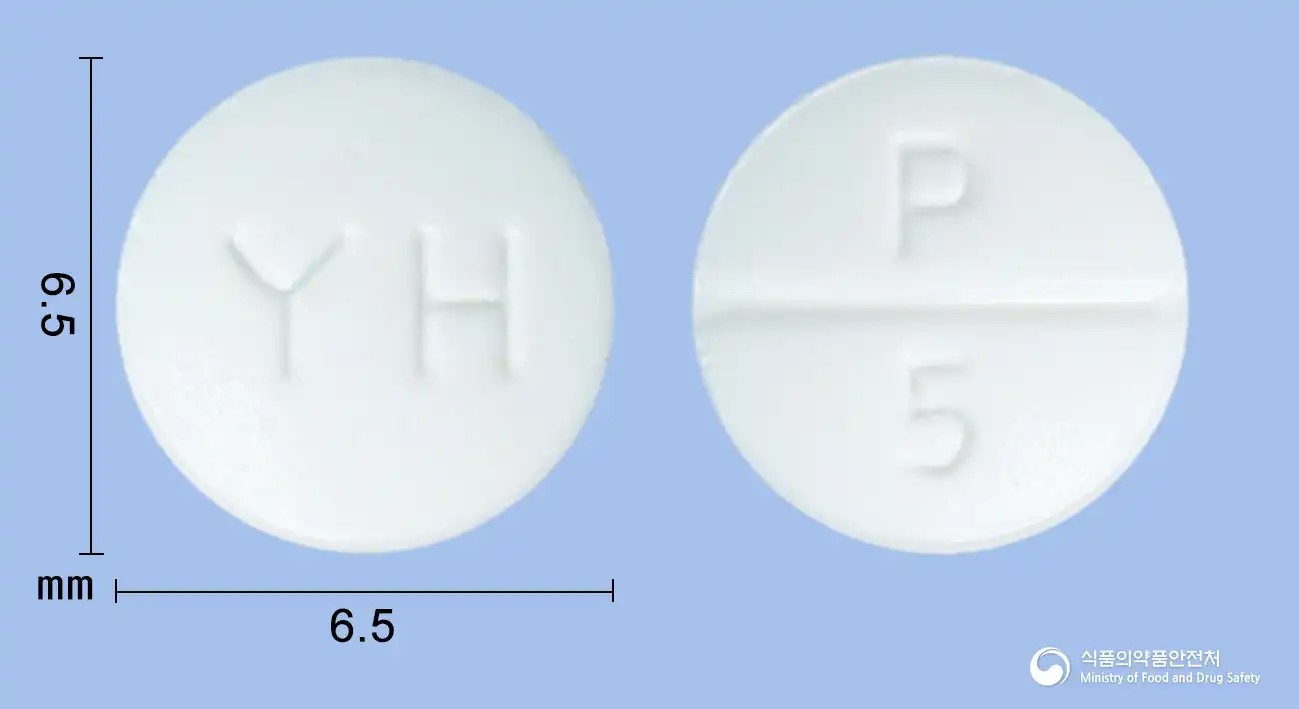
Prednisolone 5mg
Tablet · Prescription medication
Yuhan Corporation
Prednisolone 100mg
Syrup · Prescription medication
Hallym Pharmaceutical Co., Ltd.
Even with the same ingredient, the dose and directions can differ by strength and dosage form. Talk to a doctor or pharmacist before switching from a medication you are already taking.
No questions yet.
For anything that needs medical judgment, consult a doctor or pharmacist.
This drug information is based on data provided by the Korea Ministry of Food and Drug Safety.
Consult a doctor or pharmacist for accurate dosage, administration, and usage instructions.