
 한국어
한국어 English
 日本語
日本語 中文(简体)
 Viewing now
Tylenol 8 Hour Extended Release Tablets (Acetaminophen)
Acetaminophen 325mg
Tablet · OTC medication
Bukwang Pharmaceutical Co., Ltd.
MFDS item code 200201482 · Approved 2002.08.16 · Insurance code 642202200
Fever and cold (pain, headache) relief
This medication is used to reduce fever and relieve pain associated with colds, headaches, toothaches, muscle pain, back pain, menstrual pain, and joint pain.
Take 2 tablets every 8 hours. Do not exceed 6 tablets in 24 hours.
Children over 12 years old should take 2 tablets every 8 hours. Do not exceed 6 tablets in 24 hours.
This medication may put a strain on the liver, so anyone who regularly consumes more than three glasses of alcohol daily should consult a doctor or pharmacist before taking it. During the use of this medication, serious skin reactions may occur rarely, so if you notice a skin rash or allergic symptoms, stop taking the medication immediately and consult a healthcare professional. This medication contains acetaminophen, so care must be taken not to exceed the maximum daily dosage, and it should not be taken in conjunction with other products that contain acetaminophen. This medication is contraindicated for individuals with certain conditions. For example, do not take it if you have an allergic disposition, peptic ulcer, severe liver or kidney function impairment, or reduced cardiac function. Additionally, individuals with aspirin asthma, those taking barbiturates, tricyclic antidepressants, children under 12 years old, or those with inherited issues such as lactose intolerance should also avoid this medication. As it is an extended-release formulation, tablets should not be crushed, chewed, or dissolved, and the method of administration should not be altered arbitrarily. Anyone with a history of liver or kidney disease, those with a tendency to bleed, pregnant or nursing women, and older adults should consult a healthcare professional before taking this medication. If any unusual symptoms such as allergic reactions, blood abnormalities, gastrointestinal bleeding, or skin rashes occur while using this medication, stop taking it immediately and consult healthcare personnel. For long-term use, regular blood tests or liver function tests should be performed to check for abnormalities, and the dosage should be adjusted if necessary. In case of overdose, even without symptoms, immediate medical attention should be sought for appropriate treatment, and medications for liver protection may be administered. This medication should be stored in a sealed container, at room temperature, away from children's reach. Additionally, do not remove it from its original container and store it in another container, and it is important to keep it tightly closed to maintain the quality and safety of the medication.
Hives, severe swelling (edema), chest tightness, difficulty breathing, cold sweat, pallor, anaphylaxis, hypersensitivity reactions, asthma attacks, severe skin adverse reactions (acute generalized exanthematous pustulosis, Stevens-Johnson syndrome, toxic epidermal necrolysis), mucocutaneous syndrome, toxic epidermal necrolysis, rash, severe lethargy, liver damage, liver necrosis, acute generalized exanthematous pustulosis, shock, severe edema, or urination problems
Nausea, vomiting, loss of appetite, pruritic (itchy) rash, rash, fixed drug eruption, elevated AST, elevated ALT, high anion gap metabolic acidosis (HAGMA), chronic hepatitis, acute pancreatitis, nephrotoxicity, platelet function impairment (prolonged bleeding time), thrombocytopenia, granulocytopenia, hemolytic anemia, methemoglobinemia
Not everyone experiences these, and they can vary from person to person.
Do not take this medication with other anti-inflammatory (anti-inflammatory) pain relievers, other products containing acetaminophen, barbiturates, or tricyclic antidepressants. Also, patients taking warfarin, lithium, or thiazide diuretics should consult a doctor or pharmacist before taking this medication.
Do not take this medication with alcohol.
This medication should be stored in a sealed container to prevent air and moisture from entering, and the storage temperature should be maintained between 1 and 30 degrees Celsius at room temperature. By doing this, the effectiveness of the medication can be preserved for a longer period.
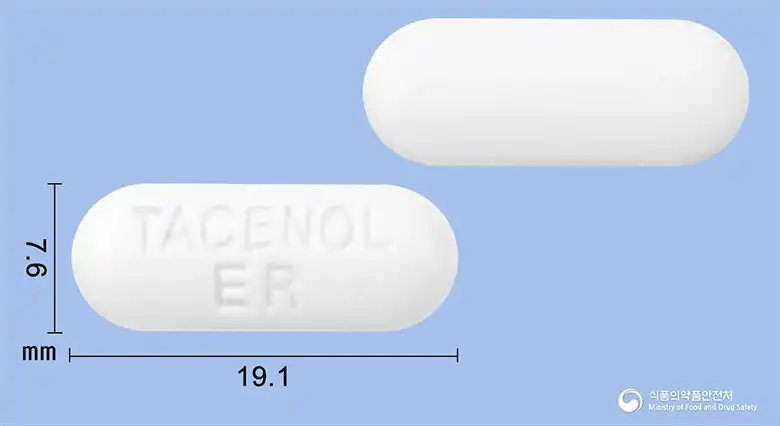
This is a white, rectangular film-coated tablet.
6 tablets/PTP, 500 tablets/bottle
Even with the same ingredient, strength, dosage form and how it is taken can differ.
Viewing nowAcetaminophen 325mg
Tablet · OTC medication
Bukwang Pharmaceutical Co., Ltd.
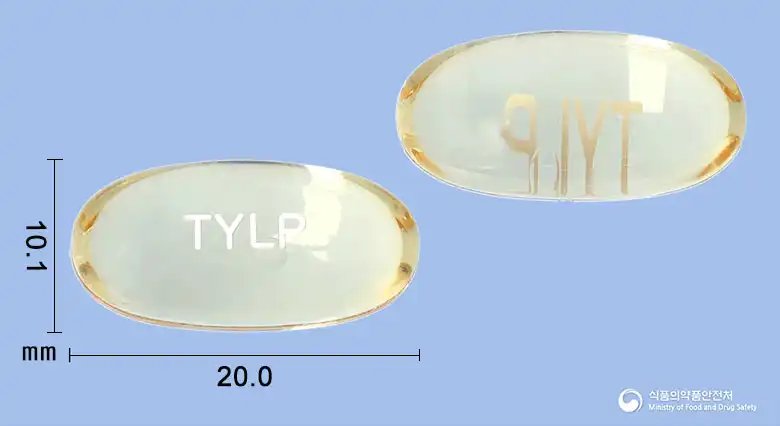
Acetaminophen 325mg
Soft capsule · OTC medication
RP Bio Co., Ltd.
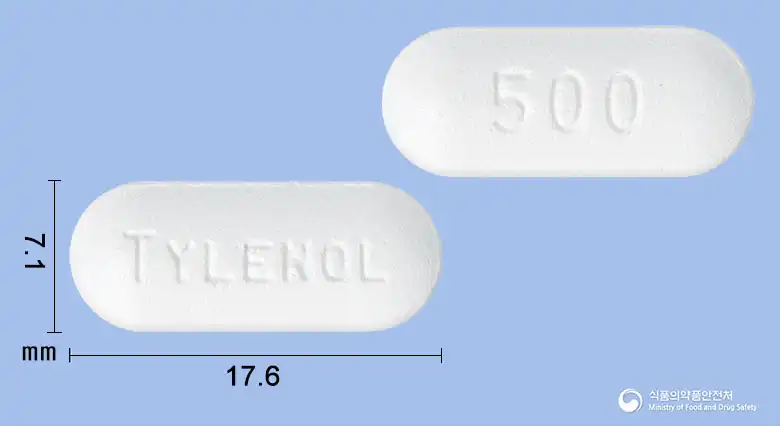
Acetaminophen 500mg
Tablet · OTC medication
Johnson & Johnson Korea, Ltd.

Acetaminophen 160mg
Tablet · OTC medication
Kolon Pharmaceutical Co., Ltd.

Acetaminophen 160mg
Tablet · OTC medication
Sama Pharmaceutical Co., Ltd.

Acetaminophen 80mg
Chewable Tablet · OTC medication
Samma Pharmaceutical Co., Ltd.
Acetaminophen 160mg
Tablet · OTC medication
Anguk Pharmaceuticals Co., Ltd.

Acetaminophen 500mg
Tablet · OTC medication
Alpha Pharmaceutical Co., Ltd.
Even with the same ingredient, the dose and directions can differ by strength and dosage form. Talk to a doctor or pharmacist before switching from a medication you are already taking.
No questions yet.
For anything that needs medical judgment, consult a doctor or pharmacist.
This drug information is based on data provided by the Korea Ministry of Food and Drug Safety.
Consult a doctor or pharmacist for accurate dosage, administration, and usage instructions.