
 한국어
한국어 English
 日本語
日本語 中文(简体)
 Viewing now
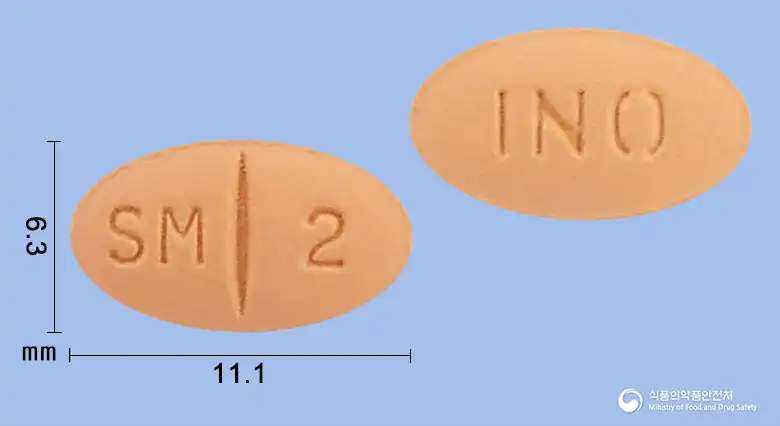
Simvastatin Tablets 20 mg (Simvastatin)
Simvastatin 20mg
Tablet · Prescription medication
HK inno.N Co., Ltd.
MFDS item code 200201201 · Notified 2002.05.29 · Insurance code 640001030
Reduction of the risk of cardiovascular disease and improvement of hyperlipidemia
This medication helps lower the risk of cardiovascular disease and assists in the treatment of hyperlipidemia. It is used to reduce the risk of heart attacks or strokes in adults with a history of coronary heart disease, diabetes, peripheral vascular disease, or stroke, as well as to decrease the likelihood of complications after vascular surgery. Additionally, it manages cholesterol and triglyceride levels in patients with primary hypercholesterolemia or mixed dyslipidemia, thereby improving cardiovascular health. It is also effective in individuals with genetic hyperlipidemia, such as familial hypercholesterolemia, when used alongside dietary measures. It can also be used to reduce cholesterol levels in pediatric patients aged 10 to 17 years with familial hypercholesterolemia. Overall, this medication aids in the prevention of cardiovascular disease and the improvement of lipid levels.
1. Reduction of the risk of cardiovascular disease: The recommended initial starting dose is 40 mg once daily of simvastatin. 2. Hyperlipidemia: It is recommended to administer this medication at a dosage of 5 to 40 mg once daily in the evening. 3. Patients with homozygous familial hypercholesterolemia: Administer 40 mg in the evening. 4. For elderly patients: A dosage of 20 mg daily can achieve maximum cholesterol reduction effects. 5. Be
For heterozygous familial hypercholesterolemia pediatric patients (ages 10 to 17): administer 10 mg once daily in the evening. The recommended dosage range is 10 to 40 mg once daily, with a maximum recommended dose of 40 mg.
This medication is primarily used to lower cholesterol levels. When taking this medication, special attention should be paid to muscle-related side effects. Muscle pain or weakness may occur, and in severe cases, a condition called rhabdomyolysis, which involves muscle tissue damage, can arise. Such side effects are more frequent with higher doses, particularly when taking 80 mg. Since this medication is metabolized in the liver, it should not be taken by patients with impaired liver function or active liver disease. Additionally, pregnant women or those who may become pregnant, as well as nursing mothers, should not use this medication. Particularly when taking other medications that interact with this drug, the risk of muscle damage may increase, so consultation with a physician is necessary. Co-administration with strong CYP3A4 inhibitors, certain antifungals, antibiotics, immunosuppressants, and some cardiac medications may require dose adjustments or changes in medication. Elderly patients, those with reduced kidney function, or patients with hypothyroidism should use this medication cautiously due to a higher risk of muscle side effects. During treatment, regular liver function tests and muscle enzyme tests are recommended. If abnormal symptoms or test results occur, immediately inform a healthcare professional. Additionally, be cautious about excessive intake of foods or beverages that inhibit the CYP3A4 enzyme, such as grapefruit juice, as this may increase the blood concentration of this medication and raise the risk of side effects. This medication should not be taken during pregnancy, and women planning to become pregnant should ensure proper contraception. It is also not recommended for nursing mothers. This medication is not to be used in children under 10 years of age or in females before menarche; in pediatric patients aged 10 to 17 years, it should be administered according to a doctor's instructions. In case of overdose, standard emergency treatments should be performed, and if symptoms arise, medical attention should be sought immediately. Finally, this medication should be stored out of reach of children and kept in its original container; transferring it to another container should be avoided.
Hives, severe swelling (edema), chest tightness, difficulty breathing, cold sweats, pallor, severe allergic reactions, severe rashes with high fever, blisters, peeling skin, pain in mucous membranes of the mouth/eyes, severe skin reactions, difficulty breathing or shortness of breath, asthma attacks, respiratory abnormalities accompanied by cough and fever, yellowing of the skin or eyes (jaundice), extreme fatigue, liver issues (jaundice), sudden and severe
Abdominal pain, weakness, constipation, diarrhea, dyspepsia, bloating, nausea, headache, upper respiratory tract infection, atrial fibrillation, gastritis, diabetes, muscle pain, insomnia, dizziness, bronchitis, sinusitis, eczema, urinary tract infection, musculoskeletal adverse reactions (muscle cramps, muscle pain, joint pain), neurological adverse reactions (taste disturbance, ocular movement disorder, facial nerve palsy, tremors, sensory disturbances, peripheral neuropathy, peripheral nerve paralysis, mental disorders, anxiety, sleep disorders, depression)
Not everyone experiences these, and they can vary from person to person.
This medication should be stored in a tightly sealed container to protect it from air and moisture, and it is important to maintain a storage temperature between 1 degree and 30 degrees Celsius. By storing it in this way, the efficacy of the medication can be preserved for a longer duration.
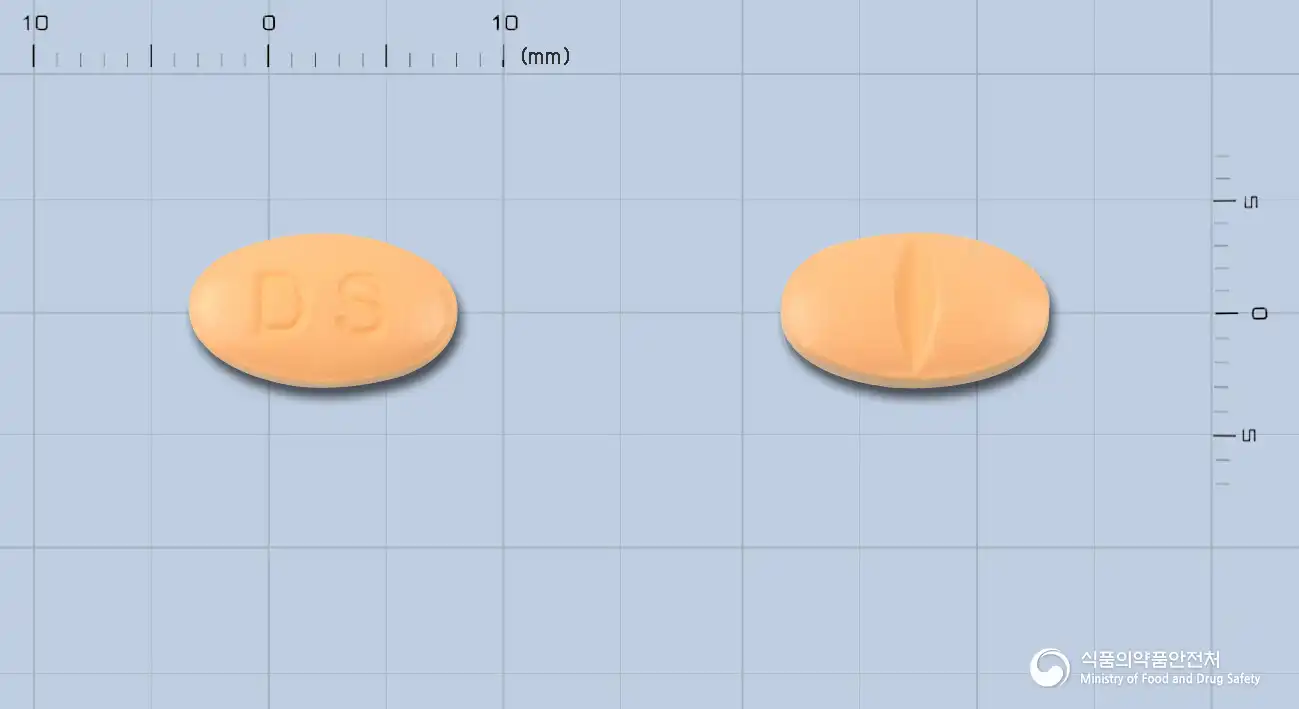
Apricot-colored oval film-coated tablets
30 tablets/bottle, 300 tablets/bottle
Even with the same ingredient, strength, dosage form and how it is taken can differ.
Viewing nowSimvastatin 20mg
Tablet · Prescription medication
HK inno.N Co., Ltd.
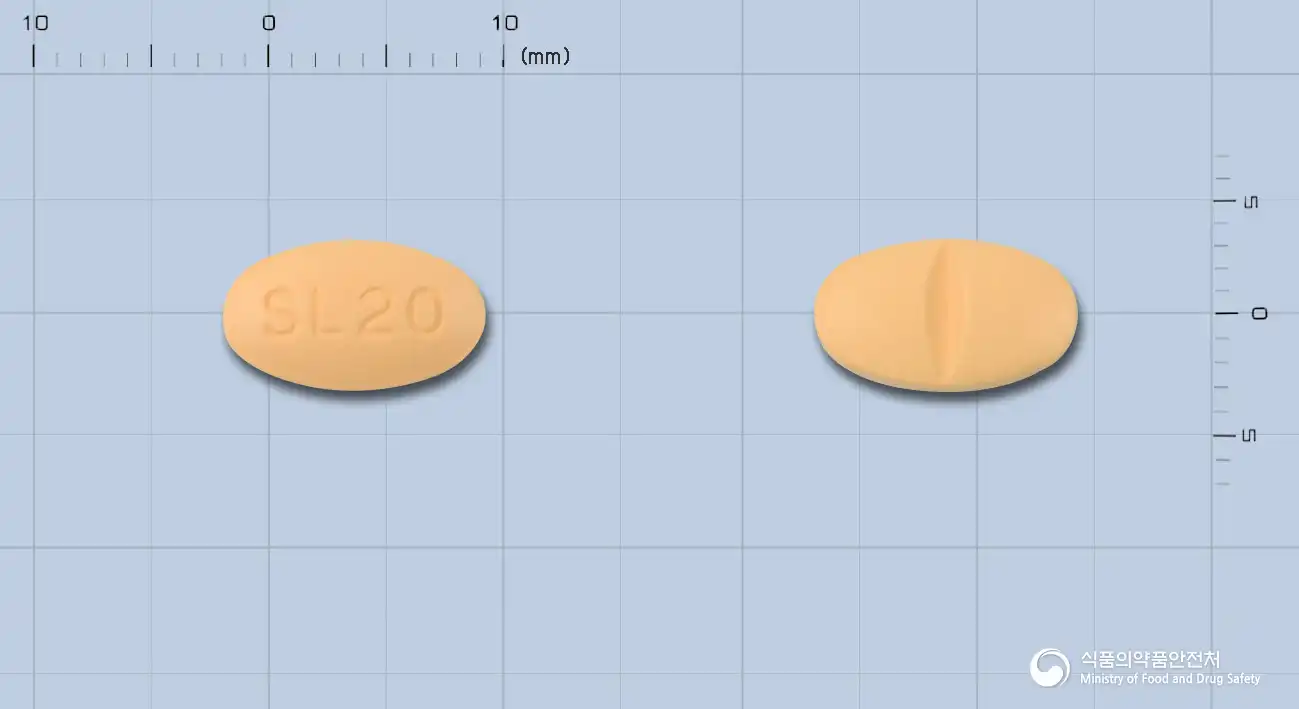
Simvastatin 20mg
Tablet · Prescription medication
Jongkundang Pharmaceutical Co., Ltd.
Simvastatin 20mg
Tablet · Prescription medication
Dong-A ST Co., Ltd.
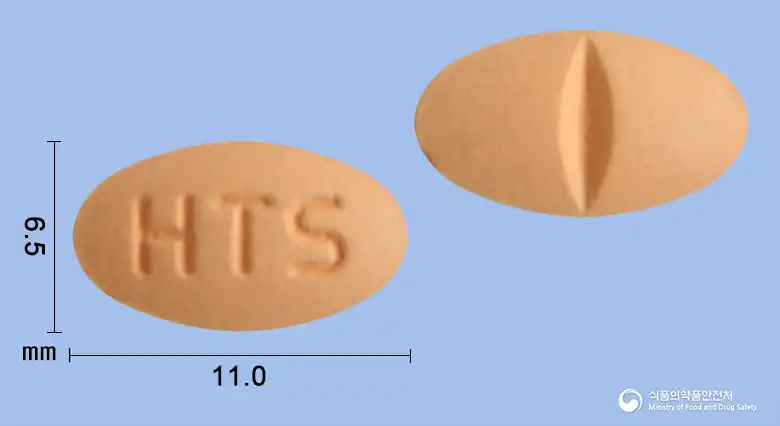
Simvastatin 20mg
Tablet · Prescription medication
Korea Hutech Pharmaceutical Co., Ltd.
Simvastatin 20mg
Tablet · Prescription medication
Yuhan Corporation
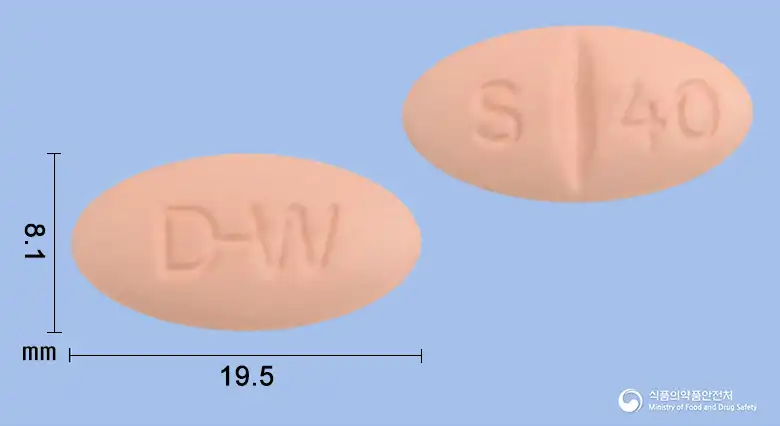
Simvastatin 40mg
Tablet · Prescription medication
Dongwha Pharmaceutical Co., Ltd.
Simvastatin 20mg
Tablet · Prescription medication
Dongsung Pharmaceutical Co., Ltd.
Simvastatin 20mg
Tablet · Prescription medication
Daehwa Pharmaceutical Co., Ltd.
Even with the same ingredient, the dose and directions can differ by strength and dosage form. Talk to a doctor or pharmacist before switching from a medication you are already taking.
No questions yet.
For anything that needs medical judgment, consult a doctor or pharmacist.
This drug information is based on data provided by the Korea Ministry of Food and Drug Safety.
Consult a doctor or pharmacist for accurate dosage, administration, and usage instructions.