
 한국어
한국어 English
 日本語
日本語 中文(简体)
 Viewing now
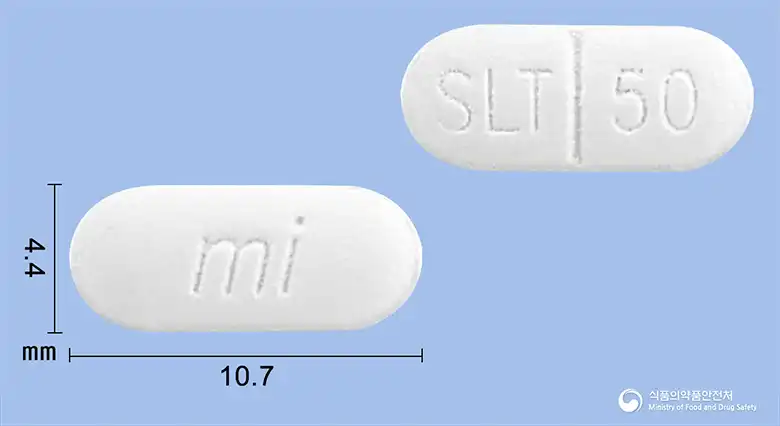
Tralin Tablets 50 mg (Sertraline Hydrochloride)
Sertraline Hydrochloride 55.95mg
Tablet · Prescription medication
Myungin Pharmaceutical Co., Ltd.
MFDS item code 200200939 · Notified 2002.06.21 · Insurance code 651902160
Treatment of depression and obsessive-compulsive disorder (in adults and children)
This medication is used for the treatment of depression and is effective in treating obsessive-compulsive disorder in both adults and children. It is also helpful in the treatment of panic disorder, post-traumatic stress disorder, and social anxiety disorder (also known as social phobia). It is used to alleviate symptoms of premenstrual dysphoric disorder. It contributes to the improvement of symptoms related to these various mental health issues.
Depression and obsessive-compulsive disorder: Start with a dose of 50 mg of sertraline once daily. The maintenance dose is 50-100 mg daily. If the effect is insufficient, the dose may be increased by 50 mg up to a maximum of 200 mg daily, with dose adjustments made at least 1 week apart. Panic disorder, post-traumatic stress disorder, and social anxiety disorder: Start with a dose of 25 mg once daily.
Obsessive-Compulsive Disorder: For patients aged 6-12 years, start with a dose of 25 mg once daily; for patients aged 13-17 years, start with a dose of 50 mg once daily. Children aged 6-17 with obsessive-compulsive disorder can be given a dose of 25-200 mg/day.
This medication is primarily used as an antidepressant for the treatment of psychiatric disorders such as depression and obsessive-compulsive disorder. When taking this medication, the risk of suicidal thoughts or behaviors may increase, especially in young patients aged 18 to 24, so careful assessment of the need for treatment and associated risks by a doctor is required. There is a risk of a serious side effect known as serotonin syndrome, which may include symptoms such as agitation, hallucinations, fever, tremors, nausea, and vomiting, and the risk increases when taken with other serotonergic medications. It should not be taken with certain medications known as MAO inhibitors, as this can lead to life-threatening side effects. Patients with moderate to severe liver impairment, those allergic to this medication, and those with certain heart conditions should not take this medication. Patients with epilepsy or mild liver impairment should be closely monitored as there is a risk of seizures when taking this medication. This medication can cause various side effects such as drowsiness, dizziness, headache, dyspepsia, insomnia, anxiety, and in severe cases, may include cardiac rhythm abnormalities or skin rashes. Particular caution should be exercised while driving or operating machinery as this medication may impair concentration. Discontinuation of this medication should be gradual to avoid withdrawal symptoms such as dizziness, anxiety, and sleep disturbances, so dosage must be decreased gradually according to a physician's instructions. Pregnant or breastfeeding women should carefully consider the potential effects of this medication on the fetus or newborn, weighing the benefits and risks of treatment. It is not recommended for use in children and adolescents for indications other than obsessive-compulsive disorder, and growth and development monitoring is necessary. When used in conjunction with other medications, potential interactions may occur, so consultation with a doctor or pharmacist is essential, especially when taking medications affecting blood coagulation or other psychiatric medications. In cases of overdose, severe side effects may occur, requiring immediate medical attention, as specific antidotes are not available, making symptomatic treatment important. This medication should be kept out of reach of children, and transferring it to other containers should be avoided to maintain quality.
Hives, angioedema, severe swelling (including facial edema, peripheral edema), chest tightness, difficulty breathing, autonomic nervous instability (tachycardia, unstable blood pressure, dizziness, sweating, flushing, high fever), serotonin syndrome, neuroleptic malignant syndrome, severe skin reactions (severe rash, blisters, skin peeling, pain in mucous membranes of the mouth/eyes, toxic epidermal necrolysis, Stevens-Johnson syndrome, exfoliative dermatitis, photosensitivity skin reactions), liver abnormalities (liver
Not everyone experiences these, and they can vary from person to person.
This medication should be stored in a tightly closed container to protect it from air and moisture. It is advisable to maintain a storage temperature between 1°C and 30°C. This helps preserve the medication's effectiveness for a longer period.
White, rectangular film-coated tablet
30 tablets/bottle, 200 tablets/bottle
Even with the same ingredient, strength, dosage form and how it is taken can differ.
Viewing nowSertraline Hydrochloride 55.95mg
Tablet · Prescription medication
Myungin Pharmaceutical Co., Ltd.
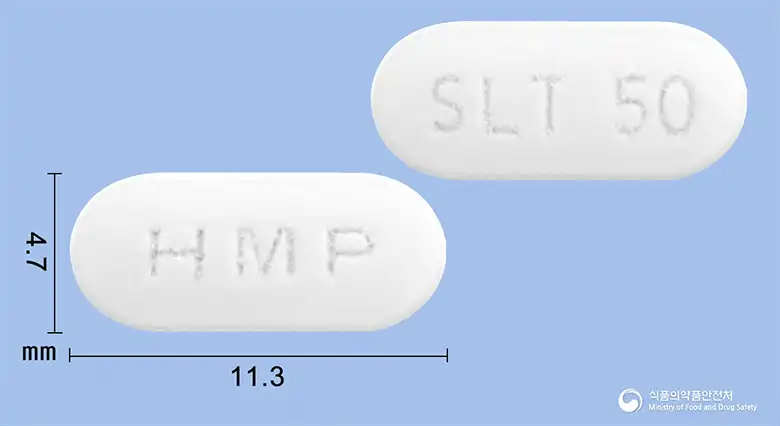
Sertraline Hydrochloride 55.95mg
Tablet · Prescription medication
Hanmi Pharmaceutical Co., Ltd.
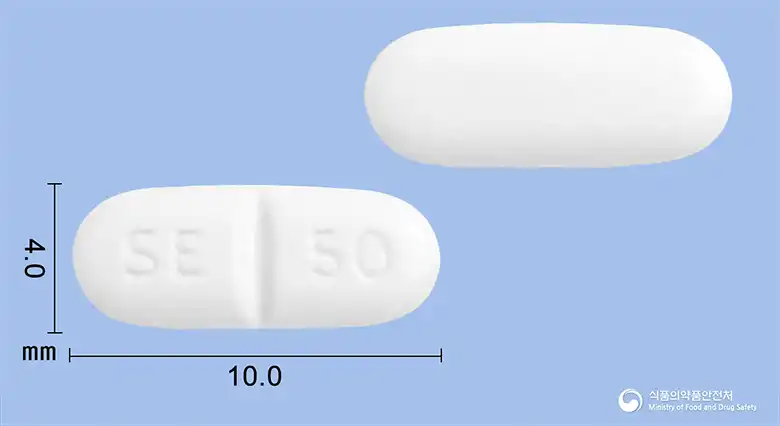
Sertraline Hydrochloride 55.95mg
Tablet · Prescription medication
Samil Pharmaceutical Co., Ltd.
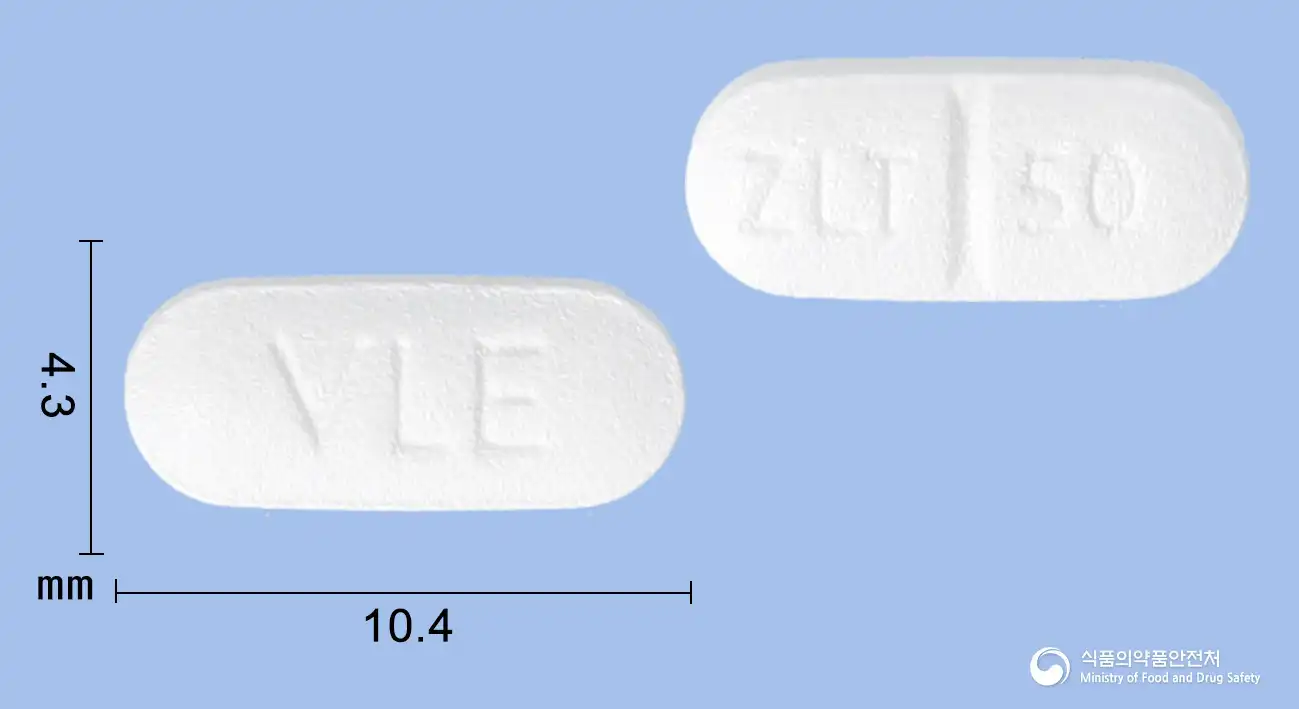
Sertraline Hydrochloride 55.95mg
Tablet · Prescription medication
Viatris Korea Co., Ltd.
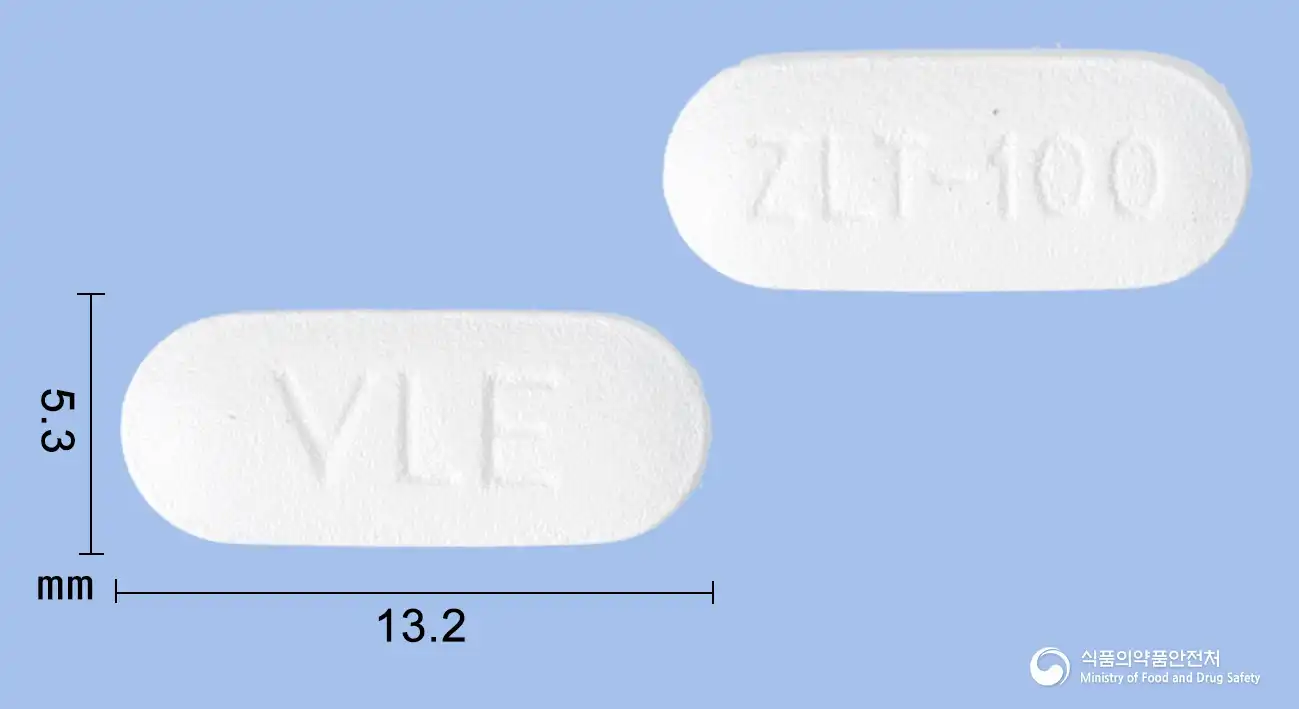
Sertraline Hydrochloride 111.9mg
Tablet · Prescription medication
Viatris Korea Co., Ltd.
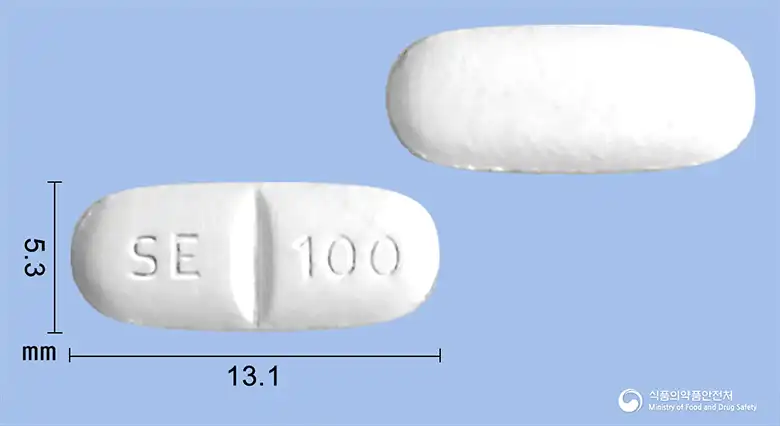
Sertraline Hydrochloride 111.9mg
Tablet · Prescription medication
Samil Pharmaceutical Co., Ltd.
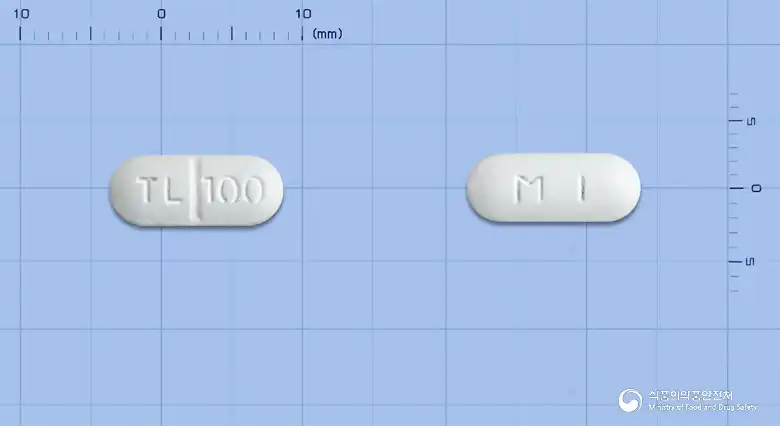
Sertraline Hydrochloride 111.9mg
Tablet · Prescription medication
Myungjin Pharmaceutical Co., Ltd.
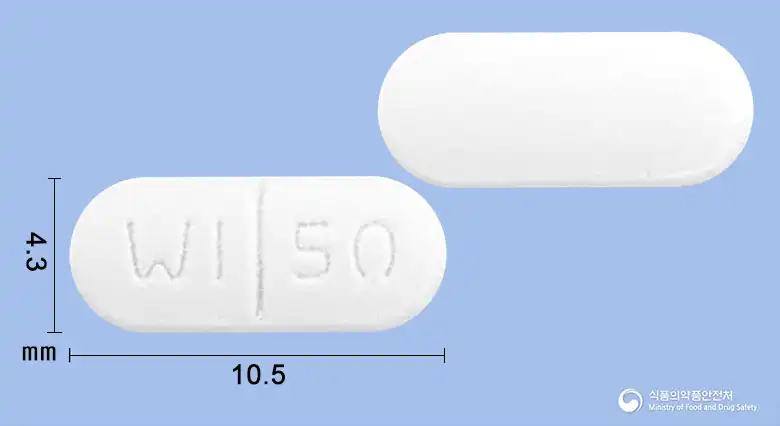
Sertraline Hydrochloride 55.95mg
Tablet · Prescription medication
Han-in Pharmaceutical Co., Ltd.
Even with the same ingredient, the dose and directions can differ by strength and dosage form. Talk to a doctor or pharmacist before switching from a medication you are already taking.
No questions yet.
For anything that needs medical judgment, consult a doctor or pharmacist.
This drug information is based on data provided by the Korea Ministry of Food and Drug Safety.
Consult a doctor or pharmacist for accurate dosage, administration, and usage instructions.